

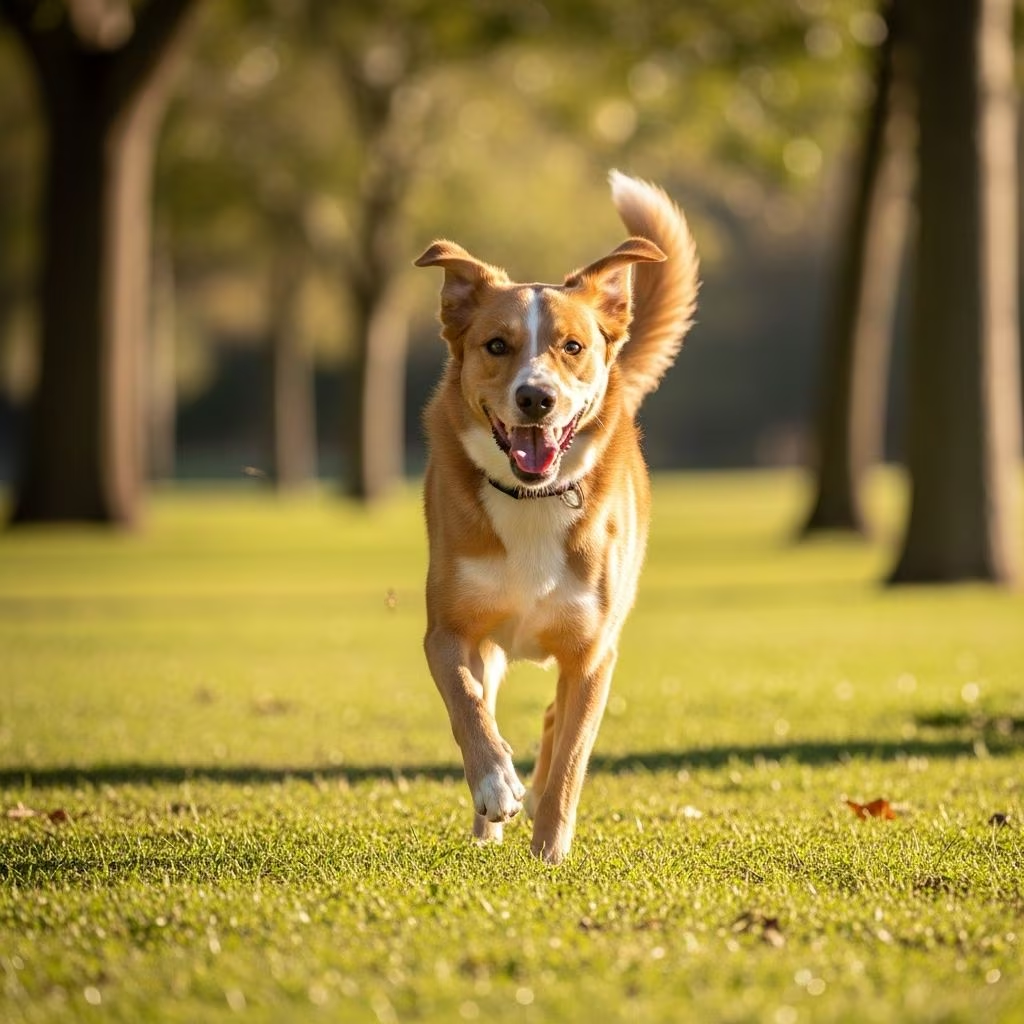
Keeping dogs fit requires balancing enthusiasm with caution to avoid injuries that lead to discomfort. Proper planning transforms playtime into safe routines that support long-term mobility and joy.
Understanding Risks of Overexertion
Dogs often push limits during play, but sudden bursts can strain muscles, ligaments, and joints. Factors like age, breed, and prior health issues heighten vulnerability. Recognizing early signs such as limping, reluctance to move, or stiffness helps intervene promptly. Preventive measures focus on gradual progression and tailored activities to minimize these risks.
Building a Safe Exercise Foundation
Start with veterinary clearance, especially for seniors or those with conditions like arthritis. Controlled leash walks build endurance without excess stress. Short sessions, repeated frequently, strengthen supporting muscles better than infrequent long outings. Incorporate rest days to allow recovery and monitor for fatigue indicators like heavy panting or slowed pace.
- Use harnesses for better control and reduced neck strain.
- Opt for soft surfaces like grass over concrete to cushion joints.
- Hydrate frequently, particularly in warm weather.
Essential Warm-Up and Cool-Down Routines
Warm-ups prepare tissues for activity by increasing blood flow. Begin with 5-10 minutes of gentle walking, followed by dynamic stretches like cookie lures to engage core and limbs. Cool-downs prevent stiffness through slow walks and passive range-of-motion exercises, where you gently flex and extend joints.
| Phase | Duration | Activities |
|---|---|---|
| Warm-Up | 5-10 min | Slow walk, shoulder circles, hip flexes |
| Main Exercise | 15-30 min | Leash walks, swimming, controlled play |
| Cool-Down | 5 min | Gentle trot, massages, stretches |
Low-Impact Activities for Joint Protection
Swimming stands out as ideal, offering resistance without weight-bearing impact. Underwater treadmills simulate walking while buoyancy eases joint load. Short hikes on even terrain or scent games provide mental stimulation alongside physical benefits, avoiding jumps or sharp turns that jar knees and hips.
For apartment dwellers, indoor options like balance exercises on cushions or slow stair climbs (with supervision) maintain fitness. These methods preserve muscle tone crucial for stability, reducing pain from instability.
Tailoring Workouts by Breed and Age
Small breeds like Chihuahuas risk patellar luxation from overexertion, so limit jumping and use ramps. Large breeds such as Labs benefit from steady cardio to combat hip dysplasia tendencies. Puppies need controlled play to protect growth plates, while seniors thrive on therapy balls for balance without strain.
- Puppies: Focus on play bows and short fetches.
- Adults: Mix cardio with strength via planks.
- Seniors: Prioritize hydrotherapy and massages.
Nutrition and Supplements for Recovery
Diets rich in omega-3s from fish oil combat inflammation. Glucosamine and chondroitin support cartilage health, particularly in breeds prone to joint issues. Maintain ideal weight to lessen joint burden—each extra pound multiplies force on limbs exponentially.
Recognizing and Addressing Pain Signals
Subtle cues include tucked tails, yelping, or favoring one side. Immediate rest, cold therapy with wrapped ice packs for 10-15 minutes, soothes acute inflammation. Avoid forcing movement; consult vets for persistent issues to rule out fractures or tears.
Advanced Therapies for Prevention
Physical therapy incorporates tools like wobble boards for core strength, enhancing proprioception to prevent missteps. Laser therapy penetrates tissues to reduce swelling non-invasively. Acupuncture targets pressure points for pain modulation, often combined with massage for circulation boosts.
PEMF devices at home stimulate cellular repair, ideal post-activity. Professional rehab plans customize protocols, ensuring progressive loading without overload.
Home Exercises to Boost Resilience
Balance Work: Plank holds for 10 seconds build stability. Core engagement via tummy tickles on unstable surfaces.
Strength Builders: Sit-to-stand reps in corners, 10 times daily. Dancing holds sway hips side-to-side.
Mobility Enhancers: Cookie stretches lure noses to flanks and between legs, promoting flexibility without forward motion.
- Stand dog squarely.
- Lure treat to shoulder, hold 5 seconds.
- Repeat to hip and chest.
Environmental Modifications for Safety
Non-slip mats prevent slides on floors. Orthopedic beds cradle joints during sleep. Ramps for furniture access eliminate leaps. Clear paths of obstacles to avoid twists.
Seasonal and Surface Considerations
Winter demands paw booties against ice melt chemicals. Summer shade and water breaks counter heat stress. Rotate surfaces—sand for traction, snow for fun but cautious play—to vary joint loading.
Monitoring Progress and Adjustments
Track activity logs noting duration, response, and any soreness. Weekly weigh-ins ensure weight control. Adjust based on energy levels; what works in youth may need scaling for age.
Frequently Asked Questions
What are the first signs of exercise pain in dogs?
Limping, whining, excessive licking of limbs, or sudden play avoidance signal discomfort. Rest and vet evaluation follow.
Can swimming prevent joint issues?
Yes, its low-impact nature strengthens muscles around joints without compressive forces, ideal for arthritis-prone dogs.
How often should I exercise my senior dog?
Three to five short sessions weekly, focusing on gentle walks and therapy, suffice to maintain mobility.
Are supplements safe for all dogs?
Most are, but consult vets for dosing, especially with medications, to avoid interactions.
What if my dog refuses exercise?
Pain or fatigue may cause this; check for injuries and introduce fun elements like toys to rebuild interest.
Long-Term Strategies for Active Lifestyles
Consistent routines foster habits that endure. Partner with certified canine rehab specialists for personalized plans. Community dog sports with modifications offer socialization minus risks. Ultimately, attentive ownership ensures dogs enjoy vitality throughout life stages.
References
- Exercise Restriction in Dogs — VCA Animal Hospitals. 2023. https://vcahospitals.com/st-marys/know-your-pet/exercise-restriction-in-dogs
- Dog Physical Therapy: Everything a Pet Parent Should Know — PetMD. 2024-05-15. https://www.petmd.com/dog/general-health/dog-physical-therapy
- Dogs Physical Therapy Exercises — LakeCross Veterinary Hospital. 2020-08-12. https://www.lakecross.com/site/blog-huntersville-vet/2020/08/12/dogs-physical-therapy-exercises
- Natural Pain Relief for Dogs: 13 Methods — ToeGrips. 2023. https://toegrips.com/natural-pain-relief-for-dogs/
- How to Manage Your Dog’s Arthritis Pain and Improve Their Mobility — Kainer Vet. 2024. https://kainervet.com/how-to-manage-your-dogs-arthritis-pain-and-improve-their-mobility/



