
Preventing Door Dashing: Essential Safety Training for Dogs
Master proven techniques to stop your dog from bolting through open doors and ensure their safety.
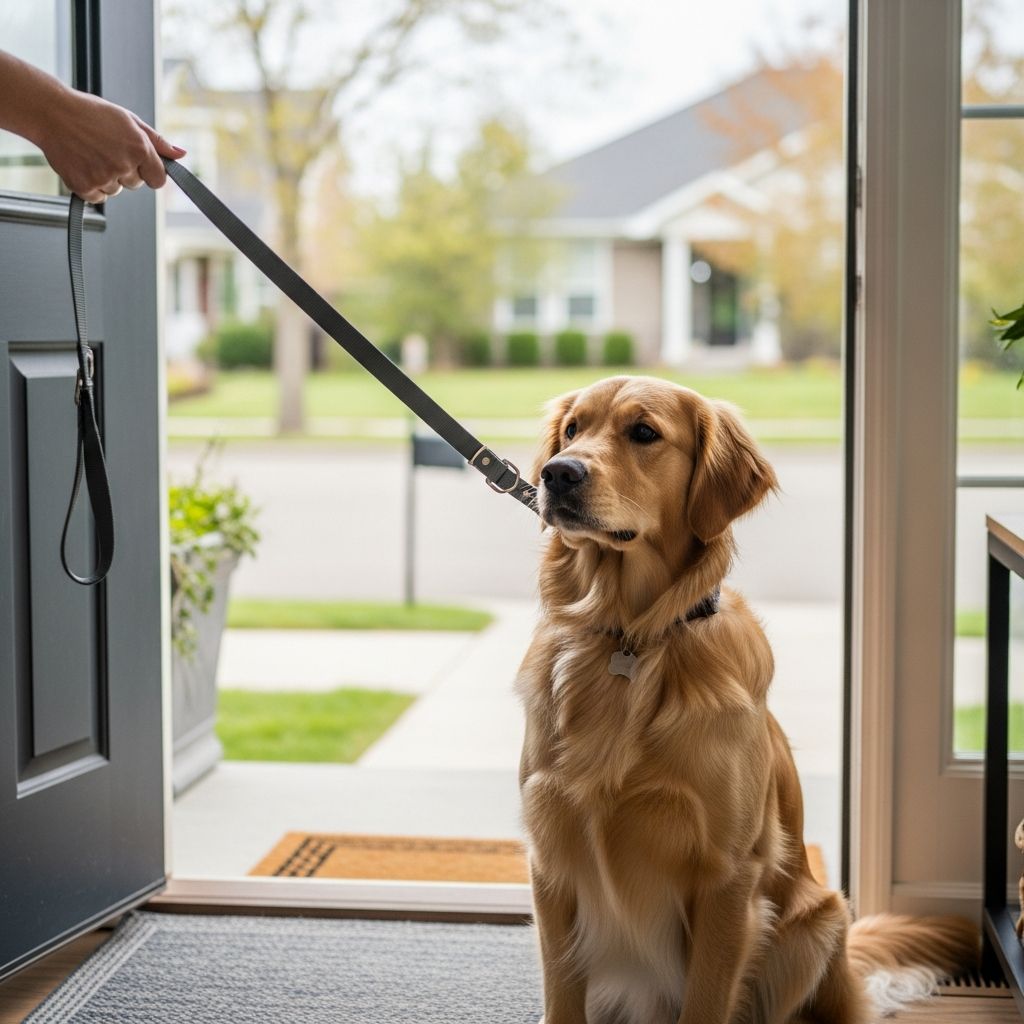
Door dashing—when a dog bolts through an open doorway without permission—represents one of the most dangerous behavioral challenges pet owners face. This seemingly impulsive action can result in tragic outcomes, including vehicles strikes, lost pets, or encounters with threats in unfamiliar territory. Understanding why dogs engage in this behavior and implementing both immediate management strategies and long-term training solutions is crucial for every dog owner.
Understanding the Door Dashing Problem
Dogs dash through doors for various reasons, ranging from excitement about outdoor adventures to prey drive activation or simple opportunity-seeking. The behavior often intensifies when multiple stimuli converge—a ringing doorbell, arriving guests, or the preparation for a walk. What makes this behavior particularly dangerous is its spontaneity; even the most well-behaved dog can occasionally succumb to the impulse to escape through an open doorway.
The stakes of door dashing are remarkably high. Each year, countless dogs experience preventable injuries from traffic, become lost in unfamiliar neighborhoods, or encounter other hazardous situations that could have been avoided through proper training and management. Recognizing that this behavior requires immediate attention—both through temporary containment strategies and systematic training—is the first step toward ensuring your dog’s safety.
Immediate Management Strategies: Buying Time While You Train
Before implementing comprehensive training protocols, it’s essential to establish safety measures that prevent accidents while you work on behavioral modification. These management tools serve as your immediate line of defense.
Leash Control During Transitions
The simplest and most reliable management technique involves keeping your dog on a leash whenever you anticipate door openings. This straightforward approach applies whether you’re answering the doorbell, accepting deliveries, or preparing to head outside for a walk. By maintaining physical control through a leash, you eliminate the possibility of your dog making an independent decision to escape. This method requires minimal training and provides immediate protection while you develop more sophisticated behavioral solutions.
Physical Barriers and Containment
Creating physical obstacles between your dog and the door provides another layer of protection. Dog gates, portable exercise pens, or even closed interior doors can effectively prevent access to exit points. These barriers work particularly well for dogs who struggle with impulse control around doorways. Some pet owners find that establishing a designated containment zone away from the entrance provides both safety and peace of mind during busy household moments or when hosting guests.
Environmental Preparation
Strategic environmental management can reduce door dashing temptations significantly. Keeping your dog in a separate room while greeting visitors, preparing meals near the door, or during particularly chaotic household moments prevents the opportunity for the behavior to occur. For some households, ongoing management through these preventive measures becomes the primary strategy, supplemented by periodic training sessions to reinforce desired behaviors.
Training Foundation: Building Respect for Doorways
Successful door dashing prevention relies on teaching your dog that doorways are not free-access zones. This training establishes clear boundaries and teaches your dog the expected behavior when doors open.
Sequential Steps for Exit Door Training
When preparing to leave your house for a walk or outdoor activity, follow a systematic progression that gradually increases difficulty:
- Preparation Phase: Begin with your dog on leash inside the house. Use high-value treats and consistent praise as you gather items needed for departure—keys, collar, leash. Reward your dog for remaining calm and engaged with you during these preparation activities.
- Position Establishment: Cue your dog into a sit or down position near the door. Reinforce this stationary posture with frequent praise and rewards. The objective at this stage is developing your dog’s ability to hold position while you engage in door-related activities nearby.
- Progressive Door Access: Once your dog demonstrates consistent position holding, introduce door movement. Reach toward the doorknob, praising and treating your dog for maintaining position. Gradually progress to unlocking the door, opening it slightly, and finally opening it fully—always rewarding stationary behavior.
- Personal Passage: After establishing your dog’s ability to remain in position as you open the door, practice stepping through the threshold yourself while your dog maintains their position. Return inside, praise, and repeat this sequence multiple times before progressing.
- Unified Departure: Once your dog reliably maintains position as you open the door and step outside, practice the complete exit sequence. Open the door, step through, then use your release cue. Your dog should exit only after receiving explicit permission and should come directly to you.
Release Cue Development
Establishing a specific release word or phrase—such as “okay,” “let’s go,” or “free”—is essential for communicating when your dog has permission to move through the doorway. This cue becomes the distinguishing factor between situations where your dog must remain stationary and moments when they can proceed. Consistency in using this cue across all household members reinforces its importance and effectiveness.
Visitor Arrival Protocol: Managing Doorbell Responses
Doorbell ringing or knocking creates heightened excitement that intensifies door dashing impulses. Developing a specific behavior pattern for these moments provides structure and redirects your dog’s energy constructively.
Bed-Based Positioning Strategy
Teaching your dog to move to a designated bed or mat when the doorbell sounds creates an automatic, non-negotiable response:
- Place a comfortable bed or mat in a location visible from the door but not directly blocking entry
- Have a helper ring the doorbell or play doorbell sounds on a speaker
- When your dog reacts to the sound, immediately redirect their attention with high-value treats
- Lure your dog to their designated bed and cue them into a down position
- Use a “stay” command if your dog knows it, or simply maintain their interest on the bed through continuous treat rewards
- Continue rewarding while you answer the door and interact with visitors
- Only release your dog after the visitor has entered and the situation has settled
With consistent repetition over multiple practice sessions, this protocol becomes automatic. Your dog will begin anticipating the bed-placement routine when hearing doorbell sounds, reducing the frantic energy that typically accompanies visitor arrivals.
Redirecting to Safe Spaces: Establishing Alternative Behaviors
Rather than simply teaching your dog what not to do, establishing an attractive alternative destination channels their impulse to move away from the door toward a predetermined safe location.
Identifying and Conditioning the Safe Space
Select a room or area away from the front entrance—a bedroom, laundry room, crate area, or other contained space works well. The space should feel secure and rewarding to your dog. Condition your dog to associate this location with positive outcomes through gradual exposure and reward:
- Practice directing your dog to this space during calm household moments
- Reward arrival and settlement with high-value treats or chew items
- Gradually extend the duration your dog remains in this space before releasing them
- Progress to using doorbell sounds or knocking during these practice sessions
Integration with Doorway Situations
Once your dog reliably moves to their safe space during practice sessions, begin integrating this behavior into real doorway scenarios. When the doorbell rings, guide your dog to their designated area, provide substantial rewards or engaging chew toys, and allow them to remain there while you answer the door. The goal is ensuring your dog receives greater rewards for moving away from the door than they would for attempting to escape through it.
Body Language and Natural Communication: The Claiming Space Approach
Dogs communicate through body language, and understanding this natural communication system allows you to establish doorway boundaries without relying entirely on verbal commands. The “claiming space” technique leverages your own body positioning to communicate expectations to your dog.
How Claiming Space Works
This method involves positioning your body between your dog and the doorway, using calm but assertive physical presence to prevent forward movement. When your dog approaches the door during opening, you gently move into their path, creating a blocking position that communicates “this space is not yours right now.” This technique requires no verbal commands and works based on natural canine hierarchical communication patterns.
Implementation During Daily Routines
Practice claiming space during routine door openings—whether leaving for walks, answering the door, or allowing guests to enter or exit. Maintain calm, assertive energy rather than aggressive corrections. If your dog attempts to move toward the open door, gently redirect them backward using your body position. As your dog begins understanding this boundary, the need for physical corrections diminishes.
Building Foundation Skills: Prerequisite Training
While door dashing prevention can be addressed independently, dogs with solid basic obedience skills—particularly reliable heel walks and general responsiveness—learn doorway boundaries more readily. Investing time in foundational training creates a framework that accelerates door behavior modification.
Obedience Prerequisites
Before focusing intensively on door training, ensure your dog demonstrates reliability with:
- Sit and down commands in various environments
- Stay duration in distracting situations
- Reliable response to recall commands
- Calm, controlled walking on leash
These foundational skills provide communication tools that facilitate door training progression. However, dogs can learn appropriate door behavior without these prerequisites—the process simply requires more patience and consistency.
Progressive Difficulty: Advancing Your Training
As your dog demonstrates competence with basic door protocols, gradually increase the complexity and distraction level of your training scenarios.
Escalating Training Variables
Progress through increasingly challenging situations in this sequence:
- Solo practice: Repetition with just you and your dog
- Minor distractions: Background noise or mild excitement during door opening
- Guest presence: Having visitors arrive while your dog practices boundary adherence
- Multiple door points: Practice at various entry points—garage, side doors, back exits
- Real-world scenarios: Package deliveries, invited guests, and other authentic household situations
Frequently Asked Questions
How long does door training typically require?
Training duration varies significantly based on your dog’s age, prior experience, and consistency of practice. Most dogs show noticeable improvement within 2-4 weeks of regular training, with substantial reliability developing over 2-3 months. Older dogs with established door dashing habits may require longer timeframes than puppies or dogs with minimal prior experience.
Can door training work for multiple dogs simultaneously?
Training multiple dogs requires additional patience, as each dog develops at their own pace. Some households find it effective to train dogs individually before practicing with the group. Others successfully train multiple dogs together, though managing different energy levels and compliance simultaneously demands considerable skill.
What if my dog has already escaped through doors and gotten loose?
Dogs with escape experience may demonstrate heightened motivation and determination. These cases benefit from professional training assistance, more intensive management protocols, and potentially longer training timelines. The underlying training principles remain identical, but the reinforcement schedule and consistency requirements increase substantially.
Should I use punishment for door dashing attempts?
Punishment-based corrections prove counterproductive for door dashing, often increasing anxiety and reinforcing the behavior inadvertently. Reward-based training methods that emphasize desired behaviors and appropriate alternative activities prove far more effective and maintain positive relationships between you and your dog.
Safety Considerations Throughout Training
Maintain realistic expectations during your training journey. Even well-trained dogs occasionally experience momentary lapses in judgment, particularly when strongly motivated by external stimuli. Continue using management strategies—leashes and barriers—as backup safety measures even as training progresses. The goal is developing reliable behavior patterns, but perfect consistency remains elusive.
Professional training assistance becomes valuable if your dog demonstrates extreme door dashing motivation, aggressive responses to door-related situations, or shows minimal improvement after several weeks of consistent training. Qualified trainers can assess your specific situation and modify approaches to suit your dog’s individual learning style and behavioral profile.
Conclusion: Long-Term Success
Preventing door dashing requires combining immediate management strategies with systematic, patient training that teaches your dog new behavioral patterns. By understanding the underlying motivations driving this behavior, implementing layered safety approaches, and committing to consistent training practices, you transform door openings from potentially dangerous moments into manageable, controlled situations. The time invested in developing solid doorway manners pays dividends throughout your dog’s lifetime, enhancing safety, reducing household stress, and strengthening the bond between you and your canine companion. Start with management tools today while beginning systematic training, and you’ll progressively build the foundation for reliable, safe behavior at every doorway in your home.
References
- Teaching Your Dog Not to Door Dart — American Kennel Club. https://www.akc.org/expert-advice/training/teaching-your-dog-not-to-door-dart/
- Escape artist at home? Prevent your pet from “door dashing” with these tips — Animal Humane Society. https://www.animalhumanesociety.org/resource/escape-artist-home-prevent-your-pet-door-dashing-these-tips
Similar Articles








Read full bio of Sneha Tete




