

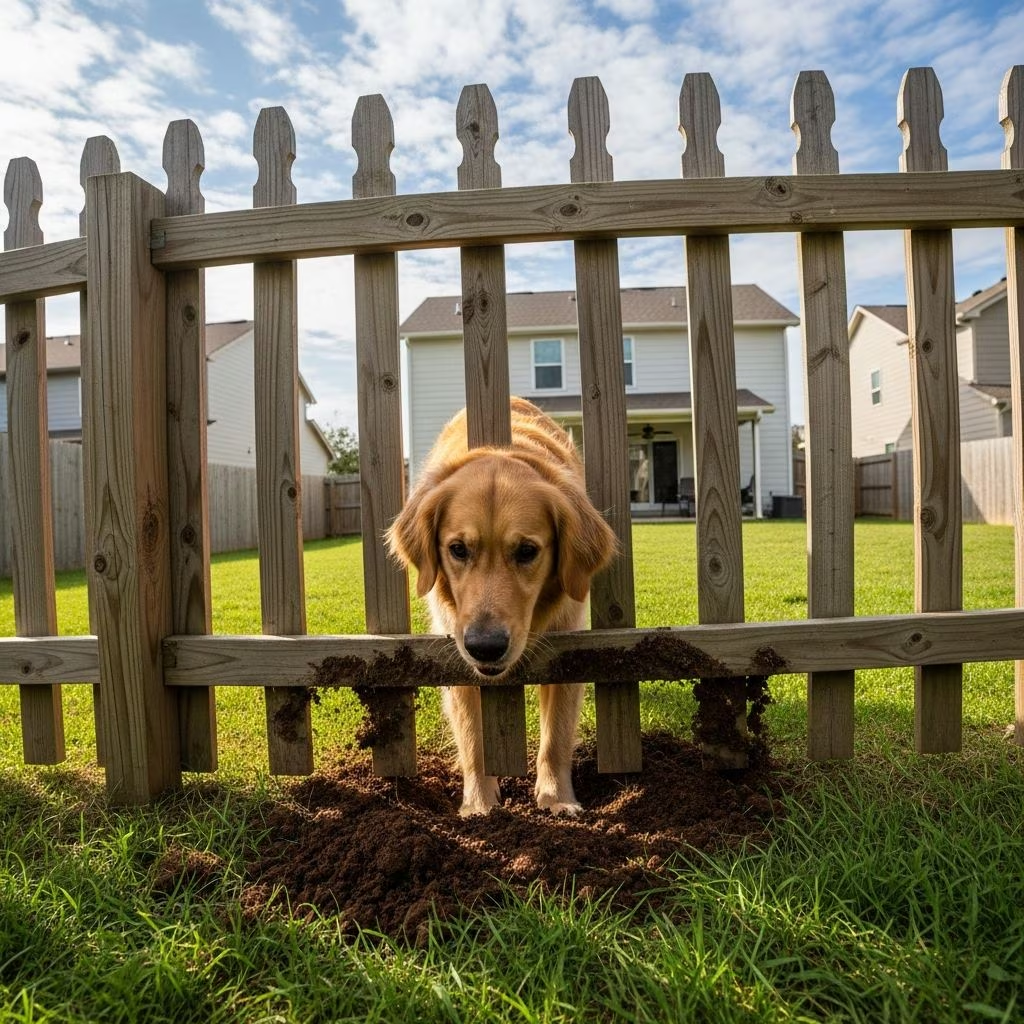
Dogs possess remarkable athleticism and curiosity, often leading them to test the limits of backyard boundaries. Escapes can result in dangerous situations on roads or encounters with wildlife, making fence security a top priority for pet owners. This guide explores the primary escape methods—jumping, digging, and slipping through—and provides practical, reliable solutions drawn from expert recommendations to create a secure environment.
Understanding Why Dogs Attempt to Escape
Before implementing fixes, recognize the motivations behind escapes. High energy levels prompt many dogs to seek stimulation beyond the yard, while boredom or lack of exercise fuels boundary-testing behaviors. Fear from loud noises like thunderstorms or fireworks can drive sudden bolts. Reproductive instincts in unneutered dogs often lead to fence-jumping toward mates or interesting scents. Separation anxiety manifests as frantic digging or climbing when owners leave. Addressing root causes, such as increasing daily walks or mental enrichment toys, reduces escape attempts significantly.
Common Escape Techniques and Targeted Solutions
Dogs employ specific strategies to breach fences, each requiring tailored countermeasures. Identifying your dog’s method allows for precise interventions that save time and resources.
Countering Jumpers and Climbers
Athletic breeds like Border Collies or Greyhounds excel at leaping 5-6 feet high, using nearby objects as launch pads.Key prevention steps include:
- Remove aids like doghouses, trees, or furniture within 2 feet of the fence to eliminate stepping stones.
- Extend fence height with lightweight wire mesh or extensions; unstable materials deter jumps as dogs sense instability.
- Install coyote rollers or similar top-mounted cylinders that spin, preventing grip for climbing over.
- For corner climbers, add overhead netting or cat-proof fencing arches spanning vulnerable angles.
These modifications prove effective for high-energy jumpers, transforming accessible fences into formidable barriers.
Stopping Diggers in Their Tracks
Determined diggers target fence bases, creating tunnels in minutes. Breeds like Terriers thrive on this activity.Proven deterrents encompass:
- Bury wire mesh 18-24 inches deep along the entire perimeter or lay it flat outward 12-24 inches, secured with stakes.
- Install L-shaped barriers using heavy-duty welded wire, with the horizontal arm pinned to the ground.
- Place bricks, paving stones, or railroad ties flush against the fence base to block access without excavation.
- Fit kicker boards—2×8 wood planks—to seal ground gaps caused by rot in wooden fences.
Full-perimeter application is essential, as dogs quickly exploit weak spots.
Securing Gaps for Small or Agile Escapers
Small dogs squeeze through picket gaps or under loose boards, while larger ones exploit similar vulnerabilities.Effective gap-proofing options:
- Attach chicken wire or lattice panels vertically to cover openings, combining with horizontal extensions for dual protection.
- Use concrete footings or stone-filled trenches at the base for permanent dig-proofing that also blocks slimmer passages.
- Deploy specialized kits like dig-proof systems with welded mesh for sturdy, customizable coverage.
Regular inspections reveal emerging issues, ensuring ongoing security.
Physical Modifications: Building an Impenetrable Yard
Beyond method-specific fixes, comprehensive yard upgrades enhance containment. Inspect fences monthly for loose boards, leaning posts, or height deficiencies—many dogs clear 6-8 foot barriers with momentum.
| Escape Method | Budget Solution | Premium Solution | Cost Estimate |
|---|---|---|---|
| Jumping/Climbing | Wire extensions + roller | Coyote Roller full perimeter | $50-300 |
| Digging | Chicken wire apron | Buried concrete footer | $20-500 |
| Squeezing | Lattice panels | Welded mesh kit | $30-200 |
Lock gates with padlocks to prevent accidental openings or latch manipulation by clever dogs. Privacy screens—fabric mesh or solid panels—reduce visual triggers that incite vaulting. For ultimate security, integrate airlock systems: x-pens or baby gates at yard entrances create double barriers, thwarting door-darting indoors too.
Training Strategies to Reinforce Boundaries
Physical barriers alone fall short without behavioral conditioning. Positive reinforcement builds respect for limits.
- Boundary Training: Walk the perimeter on a long leash, rewarding stays inside with high-value treats and praise. Gradually increase distance and distractions.
- Recall Commands: Practice “come” reliably in controlled settings, using toys or food lures to associate obedience with joy.
- Desensitization: For fear-motivated escapes, expose dogs to triggers at low intensity while rewarding calm behavior.
- Mental Enrichment: Puzzle toys, scent games, and agility setups inside the yard channel energy productively.
Consistency across family members amplifies results; combine with 30-60 minutes daily exercise to curb restlessness.
Technology and Monitoring Aids
Modern tools complement traditional methods. GPS trackers like those from PetLink alert owners to breaches instantly, enabling quick retrievals. Virtual fences with collar vibrations train boundaries non-invasively, though they suit supervised use best. Motion-activated sprinklers deter approaches humanely, startling dogs back without harm.
FAQs
What if my dog is a super jumper?
Increase height to 6+ feet, add rollers, and remove launch aids. Breeds like Australian Kelpies demand these for containment.
Is chicken wire enough for diggers?
It works short-term; upgrade to buried L-barriers for persistent excavators.
How do I train a fence-fighter?
Use positive reinforcement for calm perimeter behavior, blocking sightlines with privacy material.
Can small dogs really escape tall fences?
Yes, via digging or gaps—focus on base proofing and infills.
What’s the cheapest full-yard fix?
Chicken wire aprons and gate locks, under $100 for small yards.
Long-Term Maintenance and Safety
Secure yards demand vigilance: monthly checks catch wear early. Supervise new adoptions during adjustment periods. Neutering/spaying curbs hormone-driven escapes. Enrich environments with shaded rest areas, water stations, and play zones to make the yard appealing. If escapes persist, consult certified trainers for breed-specific insights.
Implementing these strategies fosters a haven where dogs thrive safely, minimizing risks and strengthening bonds.
References
- How to Stop Dogs From Escaping — Best Friends Animal Society. 2023. https://bestfriends.org/pet-care-resources/how-stop-dogs-escaping
- Escape Prevention Tips: How to Help Prevent Your Dog from Getting Lost — East Bay SPCA. 2024-05. https://eastbayspca.org/wp-content/uploads/2024/05/Escape-Prevention-Tips_Canine.pdf
- Dog Keeps Running Away? Our Top Tips to Prevent an Escape — PetLink. 2023. https://www.petlink.net/blog/top-tips-to-prevent-dog-from-escaping/
- 3 Ways to Keep a Small Dog from Going Through Your Fence — Dog Proofer. 2023. https://www.dogproofer.com/blogs/resources/3-ways-to-keep-a-small-dog-from-going-through-your-fence
- Train Your Dog to Stop Fence Escapes — Dog Day Getaway. 2023. https://dogdaygetaway.com/train-your-dog-to-stop-fence-escapes/



