

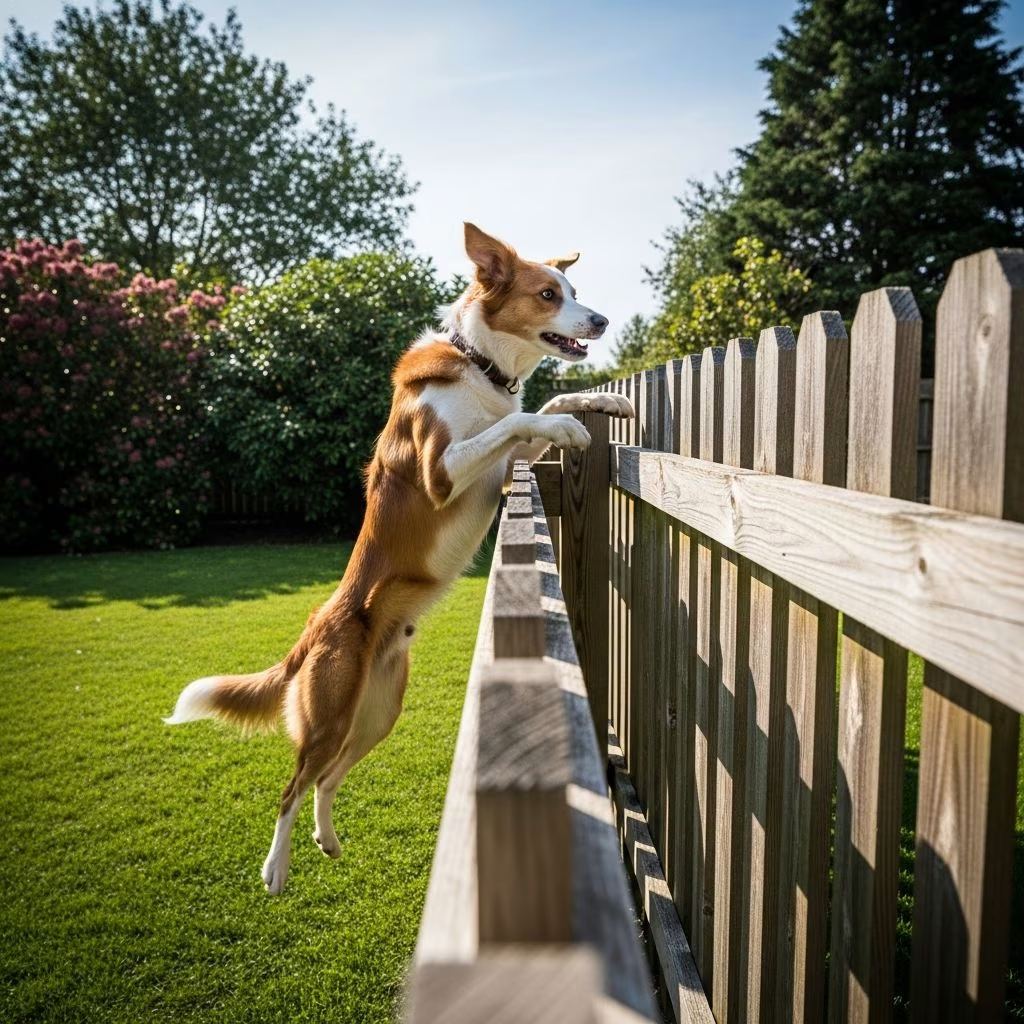
Dogs escaping fences pose significant safety risks, from traffic accidents to encounters with wildlife. Understanding escape tactics and implementing targeted solutions can transform your yard into a secure haven. This guide explores motivations behind escapes, identifies common methods, and provides practical prevention strategies backed by reliable pet care resources.
Understanding Why Dogs Attempt to Escape
Dogs don’t escape fences out of malice; instinctual drives often fuel their behavior. High prey drive prompts chasing after squirrels or neighborhood cats, while boredom leads to exploratory adventures. Fearful dogs may flee during thunderstorms, and unspayed or unneutered pets seek mates. Hormonal urges in intact dogs amplify wandering tendencies, making containment crucial.
Assess your dog’s breed traits: herding breeds like Border Collies excel at jumping, hounds follow scents obsessively, and terriers dig relentlessly. Environmental triggers, such as children playing nearby or delivery trucks, heighten excitement. Observing patterns—time of day, weather, or specific stimuli—helps pinpoint root causes before reinforcing physical barriers.
Common Escape Techniques and Targeted Fixes
Dogs master various escape methods, each requiring specific countermeasures. Categorizing by technique allows efficient yard-proofing without unnecessary overhauls.
Countering Digging Under Fences
Digging ranks among the top escape routes, especially for breeds like Jack Russell Terriers. Dogs start at fence bases, corners, or gates, exploiting soil softness after rain.
- Bury L-shaped Barriers: Dig a trench 12-24 inches deep along the fence perimeter. Install wire mesh or chicken wire in an L-shape: vertical against the fence, horizontal extending 12-18 inches into the yard. Stake securely and backfill. This deflects digging paws inward.
- Concrete or Brick Footings: Pour concrete curbs or stack bricks/paving stones along the base, protruding slightly above ground. These durable options withstand determined diggers.
- Kicker Boards: Attach 2×8-inch wooden boards at fence bottoms to seal gaps from rot, blocking initial digging access.
For quick fixes, lay railroad ties or heavy stones against the fence interior. These methods demand full perimeter coverage to prevent exploiting weak spots.
Stopping Jumps and Climbs Over Fences
Athletic breeds like Greyhounds or Australian Shepherds leap 5-6 feet effortlessly, using nearby objects as launchpads. Standard 4-foot fences often fail against motivated jumpers.
- Increase Height Strategically: Add extensions using lightweight wire mesh or PVC panels. Dogs avoid unstable surfaces, deterring leaps.
- Coyote Rollers: Install rotating PVC rollers atop fences. Dogs can’t grip the spinning surface, preventing climbs. Effective for corners and straight runs.
- Lean-In Extensions: Attach 3-foot overhangs angled inward at 45 degrees, like eaves. Climbing dogs slide back into the yard.
- Remove Aids: Relocate doghouses, trees, or furniture from fence edges to eliminate boost points.
| Breed | Jump Height Capability | Recommended Fence Addition |
|---|---|---|
| German Shepherd | 5-6 feet | Coyote Roller + 2ft extension |
| Border Collie | 4-5 feet | Lean-in overhang |
| Labrador Retriever | 4 feet | Height extension + visual blockers |
Blocking Squeezes Through Gaps
Smaller dogs slip through picket fences or chain-link holes, while larger ones widen gaps by pawing.
- Lattice or Privacy Slats: Cover gaps with wooden lattice or vinyl slats. Sturdy materials resist chewing.
- Chicken Wire Vertically: Staple mesh up fences to fill voids, combining with horizontal anti-dig layers.
- Dog-Proof Kits: Pre-made welded wire systems secure to existing fences, preventing both squeezing and pulling.
Enhancing Overall Yard Security
Beyond method-specific fixes, holistic improvements ensure long-term containment.
- Secure Gates: Install padlocks or double latches. Dogs learn simple levers; reinforce with chains.
- Visual Barriers: Add privacy screens or solid panels to reduce external temptations, curbing excitement-driven escapes.
- Escape-Proof Zones: Create airlock systems with x-pens or baby gates near exits. Double-door setups prevent door-darting.
- Perimeter Patrols: Monthly inspections reveal loose boards, rust, or erosion. Repair promptly.
Training Methods to Reinforce Boundaries
Physical barriers complement training for comprehensive prevention. Positive reinforcement builds reliable recall and boundary respect.
- Boundary Training: Walk the fence line on-leash, rewarding stays inside with high-value treats. Gradually increase distance and distractions.
- Recall Practice: Call your dog from fence edges using a happy tone and rewards. Practice daily in low-stimulation settings, progressing to yard scenarios.
- Desensitization: Expose dogs to triggers (bikes, joggers) behind barriers, rewarding calm behavior to reduce arousal.
- Enrichment Alternatives: Provide puzzle toys, scent games, and exercise to combat boredom—the root of many escapes.
Professional trainers recommend sessions of 5-10 minutes multiple times daily. Consistency yields results within weeks.
Breed-Specific Considerations
Tailor solutions to breed predispositions for optimal success.
- High-Energy Herders (e.g., Australian Kelpie): Prioritize tall fences with rollers; emphasize mental stimulation.
- Sighthounds (e.g., Greyhound): Focus on speed-proof gates and solid visual blocks.
- Terriers: Emphasize deep anti-dig barriers; redirect digging to sandbox areas.
- Small Breeds (e.g., Chihuahua): Gap-proofing and low hurdles suffice, paired with lap training.
Advanced Tools and Technologies
Modern aids enhance traditional methods.
- GPS Trackers: Devices like AirBolt monitor escapes in real-time, aiding quick recovery.
- Invisible Fences: Electric collars train boundaries but require professional setup to avoid stress.
- Cat-Proof Systems: Adaptable rollers and meshes work for dogs too.
Combine tech with physical fixes; trackers don’t prevent escapes but mitigate risks.
Frequently Asked Questions (FAQs)
How high should a dog fence be?
Minimum 5-6 feet for most breeds; 8 feet for jumpers. Add extensions if replacing isn’t feasible.
Will chicken wire stop a determined digger?
It deters casual diggers but pair with stakes and backfill for strong escapers.
Can training alone prevent escapes?
No—combine with barriers. Training reinforces but doesn’t replace physical security.
What if my dog escapes despite fixes?
Consult a veterinary behaviorist for underlying issues like anxiety. Microchip and ID tags are essential.
Are coyote rollers dog-safe?
Yes, they allow leaning without harm, effectively blocking grips.
Maintenance for Lasting Security
Secure yards demand ongoing vigilance. Trim vegetation obscuring fence bases, test gates seasonally, and rotate enrichment to sustain interest. Supervise new fixes initially, praising compliance. Budget for annual inspections; early detection averts breaches.
Implementing these strategies reduces escape risks dramatically, ensuring your dog’s safety and peace of mind. Start with observation, prioritize high-impact fixes, and integrate training for a fortified home.
References
- How to Stop Dogs From Escaping — Best Friends Animal Society. 2023. https://bestfriends.org/pet-care-resources/how-stop-dogs-escaping
- 3 Ways to Keep a Small Dog from Going Through Your Fence — Dog Proofer. 2024. https://www.dogproofer.com/blogs/resources/3-ways-to-keep-a-small-dog-from-going-through-your-fence
- Dog Keeps Running Away? Our Top Tips to Prevent an Escape — PetLink. 2023. https://www.petlink.net/blog/top-tips-to-prevent-dog-from-escaping/
- Escape Prevention Tips: How to Help Prevent Your Dog from Getting Lost — East Bay SPCA. 2024-05. https://eastbayspca.org/wp-content/uploads/2024/05/Escape-Prevention-Tips_Canine.pdf
- How to Dog-Proof Your Home and Prevent Escapes — AirBolt. 2024. https://theairbolt.com/blogs/news/how-to-dog-proof-your-home-and-prevent-escapes



