

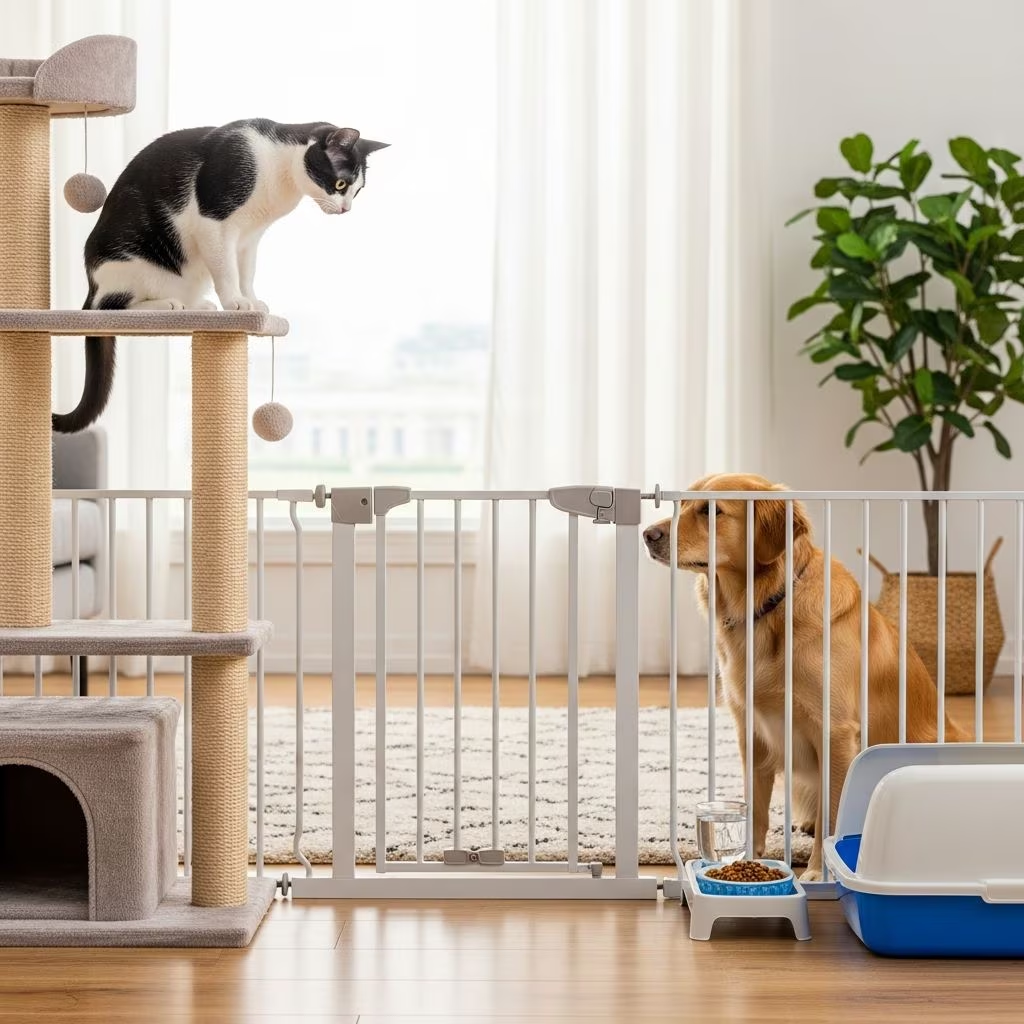
Households with both dogs and cats present unique challenges, particularly when it comes to managing the cat’s litter box. Many dog owners discover that their canine companions are attracted to the litter box, driven by natural instincts and curiosity. This behavior can be frustrating for pet parents and uncomfortable for their cats. Understanding the underlying motivations and implementing strategic solutions can help create harmonious living spaces where both species feel secure and comfortable.
Why Dogs Are Attracted to Cat Litter Boxes
Dogs investigate cat litter boxes for several reasons rooted in their natural behavior. The primary driver is their keen sense of smell, which allows them to detect materials that cats have used. Many dogs are also attracted to the protein-rich waste, which they perceive as a food source. Additionally, some dogs engage in this behavior out of simple curiosity and exploration, treating the litter box as an interactive play area. Understanding these motivations helps pet owners select appropriate interventions that address both the environmental and behavioral aspects of the problem.
Physical Containment Strategies
Creating physical barriers represents one of the most effective approaches to preventing dogs from accessing litter boxes. These methods work by limiting the dog’s ability to reach the box while maintaining feline access.
Covered and Enclosed Designs
Covered litter boxes feature a protective lid or hood that creates an immediate obstacle to most dogs. The entry point is typically sized appropriately for cats but presents difficulty for larger canines attempting to gain access. These boxes often include small doors or flaps that swing open when pressure is applied, allowing cats to enter easily while deterring dogs. The design also helps contain odors and reduces litter scatter throughout the home, providing additional benefits beyond dog deterrence.
Some cats may initially resist covered boxes due to the confined feeling during use. Selecting models with translucent components or removing the hood partially during an acclimation period can help cats adjust to the enclosed space.
Top-Entry Litter Boxes
These innovative designs require cats to climb onto the box and drop down through an opening in the lid, completely reversing the traditional entry method. This configuration proves particularly effective against small to medium-sized dogs, as the elevated entry point places waste out of their reach. However, tall or athletic dogs may still be able to access the box by standing on their hind legs or jumping. Additionally, senior cats or those with mobility issues may struggle with the climbing requirement, and larger cat breeds may find the interior space confining.
Elevated Placement Solutions
Positioning the litter box on furniture, shelves, or specially constructed platforms elevates it beyond many dogs’ reach. This straightforward approach requires minimal investment and can be implemented quickly. The elevated surface should include stable steps or ramps that allow cats comfortable access without feeling trapped. When choosing this method, ensure the platform is sturdy enough to support your cat’s weight and positioned securely against walls to prevent tipping. This approach works well for small dog breeds but may not deter larger, more athletic dogs.
Spatial Separation and Access Control
Rather than modifying the litter box itself, many pet owners opt to create designated cat-only spaces that dogs cannot access. These environmental solutions often prove highly effective because they physically isolate the litter box rather than relying on the box design alone.
Baby Gates with Pet Doors
Installing baby gates at doorways creates a barrier that prevents dogs from entering designated rooms while allowing cats to pass through. Standard baby gates can be raised slightly off the floor to create a gap beneath them, permitting cats to slip under while stopping dogs. Alternatively, pet doors can be installed into existing gates, creating a dedicated cat-sized opening. This method requires minimal modification to your home and offers complete separation when properly installed.
Adjustable Door Restraints
Purpose-built door straps and latches hold doors partially open to a width that accommodates cats but prevents dogs from squeezing through. These devices are particularly useful for sliding doors, bi-fold doors, and other non-traditional door types that make traditional baby gates impractical. Many models include safety features to prevent door closure on fingers or paws. Installation typically requires no permanent modifications to door frames, making this approach popular in rental properties.
Furniture Arrangement Strategies
Strategic furniture placement can create naturally limited passageways that cats can navigate but dogs cannot. Narrow gaps between furniture pieces, elevated platforms accessible only by jumping, and multi-level configurations force dogs to take alternative routes. This approach requires no additional purchases and allows for flexible adjustment as household needs change. However, it requires careful observation to ensure cats feel safe using the facilities while maintaining visual sightlines when possible.
Litter Box Enclosures and Cabinetry
Custom or commercial enclosures designed specifically to house litter boxes offer comprehensive solutions that combine aesthetics with functionality. These structures hide the litter box from view while allowing cat access through appropriately sized openings or dedicated cat doors. Commercial dog-proof enclosures integrate into home décor more seamlessly than temporary barriers and provide durable, long-term solutions. The trade-off involves higher initial investment and potential airflow restrictions that can affect odor management.
When selecting enclosures, ensure adequate ventilation to prevent ammonia buildup, which can be harmful to both cats and dogs. Larger openings and interior spacing accommodate more cats comfortably and reduce the likelihood of litter box avoidance. Some pet owners create custom solutions using repurposed furniture or storage units, offering cost-effective alternatives to commercial products.
Automatic and Self-Cleaning Solutions
Modern automatic litter boxes represent a technological approach to this challenge, offering benefits beyond simple dog deterrence. These self-cleaning systems use sensors to detect when cats have used the box, automatically removing waste into sealed compartments. By eliminating visible waste quickly, automatic systems reduce the primary attractant for dogs, making the litter box less appealing overall.
The effectiveness of automatic boxes varies depending on their specific design and entry method. Models featuring elevated entry points or enclosed designs combine the benefits of physical barriers with waste management automation. However, these premium solutions typically involve significant financial investment and may require troubleshooting and maintenance to ensure proper operation.
Location and Environmental Modifications
Beyond physical barriers and product choices, the location where you place the litter box significantly impacts dog access. Positioning litter boxes in less frequently visited areas of your home naturally limits dog exposure. Garages, patios, sunrooms, or laundry areas provide isolated spaces where dogs can be restricted while cats maintain access.
Creating designated cat zones combines litter box placement with access control mechanisms. These areas might include food dishes, water bowls, and enrichment items alongside the litter box, creating multifunctional cat spaces. Ensure these zones maintain adequate lighting, ventilation, and escape routes so cats feel secure rather than trapped.
Behavioral and Dietary Considerations
While physical solutions address the immediate problem, understanding what motivates your dog’s behavior enables additional interventions. Dogs attracted to litter boxes may have nutritional deficiencies, inadequate exercise levels, or insufficient mental stimulation. Ensuring your dog receives high-quality nutrition, regular exercise, and engaging activities can reduce problematic behaviors.
Regular litter box maintenance enhances the effectiveness of any chosen solution. Fresh litter and removed waste minimize odors that attract dogs, making the box less enticing even without physical barriers. Frequent cleaning also allows you to monitor your cat’s health and bathroom habits more closely.
Comparison Table: Popular Dog-Proof Solutions
| Solution Type | Effectiveness Against Large Dogs | Cat Comfort Level | Implementation Cost | Maintenance Requirements |
|---|---|---|---|---|
| Covered Litter Box | Moderate to High | Variable (some cats dislike enclosed spaces) | Low to Moderate | Regular scooping and cleaning |
| Top-Entry Design | High for Small-Medium Dogs | Variable (requires climbing ability) | Moderate | Regular scooping and cleaning |
| Elevated Placement | Low to Moderate | High (accessible, open design) | Low to Moderate | Regular scooping, platform maintenance |
| Baby Gate with Pet Door | Very High | High (maintains access and sightlines) | Low to Moderate | Gate inspection and cleaning |
| Automatic Self-Cleaning | High (reduces waste attractant) | Variable (depends on entry type) | High | Regular filter/cartridge replacement, troubleshooting |
| Commercial Enclosure | Very High | Moderate to High (with proper sizing) | High | Periodic cleaning and ventilation checks |
Frequently Asked Questions
Which solution works best for large breed dogs?
Commercial enclosures, top-entry boxes, baby gates with pet doors, or adjustable door restraints typically provide the most reliable protection against large breed dogs. Physical separation methods prove more effective than box design modifications alone, as larger dogs may access even elevated or covered boxes.
Can covered litter boxes harm cats?
Covered boxes themselves don’t harm cats, but some felines resist confined spaces during bathroom use, experiencing stress or anxiety. Ensure adequate ventilation, consider models with larger dimensions and transparent components, and observe your cat’s adjustment period carefully. If your cat avoids the covered box, consider alternative solutions.
What if my cat struggles with elevated boxes?
Senior cats, obese cats, or those with joint problems may struggle with jumping and climbing. For these cats, baby gates, door restraints, or custom enclosures that maintain ground-level access while preventing dog entry prove more suitable than elevated solutions.
How often should I clean the litter box when using dog-proofing methods?
Maintain daily cleaning schedules regardless of which dog-proofing method you choose. Frequent scooping minimizes odors and waste that attract dogs, making any physical barrier more effective. Automatic boxes may allow slightly longer intervals, but regular monitoring ensures proper function.
Are automatic litter boxes worth the investment?
Automatic boxes offer convenience and reduced odors but involve significant upfront cost and potential maintenance issues. They work best when combined with physical access restrictions, making them ideal for households willing to invest in premium solutions that provide multiple benefits.
Implementation Recommendations
Selecting the appropriate solution depends on several factors specific to your household. Consider your dog’s size, climbing ability, and persistence level. Evaluate your cat’s age, mobility, and comfort preferences. Assess your home’s layout and your willingness to make permanent modifications. Many successful households employ multiple solutions simultaneously, combining physical barriers with behavioral management and strategic placement.
Start by observing your dog’s specific approach to the litter box. Does the dog jump onto furniture? Squeeze into tight spaces? Simply stand and eat waste? Understanding the specific access method your dog uses helps you select targeted solutions. Experiment with different approaches if your initial choice proves ineffective, as individual pets respond differently to various interventions.
Patience and consistency are essential when implementing new systems. Cats may require acclimation periods to accept modified litter boxes or new locations. Dogs may initially persist in attempting to access restricted areas before learning new boundaries. Most households see improvement within two to four weeks of consistent implementation.
References
- Best Dog-Proof Litter Box Options (2026 Guide) — Neakasa. 2026. https://neakasa.com/blogs/all/dog-proof-litter-box
- 5 Dog-Proof Litter Box Options for Busy Pawrents — Door Buddy. 2025. https://www.thedoorbuddy.com/blogs/door-buddy/5-dog-proof-litter-box-options-for-busy-pawrents
- The 8 Best Dog-Proof Cat Litter Boxes — Cats.com. 2025. https://cats.com/best-dog-proof-cat-litter-boxes
- 8 Tips to Keep Your Dog Out of the Cat’s Litter Box — Preventive Vet. 2025. https://www.preventivevet.com/pets/my-dog-is-eating-cat-poop
- How to Keep the Dog Out of the Litter Box — JustFoodforDogs Blog. 2024. https://blog.justfoodfordogs.com/how-to-keep-the-dog-out-of-the-litter-box.html



