

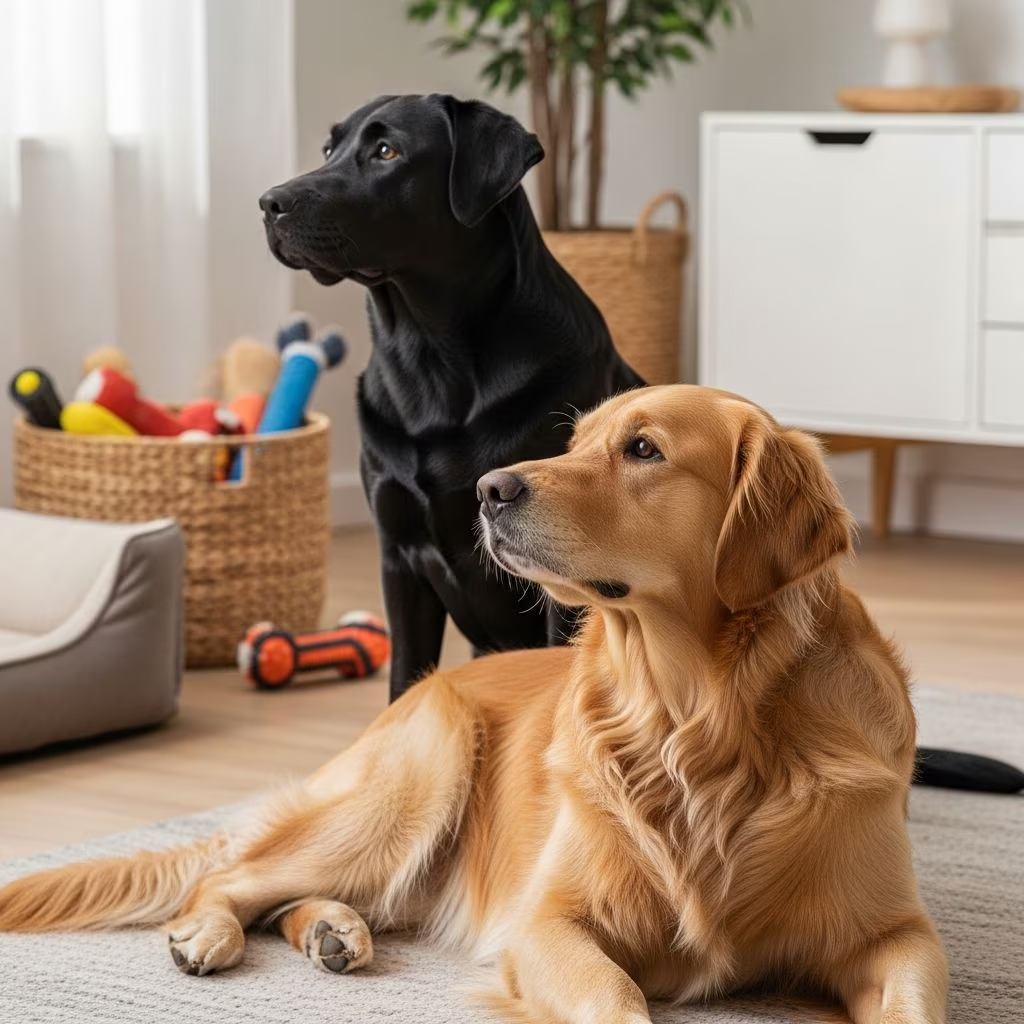
Conflicts between dogs sharing the same living space can disrupt household harmony and pose safety risks. Understanding the root causes—such as competition for resources, stress, or underlying health issues—allows owners to implement targeted strategies for prevention and resolution. This guide outlines comprehensive approaches drawn from veterinary and behavioral best practices to foster peaceful coexistence.
Recognizing the Roots of Canine Conflicts
Dog fights often stem from resource guarding, where high-value items like food, toys, or attention spark tension. Other triggers include excitement in tight spaces, hormonal influences, or pain from medical conditions. Body language cues such as stiff postures, growling, or resource fixation signal impending issues, enabling early intervention.
- Resource Competition: Meals, treats, bones, or chews frequently ignite disputes, especially if one dog perceives scarcity.
- Territorial Stress: Doorways, furniture, or owner proximity can heighten arousal leading to clashes.
- Health Factors: Sudden aggression may indicate pain or illness, warranting a veterinary evaluation.
- Social Dynamics: Unresolved hierarchies or poor introductions exacerbate ongoing rivalries.
Observing patterns helps pinpoint triggers, forming the basis for tailored management plans.
Immediate Safety Measures for Separation
Prioritize safety by physically isolating dogs during unsupervised periods or high-risk scenarios. This foundational step prevents escalation while allowing time for behavioral assessment.
| Method | Benefits | Best Use Cases |
|---|---|---|
| Crates or Kennels | Secure confinement; promotes calm | Meals, bedtime, absences |
| Baby Gates | Visual separation without isolation | Daily room divides |
| Leashes/Drag Lines | Quick control indoors | Potty breaks, greetings |
| Separate Rooms | Full auditory/visual barrier | Treat time, visitors |
Implement a protocol: Confine the more reactive dog to less desirable spaces initially, ensuring all have access to water and comfort. Sturdy collars provide handles for safe intervention if needed.
Managing Resources to Eliminate Triggers
Abundance and separation neutralize competition. Feed in crates or distant areas, removing bowls post-meal to curb scavenging. High-value items like rawhides or toys should be enjoyed solo, stored out of sight otherwise.
Key Resource Rules
- Multiple beds, bowls, and toys per dog, rotated individually.
- No group treats; dispense after individual commands like “sit.”
- Equal attention distribution, rewarding calm waiting.
- Supervise play; end sessions before fatigue sets in.
These practices reduce jealousy and reinforce positive associations with separation.
Training Protocols for Calm Coexistence
Basic obedience forms the cornerstone: Commands like “sit,” “stay,” and “leave it” enable redirection. Positive reinforcement—treats for relaxed behavior—builds respect for owner authority.
- Desensitization: Gradually expose dogs to triggers at low intensity, rewarding non-reactivity.
- Counter-Conditioning: Pair rival presence with rewards to shift emotional responses.
- Impulse Control: Practice “wait” at doors/meals to curb excitement.
- Parallel Walks: Leashed outings side-by-side, increasing proximity over time.
Consistency across household members prevents mixed signals.
Health and Wellness Interventions
Aggression spikes can signal medical issues; schedule vet exams for bloodwork, pain assessments, and spay/neuter status. Hormonal alterations from sterilization often temper reactivity, though not a standalone fix.
- Exercise daily: 30-60 minutes of walks or play burns energy, reducing frustration.
- Enrichment: Puzzle toys and scent games channel instincts constructively.
- Mental Stimulation: Training sessions tire minds as effectively as bodies.
Socialization from puppyhood—or retraining for adults—bolsters resilience to stressors.
Handling Active Conflicts
Never physically intervene bare-handed; risks severe bites. Instead:
- Loud distractions: Claps, “hey!” yells, or water sprays.
- Barriers: Umbrellas, cookie sheets, or leashes to separate.
- Post-incident: Isolate, calm, then reassess triggers.
Muzzles train safely for reactive dogs, preventing injury during management.
Introduction Strategies for New Dogs
Neutral territory meetings—leashed walks in parks—establish bonds pre-home arrival. Initial days: Separate explorations, supervised parallels, gradual merges. Monitor for dominance plays, intervening early.
When to Seek Professional Help
If fights persist despite management, consult certified trainers or behaviorists. Signs include frequent intensity, injury, or resource-independent aggression. Force-free methods yield best long-term results.
FAQs
Why do my dogs suddenly fight after years of peace?
Often pain, age-related changes, or environmental shifts; vet check first.
Can spaying/neutering fully stop fights?
It reduces but doesn’t eliminate; combine with training.
Is rehoming ever necessary?
Rarely, if safety can’t be ensured despite exhaustive efforts.
How long until improvement?
Weeks to months with consistency; track progress daily.
What if one dog bullies the other?
Leash management, separate resources, reinforce calm victim behavior.
Long-term success hinges on vigilance, patience, and adaptation. Multi-dog homes thrive with proactive ownership.
References
- Aggression Between Dogs in the Same Household — ThatMutt.com. 2021-10-18. https://www.thatmutt.com/aggression-between-dogs-in-the-same-household/
- How to Stop Dogs from Fighting in the Same Household — Spark Paws. N/A. https://www.sparkpaws.com/blogs/community/how-to-stop-dogs-from-fighting-in-the-same-household
- Stopping and Avoiding a Dog Fight — Washington PA Shelter. 2015-04. https://washingtonpashelter.org/wp-content/uploads/2015/04/Stopping-and-Avoiding-a-Dog-Fight.pdf
- Protocol For Dogs With Inter-dog Aggression — Pablo River Veterinary. N/A. https://www.pablorivervet.com/protocol-for-dogs-with-inter-dog-aggression
- How to Stop Your Dogs from Fighting — Holiday Barn Pet Resorts. N/A. https://holidaybarn.com/blog/a-home-divided/
- Fixing Aggression Between Dogs Living in the Same Home — YouTube (Trainer Video). N/A. https://www.youtube.com/watch?v=8pvyou4kUtk



