
Preventing Dog Fights: Expert Strategies
Discover proven methods to stop dog fights, from training techniques to safety measures for harmonious multi-dog homes.
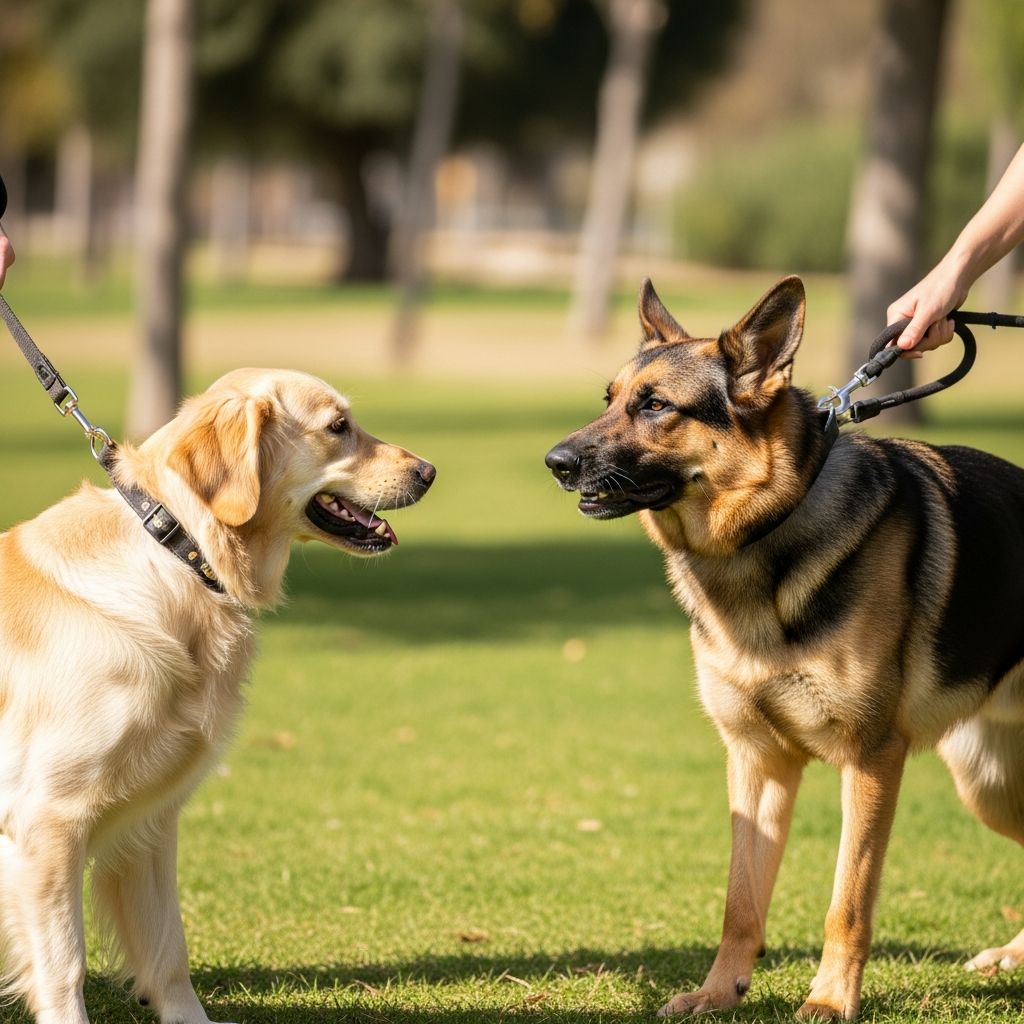
Inter-dog aggression poses a serious challenge for many pet owners, particularly in households with multiple canines or near neighbors with dogs. Understanding the triggers and implementing proactive measures can significantly reduce the risk of conflicts, promoting safer environments for all involved. This guide explores comprehensive approaches grounded in behavioral science and practical experience.
Recognizing Early Warning Signs of Tension
Preventing fights begins with keen observation of subtle cues that precede escalation. Dogs rarely attack without prior signals, allowing vigilant owners to intervene early.
- Stiff posture and frozen movements: A dog may halt abruptly, with muscles tensed and tail held rigidly high or low, indicating discomfort.
- Intense staring: Prolonged eye contact without blinking signals a challenge or fear response.
- Resource guarding behaviors: Growling, snapping, or body-blocking around food, toys, or space.
- Dominance displays: Mounting, chin-over-back posturing, or raised hackles.
Monitoring play sessions closely helps distinguish normal roughhousing from brewing hostility. If one dog repeatedly yields or shows stress, separate them promptly to de-escalate.
Core Causes Behind Canine Conflicts
Dog fights often stem from predictable factors, addressing which forms the foundation of prevention.
| Cause | Description | Prevention Focus |
|---|---|---|
| Fear or Anxiety | Dogs lash out when cornered or overwhelmed by unfamiliar stimuli. | Slow socialization and desensitization training. |
| Resource Competition | High-value items like bones or attention spark guarding instincts. | Separate feeding and toy access. |
| Territorial Disputes | Fence lines or home boundaries trigger protective aggression. | Visual barriers and neighbor coordination. |
| Pain or Health Issues | Underlying medical conditions lower tolerance thresholds. | Veterinary check-ups. |
| Lack of Training | Poor impulse control leads to unchecked reactions. | Obedience and recall drills. |
Identifying the root cause through professional assessment ensures targeted interventions rather than generic fixes.
Building a Strong Foundation with Obedience Training
Consistent training establishes owner authority and canine self-control, key to averting fights.
- Basic Commands: Teach “sit,” “stay,” and “leave it” using positive reinforcement like treats and praise. Practice in low-distraction settings, gradually increasing challenges.
- Recall Mastery: A rock-solid “come” command allows instant redirection, even amid provocations. Use long leashes for safe practice.
- Clicker Training: Pair a clicker sound with rewards to mark desired behaviors swiftly, accelerating learning for impulse control.
Daily sessions of 10-15 minutes yield reliable responses, empowering owners to manage high-risk scenarios effectively.
Environmental Management for Peaceful Coexistence
Modifying the living space minimizes triggers without relying solely on behavior change.
- Separate Resources: Feed meals in crates or isolated rooms; rotate toys to prevent hoarding.
- Supervised Interactions: Never leave dogs unsupervised together; use baby gates or leashes indoors.
- Fence Modifications: Install solid panels, privacy slats, or coyote rollers to block sightlines and climbing.
- Exercise Regimens: Daily walks, runs, or puzzle toys burn energy, reducing frustration-fueled aggression.
These adjustments create low-stress zones, allowing dogs to relax without constant vigilance.
Safe Intervention Techniques During Altercations
When prevention fails, knowing how to break up fights safely protects everyone involved. Avoid hands-on separation to prevent bites.
- Distraction First: Clap loudly, stomp, or use an air horn/whistle to startle participants.
- Water or Barriers: Hose sprays, citronella bursts, or inserting a lid/pan between dogs interrupt focus.
- Wheelbarrow Method: With help, lift each dog by hind legs from behind, walking backward to separate (use extreme caution).
Post-incident, isolate dogs for cooldown and assess injuries. Never punish, as it heightens future anxiety.
Fostering Positive Introductions and Socialization
Proper greetings set the tone for future harmony, especially with new dogs or neighbors.
- Conduct initial meetings on neutral ground with leashes, allowing parallel walks before direct contact.
- Sniff through barriers first, watching for relaxed body language.
- Socialize puppies early through controlled group classes to build confidence.
Gradual exposure prevents overwhelming scenarios that breed lasting rivalries.
Health and Neutering’s Role in Aggression Reduction
Medical factors influence behavior profoundly. Schedule annual vet exams to rule out pain from arthritis, thyroid issues, or injuries. Neutering before one year old curbs hormone-driven dominance in many cases. Ample mental stimulation via scent games or agility prevents boredom-aggression.
Professional Help: When to Call Experts
Persistent issues demand certified trainers or veterinary behaviorists. Look for CPDT or IAABC credentials. They design custom protocols, possibly including medication for severe anxiety. Early intervention resolves 80-90% of cases without rehoming.
Multi-Dog Household Routines for Long-Term Success
Daily structure reinforces calm dynamics:
- Morning solo walks to expend energy individually.
- Separate nap areas to respect personal space.
- Joint training sessions for positive associations.
- Neighbor collaborations for fence-line peace.
Consistency across family members prevents mixed signals.
FAQs
What if my dogs fight over food?
Feed in separate rooms or crates, hand-feeding kibble during training to associate humans with positivity.
Can dog fights cause lasting trauma?
Yes, untreated incidents build fear cycles. Separate and retrain gradually with counter-conditioning.
Is muzzle training helpful?
For high-risk dogs during management phases, yes—pair with positive experiences to reduce stress.
How long does prevention take?
Weeks to months with daily practice; patience yields permanent changes.
Should I rehome one dog?
Only as a last resort after exhausting professional management options.
References
- Methods to Reduce Dogs Fence Fighting — Freak on a Leash Dog Training. 2023. https://freakonaleashdogtraining.com/methods-to-reduce-dogs-fence-fighting/
- Handling Dog Fights: Prevention and Management — Gingr. 2024. https://www.gingrapp.com/blog/handling-dog-fights-prevention-and-management
- Stopping and Avoiding a Dog Fight — Washington PA Shelter. 2015-04-01. https://washingtonpashelter.org/wp-content/uploads/2015/04/Stopping-and-Avoiding-a-Dog-Fight.pdf
- Dog Fights: How to Prevent Them, and How to Stop Them — PRC KC. 2023. https://prckc.org/blog/dog-fights-how-to-prevent-them-and-how-to-stop-them-when-they-happen/
- How to Prevent and Break Up Dog Fights — YouTube (K9 University). 2022. https://www.youtube.com/watch?v=bx3RCdI_oH4
Similar Articles








Read full bio of Sneha Tete




