

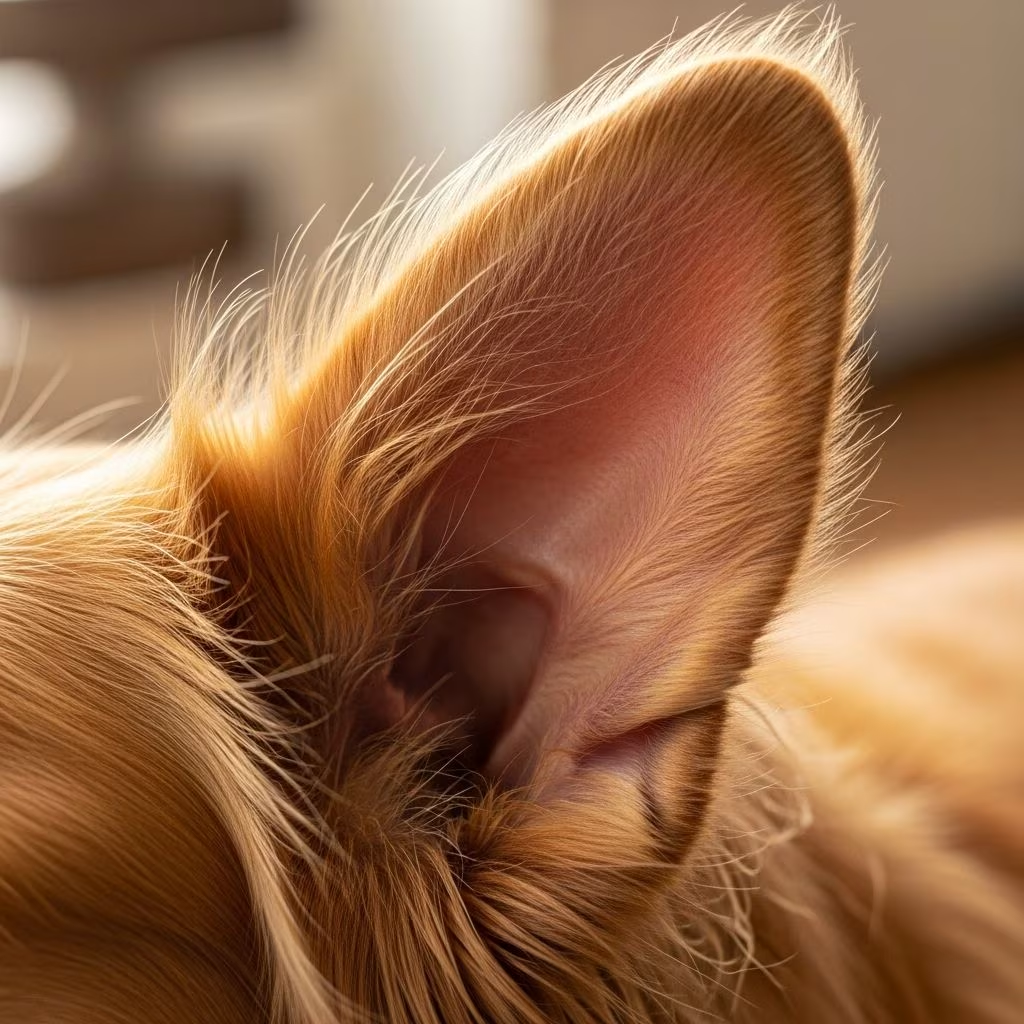
Dog ear infections, medically termed otitis externa, affect millions of pets annually and can lead to discomfort if not managed properly. Understanding the triggers, recognizing early signs, and implementing targeted prevention keeps ears healthy and avoids costly vet visits.
Understanding the Anatomy of Canine Ears
Dogs possess an L-shaped ear canal, unlike the straighter human version, which traps moisture and debris more easily. This design promotes bacterial and yeast growth in warm, humid conditions. Breeds with droopy ears or narrow canals, such as Spaniels and Hounds, face heightened risks due to poor ventilation.
Primary Causes Behind Ear Infections in Dogs
Multiple factors contribute to ear issues. Moisture accumulation from swimming or baths fosters microbial overgrowth. Allergies, both food-related and environmental, inflame ear skin in up to 50% of allergic dogs. Parasites like mites, foreign objects such as grass awns, hormonal imbalances, and anatomical predispositions exacerbate vulnerability.
- Bacterial Overgrowth: Pathogens like Pseudomonas and Staphylococcus proliferate in damp environments.
- Yeast Infections: Common in chronic cases, thriving on irritated skin.
- Ear Mites: Prevalent in young or outdoor dogs, causing intense itching.
- Allergenic Triggers: Pollen, dust, or proteins in food lead to persistent inflammation.
Recognizing Symptoms Early
Early detection prevents progression to middle or inner ear involvement. Watch for head shaking, pawing at ears, foul odors, discharge, redness, or swelling. In advanced stages, balance issues or pain on touch signal urgency. Puppies may show mite-related dark, crumbly debris.
| Symptom | Possible Cause | Action Needed |
|---|---|---|
| Head tilting/shaking | Discomfort from infection | Inspect and clean gently |
| Dark, waxy discharge | Yeast or mites | Vet exam for cytology |
| Foul smell | Bacterial buildup | Immediate professional cleaning |
| Hearing loss signs | Inner ear spread | Emergency vet visit |
Diagnosis: What Vets Do
Veterinarians perform otoscopic exams to visualize the canal, take swabs for cytology identifying bacteria, yeast, or mites, and may culture samples for resistant infections. Imaging or allergy tests uncover root causes like hypothyroidism or food sensitivities.
Treatment Options for Active Infections
Treatment targets clearing infection while addressing origins. Vets clean ears professionally, then prescribe topical medications—antibiotics for bacteria, antifungals for yeast, or steroids for inflammation. Oral meds handle systemic issues. Rechecks ensure resolution, typically in 2-4 weeks.
- Topical Drops/Ointments: Multi-agent formulas combat mixed infections.
- Ear Flushing: Removes debris under sedation if severe.
- Surgery: Rare, for polyps, tumors, or chronic stenosis.
Avoid home remedies like vinegar or peroxide, as they irritate and worsen conditions.
Step-by-Step Home Cleaning Guide
Weekly cleaning suits prone dogs; consult vets for products like ceruminolytics or drying agents. Fill ear canal, massage base 30 seconds, let shake, then wipe outer ear with cotton pads—never probes deep.
- Select vet-approved cleaner (non-alcohol based).
- Warm solution to body temperature.
- Fill canal, massage, allow shaking.
- Wipe visible debris; dry thoroughly.
- Reward to build positive association.
Proactive Prevention Strategies
Prevention hinges on routine care. Dry ears post-water exposure using towels or low-heat dryers. Trim hair around canals for airflow, but avoid plucking unless advised. Monthly vet checks catch subclinical issues.
Nutrition’s Impact on Ear Health
Diets rich in omega-3s bolster skin barriers, reducing inflammation. Hypoallergenic or novel protein foods trial for allergies; probiotics curb yeast. Balanced nutrition supports immunity against pathogens.
Allergy Management Essentials
Allergies drive 80% of food-related cases. Elimination diets (8-12 weeks) pinpoint culprits. Testing identifies environmental triggers for immunotherapy. Antihistamines or apoquel control flares.
Breed-Specific Considerations
Floppy-eared breeds need vigilant drying and cleaning. Water dogs benefit from swim ear solutions. Short-faced breeds may require surgical widening for chronic cases.
Handling Recurring Infections
Chronic cases demand root-cause investigation—endocrinology panels, dermatology consults, or video otoscopy. Maintenance cleaners weekly, allergy shots, or diet changes yield long-term control. Track patterns via journals for vet insights.
FAQs on Dog Ear Infections
Can I clean my dog’s ears daily?
No, over-cleaning strips protective waxes. Weekly or bi-weekly suffices unless vet-directed otherwise.
Are ear infections contagious?
Generally no, but mites spread dog-to-dog. Isolate during treatment.
What if my dog resists cleaning?
Use high-value treats, two-person teams, or sedation for vets. Gradual desensitization works.
Do natural remedies help?
Limited evidence; coconut oil may soothe mildly but risks worsening yeast. Vet products superior.
How long until improvement?
Visible relief in 3-7 days with proper therapy; full resolution 2-4 weeks.
When to Seek Emergency Care
Rush to ER for facial swelling, neurological signs (circling, nystagmus), deep pain, or bloody discharge—these indicate rupture or inner ear spread.
Consistent vigilance transforms ear health from reactive to proactive, sparing pain and expense. Partner with your vet for tailored plans, ensuring joyful, itch-free years.
References
- Ear Infections in Dogs: How to Prevent and Treat Recurring Issues — Emerald Animal Hospital. 2023. https://emeraldanimal.com/ear-infections-in-dogs-how-to-prevent-and-treat-recurring-issues/
- Ear Infections in Dogs: Causes, Prevention & Treatment — Mountain View Veterinary Hospital. 2023. https://mtnviewvets.com/ear-infections-in-dogs-causes-prevention-treatment/
- Dog Ear Infection Treatments, Causes, Symptoms, and Prevention — Coyne Veterinary Center. 2023. https://coynevetcare.com/blog/dog-ear-infections-crown-point-in/
- Canine Ear Infections: The Complete Guide to Prevention, Treatment & Care — Westside Veterinary Hospital. 2023. https://wsvh.net/canine-ear-infections-the-complete-guide-to-prevention-treatment-care/
- Dog Ear Infections: Causes, Symptoms, and Prevention — ASPCA Pet Insurance. 2023. https://www.aspcapetinsurance.com/resources/dog-ear-infections-causes-symptoms-and-prevention/
- Dog Ear Infections – PetMD — PetMD. 2023. https://www.petmd.com/dog/conditions/dog-ear-infections
- Dog Ear Infections — American Kennel Club (AKC). 2023. https://www.akc.org/expert-advice/health/dog-ear-infections/



