

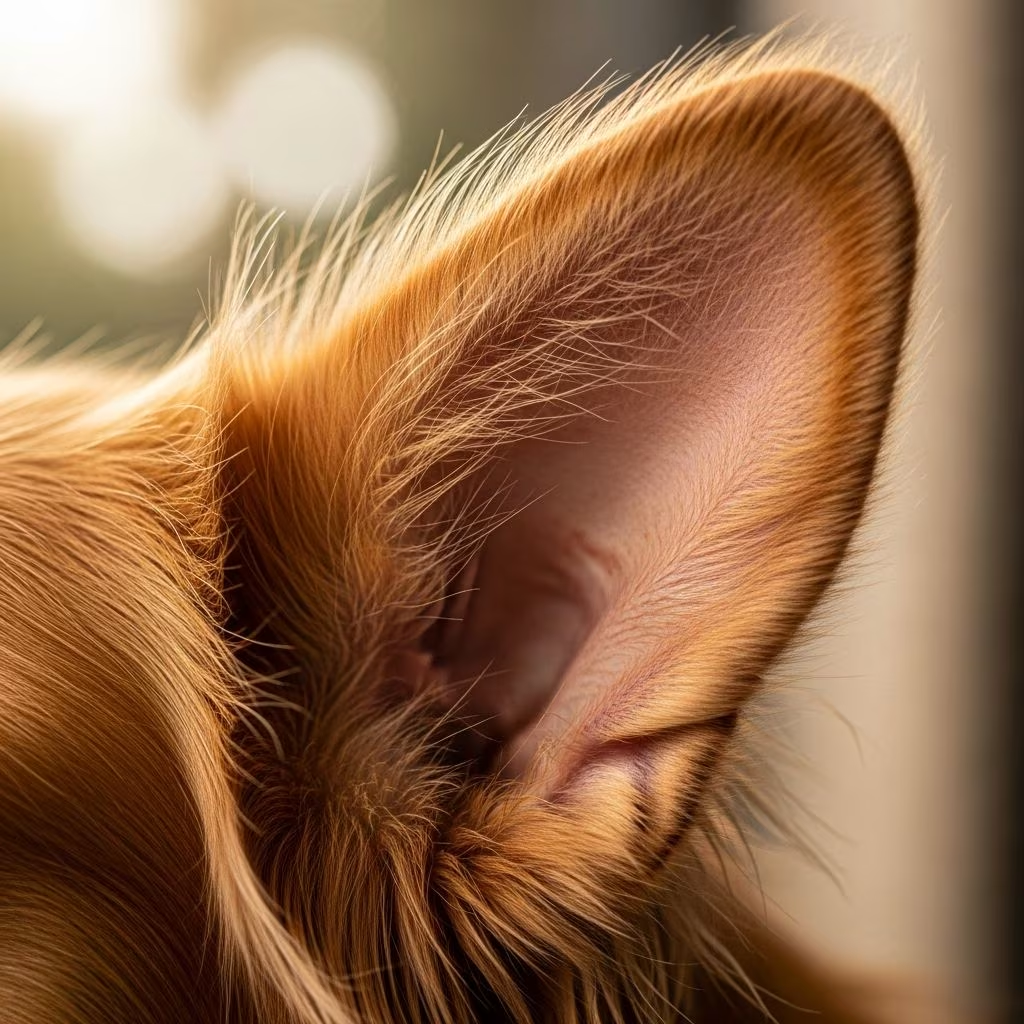
Ear infections represent one of the most frequent health challenges for dogs, particularly those with specific anatomical traits or environmental exposures. Known medically as otitis externa when affecting the outer ear canal, these conditions cause significant discomfort and can escalate if ignored. Early detection through observation of behavioral changes combined with proactive care routines forms the foundation of effective management. This guide explores the underlying mechanisms, visible indicators, professional interventions, and daily practices to safeguard canine ear health.
Recognizing the Warning Signs of Ear Troubles
Dogs cannot verbalize pain, so owners must rely on observable cues to identify potential issues. Common manifestations include vigorous head shaking, as if attempting to dislodge an irritant, and persistent scratching directed at the affected ear. These actions often stem from intense itching or pain within the canal. A foul odor emanating from the ear, reminiscent of yeast or bacteria, frequently accompanies visible discharge that may appear dark, waxy, or pus-like. Redness, swelling, and sensitivity upon touch further signal inflammation, while in advanced cases, crusting or scabs may form around the ear flap.
- Head shaking or tilting: Indicates irritation or imbalance from inner ear involvement.
- Excessive scratching: Leads to self-trauma and potential secondary complications like hematomas.
- Discharge and odor: Bacterial or yeast overgrowth produces distinctive smells and buildup.
- Visible inflammation: Red, swollen canals or flaps show active infection.
- Pain response: Whining or flinching when ears are handled.
Breeds with pendulous ears, such as Basset Hounds or Cocker Spaniels, exhibit these signs more prominently due to trapped moisture and reduced ventilation. Prompt recognition prevents progression to otitis media or interna, which can impair hearing or balance.
Unraveling the Root Causes Behind Canine Ear Issues
Ear infections rarely arise in isolation; they typically result from a combination of predisposing and perpetuating elements. Primary triggers include allergies, which compromise the ear’s protective barrier, allowing opportunistic microbes to thrive. Atopic dermatitis or food sensitivities affect up to 50-80% of allergic dogs, manifesting first in the ears. Moisture accumulation from swimming, bathing, or humid environments fosters yeast proliferation, especially in hairy or narrow canals.
Parasitic infestations like ear mites (*Otodectes cynotis*) irritate the canal, inviting bacterial invasion, while foreign debris such as grass awns introduces contaminants. Endocrine imbalances, including hypothyroidism, alter skin pH and gland activity, promoting chronic inflammation. Secondary factors, or perpetuators, include bacterial species like *Pseudomonas* or *Staphylococcus* and *Malassezia* yeast, which exploit inflamed tissues to sustain the cycle. Chronic cases lead to glandular hyperplasia and hyperkeratosis, narrowing the canal and worsening retention of debris.
| Primary Causes | Perpetuating Factors | Predisposed Breeds |
|---|---|---|
| Allergies (food, environmental) | Bacteria (*Staph*, *Pseudomonas*) | Cocker Spaniels |
| Ear mites | Yeast (*Malassezia*) | Basset Hounds |
| Moisture buildup | Canal narrowing | Bulldogs |
| Endocrine disorders | Wax overproduction | Hounds |
Understanding these distinctions guides targeted prevention, as addressing root causes curtails recurrence.
Professional Diagnosis: Steps Your Vet Will Take
Veterinarians employ a systematic approach to pinpoint the infection’s nature. Initial examination involves otoscopy to visualize the canal, assessing for erythema, edema, and discharge type. Cytology samples, stained and microscopied, reveal bacterial rods, cocci, or yeast hyphae, dictating therapy. Culture and sensitivity testing identifies resistant strains in stubborn cases. Video otoscopy or imaging checks for middle ear involvement or polyps. Allergy testing or dietary trials may uncover hypersensitivity. This comprehensive evaluation ensures therapy matches the pathology, avoiding ineffective treatments.
Treatment Strategies: From Cleansing to Medications
Resolution hinges on thorough canal cleansing to remove debris, followed by antimicrobial and anti-inflammatory agents. Vet-prescribed cleaners soften wax for flushing, preventing antibiotic entrapment. Topical drops combine antibiotics, antifungals, and steroids to combat infection, reduce swelling, and alleviate pain. Severe or systemic cases warrant oral antibiotics, antifungals, or glucocorticoids. Chronic stenosis may necessitate surgery like total ear canal ablation.
- Cleaning protocols: Use only vet-approved solutions; avoid home remedies like vinegar that irritate.
- Medicated otic suspensions: Applied daily for 7-14 days, with follow-up cytology.
- Systemic support: For deep infections or mites, combining topical and oral therapies.
- Pain management: NSAIDs improve compliance by easing discomfort.
Treatment success demands owner diligence; incomplete courses foster resistance.
Daily Prevention: Building a Routine for Ear Wellness
Proactive measures significantly lower incidence. Weekly inspections and gentle cleaning with hypoallergenic solutions maintain hygiene, especially post-water exposure—dry ears thoroughly with absorbent materials. Manage allergies via hypoallergenic diets, flea preventives, and environmental controls. Trim hair in canals of fluffy breeds to enhance airflow. Routine vet checkups catch subclinical issues early.
- Examine ears weekly for debris or odor.
- Dry ears after swims or baths using cotton balls (no Q-tips).
- Use vet-recommended cleaners sparingly.
- Address allergies with professional guidance.
- Monitor high-risk breeds closely.
For recurrent cases, consider underlying hypothyroidism screening or immunotherapy.
When to Seek Immediate Veterinary Care
Not all ear woes resolve at home. Rush to the vet if symptoms persist beyond 48 hours, discharge darkens, or neurological signs like ataxia emerge, signaling inner ear spread. Hematomas require drainage to prevent scarring. Unchecked infections risk permanent damage or sepsis.
FAQs on Dog Ear Infections
Are dog ear infections contagious?
Generally no; they stem from individual factors like allergies or anatomy, not direct transmission.
How often should I clean my dog’s ears?
Weekly for most, more frequently for swimmers or prone breeds, but only with vet-approved products.
Can I use human ear drops on my dog?
No; canine pH and flora differ, risking worsening.
What breeds are most susceptible?
Floppy-eared ones like Spaniels, Hounds, and Retrievers due to poor ventilation.
How long do treatments take?
Typically 2-4 weeks, with resolution in 7-10 days if addressed early.
Long-Term Management for Chronic Sufferers
Dogs with persistent otitis need ongoing strategies. Identify and mitigate primaries like allergies through elimination diets or dermatologist referral. Maintenance cleaners with antiseptics curb opportunists. Regular cytology monitors subclinical flares. In refractory scenarios, referral to specialists for advanced diagnostics like CT or ablation surgery proves invaluable. Consistent routines transform chronicity into manageability, enhancing quality of life.
References
- Ear Infections and Otitis Externa in Dogs — Merck Veterinary Manual. Accessed 2026. https://www.merckvetmanual.com/dog-owners/ear-disorders-of-dogs/ear-infections-and-otitis-externa-in-dogs
- Signs of Ear Infections in Dogs — PetNest Animal Hospital. 2024-08-02. https://petnestanimalhospital.com/2024/08/02/signs-of-ear-infections-in-dogs/
- Ear Infection in Dogs: Symptoms and Treatment — GoodRx. Accessed 2026. https://www.goodrx.com/pet-health/dog/how-to-tell-if-dog-has-ear-infection
- Dog Ear Infections: Symptoms, Causes, Treatment, and Prevention — American Kennel Club. Accessed 2026. https://www.akc.org/expert-advice/health/dog-ear-infections/
- Understanding Dog Ear Infections — Metro-Vet. Accessed 2026. https://metro-vet.com/understanding-dog-ear-infections/
- Canine otitis externa — Treatment and complications — PMC – NIH. 2018. https://pmc.ncbi.nlm.nih.gov/articles/PMC6294027/
- Common Causes & Treatment for Dog Ear Infections — Elanco. Accessed 2026. https://yourpetandyou.elanco.com/us/health-and-care/dog-ear-infections-causes-symptoms-treatment



