
Preventing Deadly Bloat in Dogs
Essential strategies to safeguard your dog from gastric dilatation-volvulus, a rapid and often fatal emergency condition.
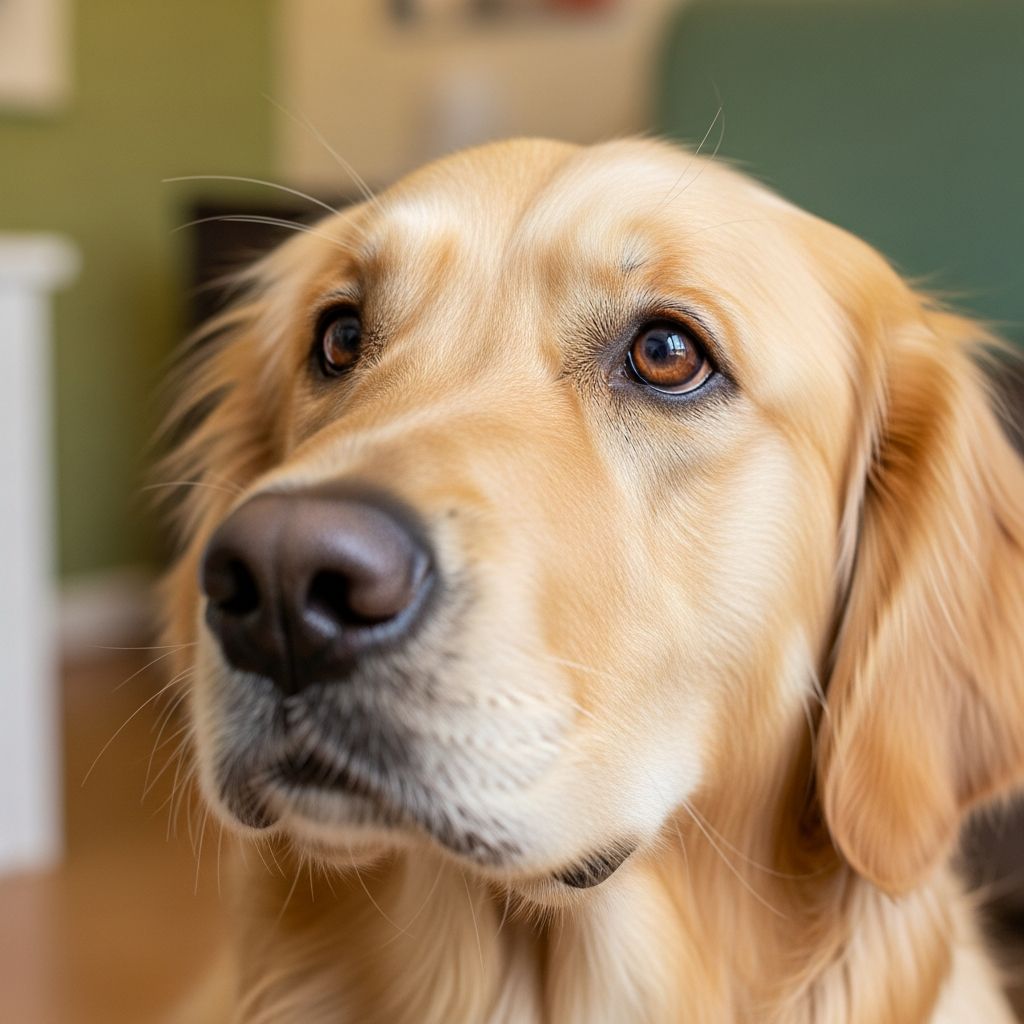
Gastric dilatation-volvulus (GDV), commonly known as bloat, represents one of the most urgent medical crises dogs can face, capable of turning fatal within hours without intervention. This condition involves the stomach filling with gas and twisting, cutting off blood flow and leading to shock. Early recognition and preventive actions can dramatically improve outcomes for affected pets.
Recognizing the Emergency: Core Symptoms of GDV
Spotting bloat early is critical, as the stomach’s expansion and rotation cause rapid deterioration. Dogs often display a distended abdomen that feels tight and drum-like upon gentle palpation. Restlessness and unsuccessful attempts to vomit are hallmark signs, frequently producing only white foam or saliva.
- Excessive drooling or salivation beyond normal levels.
- Pacing, whining, or inability to settle comfortably.
- Rapid, shallow breathing or panting.
- Gums that appear pale or brick-red instead of healthy pink.
- A hunched posture or reluctance to lie down on their side.
These indicators demand immediate veterinary attention, especially in the evening hours when symptoms commonly emerge after clinics close. Delays correlate directly with higher mortality rates, underscoring the need for 24/7 emergency access.
High-Risk Breeds and Genetic Factors
Certain deep-chested breeds face elevated GDV risks due to anatomical predispositions like a long, narrow abdomen that facilitates stomach movement. Large and giant breeds such as Great Danes, Saint Bernards, Weimaraners, and Irish Wolfhounds top the list, but standard poodles, boxers, and German shepherds also show increased vulnerability.
| Breed Category | Examples | Relative Risk Level |
|---|---|---|
| Giant Breeds | Great Dane, Mastiff | Very High |
| Large Deep-Chested | German Shepherd, Bloodhound | High |
| Medium Deep-Chested | Boxer, Standard Poodle | Moderate-High |
Age plays a role too, with older dogs over seven years more susceptible. Family history amplifies danger; if a close relative has suffered GDV, the risk multiplies. Owners of these breeds should prioritize vigilance and discuss tailored prevention with veterinarians.
Contributing Triggers: What Sets Off Bloat
While no single cause exists, multiple factors converge to initiate GDV. Swallowing large amounts of air during rapid eating—known as aerophagia—expands the stomach, setting the stage for dilatation. This often occurs in competitive eaters or anxious dogs around mealtime.
Post-meal exercise jostles the full stomach, potentially promoting torsion. Stressful environments, large single meals, and even certain dietary elements like soy-based foods or those with high citric acid content may contribute. Overweight dogs and those with prior spleen removal face compounded risks.
Diagnosis and Urgent Treatment Protocols
Veterinarians confirm GDV through physical exams, noting the characteristic abdominal swell, followed by X-rays that reveal the ‘double bubble’ gas pattern indicative of twisting. Blood tests assess shock and organ stress.
Treatment begins with stabilization: IV fluids combat dehydration, pain relief eases distress, and a stomach tube or trocar releases trapped gas. Surgery follows promptly to untwist the stomach, remove necrotic tissue if present, and perform gastropexy—suturing the stomach to the abdominal wall. This procedure slashes recurrence risk from up to 75-80% to under 5%.
Post-operative care involves monitoring for arrhythmias, a common complication, and a gradual return to eating. Survival hinges on speed; prognosis excels if surgery occurs within two hours of onset.
Proven Prevention Tactics for Everyday Care
Reducing GDV odds involves multifaceted lifestyle adjustments. Start with feeding: split daily rations into 2-4 smaller meals to minimize stomach distension. Slow-feeder bowls curb gulping, limiting air intake—a simple yet effective tool.
- Enforce a one-hour rest period before and after meals, avoiding runs or play.
- Maintain ideal body weight through balanced diet and exercise to lessen abdominal pressure.
- Foster calm mealtimes, free from competition or excitement.
Opt for dry kibble listing meat meals high in calcium (like chicken or lamb) among the top ingredients, supporting gastric motility. Avoid moistening kibble with citric acid preservatives or over-relying on canned foods. Moderate water intake right after eating prevents further sloshing.
Gastropexy: The Gold Standard Surgical Safeguard
For at-risk dogs, prophylactic gastropexy offers unparalleled protection against volvulus, though it doesn’t halt simple dilatation. Performed during spay/neuter or standalone, this 30-45 minute procedure anchors the stomach permanently.
Veterinary associations endorse it for breeds with genetic predisposition, dramatically enhancing long-term safety. Recovery is swift, with most dogs resuming normal activity in days. Owners report peace of mind, knowing recurrence drops to negligible levels.
FAQs: Common Questions on Canine Bloat Prevention
Can all dogs get bloat, or just large breeds?
Any dog can develop GDV, but deep-chested large and giant breeds face 20-40 times higher odds.
Do elevated bowls help or harm?
Studies suggest they may increase risk by promoting faster eating; standard floor bowls are safer unless vet-recommended otherwise.
How quickly must I act if I suspect bloat?
Minutes matter—rush to an emergency vet immediately, as survival plummets after 2-6 hours.
Is gastropexy worth the cost for my pet?
For high-risk breeds, yes; it prevents costly emergencies and saves lives, often combined with routine procedures.
Does diet alone prevent GDV?
Diet helps manage risks but doesn’t eliminate them; combine with feeding practices and consider surgery for best results.
Long-Term Monitoring and Vet Partnerships
Regular check-ups allow vets to assess breed-specific risks and recommend gastropexy timing. Track weight, monitor for early symptoms post-meals, and keep emergency contacts handy. Educating family members ensures collective awareness.
In high-stress households, anxiety management through training or calming aids supports digestive stability. Annual wellness exams catch predisposing issues like delayed gastric emptying early.
Real-World Impact: Survival Stories and Statistics
GDV strikes about 3% of large-breed dogs lifetime, with untreated mortality nearing 100%. Prompt surgery yields 80-90% survival, rising higher with gastropexy. Owners sharing proactive steps often avert tragedy, turning potential heartbreak into testimonials of resilience.
References
- Bloat: Gastric Dilatation and Volvulus in Dogs — VCA Animal Hospitals. 2023. https://vcahospitals.com/know-your-pet/bloat-gastric-dilatation-and-volvulus-in-dogs
- Gastric Dilatation-Volvulus — American College of Veterinary Surgeons. 2024. https://www.acvs.org/small-animal/gastric-dilatation-volvulus/
- Understanding Canine Bloat (GDV): A Medical Emergency — American Animal Hospital Association (AAHA). 2023. https://www.aaha.org/resources/understanding-canine-bloat-gdv-a-medical-emergency/
- Canine Bloat (GDV): Risk, Treatment, and Prevention — Animal Emergency & Specialty Center. 2024. https://www.aescparker.com/blog/canine-bloat-gdv-risk-treatment-and-prevention
- Understanding and Preventing Dog Bloat: A Lifesaving Guide — Brown Veterinary Hospital. 2023. https://brownvethospital.com/blog/dog-bloat/
Similar Articles








Read full bio of medha deb




