

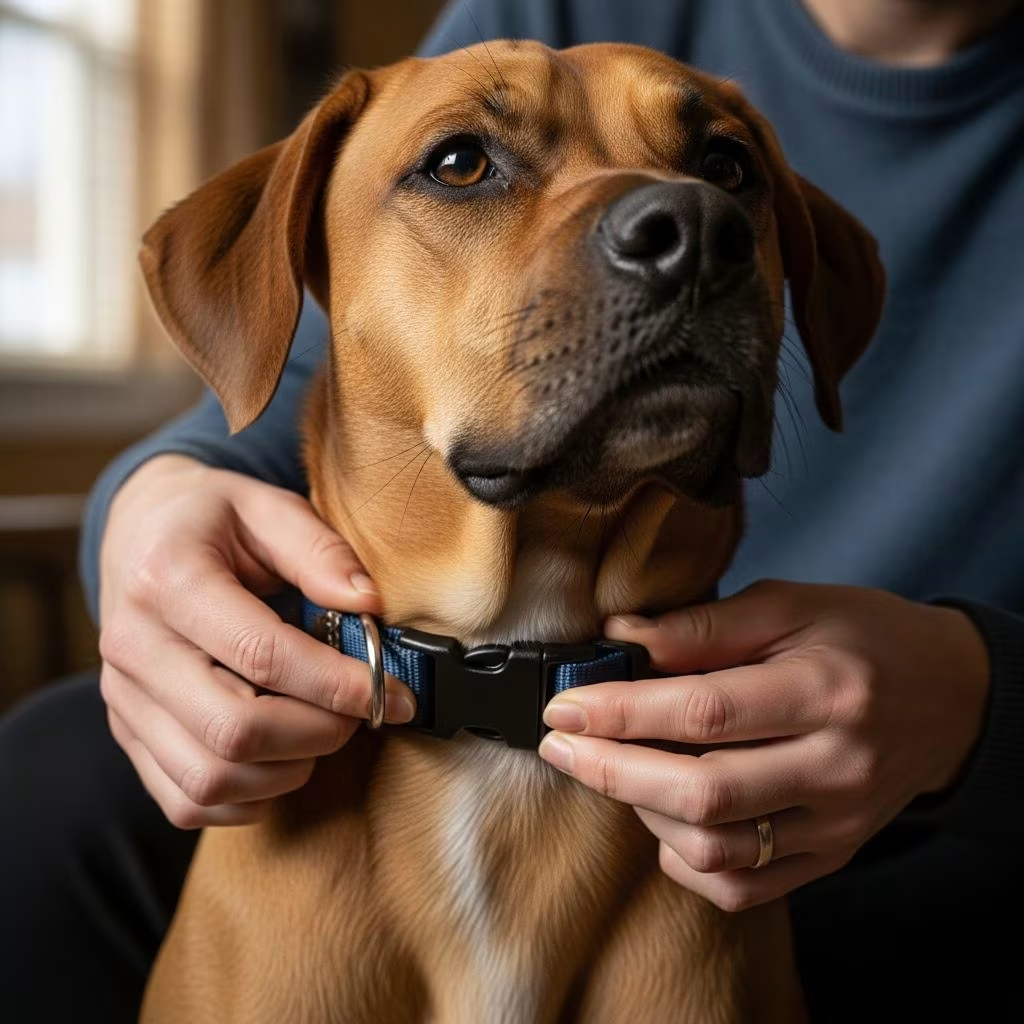
Collar strangulation poses a significant yet often overlooked threat to dogs, with thousands of incidents reported annually. Understanding these risks and adopting preventive measures can save lives and ensure your pet’s well-being.
Understanding the Scope of Collar-Related Risks
Every day, millions of dogs wear collars for identification, control, and convenience, but these everyday accessories can turn deadly. Estimates indicate that more than 26,000 collar strangulation accidents happen each year in homes, yards, and facilities across the country. These figures come from surveys of pet professionals, highlighting how common this issue truly is.
A survey of veterinarians, trainers, and doggy daycares revealed that over 50% have witnessed or handled a collar-related incident. This prevalence underscores the need for awareness, as many owners remain unaware until an emergency strikes.
Common Scenarios Leading to Strangulation
Dogs encounter numerous environmental hazards that can snag their collars, leading to panic, choking, and potentially fatal outcomes. Key situations include:
- Playtime with other dogs: The leading cause, where one dog’s mouth or paw catches another’s collar during roughhousing.
- Crates and kennels: Collars frequently hook on wire bars or doors, trapping the dog inside.
- Fences and decks: Jumping or squeezing through gaps can lodge collars on rails or slats.
- Household obstacles: Heating vents, furniture edges, door handles, or branches snag collars unexpectedly.
During these events, dogs thrash in fear, tightening the collar around their neck and obstructing airways. Even brief obstruction can trigger non-cardiogenic pulmonary edema, where lungs fill with fluid, causing severe respiratory distress.
Why Traditional Collars Fail in Emergencies
Standard buckle collars, especially those with metal tang or prong mechanisms, are particularly hazardous. In a panic, unbuckling requires pulling the collar tighter—often impossible when the dog is struggling violently. This design flaw exacerbates the danger, as owners fumble under pressure.
Tags and attachments add further risk; rigid metal tags can catch and prevent escape, unlike flexible silicone alternatives that allow dogs to pull free.
| Collar Type | Emergency Risk Level | Reason |
|---|---|---|
| Standard Buckle | High | Requires tightening to release |
| Quick-Release Buckle | Medium | Can jam under tension |
| Breakaway | Low | Automatically releases |
Safe Alternatives to Traditional Collars
Switching to purpose-built safety gear dramatically reduces risks. Breakaway collars, such as the KeepSafe model, feature patented buckles that release under excessive pressure, allowing the collar to detach harmlessly. These collars include dual D-rings for secure leash attachment during walks, disabling the breakaway function temporarily.
Harnesses offer another excellent option, distributing pressure across the chest and eliminating neck strangulation entirely. They are ideal for daily use, especially for active or playful dogs.
- Use breakaway collars at home or in unsupervised areas.
- Opt for harnesses during walks or training.
- Remove collars in crates, kennels, or group play settings.
Industry and Professional Responses to the Problem
Pet care businesses have implemented strict protocols to mitigate risks. Veterinary clinics and grooming salons often mandate collar removal before kenneling, storing them safely outside crates. Violations of these policies have led to staff terminations, reflecting the gravity of the issue.
Brands like PetSafe sponsor awareness campaigns, such as Collar Safety Awareness Week, to educate owners on prevention. These efforts emphasize removing collars during high-risk activities and promoting safer products.
Real-Life Stories and Lessons Learned
Trainers report that about 15% of clients have faced collar incidents, from playtime tangles to crate mishaps. One harrowing account involved two dogs playing; one muzzle snagged the other’s collar, leading to choking until a knife cut it free. Another owner lost a pet after a fence accident, underscoring that no environment is risk-free.
A veterinarian shared a personal tragedy: his dog strangled during play with a neighbor’s pet, prompting advocacy for safer collars. These stories illustrate that accidents strike even experienced owners.
Essential Prevention Strategies for Dog Owners
Proactive steps can eliminate most dangers:
- Assess your dog’s environment daily: Inspect crates, fences, and play areas for snag points.
- Supervise play sessions: Monitor interactions and remove collars if roughhousing escalates.
- Carry tools: Keep a pocket knife or leash cutter for emergencies.
- Train recall commands: A reliable “come” can prevent escalation.
- Microchip your dog: Permanent ID ensures return if collars fail or are lost.
Microchipping is invaluable, as it remains under the skin regardless of collar status, providing lifelong identification.
Choosing the Right Collar for Your Dog
Not all dogs need collars 24/7. Consider breed, size, and lifestyle:
- Puppies and small breeds: Higher risk due to curiosity and fragility—prioritize breakaways.
- Active or working dogs: Harnesses for freedom of movement.
- Senior dogs: Soft, adjustable options with easy release.
Test breakaway tension: It should hold a leash but release if snagged firmly. Consult vets or trainers for personalized advice.
Frequently Asked Questions (FAQs)
Are breakaway collars safe for all dogs?
Yes, modern versions are reliable for most dogs, with adjustable release points. Avoid for dogs in heavy training requiring constant leash pressure.
Can dogs wear collars unsupervised?
Only if using breakaway designs and in snag-free areas. Removal is safest for sleep or containment.
What if my dog loses its collar after breakaway?
Reattach easily and ensure microchipping as backup ID.
Do harnesses replace collars entirely?
Harnesses excel for walks; collars suit ID needs. Combine both strategically.
How common are fatal collar incidents?
While exact fatalities are underreported, thousands of near-misses occur yearly, with some tragedies despite intervention.
Long-Term Commitment to Pet Safety
Preventing collar strangulation requires vigilance, education, and the right tools. By choosing breakaway collars, harnesses, and microchips, and fostering safe habits, owners can protect their dogs from preventable harm. Stay informed through professional resources and share knowledge to reduce incidents community-wide.
References
- PetSafe® Brand Educates Pet Owners about How to Prevent Strangulation — PetSafe. N/A. https://www.petsafe.com/press/petsafe-brand-educates-pet-owners-about-how-to-prevent-strangulation-and-in/
- BREAKAWAY COLLAR | Rydersafefoundation — Ryder Safe Foundation. N/A. https://www.rydersafefoundation.com/keepsafe-collar
- Don’t Wait! Prevent Collar Accidents — Whole Dog Journal. N/A. https://www.whole-dog-journal.com/care/collars-harnesses-leashes-muzzles/dont-wait-prevent-collar-accidents/
- The Hidden Danger Behind Dog Collars — Animal Behavior College. N/A. https://www.animalbehaviorcollege.com/blog/lifestyle/dog-strangulation-by-collar/
- Keepsafe Breakaway safety dog collar — Healthy Pets Housecalls. N/A. https://www.healthypetshousecalls.com/collarstangulationarticle.html



