
Preventing Arthritis in Cats
Discover proven strategies to safeguard your cat's joints and promote lifelong mobility through diet, exercise, and smart home adjustments.
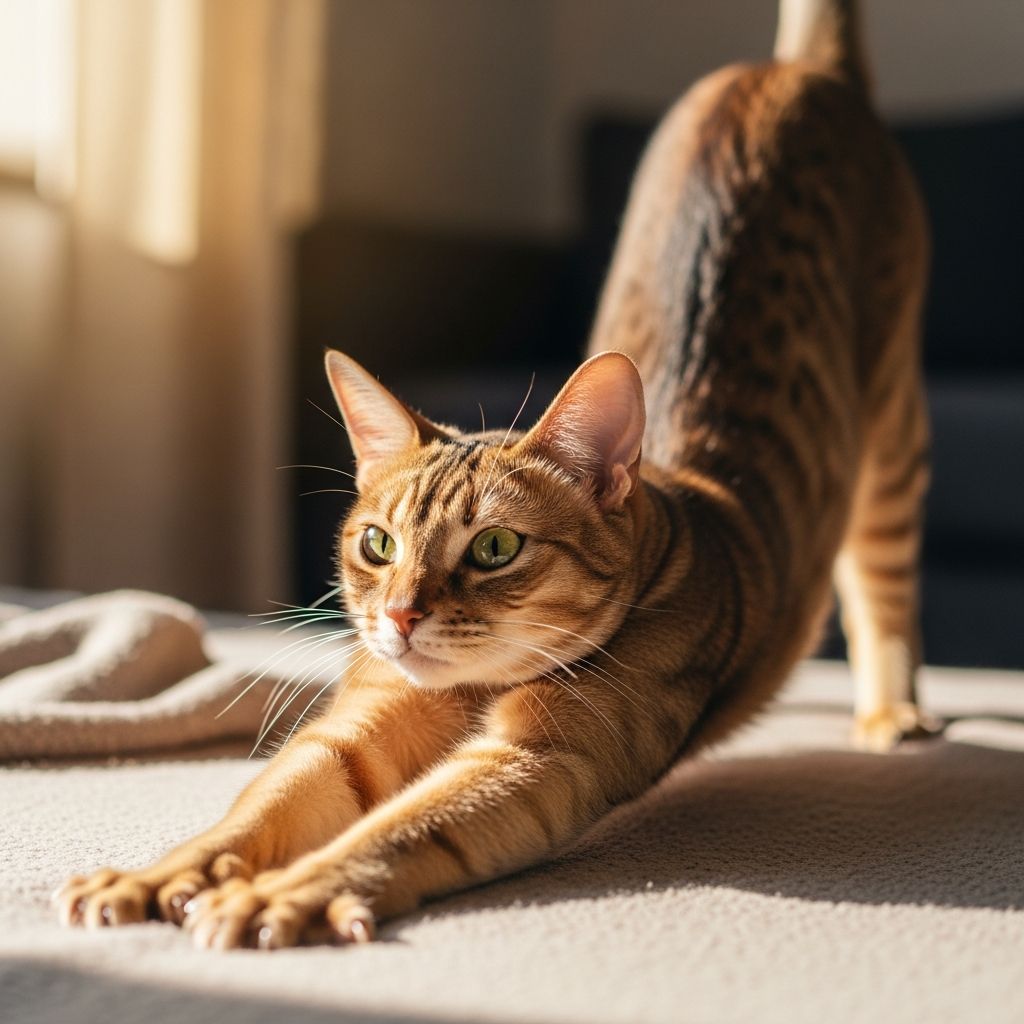
Arthritis affects a significant number of cats, particularly as they age, leading to pain, reduced mobility, and diminished quality of life. By implementing proactive measures early, cat owners can substantially lower the risk and severity of this degenerative condition. This article explores practical, evidence-based approaches to maintain joint health throughout your cat’s life.
Understanding the Roots of Feline Joint Degeneration
Joint issues in cats stem from multiple factors.
Osteoarthritis (OA)
, the most common form, results from gradual cartilage breakdown, causing bones to rub together painfully. Unlike dogs, cats often hide symptoms, making early detection challenging.Key contributors include:
- Advancing age: Over 90% of cats over 12 years show joint disease signs due to cumulative wear.
- Excess body weight: Obesity strains joints and triggers inflammation from fat cells.
- Genetic predispositions: Breeds like Siamese, Persians, and Himalayans face higher risks from conditions such as hip dysplasia or patellar luxation.
- Prior injuries: Fractures, ligament tears (e.g., ACL equivalents), or trauma accelerate degeneration.
- Abnormal joint development: Congenital issues like luxating patellas or dysplasia disrupt normal function.
Rarely, immune-mediated or infectious arthritis occurs, requiring veterinary diagnosis to rule out underlying diseases.
Core Prevention Strategy: Optimal Body Weight Maintenance
Maintaining a lean physique is the cornerstone of arthritis prevention. Excess weight exacerbates joint stress and promotes systemic inflammation.
| Weight Category | Ideal Body Condition Score (BCS) | Health Impact on Joints |
|---|---|---|
| Underweight | 3/9 | Insufficient muscle support; monitor for malnutrition. |
| Ideal | 4-5/9 | Optimal joint cushioning and mobility. |
| Overweight | 6-7/9 | Increased OA risk; low-grade inflammation. |
| Obese | 8-9/9 | Severe joint strain; multi-disease vulnerability. |
Assess your cat’s BCS by feeling ribs (easily palpable but not visible) and observing waist definition from above. Consult a vet for tailored weight loss plans if needed, aiming for 1-2% body weight reduction weekly through portion control and increased activity.
Nutrition Tailored for Joint Resilience
A life-stage-appropriate diet supplies essential nutrients to bolster cartilage, reduce inflammation, and support muscle mass. Kittens need growth-focused formulas, while seniors benefit from lower-calorie, joint-supportive options.
- Balanced macronutrients: High-quality proteins for muscle maintenance; controlled fats to prevent obesity.
- Key micronutrients: Omega-3 fatty acids (EPA/DHA) combat inflammation; antioxidants like vitamin E protect joint tissues.
- Life-stage specifics: Nursing queens require calorie-dense food; neutered adults need metabolism-adjusted kibble.
Incorporate fresh foods sparingly, such as fish for natural omegas, but prioritize vet-approved commercial diets to avoid imbalances.
Encouraging Daily Movement for Lubricated Joints
Regular, low-impact activity circulates synovial fluid, mimicking lubrication in mechanical hinges, and prevents stiffness.
Strategies to boost exercise:
- Interactive toys like laser pointers or feather wands for 10-15 minute sessions twice daily.
- Vertical spaces: Multi-level scratching posts or shelves to promote jumping without high-impact landings.
- Puzzle feeders to encourage foraging and mental stimulation, indirectly increasing steps.
Avoid overexertion in kittens to support slow, even growth, reducing dysplasia risks.
Proactive Supplementation for Long-Term Protection
Joint supplements, once dog-centric, now offer feline formulations. Start early after vet consultation, as no universal “start age” exists.
| Supplement Type | Primary Benefits | Key Ingredients | Vet Notes |
|---|---|---|---|
| Omega-3 Fish Oil | Anti-inflammatory; skin/coat bonus | EPA, DHA | Choose vet-grade; avoid xylitol/Vit D. |
| Glucosamine/Chondroitin | Cartilage repair; fluid maintenance | Sulfates | Supports OA delay. |
| Green-Lipped Mussel | Natural anti-inflammatory | PCSO-524 | Emerging feline option. |
Liquid fish oils like those from reputable brands ease administration. Monitor for digestive upset and efficacy via mobility checks.
Transforming Your Home into a Joint-Safe Haven
Environmental tweaks minimize joint trauma and ease arthritic strain.
- Low-entry litter boxes: Cut-out sides for seniors; multiple boxes per floor.
- Elevated essentials: Raised food/water bowls reduce neck strain; pet stairs for beds/couches.
- Non-slip surfaces: Rugs, yoga mat scraps under perches to prevent slips.
- Orthopedic bedding: Memory foam or heated beds in quiet spots for warmth and comfort.
- Grooming aid: Regular brushing/nail trims, as arthritic cats struggle with self-care.
These changes enhance independence and reduce injury risk from awkward movements.
Advanced Interventions and Monitoring
For at-risk cats, discuss:
- Physical therapy: Massage, range-of-motion exercises, hydrotherapy to preserve muscle.
- Alternative therapies: Acupuncture or laser therapy for pain relief and healing.
- Medications: NSAIDs (e.g., meloxicam) if early signs appear; never self-medicate.
Annual vet exams with mobility scoring (e.g., watching jumps, grooming) catch issues early. X-rays confirm OA if suspected.
Frequently Asked Questions (FAQs)
Can all cats develop arthritis?
Yes, though seniors, obese cats, and certain breeds are most vulnerable. Prevention benefits every cat.
At what age should I start joint supplements?
No fixed age; discuss with your vet for breeds/injuries at higher risk. Early use protects cartilage.
Is fish oil safe for cats?
Vet-formulated yes; check for toxins like xylitol. It reduces inflammation effectively.
How do I know if my cat has arthritis?
Subtle signs: Reluctance to jump, litter box avoidance, less grooming, irritability. Vet evaluation needed.
Does spaying/neutering affect joint health?
Indirectly via weight gain; use senior formulas post-procedure to maintain ideal weight.
Conclusion: Empower Your Cat’s Active Future
Preventing feline arthritis demands consistent effort in weight control, nutrition, activity, supplements, and home adaptations. These steps not only avert pain but extend joyful years. Partner with your veterinarian for personalized plans, ensuring your cat thrives pain-free.
References
- Arthritis in Cats | VCA Animal Hospitals — VCA Hospitals. 2023. https://vcahospitals.com/know-your-pet/arthritis-in-cats
- How to Be Proactive Against Cat Arthritis — Preventive Vet. 2023. https://www.preventivevet.com/cats/preventing-cat-arthritis
- Feline Arthritis Do’s and Don’ts — Fairfax Veterinary Clinic. 2023. https://fairfaxvet.com/feline-arthritis-dos-and-donts/
- Arthritis in Cats – PetMD — PetMD. 2023. https://www.petmd.com/cat/conditions/musculoskeletal/arthritis-cats
- Inflammatory joint disease in cats: Diagnostic approach and treatment — PMC (NCBI). 2024-05-15. https://pmc.ncbi.nlm.nih.gov/articles/PMC11148886/
Similar Articles








Read full bio of medha deb




