

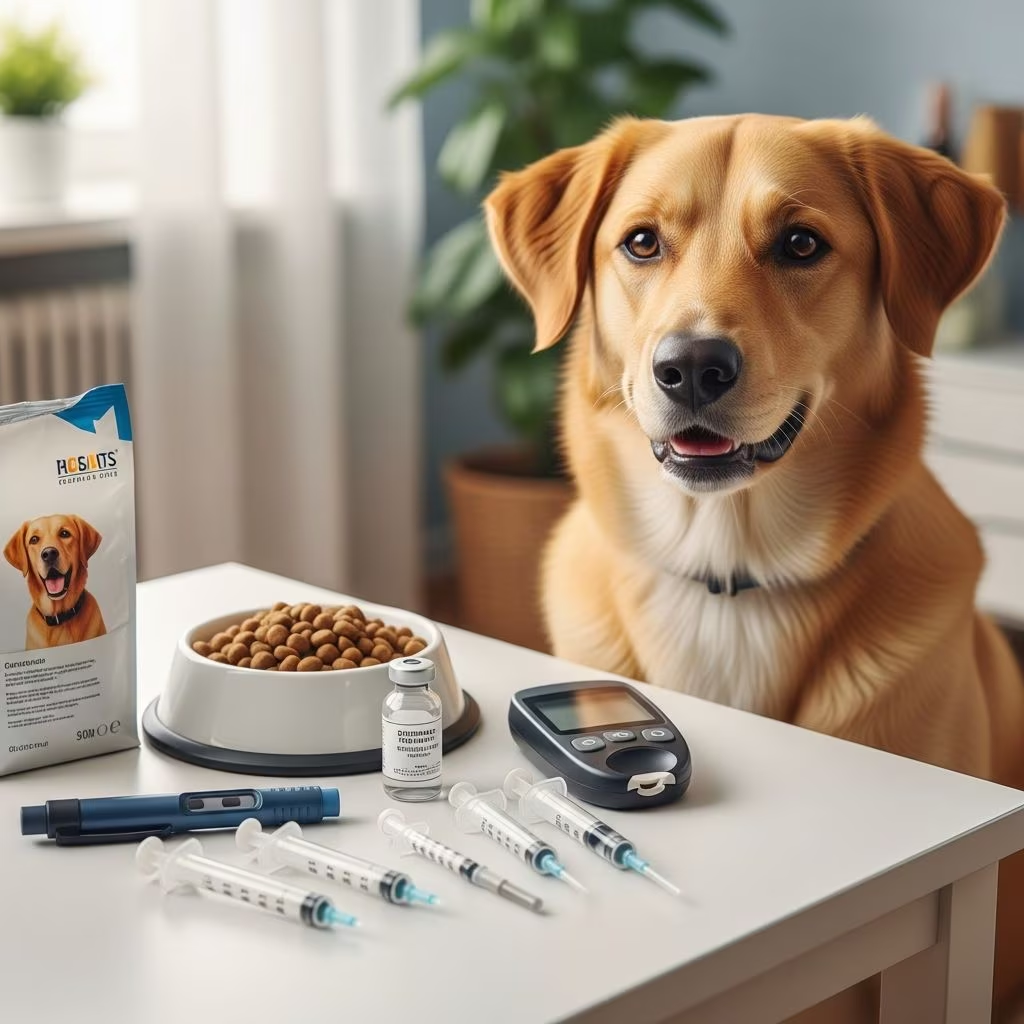
Canine diabetes mellitus is a common endocrine disorder in dogs, characterised by insufficient insulin production or ineffective insulin use, leading to elevated blood glucose levels. Early recognition, prevention through lifestyle management, and consistent treatment can significantly improve a diabetic dog’s quality of life and longevity. This guide covers symptoms, causes, risk factors, prevention strategies, diagnosis, and detailed treatment protocols based on established veterinary guidelines.
What is Canine Diabetes?
Diabetes mellitus in dogs mimics the human form Type 1, where the pancreas fails to produce adequate insulin, a hormone essential for regulating blood sugar. Unlike cats, where remission is possible, canine diabetes requires lifelong management. Affected dogs experience hyperglycemia, which if uncontrolled, leads to complications like cataracts, urinary infections, and ketoacidosis. According to the 2018 AAHA Diabetes Management Guidelines (updated 2022), clinical signs arise when blood glucose exceeds the renal threshold, causing glucosuria and polyuria.
The condition affects approximately 1 in 300 dogs, with middle-aged to older females and certain breeds at higher risk. Prompt intervention is crucial as untreated diabetes can be fatal.
Symptoms of Diabetes in Dogs
Recognising early symptoms is vital for timely diagnosis. Common signs include:
- Excessive thirst (polydipsia) and urination (polyuria), as the kidneys excrete excess glucose.
- Increased appetite (polyphagia) despite weight loss, due to cells starving for glucose.
- Lethargy, weakness, and fatigue from energy deficits.
- Recurrent urinary tract infections or cloudy urine.
- Blurred vision leading to cataracts, a frequent complication in 75-80% of cases.
- Vomiting, dehydration, or fruity breath odour indicating ketoacidosis.
Owners often notice these gradually, mistaking them for aging. If your dog drinks more, urinates indoors, or loses weight despite eating well, consult a vet immediately.
Causes and Risk Factors
The primary cause is pancreatic beta-cell destruction, possibly autoimmune-mediated, resulting in absolute insulin deficiency. Secondary causes include pancreatitis, obesity, hyperadrenocorticism (Cushing’s disease), or certain medications like glucocorticoids.
Risk factors include:
- Age and sex: Most common in dogs over 7 years, with females 2-3 times more affected due to hormonal influences.
- Breeds: Higher incidence in Poodles, Dachshunds, Beagles, Samoyeds, Australian Terriers, Schnauzers, and Keeshonden.
- Obesity: Overweight dogs are predisposed as fat interferes with insulin sensitivity.
- Genetics: Heritable traits in predisposed breeds.
- Concurrent diseases: Pancreatitis or endocrine disorders exacerbate risk.
Maintaining ideal body weight can mitigate many risks.
How is Canine Diabetes Diagnosed?
Diagnosis involves clinical history, physical exam, and lab tests. Vets perform:
- Blood glucose measurement; levels >200 mg/dL with symptoms confirm diabetes.
- Urinalysis for glucosuria and ketonuria.
- Fructosamine or HbA1c tests for long-term control assessment.
- Glucose curves via serial blood sampling over 12-24 hours to evaluate insulin response.
- Exclusion of other conditions like pyometra or Cushing’s via additional tests.
Severe cases with ketoacidosis require hospitalisation for stabilisation before home management.
Treatment Options for Dogs with Diabetes
Treatment centres on insulin replacement, dietary control, and lifestyle consistency to maintain euglycemia. There is no cure, but regulated diabetics can thrive.
Insulin Injections
Exogenous insulin is the cornerstone, administered subcutaneously twice daily (q12h). The AAHA guidelines recommend starting with Vetsulin (porcine lente insulin) at 0.25-0.5 U/kg, rounded to the nearest unit, titrated based on monitoring. Common types include neutral protamine Hagedorn (NPH), glargine, or detemir, selected per vet protocol.
Injections coincide with meals to prevent hypoglycemia. Owners learn to administer via U-40 syringes; most dogs tolerate it well after initial acclimation. Never adjust doses without veterinary guidance, as overdose risks seizures and underdose risks ketoacidosis.
Specialized Diet
Nutrition slows glucose absorption and supports weight management. Key recommendations:
- High-fiber diets (e.g., Hill’s w/d, Purina DM) reduce postprandial glucose spikes.
- Low-fat, moderate-complex carb formulas for overweight dogs; higher calorie for underweight.
- Feed twice daily at insulin times; avoid free-feeding.
- Treats limited to low-carb options like green beans; no grapes/raisins.
Veterinary therapeutic diets outperform over-the-counter foods for stability.
Consistent Feeding and Activity Schedule
Routine prevents fluctuations:
- Feed and inject at fixed times daily.
- Moderate exercise (walks, play) enhances insulin sensitivity; keep consistent to avoid dysregulation.
- Avoid unplanned high-activity days without dose adjustment.
| Daily Routine Example | Time | Activity |
|---|---|---|
| Morning | 8 AM | Insulin + Meal + Short Walk |
| Evening | 8 PM | Insulin + Meal + Moderate Exercise |
| Monitoring | Daily | Observe appetite, water intake, urine output |
Blood Glucose Monitoring
Home glucometers (e.g., AlphaTRAK) or vet glucose curves track nadir and peaks. Target: pre-insulin 100-300 mg/dL, nadir >65 mg/dL. Fructosamine assesses 2-3 week average.
Routine Checkups
Initial frequent visits (every 1-2 weeks) for dose titration, then monthly, progressing to quarterly once stable. Monitor weight, labs, urine for infections.
Preventing Canine Diabetes
While not always preventable, risks reduce via:
- Weight control: Keep BMI ideal; obesity triples risk.
- Balanced diet: Avoid high-sugar treats.
- Regular exercise: Daily activity prevents insulin resistance.
- Health screenings: Early detection of pancreatitis or Cushing’s.
- Neutering decisions: Discuss with vet, as it may influence in females.
Annual vet exams catch prediabetes.
Living with a Diabetic Dog: Long-Term Care
Success demands commitment: records of doses, meals, glucose logs. Stress minimisation aids regulation; indoor living preferred. Complications like cataracts may need surgery; UTIs require prompt antibiotics. With diligence, lifespan approaches non-diabetics.
Hypoglycemia signs (shaking, disorientation) demand immediate honey/corn syrup followed by vet contact.
Frequently Asked Questions (FAQs)
Can diabetes in dogs be cured?
No, canine diabetes requires lifelong insulin, but proper management allows normal activity.
How much does treating dog diabetes cost?
Initial diagnosis/treatment: £500-£2000; ongoing: £50-£150/month for insulin, food, monitoring.
Can diabetic dogs eat treats?
Yes, low-carb veggies like green beans; limit to 10% calories.
What if I miss an insulin dose?
Contact vet; do not double up. Feed lightly if needed.
Is home blood glucose testing necessary?
Recommended for fine-tuning; vets provide training.
References
- Long Term Care for Canine Diabetes — Preventive Vet Clinic. 2023. https://pvmcvet.com/long-term-care-for-canine-diabetes/
- Diabetes in Dogs – Symptoms, Treatment, & Prevention — Purina US. 2024. https://www.purina.com/articles/dog/health/symptoms/how-to-prevent-dog-diabetes
- 2018 AAHA Diabetes Management Guidelines for Dogs and Cats (2022 Update) — American Animal Hospital Association. 2022-10-01. https://www.aaha.org/wp-content/uploads/globalassets/02-guidelines/diabetes/2018-aaha-diabetes-management-guidelines-2022-update.pdf
- A Routine for Diabetic Dogs — Mariemont Vet Clinic. 2023. https://mariemontvetclinic.com/resources/blog/creating-a-routine-for-dogs-with-diabetes
- Diabetes Mellitus and Diet for Dogs and Cats — VETgirl. 2024. https://vetgirlontherun.com/diabetes-diet-guidelines/
- Diabetes Mellitus – Principles of Treatment in Dogs — VCA Animal Hospitals. 2024. https://vcahospitals.com/know-your-pet/diabetes-mellitus—principles-of-treatment-in-dogs
- Diabetes — MU Veterinary Health Center. 2023. https://vhc.missouri.edu/small-animal-hospital/small-animal-internal-medicine/diseases-and-treatments/diabetes/



