

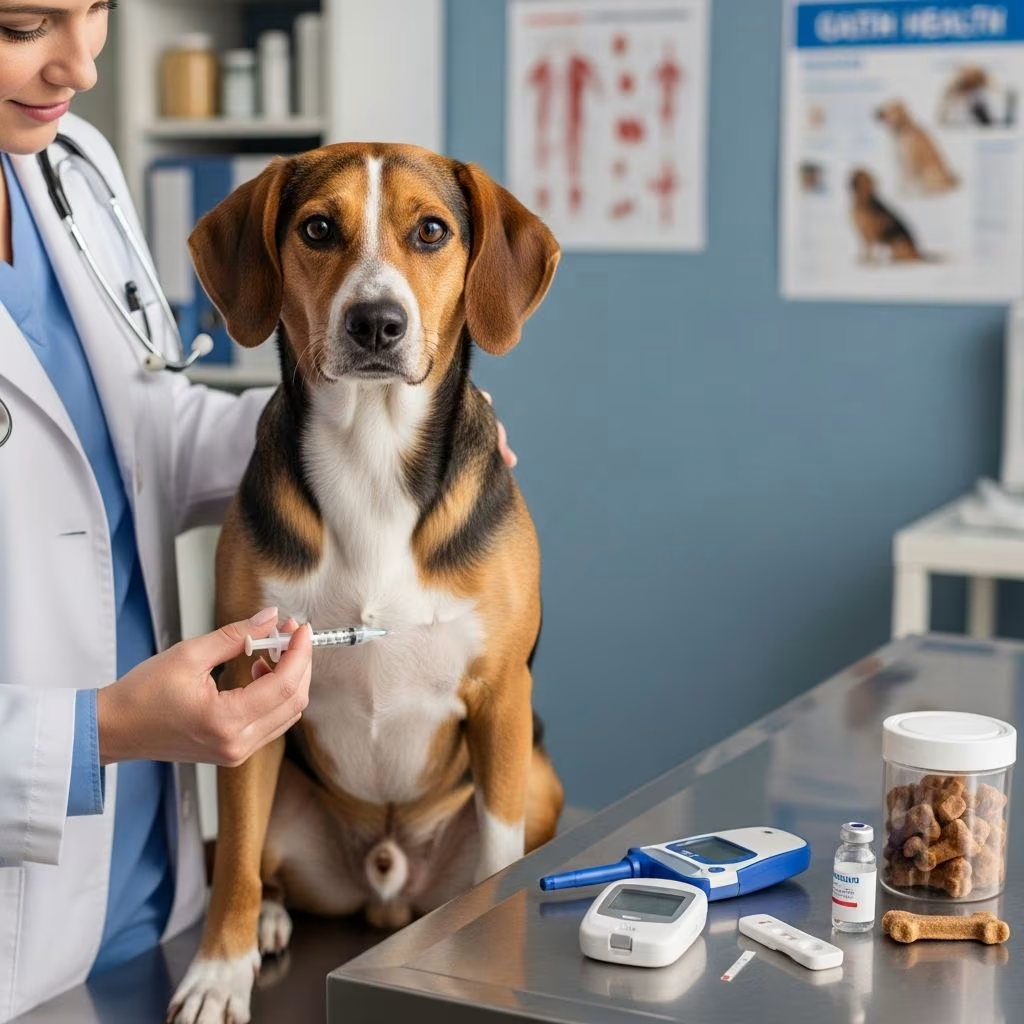
Canine diabetes mellitus is a common endocrine disorder in dogs, characterized by the body’s inability to properly regulate blood glucose levels due to insufficient insulin production or ineffective insulin use. While it requires lifelong management, early detection, proper treatment, and preventive measures can significantly improve a dog’s quality of life. This guide covers symptoms, causes, prevention, treatment options, and long-term care strategies based on established veterinary recommendations.
What Is Canine Diabetes?
Canine diabetes, or diabetes mellitus, occurs when a dog’s pancreas fails to produce enough insulin or when the body becomes resistant to insulin’s effects. Insulin is a hormone essential for transporting glucose from the bloodstream into cells for energy. Without adequate insulin, glucose builds up in the blood, leading to hyperglycemia. There are two main types: Type 1, where the pancreas produces little to no insulin (most common in dogs), and Type 2, involving insulin resistance, which is rarer in canines.
Untreated, it can lead to severe complications like diabetic ketoacidosis (DKA), a life-threatening condition involving ketone buildup, vomiting, and lethargy. Middle-aged and senior dogs, particularly females, are at higher risk, with certain breeds like Poodles, Dachshunds, and Labrador Retrievers predisposed.
Symptoms of Diabetes in Dogs
Recognizing early signs is crucial for timely intervention. Common symptoms include:
- Excessive thirst (polydipsia) and urination (polyuria)
- Increased appetite (polyphagia) yet unexplained weight loss
- Lethargy, weakness, or fatigue
- Recurrent urinary tract infections or cloudy eyes (early cataracts)
- Vomiting, dehydration, or fruity breath odor in advanced cases.
Owners often notice these changes gradually. If your dog drinks more water or has accidents indoors, consult a veterinarian immediately for blood and urine tests to measure glucose levels.
Causes and Risk Factors
The exact cause varies, but genetics play a significant role in predisposed breeds. Other risk factors include:
- Obesity: Overweight dogs are far more likely to develop insulin resistance.
- Pancreatitis or chronic inflammation damaging insulin-producing cells.
- Hormonal imbalances, such as in unspayed females due to progesterone effects.
- Concurrent conditions like Cushing’s disease or hypothyroidism.
Unlike humans, most canine cases are insulin-dependent (Type 1), requiring exogenous insulin.
Preventing Canine Diabetes
While not all cases are preventable, lifestyle modifications reduce risk substantially. Key prevention strategies include:
- Maintain Healthy Weight: Obesity is a primary risk factor. Regular weigh-ins and portion control help.
- Balanced Diet: Feed high-quality, low-carbohydrate foods to avoid blood sugar spikes. Avoid table scraps and high-sugar treats.
- Regular Exercise: Daily moderate activity, like 30-60 minute walks, improves insulin sensitivity and prevents obesity.
- Spaying: Early spaying in females lowers risk by preventing diestrus-related diabetes.
- Routine Vet Checkups: Annual bloodwork detects prediabetes early.
Studies show maintaining ideal body condition scores significantly lowers incidence in at-risk breeds.
Diagnosing Canine Diabetes
Diagnosis involves clinical signs plus confirmatory tests:
- Blood glucose test: Levels above 200 mg/dL (11.1 mmol/L) suggest diabetes; over 400 mg/dL (22.2 mmol/L) is diagnostic.
- Urine glucose and ketones check.
- Fructosamine test for long-term glucose control.
- Exclusion of other conditions like infections or stress hyperglycemia.
Severely ill dogs with DKA require hospitalization for stabilization before full diagnosis.
Treatment Options for Canine Diabetes
Treatment centers on insulin therapy, diet, and lifestyle consistency. All diabetic dogs need lifelong insulin.
Insulin Therapy
Insulin injections are the cornerstone, typically twice daily (q12h). The American Animal Hospital Association (AAHA) recommends starting with Vetsulin (porcine lente insulin) at 0.25 U/kg, rounded to the nearest unit, adjustable to 0.2-1.0 U/kg based on monitoring.
- Administer subcutaneously post-meal to prevent hypoglycemia.
- Types: Lente, neutral protamine Hagedorn (NPH), or glargine; vet selects based on duration and efficacy.
- Owners learn injection technique; most dogs tolerate it well.
Avoid oral medications, as they are ineffective for canine Type 1 diabetes.
Dietary Management
A consistent, specialized diet stabilizes blood glucose:
- High-fiber (to slow glucose absorption), low-carbohydrate, moderate protein/fat.
- Prescription diets like Hill’s w/d or Purina DM recommended.
- Feed equal meals twice daily at insulin times; minimize treats (use green beans).
No single diet fits all; tailor to the dog’s needs with vet guidance.
Exercise Routine
Regular, moderate exercise enhances insulin utilization:
- Daily walks or play; avoid intense bursts causing glucose swings.
- Consistency prevents fluctuations; adjust insulin if activity changes.
Combine with diet for weight management.
Monitoring Blood Glucose in Diabetic Dogs
Regular monitoring ensures regulation:
- Glucose Curves: In-clinic serial blood samples over 12-24 hours.
- Home Monitoring: Ear/prick tests or continuous glucose monitors.
- Target: Keep below renal threshold (~180 mg/dL) most of the day without hypoglycemia.
Frequent checks first 1-3 months, then quarterly. Watch for hypoglycemia signs: shakiness, seizures—treat with corn syrup.
Long-Term Management and Complications
With adherence, diabetic dogs live normal lifespans. Strategies include:
- Quarterly vet visits for labs, weight, and dose tweaks.
- Prevent cataracts (common; surgery possible), UTIs, and infections.
- Stable environment minimizes stress-induced changes.
Complications: Hypoglycemia, ketoacidosis, neuropathy. Early intervention key.
Frequently Asked Questions (FAQs)
What is the cost of treating diabetes in dogs?
Treatment involves ongoing costs for insulin (~$50-100/month), syringes, food, and vet visits ($200-500/year). Initial diagnosis/stabilization higher.
Can diabetic dogs go into remission?
Rare in dogs (unlike cats); focus on management. Transient cases possible post-treatment of underlying issues.
How do I give insulin injections to my dog?
Vet demonstrates: Use U-40 syringe, pinch skin, insert needle at 45 degrees post-meal. Rotate sites.
What diet is best for a diabetic dog?
High-fiber, low-carb prescription food fed consistently. Consult vet for specifics.
Signs of low blood sugar in dogs?
Trembling, disorientation, collapse. Rub sugar on gums, seek emergency care.
Table: Sample Daily Routine for a Diabetic Dog
| Time | Activity |
|---|---|
| 7 AM | Feed meal + Insulin injection |
| 8 AM | 30-min walk |
| 5 PM | Feed meal + Insulin injection |
| 6 PM | Play/exercise |
| Evening | Monitor behavior, water intake |
This routine promotes stability. Adjust per vet.
References
- Managing Diabetes in Dogs & Cats: A Guide for Pet Owners — Cobb Veterinary Clinic. 2023. https://cobb.vet/managing-diabetes-in-dogs-cats-a-guide-for-pet-owners/
- Long Term Care for Canine Diabetes — Preventive Vet Clinic. 2024. https://pvmcvet.com/long-term-care-for-canine-diabetes/
- 2018 AAHA Diabetes Management Guidelines for Dogs and Cats (2022 Update) — American Animal Hospital Association. 2022-07-01. https://www.aaha.org/wp-content/uploads/globalassets/02-guidelines/diabetes/2018-aaha-diabetes-management-guidelines-2022-update.pdf
- Creating a Routine for Dogs with Diabetes — Mariemont Vet Clinic. 2023. https://mariemontvetclinic.com/resources/blog/creating-a-routine-for-dogs-with-diabetes
- Diabetes Mellitus – Principles of Treatment in Dogs — VCA Animal Hospitals. 2024. https://vcahospitals.com/know-your-pet/diabetes-mellitus—principles-of-treatment-in-dogs
- Diabetes — University of Missouri Veterinary Health Center (.edu). 2023. https://vhc.missouri.edu/small-animal-hospital/small-animal-internal-medicine/diseases-and-treatments/diabetes/



