

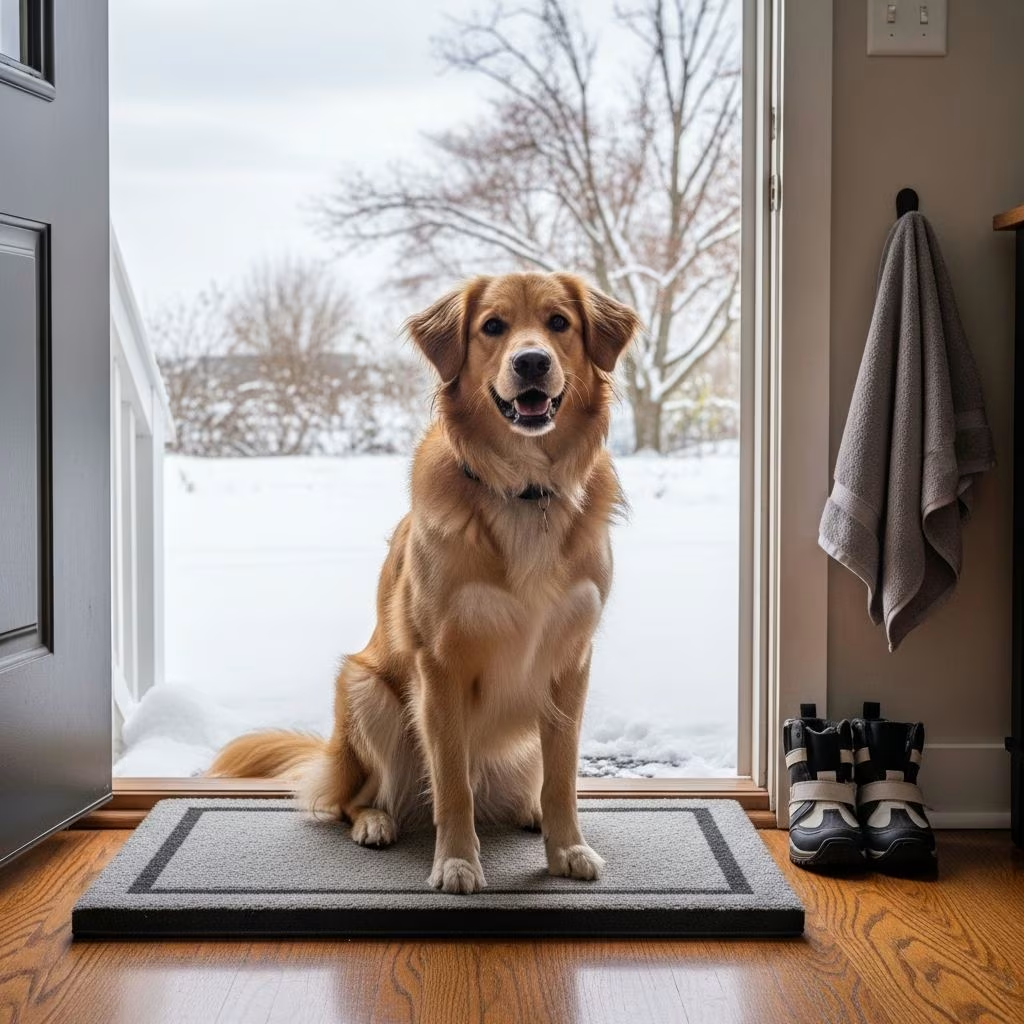
8 Ways To Prevent Muddy Dog Paws This Winter
There’s nothing quite like the joy of watching your dog bound through the yard or take a refreshing walk around the neighborhood. However, the inevitable muddy paws that follow can turn that joy into frustration. Dirty carpets, soiled floors, and constant cleanup routines plague many dog owners, especially during winter months and rainy seasons. The good news? You don’t have to resign yourself to perpetually dirty floors. With the right strategies, you can significantly reduce—or even eliminate—the muddy paw problem.
We consulted with both home experts and certified dog trainers to compile a comprehensive guide on preventing muddy dog paws. These eight proven methods will help you maintain a cleaner home while keeping your furry friend happy and healthy.
1. Keep the Fur Between Your Dog’s Paw Pads Trimmed
One of the simplest yet most effective strategies starts before your dog even leaves the house. Trimming the fur between your dog’s paw pads is a game-changer when it comes to minimizing tracked-in dirt and grime. Extra fur acts like a magnet for mud, dirt, and moisture, making it easier for debris to accumulate and be transported into your home.
If your pup has long hair growing between their toe beans (affectionately called “Grinch feet”), you can use clippers to gently trim it back. This simple grooming task reduces the surface area where mud can stick, making cleanup significantly easier. Invest in quality grooming clippers designed specifically for dog paws to ensure a safe and effective trim.
Benefits of regular paw pad trimming:
– Reduces dirt accumulation- Prevents matting and discomfort- Improves traction and grip- Minimizes odor-causing moisture- Decreases the risk of paw pad infections
2. Minimize Mud in Your Yard
Sometimes the best offense is a good defense. By reducing mud sources in your yard itself, you prevent the problem before it starts. Mud tends to collect in areas that are lower in the yard, as well as areas that lack ground cover or drainage.
To minimize muddy conditions in your outdoor space, consider these yard improvements:
– Fill in holes: Use topsoil or dirt to fill any depressions where puddles form- Add ground cover: Install sod or ground cover plants in problem areas- Create pathways: Add gravel pathways, pavers, or stepping stones in areas that tend to get extra muddy- Improve drainage: Grade your yard to encourage water runoff away from high-traffic areas- Use mulch: Apply wood chips or mulch to absorb moisture and reduce mud formation
These preventative measures work best during winter and spring when moisture levels are highest. By investing in your yard’s infrastructure, you’re creating a cleaner environment for both your dog and your home.
3. Put Dog Boots on Your Dog Before Going Outside
Dog boots aren’t just adorable accessories—they’re practical solutions to the muddy paw problem. While many dogs need time to acclimate to wearing boots, the payoff is substantial. Once your dog is comfortable in boots, you can simply remove them before entering your home, taking all the mud with them.
Getting your dog comfortable with boots can be a fun and rewarding process. Start by introducing boots indoors during positive activities like playtime or mealtime. Use treats and praise to create positive associations with the footwear. Gradually increase the duration your dog wears boots before transitioning to outdoor use.
Tips for successful boot training:
– Start with short indoor wearing periods- Use high-value treats as positive reinforcement- Practice on various surfaces indoors first- Gradually increase outdoor wear time- Choose boots that fit properly and comfortably- Consider waterproof materials for maximum protection
4. Set Up a Washing Station
Creating a dedicated dog paw washing station can be transformative if you’re serious about preventing mud from entering your home. A well-designed washing station catches dirt at the threshold, stopping the muddy trail before it starts.
Ideal locations for a paw washing station include:
– Bathroom- Mudroom- Garage- Patio
When selecting a location, choose an area with water-friendly flooring (like tile), a water source, and good drainage. Your washing station doesn’t need to be elaborate—it can be as simple as a water hose on the patio, or as dedicated as a custom station with a basin or tub large enough for your dog’s paws.
Essential washing station components:
– Basin, tub, or shower large enough for paws- Hose or detachable shower sprayer for easier cleaning- Soft-bristled brush for gentle scrubbing- Absorbent towels for drying- Optional: dog-specific soap or shampoo
A hose or detachable shower sprayer makes cleaning underneath the paws significantly easier, ensuring you reach all the crevices where mud hides. This simple addition eliminates one of the most common mud transfer points: the moment your dog crosses your home’s threshold.
5. Invest in Dog Cleaning Wipes
Dog cleaning wipes offer a quick, convenient solution for removing surface dirt from paws before they enter your home. These specialized wipes are formulated to be gentle on your dog’s skin while effectively removing dirt, mud, and debris.
To maximize the effectiveness of dog wipes, train your dog to stop and wait by the door before coming inside. You can develop a “stay” cue that signals your dog to remain at the entry point while you wipe their paws clean. This simple training routine becomes a habit that your dog will follow automatically.
Training tips for paw wiping:
– Teach your dog a cue like “wait” or “paw time”- Always reward your dog for compliance- Keep sessions short and positive- Use the same location consistently- Make it part of your entry routine
Quality dog wipes often contain ingredients like tea tree oil or coconut that provide additional antimicrobial benefits while leaving your dog’s paws clean and fresh-smelling. Store a pack near your door for convenient access whenever your dog comes inside.
6. Try a Paw Plunger
If you’re looking for an innovative solution, a paw plunger is worth considering. This simple device resembles a container with bristles or nubs inside. To use it, simply add water or soap, insert your dog’s paw, and let the plunger mechanism do the cleaning work for you.
Paw plungers are particularly effective for dogs who resist traditional washing or wipe-down methods. The bristles gently clean between the toes and pad areas, removing embedded dirt without requiring you to hold your dog still or wrestle with multiple paws.
Advantages of paw plungers:
– Requires minimal water and effort- Cleans all four paws quickly- Less stressful for resistant dogs- Portable and easy to store- Reusable and eco-friendly
For a DIY approach, you can set up a shallow bath near your door. Fill a short basin with water and teach your dog to step into it before entering. Use lots of praise and rewards to keep the experience positive, framing it as a game rather than a chore. This low-tech solution works remarkably well and costs minimal money to implement.
7. Train Your Dog to Wipe Their Paws on a Doormat
Teaching your dog to wipe their paws on a doormat is an elegant solution that leverages your dog’s natural behaviors. Here’s how to successfully train this helpful habit:
Step-by-step training process:
– Start by laying down a doormat and using a cue like “wipe” or “scrub”- Encourage your dog to step on the mat- When your dog naturally moves or scratches at the mat with their paws, reward them with treats and praise- If your dog doesn’t naturally wipe their paws, place a treat under the mat to encourage paw-scratching behavior- Repeat the process consistently
After repeated practice, your dog will begin to associate stepping on the mat and wiping their feet as a positive, rewarding activity. Eventually, this becomes an automatic behavior that your dog performs without being asked.
Tips for successful mat training:
– Use a highly absorbent mat specifically designed for this purpose- Choose mats with good grip and texture- Practice during positive, low-stress times- Maintain consistency with your cue word- Always reward successful attempts- Keep sessions short and fun
To make the process even smoother, consider adding calming music or placing a favorite toy near the mat. These environmental enhancements help your dog stay relaxed and focused during their paw-wiping routine.
8. Combine Multiple Methods for Maximum Effectiveness
While each of these strategies works independently, combining several approaches yields the best results. The most effective muddy paw prevention plan typically incorporates multiple layers of defense.
For example, you might trim your dog’s paw fur monthly, maintain a dedicated washing station, use paw plungers for quick cleanups, train your dog to use a doormat, and apply dog boots for outdoor walks. This multi-pronged approach addresses the problem from every angle.
Comparison of Muddy Paw Solutions
| Solution | Effectiveness | Cost | Ease of Use |
|---|---|---|---|
| Paw Pad Trimming | High | Low | Medium |
| Yard Maintenance | Very High | High | Medium |
| Dog Boots | Very High | Medium | High (after training) |
| Washing Station | High | Low-Medium | High |
| Cleaning Wipes | Medium-High | Low | Very High |
| Paw Plunger | High | Low-Medium | High |
| Doormat Training | Medium | Very Low | Medium |
Frequently Asked Questions About Muddy Dog Paws
Q: How often should I trim the fur between my dog’s paw pads?
A: Most dogs benefit from paw pad trimming every 4-6 weeks. However, dogs with faster-growing or longer hair may need trimming monthly. Monitor your dog’s paws regularly and trim as needed to maintain optimal cleanliness and comfort.
Q: Can I use human wipes on my dog’s paws?
A: No, it’s best to use dog-specific cleaning wipes. Human wipes may contain ingredients that aren’t safe for dogs or could irritate their skin. Dog wipes are formulated with pet-safe ingredients that gently clean without causing irritation.
Q: How do I get my dog comfortable wearing boots?
A: Start by introducing boots indoors during positive activities. Let your dog wear them for short periods while playing or eating treats. Gradually increase wear time and transition to outdoor use. Always use positive reinforcement and never force your dog to wear boots if they’re extremely distressed.
Q: What’s the best location for a paw washing station?
A: Choose a location with tile or water-resistant flooring, access to water, and good drainage. Bathrooms, mudrooms, garages, and patios are ideal. The most convenient location is typically near your home’s main entrance where your dog enters after outdoor activities.
Q: Can dogs with sensitive skin use dog cleaning wipes?
A: Yes, but choose hypoallergenic, fragrance-free wipes specifically designed for sensitive skin. Look for products with natural, soothing ingredients like oatmeal or aloe. Always test a small area first and consult your veterinarian if your dog has severe skin sensitivities.
Q: Is a paw plunger suitable for all dog sizes?
A: Paw plungers come in various sizes designed for different dog breeds. Small dogs use petite sizes, medium dogs use medium plungers, and large dogs use large sizes. Choose the appropriate size for your dog’s paw dimensions for optimal effectiveness and comfort.
Q: How long does it take to train a dog to wipe their paws on a doormat?
A: Training timelines vary by dog, but most dogs learn the basic behavior within 2-4 weeks with consistent daily practice. Some dogs catch on faster, while others may need 6-8 weeks. The key is consistency, positive reinforcement, and patience.
Creating Your Customized Muddy Paw Prevention Plan
The most successful approach to preventing muddy paws is developing a personalized plan that fits your lifestyle, home setup, and dog’s temperament. Consider your specific situation: Do you have a large yard? Does your dog enjoy wearing boots? How much time can you dedicate to training?
Start with the methods that require the least effort and cost, then gradually add more sophisticated solutions. Most dog owners find that combining paw pad trimming, maintaining a washing station, and training their dog to use a doormat or wipes provides excellent results without requiring extensive effort or investment.
Remember that preventing muddy paws protects not only your home’s cleanliness but also your dog’s health. Clean paws are less prone to infections, irritation, and discomfort. By implementing these strategies, you’re investing in both your quality of life and your dog’s wellbeing.
References
- 8 Ways To Prevent Muddy Dog Paws This Winter — Chewy.com. 2025. https://www.chewy.com/education/dog/grooming/muddy-dog-paws
- Dog Grooming Tips and Guides for Bathing, Brushing & More — Chewy.com. 2025. https://www.chewy.com/education/dog/grooming
- Tips for Grooming Your Dog During the Winter — Chewy.com. 2025. https://www.chewy.com/education/dog/grooming/tips-for-grooming-your-dog-during-the-winter



