

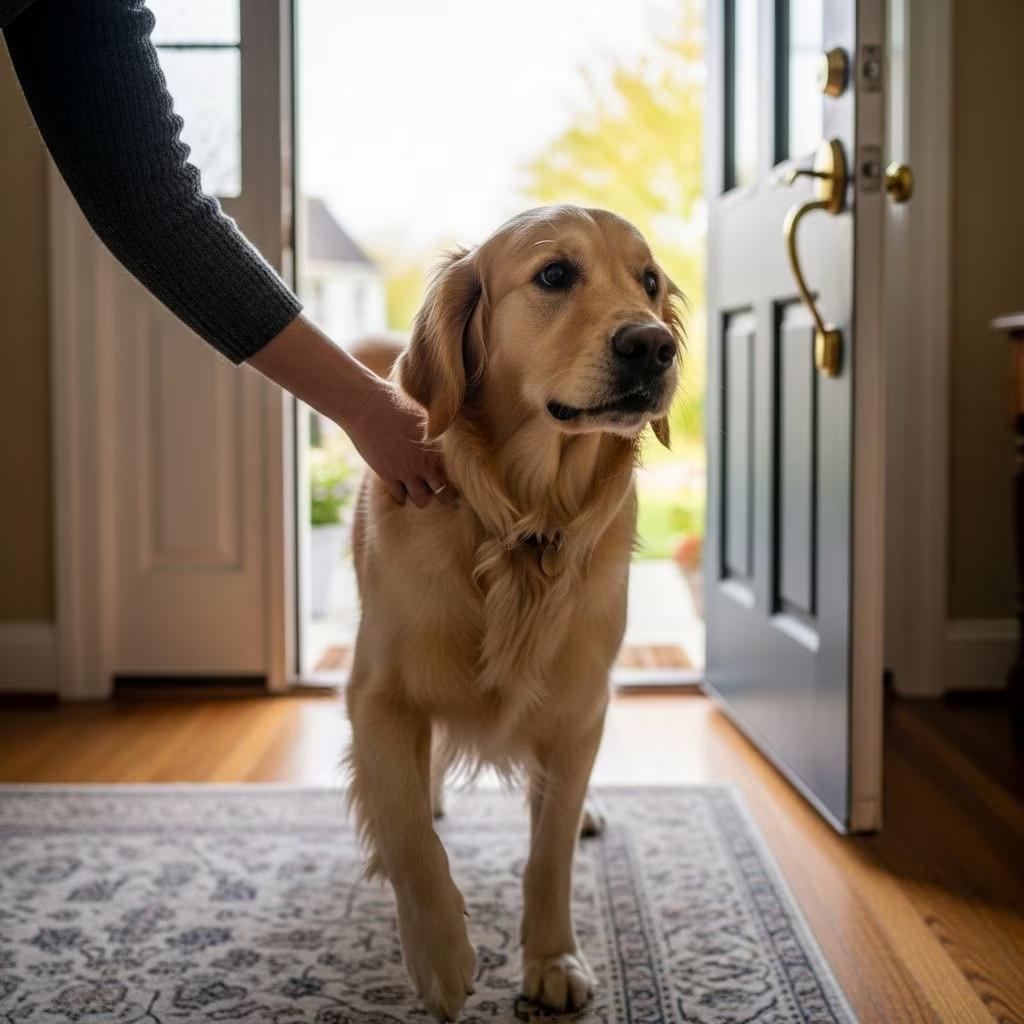
Dogs bolting through open doors pose serious risks, including traffic accidents and getting lost. Training reliable door etiquette keeps pets secure while fostering better household dynamics. This guide outlines practical approaches drawn from established canine behavior principles.
Understanding the Door Dashing Instinct
Door dashing stems from high arousal triggered by sounds like doorbells or excitement over outings. Dogs perceive open thresholds as opportunities for adventure, often ignoring dangers. Recognizing triggers—visitors, leashes, or knocks—allows proactive intervention. High-energy breeds like herding or terriers show this behavior more frequently due to innate drive, but all dogs benefit from structured responses.
Immediate Safety Measures
While training builds long-term habits, short-term barriers prevent mishaps. Leashing your dog before opening the door provides instant control. Portable gates or exercise pens create physical divides, confining pets to safe zones. For persistent cases, these tools serve as permanent solutions alongside gradual desensitization.
- Leash protocol: Attach lead indoors; maintain short hold during entries.
- Gate setups: Install pressure-mounted barriers matching door width.
- Pen alternatives: Foldable enclosures for high-traffic areas.
Core Training Foundations
Success hinges on consistent reinforcement of calm behaviors near thresholds. Begin indoors with low distractions, using rewards to associate doors with patience. Positive reinforcement—treats, praise—outperforms punishment, building trust without fear.
| Training Phase | Goal | Key Tools |
|---|---|---|
| Basic | Stationary position | Treats, leash |
| Intermediate | Door handling | Clicker, verbal cues |
| Advanced | Real scenarios | Helpers, distractions |
Step-by-Step Protocol for Outings
Teach dogs to defer to handlers during exits. This mirrors pack hierarchy, where leaders navigate first.
- Prep indoors: Leash up, reward focus with high-value treats as you gather walk gear.
- Position command: Cue sit or down; reward maintenance while approaching door.
- Door simulation: Touch handle, praise steadiness; reset if arousal rises.
- Open and step: Unlock, step out briefly, return to reward; repeat for threshold crossing.
- Full release: Exit together on cue; reinforce heel position outdoors.
Practice 5-10 sessions daily, fading treats over weeks for reliability. Progress slows if dog breaks position—return to prior step.
Handling Visitor Arrivals
Doorbell excitement amplifies dashing risks. Redirect to alternative routines like stationing on a mat.
- Select station: Choose mat or bed 10-15 feet from door.
- Trigger practice: Simulate knock; lure to station with treats, cue down-stay.
- Distance build: Move away praising; toss rewards for compliance.
- Real integration: Answer door while dog holds position; extend duration gradually.
- Independence: Fade lures, cue verbally for automatic response.
Consistency across family members prevents confusion. Rotate reward types—kibble, toys—to sustain motivation.
Alternative Safe Zone Strategy
Direct dogs to remote areas during disturbances, minimizing door proximity.
- Zone choice: Crate, room, or laundry area away from entry.
- Association game: Pair sound cues with races to zone, followed by chews.
- Escalation: Add door opens; secure zone while rewarding.
- Automation: Dog self-directs on cue, awaiting release.
This method suits multi-dog homes, reducing competition at doors.
Body Language and Space Control Techniques
Leverage canine communication for non-verbal boundaries. “Claiming space” involves assertive posture to block advances, teaching respect without commands.
- Stand tall, shoulders squared; advance calmly to nudge dog back.
- Use peripheral vision; avoid direct stares to prevent escalation.
- Practice with open doors, reinforcing calm retreats.
Combine with obedience foundations like heeling for amplified effect. This instinctive approach excels for strong-willed dogs.
Addressing Common Challenges
High arousal: Desensitize triggers via recordings at low volumes, rewarding calm.
Multiple dogs: Train individually, then group sessions.
Relapses: Revert to management; intensify rewards.
Breed traits: Tailor durations—short for puppies, extended for adults.
Advanced Proofing and Maintenance
Introduce variables: guests, packages, kids. Randomize cues to mimic life. Weekly refreshers prevent fading. Track progress in a journal noting success rates.
For escapes, immediate recall training outdoors reinforces boundaries indirectly.
Tools and Gear Recommendations
| Item | Purpose | Tips |
|---|---|---|
| Front-clip harness | Leash control | Reduces pulling |
| Long-lasting chews | Distraction | Kong-style fillers |
| Wireless doorbell cam | Prep alerts | Remote monitoring |
Frequently Asked Questions
How long until results?
1-4 weeks with daily 10-minute sessions; varies by age and consistency.
What if my dog ignores cues?
Upgrade rewards; shorten sessions; consult professional trainer.
Is punishment effective?
No—creates fear; focus on positives for lasting change.
Puppies vs. adults?
Puppies learn faster; adults need more repetition.
Multi-door homes?
Train each threshold equally.
Long-Term Benefits
Mastered door manners enhance overall obedience, reduce stress, and boost safety. Families enjoy worry-free visits; dogs gain confidence through clear rules. Integrate with comprehensive training for balanced companionship.
References
- How to Teach Your Dog Not to Door Dart — American Kennel Club. 2023-05-15. https://www.akc.org/expert-advice/training/teaching-your-dog-not-to-door-dart/
- Escape Artist at Home? Prevent Your Pet from Door Dashing — Animal Humane Society. 2024-02-10. https://www.animalhumanesociety.org/resource/escape-artist-home-prevent-your-pet-door-dashing-these-tips
- THIS is the Way to Keep Your Dog From Running Out the Door! — Suburban K9 Dog Training (YouTube). 2022-11-20. https://www.youtube.com/watch?v=fSvE4yiyjQU



