

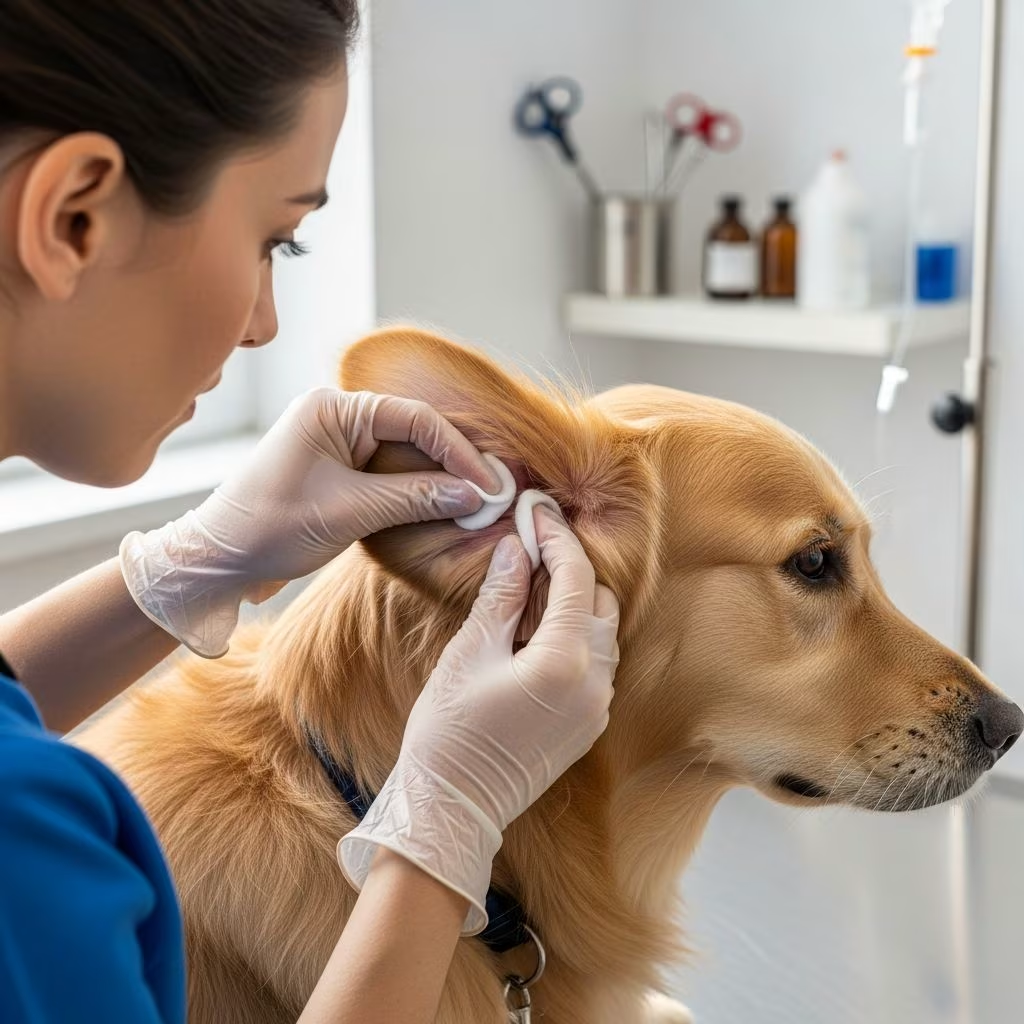
Dog ear infections are common but preventable with consistent care. Regular cleaning, moisture management, and addressing underlying causes like allergies can maintain healthy ears and avoid painful issues.
Understanding Canine Ear Anatomy and Vulnerability
Dogs’ ears vary by breed, with droopy or floppy types like those on Spaniels or Basset Hounds trapping moisture and debris more easily than upright ears on German Shepherds. The L-shaped canal in many dogs hinders natural drainage, creating a warm, dark environment ideal for bacteria and yeast growth. Natural ear flora maintains balance, but excess wax, water, or allergens disrupt it, leading to inflammation known as otitis externa.
Breeds with hairy ear canals, such as Cockers or Poodles, accumulate buildup faster, increasing risks. Recognizing these anatomical factors guides tailored prevention.
Recognizing Early Signs of Ear Trouble
Spot problems early to prevent escalation. Watch for:
- Head shaking or tilting persistently.
- Scratching or rubbing ears on furniture.
- Redness, swelling, or foul odor from the canal.
- Dark, waxy, or bloody discharge.
- Sensitivity when touching the ear base.
These symptoms signal imbalance. A healthy ear smells clean and shows minimal wax. Sniff and inspect weekly during grooming.
Essential Tools for Safe Ear Cleaning
Gather vet-recommended supplies:
| Item | Purpose | Tips |
|---|---|---|
| Vet-approved cleaner | Removes debris without irritation | Avoid alcohol or peroxide-based; opt for those with drying agents for moist ears |
| Cotton balls or gauze | Wipes outer canal | Softer than paper towels; prevents fiber residue |
| Cotton swabs | Cleans folds only | Never insert into canal to avoid pushing debris deeper |
| Treats | Positive reinforcement | Keep sessions rewarding. |
Store tools in a dedicated kit for routine use.
Step-by-Step Ear Cleaning Routine
Clean healthy ears every 1-4 weeks, based on breed and activity. More frequent for swimmers or allergy-prone dogs.
- Prepare your dog: Choose a calm moment; use treats for cooperation.
- Inspect: Check for dirt, scratches, or odor. Stop if infection suspected—see vet immediately.
- Apply solution: Fill outer canal with cleaner. Massage base vigorously for 30 seconds to loosen debris.
- Allow shake: Let dog shake head; this dislodges material naturally.
- Wipe gently: Use gauze or cotton ball to swab from inside out. Go no deeper than first knuckle.
- Dry thoroughly: Ensure no moisture remains, especially post-swim.
- Reward: Praise and treat to build positive association.
Repeat on both ears. Sessions take 5-10 minutes.
Moisture Control: Key to Prevention
Water is a primary culprit. Bacteria and yeast thrive in damp conditions. Strategies include:
- Insert cotton balls before baths or swims to block entry.
- Use swim hoods or snoods for water-loving breeds.
- Dry ears immediately after exposure with absorbent pads.
- Clean post-wet activity, even without visible dirt.
For swimmers, weekly drying solutions help evaporate residual moisture.
Role of Diet and Nutrition in Ear Health
Quality nutrition bolsters immunity and skin barriers. Include:
- Omega-3/6 fatty acids: Reduce inflammation; sources like fish oil support ear canal lining.
- Hypoallergenic formulas: For food-sensitive dogs prone to infections.
- Probiotics: Balance gut-ear axis for fewer flare-ups.
Consult vets for supplements; poor diet exacerbates allergies leading to chronic issues.
Managing Allergies to Protect Ears
Allergies cause 50% of infections by inflaming skin. Control via:
- Weekly hypoallergenic baths to remove pollen.
- Frequent bedding washes.
- Air purifiers in high-allergen homes.
- Limited outings during peak seasons.
Vet tests identify environmental or food triggers for targeted therapy.
Professional Grooming and Trimming
Excess hair traps debris. Professional groomers trim canal hair safely, reducing buildup in prone breeds. Schedule monthly for high-risk dogs; at-home plucking risks injury.
When to Seek Veterinary Help
DIY only for maintenance. Rush to vet if:
- Symptoms persist post-cleaning.
- Deep pain, head tilt, or balance loss (possible middle ear involvement).
- Recurrent issues needing cytology or cultures.
Treatment involves medicated cleansers, antibiotics, or antifungals. Complete full courses to prevent resistance. Chronic cases may require diet trials or allergy shots.
Common Cleaning Mistakes to Avoid
Steer clear of:
- Q-tips in canal: Pushes debris inward.
- Household items: Vinegar or peroxide irritate.
- Over-cleaning: Strips protective oils.
- Ignoring drying: Leaves yeast-friendly moisture.
Stick to professional products for safety.
FAQs
How often should I clean my dog’s ears?
Every 1-4 weeks for most; weekly for active or floppy-eared breeds. Vet advice personalizes frequency.
Can I use apple cider vinegar for cleaning?
Not recommended routinely; it may irritate. Use vet-approved alternatives.
What if my dog hates ear cleaning?
Desensitize with treats, short sessions, and gentle handling. Muzzle if needed for safety.
Are ear infections contagious?
No, but shared toys can spread yeast/bacteria between dogs.
Do probiotics help prevent ear issues?
They support immunity; evidence shows benefits for allergy-related infections.
Long-Term Strategies for Lifelong Ear Wellness
Combine routines: monthly vet checks, seasonal allergy plans, and nutrition tweaks. Track issues in a journal to spot patterns. Educate family on protocols for consistency. With diligence, most dogs enjoy infection-free ears, saving on vet bills and discomfort.
(Word count: 1678)
References
- How to Help Prevent Dog Ear Infections — American Kennel Club. 2023. https://www.akc.org/expert-advice/health/tips-preventing-ear-infections/
- Instructions for Ear Cleaning in Dogs — VCA Animal Hospitals. 2024. https://vcahospitals.com/know-your-pet/instructions-for-ear-cleaning-in-dogs
- How to Prevent Ear Infections in Dogs — Tier1Vet. 2024. https://tier1vet.com/how-to-prevent-ear-infections-in-dogs/
- Ear Infections in Dogs: How to Prevent and Treat Recurring Issues — Emerald Animal Hospital. 2024. https://emeraldanimal.com/ear-infections-in-dogs-how-to-prevent-and-treat-recurring-issues/
- How to Clean Your Dog’s Ears — Cornell University College of Veterinary Medicine. 2024. https://www.vet.cornell.edu/departments-centers-and-institutes/riney-canine-health-center/canine-health-topics/how-clean-your-dogs-ears



