

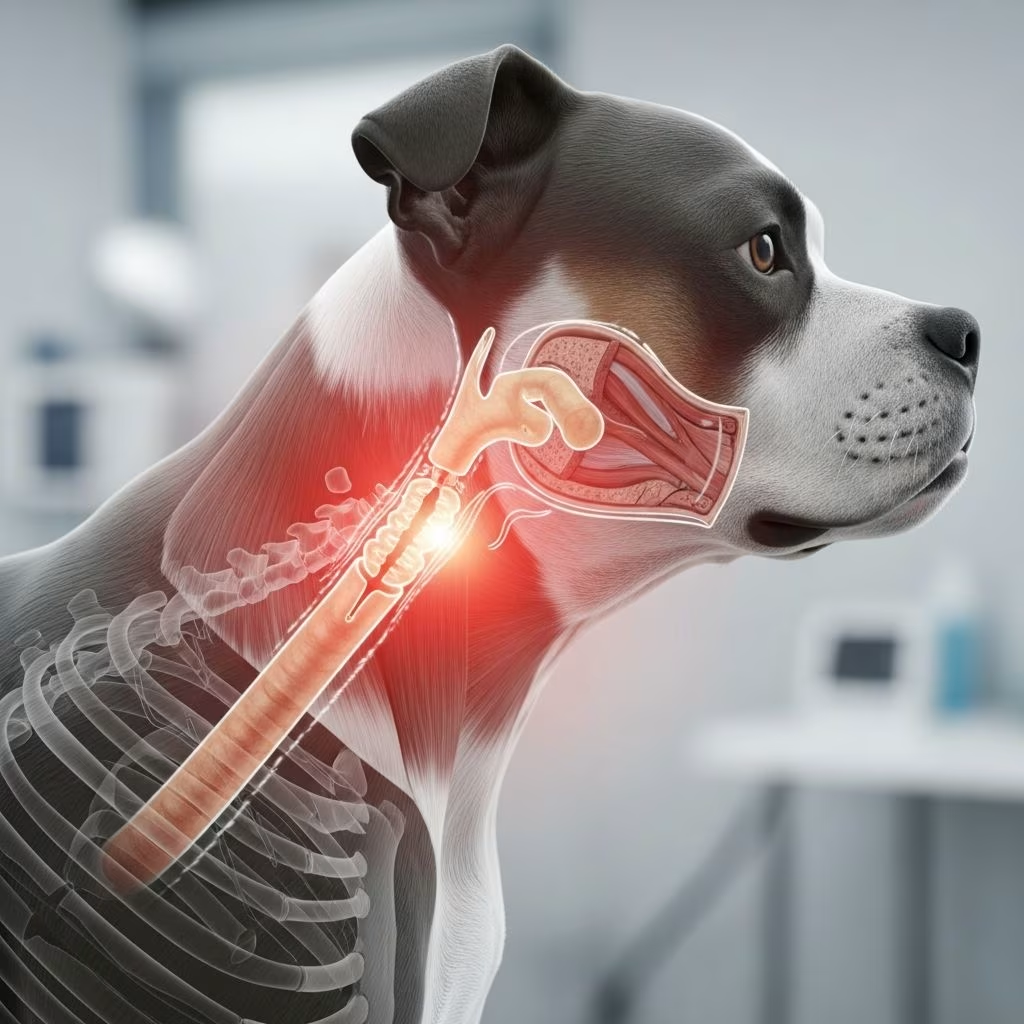
Collapsed trachea is a progressive respiratory condition common in small dog breeds, causing the windpipe to narrow and leading to a distinctive “goose honk” cough, breathing difficulties, and reduced quality of life. Early prevention through lifestyle adjustments, proper equipment, and veterinary monitoring can significantly delay onset or manage symptoms effectively.
What Is Collapsed Trachea in Dogs?
The trachea, or windpipe, consists of rigid C-shaped cartilage rings that keep airways open for airflow. In dogs with collapsed trachea, these rings weaken and flatten, particularly during inhalation, narrowing the airway and obstructing breathing. This condition is chronic and worsens over time, often graded from 1 (mild, 25% collapse) to 4 (severe, full collapse).
Normally stiff in healthy dogs, the trachea’s cartilage loses rigidity due to genetic factors, aging, or chronic irritation, causing the dorsal membrane to sag into the lumen. Small breeds like Yorkshire Terriers, Pomeranians, Chihuahuas, and Poodles are predisposed, especially middle-aged or older dogs. The collapse can affect the cervical (neck), thoracic (chest), or both tracheal segments, with intrathoracic cases often linked to concurrent conditions like heart disease or bronchitis.
Causes and Risk Factors of Collapsed Trachea
Primary causes include congenital cartilage defects, where rings are abnormally soft from birth, though symptoms may not appear until later. Acquired factors accelerate progression: obesity increases abdominal pressure on the trachea; chronic airway irritation from smoke, dust, allergens, or pollutants weakens cartilage over time.
- Genetic predisposition: Toy and small breeds have softer tracheal cartilage.
- Obesity: Excess weight strains the respiratory system, worsening collapse.
- Environmental irritants: Smoke, perfumes, high humidity, and temperature extremes trigger coughing fits.
- Age and concurrent diseases: Middle-aged dogs with heart issues, elongated soft palate, or laryngeal paralysis face higher risks.
- Trauma: Collar pressure from pulling flattens rings repeatedly.
Males may be slightly more affected, and obesity or heart disease can exacerbate symptoms, turning mild cases life-threatening.
Symptoms of Collapsed Trachea in Dogs
The hallmark symptom is a chronic, dry, honking cough resembling a goose call, triggered by exercise, excitement, heat, eating, drinking, or neck pressure. Coughing bouts intensify in humid weather, at night, or with stress, lasting minutes but resolving without phlegm.
- Mild symptoms: Intermittent honking cough, gagging, or retching.
- Moderate: Wheezing, rapid shallow breathing, reduced exercise tolerance.
- Severe (Grade 3-4): Respiratory distress with cyanotic gums, fainting, belly breathing, or collapse—emergency signs requiring immediate vet care.
Owners often mistake it for kennel cough or heart disease. Low energy, panting, and bluish mucous membranes signal progression.
How Is Collapsed Trachea Diagnosed?
Veterinarians suspect tracheal collapse from history and the classic cough in at-risk breeds. Diagnosis involves:
- Physical exam: Palpating the neck to induce coughing; fluoroscopy (real-time X-ray) shows dynamic collapse.
- Imaging: Radiographs assess static collapse; endoscopy visualizes rings and membrane.
- Exclusion tests: Bloodwork, echocardiograms rule out heart/lung diseases.
Grading guides treatment: mild cases manage conservatively; severe need intervention.
Treatment Options for Collapsed Trachea
Most cases (70-80%) respond to medical management, with surgery for refractory Grade 3-4. Lifelong care combines meds, lifestyle changes, and monitoring.
Medical Management
Medications control symptoms and inflammation:
- Cough suppressants: Hydrocodone, butorphanol, or tramadol reduce irritation cycles.
- Bronchodilators: Theophylline, terbutaline, albuterol open airways; inhaled via AeroDawg device preferred.
- Anti-inflammatories: Prednisone or inhaled fluticasone reduce swelling; short-term to avoid side effects.
- Sedatives: Acepromazine or butorphanol calm excitement-triggered episodes.
- Antibiotics: Doxycycline for secondary infections.
Weight loss, harnesses, and environmental control are pillars.
Surgical Interventions
For severe cases:
- Extraluminal prostheses: Silicone rings stabilize external trachea.
- Intraluminal stents: Self-expanding mesh props open lumen; risks include fracture/migration.
- Other: Cartilage grafts or dorsal membrane resection.
Success rates: 70-90%, but complications like granulation occur in 20-30%; meds continue post-op.
How to Prevent Collapsed Trachea in Dogs
Prevention targets risks in predisposed breeds:
- Maintain ideal weight: Feed measured diets; obesity doubles progression risk.
- Use harnesses: Avoid collars to prevent neck trauma.
- Minimize irritants: No smoking indoors, use air purifiers, avoid perfumes/dust.
- Control environment: Cool, dry air; limit strenuous exercise in heat.
- Regular vet checks: Early detection via annual exams for at-risk dogs.
- Healthy lifestyle: Balanced diet, moderate activity to build resilience.
Breeding against genetic defects is ideal, though challenging.
Living with a Dog That Has Collapsed Trachea
Daily management improves life expectancy (often normal with care):
- Harness walking, short cool-weather strolls.
- Clean air, weight monitoring quarterly.
- Calming aids like pheromone collars for anxiety.
- Track cough frequency; adjust meds with vet.
Prognosis: Excellent for mild cases; guarded for severe without surgery. Many live happily into senior years.
When to See a Vet for Collapsed Trachea Symptoms
Seek immediate care for cyanosis, fainting, distress. Routine visits for new/chronic cough in small breeds. Emergency if breathing labors or gums blue.
Frequently Asked Questions (FAQs)
What breeds are prone to collapsed trachea?
Yorkshire Terriers, Pomeranians, Chihuahuas, Maltese, Poodles, and other small/toy breeds.
Is collapsed trachea fatal?
Not typically with management; severe untreated cases can lead to respiratory failure.
Can diet help prevent it?
Yes, weight control via low-calorie diets reduces tracheal strain.
How effective is surgery?
70-90% improvement, but not curative; complications possible.
Can large breeds get it?
Rarely; mostly small breeds, but possible with obesity/trauma.
References
- Collapsing Trachea in Dogs – Everything You Need to Know — PetMD. 2023-05-15. https://www.petmd.com/dog/general-health/collapsing-trachea-dogs-everything-you-need-know
- Collapsed Trachea in Dogs: Causes, Signs, and Treatment — American Kennel Club. 2024-02-20. https://www.akc.org/expert-advice/health/collapsed-trachea-in-dogs/
- Tracheal Collapse in Dogs: What It Is, Symptoms, and Treatment — Trudell Animal Health. 2023-11-10. https://trudellanimalhealth.com/blogs/blog/tracheal-collapse-in-dogs-what-it-is-symptoms-to-look-for-and-how-to-treat-it
- Tracheal Collapse in Dogs — MedVet. 2024-01-08. https://www.medvet.com/tracheal-collapse-in-dogs/
- Tracheal Collapse in Dogs — VCA Animal Hospitals. 2023-09-22. https://vcahospitals.com/know-your-pet/tracheal-collapse-in-dogs
- Tracheal Collapse — Cornell University College of Veterinary Medicine. 2024-03-12. https://www.vet.cornell.edu/departments-centers-and-institutes/riney-canine-health-center/canine-health-topics/tracheal-collapse



