

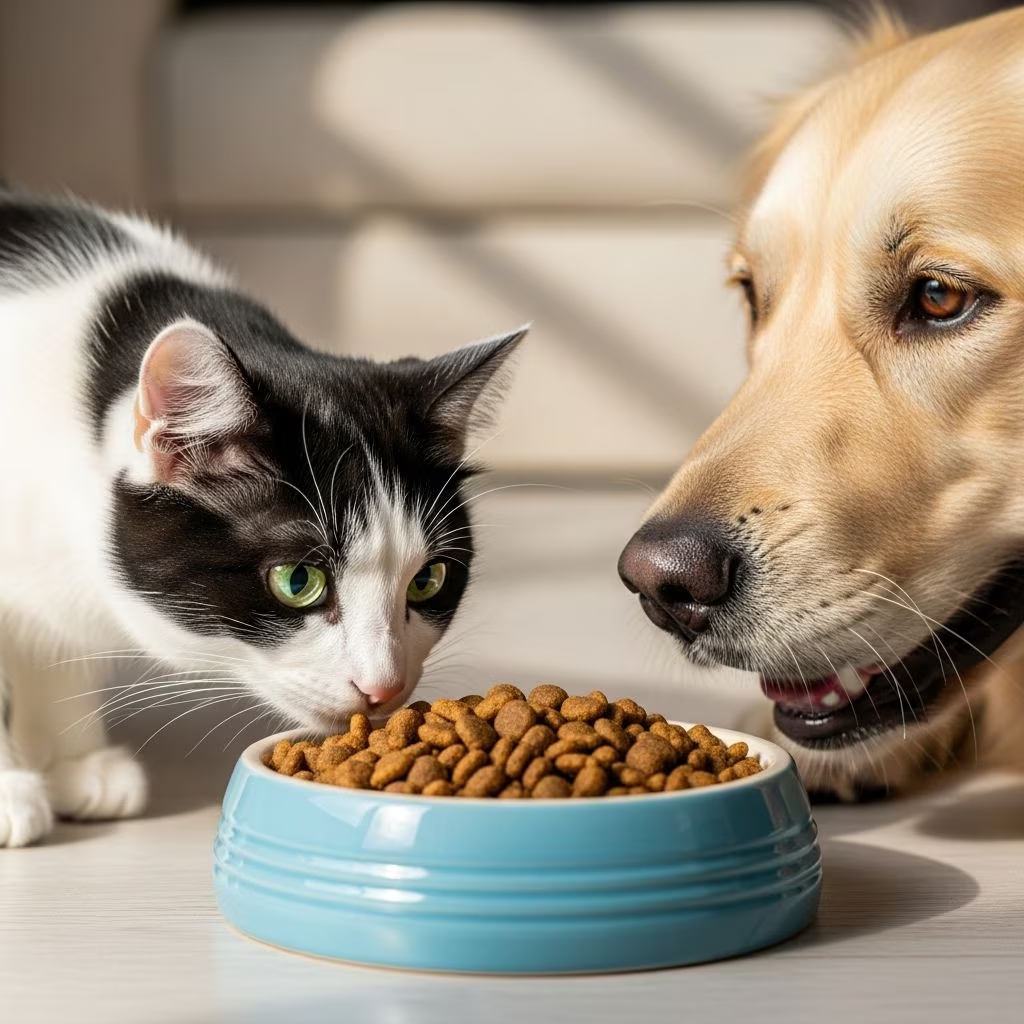
In households with both cats and dogs, mealtime can turn into a battleground as curious felines sneak bites from canine bowls. While a single nibble rarely causes harm, regular consumption of dog food deprives cats of vital nutrients tailored to their biology, potentially leading to deficiencies and health issues over time. This guide outlines why separation matters and delivers actionable solutions to maintain dietary boundaries.
Understanding Nutritional Mismatches Between Cats and Dogs
Cats are obligate carnivores, requiring higher levels of protein, fat, and specific amino acids like taurine, which dog food often lacks in sufficient quantities. Dogs, as omnivores, thrive on formulas with more carbohydrates and plant-based ingredients that suit their digestive systems. When cats rely on dog food, they miss arginine and other essentials, risking heart disease, vision loss, and weakened immunity.
Short-term exposure might only cause mild digestive upset, such as vomiting or diarrhea, but prolonged intake disrupts metabolic balance. Veterinary experts emphasize species-specific diets to prevent obesity in cats from calorie-dense dog kibble or malnutrition from incomplete profiles. Monitoring weight and stool consistency helps detect issues early.
Why Cats Target Dog Food Bowls
Felines often investigate dog dishes due to opportunistic hunger, boredom, or appealing aromas from fresh servings. Free-feeding dogs leaves kibble accessible all day, tempting grazers like cats who prefer multiple small meals. Competition during shared spaces exacerbates this, as cats dart in post-dog meal. Addressing root causes like routine inconsistencies or unappealing cat food reduces incursions.
Practical Feeding Schedule Adjustments
Establishing structured routines curbs cross-feeding effectively. Feed both pets simultaneously in view of each other but out of reach, allowing the faster eater—usually the dog—to finish first. Remove bowls immediately after, preventing lingering temptations. Avoid free-feeding dogs; instead, offer measured portions two to three times daily matching their needs.
For cats, mimic natural patterns with smaller, frequent servings using automatic feeders that dispense on timers, locking out access afterward. This satisfies feline grazing instincts without dog food interference.
Physical Separation Techniques for Harmony
Dividing spaces during meals prevents access entirely. Confine pets to separate rooms, using doors or high pet gates cats can’t scale but dogs respect. Designate pet-specific zones: place dog bowls in low-traffic areas and cat stations in elevated or enclosed spots.
- Room isolation: Feed in different areas, supervising until bowls empty.
- Gates and barriers: Stack baby gates for height; create cat-only passages.
- Post-meal supervision: Escort dogs outside while cats finish undisturbed.
Elevated and Specialized Feeding Stations
Height exploits physical differences. Position cat bowls on counters, shelves, or cat trees beyond dog reach, combining feeding with favored perches for added appeal. Adjustable stands raise dog bowls if needed, though cat elevation proves more common.
Innovative setups include plastic storage bins with small entry holes for cats only, housing their food securely. Clear materials reduce ambush fears, promoting confident eating.
Automatic Feeders and Puzzle Solutions
Technology simplifies management. Dog-proof automatic cat feeders release portions on schedule, portioned for feline appetites and inaccessible to larger pets. Microchip-activated models dispense only for the programmed cat, ideal for busy owners.
Puzzle toys engage cats mentally while delivering meals. Fill cat-specific puzzles with kibble; dogs typically ignore them, securing exclusive access. Homemade options like perforated bottles or boxes mimic commercial designs affordably.
Enhancing Cat Food Appeal
Bland cat food drives bowl-hopping. Experiment with flavors, textures—wet versus dry—or warming servings to heighten aroma, matching dog food’s allure. Transition gradually to avoid refusal, consulting vets for palatability-boosting toppers safe for cats.
Address underlying issues: dental pain or illness may prompt diet switches. Annual checkups ensure optimal nutrition aligns with health.
Storage and Cleanup Protocols
Secure storage deters mischief. Use airtight containers with tight lids cats can’t pry open, storing bags in cabinets or pantries. Promptly sweep spilled kibble, eliminating opportunistic snacks.
Daily deep cleans of bowls and areas prevent residue attraction. Stainless steel or ceramic resists scratches harboring bacteria better than plastic.
Health Monitoring and Veterinary Guidance
Observe for signs of improper diet: unexplained weight changes, lethargy, or coat dullness warrant vet visits. Bloodwork detects taurine shortages early. In multi-pet homes, tailored plans from professionals optimize coexistence.
| Method | Pros | Cons | Best For |
|---|---|---|---|
| Separate Rooms | Foolproof separation | Requires supervision | High-energy pets |
| Elevated Bowls | Easy install | Large dogs may reach | Counter space available |
| Auto Feeders | Hands-free | Initial cost | Working owners |
| Puzzle Toys | Mental stimulation | Learning curve | Bored cats |
Frequently Asked Questions
Is dog food toxic to cats?
No, it’s not toxic, but lacks key nutrients like taurine, making it unsuitable long-term.
What if my cat eats dog food occasionally?
Occasional bites pose little risk; focus on prevention to avoid habits.
Can dogs eat cat food safely?
Dogs tolerate it better due to higher fat, but excess causes obesity or pancreatitis.
How do I choose the right cat feeder?
Opt for microchip or timer models sized for cats, with locking mechanisms.
Will my pets adjust to new routines?
Consistency yields results within 1-2 weeks; positive reinforcement speeds adaptation.
References
- Can Cats Eat Dog Food? — Rover.com. 2023-05-15. https://www.rover.com/blog/can-cats-eat-dog-food/
- How to Stop My Cat from Eating Dog Food? 7 Expert Tips & Tricks — Dogster. 2024-02-10. https://www.dogster.com/dog-nutrition/how-to-stop-cats-eating-dog-food
- How to Keep Dogs & Cats Away From Each Other’s Food — PetSafe (Amy Shojai, CABC). 2016-02-08. https://www.petsafe.com/blog/how-to-keep-dogs-cats-away-from-each-others-food/
- Can Cats Eat Dog Food? A Guide to Safety — Purina US. 2024-11-20. https://www.purina.com/articles/cat/feeding/can-cats-eat/can-cats-eat-dog-food
- Can Cats Eat Dog Food? — Diamond Pet. 2023-08-12. https://www.diamondpet.com/blog/nutrition/cat-food/can-cats-eat-dog-food/
- Can Cats Eat Dog Food? — Chewy. 2024-03-05. https://www.chewy.com/education/cat/food-and-nutrition/can-cats-eat-dog-food



