

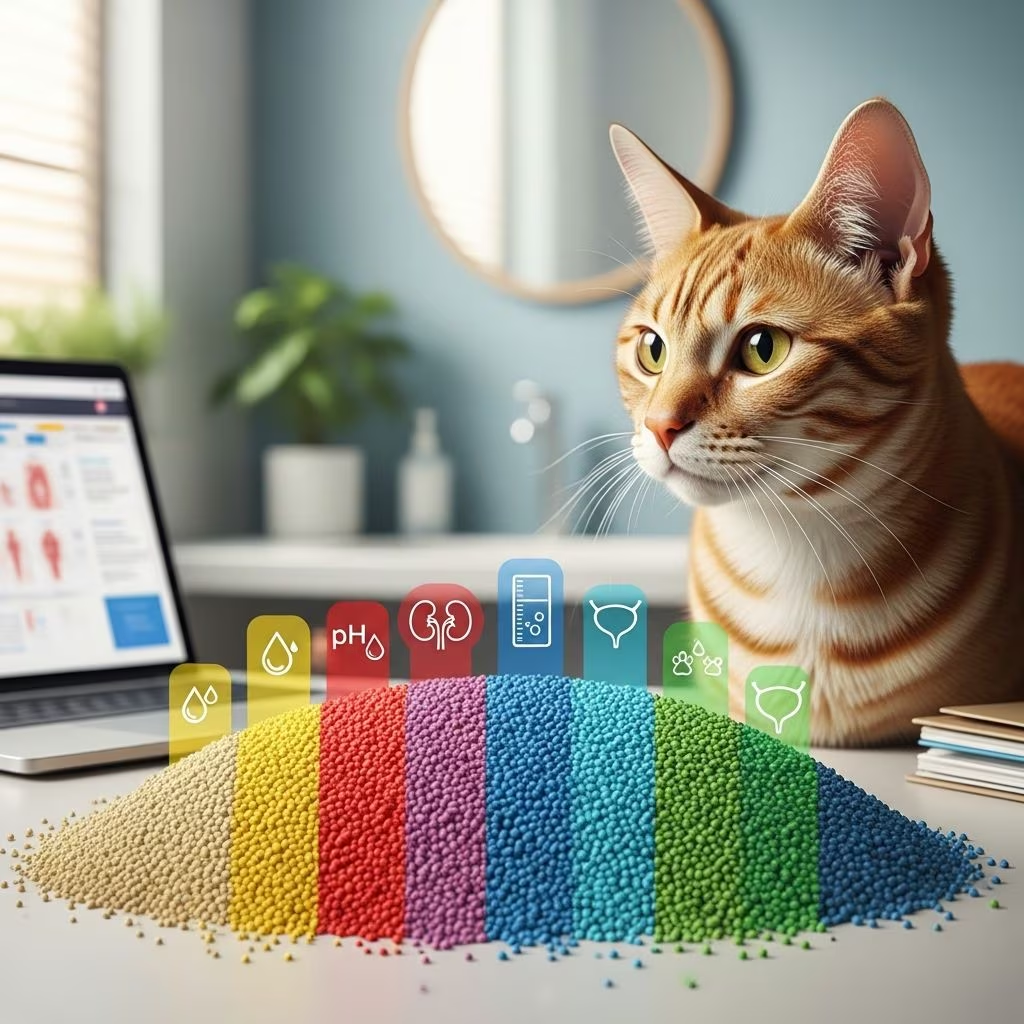
Cat owners often struggle to detect health problems in their feline companions because cats are naturally skilled at hiding symptoms of illness. By the time visible signs appear, a condition may have progressed significantly. This is where innovative pet care products like PrettyLitter come into play, offering a non-invasive way to monitor your cat’s urinary health through color-coded indicators. Rather than waiting for behavioral changes or physical symptoms, this crystal-based litter provides early warning signals that something might be amiss with your pet’s wellness.
The Science Behind pH-Sensitive Litter Technology
PrettyLitter operates on a straightforward scientific principle: it reacts to the acidity and alkalinity levels present in your cat’s urine. Unlike traditional clay or clumping litters that remain relatively unchanged throughout their use, PrettyLitter contains proprietary crystals engineered to detect variations in urinary pH levels. The normal pH range for feline urine falls between 6.0 and 6.5, representing a healthy baseline. When your cat’s urine deviates from this range—either becoming more acidic or more alkaline—chemical reactions occur within the litter crystals, triggering visible color transformations.
This technology works because different pH levels correspond to specific chemical compositions in the urine. When these compositions come into contact with the crystals’ reactive compounds, electron transfer occurs, resulting in the color changes you observe in the litter box. The sensitivity of this detection system allows PrettyLitter to potentially identify health issues before your cat exhibits any noticeable behavioral or physical symptoms.
Decoding the Four Primary Color Indicators
PrettyLitter displays four distinct colors, each representing different pH levels and potential health statuses. Understanding what each color means is essential for responsible pet monitoring, though it’s important to note that color changes alone should not serve as a definitive diagnosis. Rather, they should prompt further investigation and veterinary consultation.
Dark Yellow and Olive Green: The Healthy Baseline
When PrettyLitter displays dark yellow or olive green coloration, this indicates that your cat’s urinary pH remains within the normal, healthy range. This is the color you want to see consistently in your litter box, as it suggests that your cat’s kidneys and urinary system are functioning optimally. Observing this color provides reassurance that no immediate action is needed. Most healthy cats on appropriate diets should produce urine that keeps the litter in this color range.
Orange: Indicators of Acidic Urine
When the litter turns orange, it signals that your cat’s urine has become abnormally acidic, with a pH level below the normal range. This acidic condition can point to several potential health concerns that warrant veterinary attention. Orange-colored litter may indicate the presence of kidney issues, kidney tubular acidosis, metabolic acidosis, or the formation of calcium oxalate crystals and bladder stones.
The development of bladder stones and crystals occurs when waste product concentrations in the urine become so elevated that they solidify into hard particles. These formations can cause significant discomfort and may obstruct normal urinary flow. Additionally, the acidic environment that produces the orange color change can be symptomatic of metabolic disorders that require professional medical management.
Blue or Dark Green: High Alkalinity Concerns
A blue or dark green appearance in your PrettyLitter indicates that your cat’s urine has become excessively alkaline, signifying pH levels above the normal range. This alkaline state often correlates with specific urinary tract complications. Blue litter frequently indicates bacterial urinary tract infections (UTIs) or the development of struvite crystals and bladder stones.
Struvite crystals form preferentially in alkaline environments, making the blue color a significant warning sign that stone formation may be occurring or progressing. Feline Idiopathic Cystitis (FIC), also known as Feline Interstitial Cystitis, represents another condition associated with alkaline urine that blue litter may signal. FIC causes inflammation of the bladder, leading to thickening of the bladder walls, and veterinarians typically diagnose it through ultrasound imaging or cystoscopy procedures.
Red: Blood in the Urine
Perhaps the most alarming color change is red, which indicates the presence of blood in your cat’s urine—a condition known as hematuria. The vivid red color stands out distinctly against the white crystal background of PrettyLitter, making it relatively easy to detect. Blood in the urine can suggest several serious conditions including bladder stones, bladder inflammation, lower urinary tract disease, bladder cancer, and certain types of kidney disease.
While blood in the urine should never be ignored, it’s worth noting that this color change represents one of the most obvious warning signs that demands immediate veterinary evaluation. Unlike subtle pH shifts that might go unnoticed in other litter types, PrettyLitter makes hematuria unmistakable.
Common Feline Urinary Conditions PrettyLitter May Help Detect
Several specific health conditions affecting cats’ urinary systems may produce color changes in pH-sensitive litter. Understanding these conditions helps explain why monitoring litter color matters for your pet’s long-term health.
Urinary Tract Infections
Bacterial urinary tract infections often create alkaline urine conditions, causing PrettyLitter to display blue coloration. UTIs can affect any part of the urinary system and may escalate into serious complications if left untreated. The advantage of pH-monitoring litter is that it can reveal UTI development before your cat displays obvious distress, though persistent color abnormalities lasting beyond 48 hours warrant immediate veterinary attention.
Kidney Disease and Related Disorders
Both acute and chronic kidney conditions can alter urine composition, potentially triggering orange coloration that indicates acidic urine states. Kidney tubular acidosis, a specific kidney dysfunction, produces the acidic environment associated with orange litter. Detecting these changes through PrettyLitter monitoring allows for earlier intervention, potentially slowing disease progression.
Bladder Stones and Crystal Formation
The development of bladder stones represents one of the most common urinary issues PrettyLitter can help identify. These solid accumulations form when dissolved minerals concentrate in urine, eventually crystallizing into larger structures. Different types of crystals form under different pH conditions: struvite crystals develop in alkaline (blue) urine, while calcium oxalate crystals form in acidic (orange) urine. Diet, genetics, and individual metabolic factors all contribute to stone formation risk.
When to Consult Your Veterinarian
Observing a color change in PrettyLitter should initiate a monitoring period, but certain circumstances require immediate veterinary consultation. If you notice any color other than dark yellow or olive green persisting for more than 48 hours, schedule a veterinary appointment. Similarly, if your cat displays any signs of distress—including difficulty urinating, frequent litter box visits, vocalization during urination, or behavioral changes—seek veterinary care regardless of litter color.
It’s crucial to understand that PrettyLitter is not a diagnostic tool in itself. The color changes provide informational feedback that should be combined with your veterinarian’s professional examination, medical history, and any symptoms your cat may be exhibiting. A veterinarian can perform urinalysis, blood work, ultrasound imaging, and other diagnostic procedures to establish a definitive diagnosis.
Optimizing Your Cat’s Urinary Health
While PrettyLitter provides valuable monitoring capabilities, maintaining your cat’s urinary health involves multiple factors working in concert. Adequate hydration remains fundamental—cats that drink sufficient water produce more dilute urine, reducing mineral concentration and crystal formation risk. Providing fresh water in multiple locations and considering water fountains, which many cats find more appealing, can improve fluid intake.
Diet composition significantly influences urinary pH and mineral balance. Your veterinarian can recommend appropriate commercial or prescription diets if your cat shows signs of urinary issues. Environmental stress reduction also matters, as stress can trigger certain urinary conditions in susceptible cats. Regular veterinary check-ups, even when your cat appears healthy, allow for early detection of problems that might not yet be reflected in litter color changes.
Practical Advantages of pH-Monitoring Litter
The primary advantage of using PrettyLitter lies in its capacity for early detection. Many feline urinary diseases progress silently, with cats showing no outward signs until complications force a veterinary emergency. By monitoring litter color daily, you gain a window into your cat’s internal health status before behavioral changes occur. This early warning system can potentially save money on emergency veterinary care and, more importantly, preserve your cat’s health and quality of life.
Additionally, PrettyLitter remains easy to observe compared to traditional clay litter, where subtle color changes would be imperceptible. The dramatic color shifts make monitoring straightforward for all cat owners, regardless of their medical knowledge. The product integrates seamlessly into your existing cat care routine, requiring no special procedures or additional handling.
Limitations and Realistic Expectations
While PrettyLitter offers significant benefits, understanding its limitations ensures appropriate use. The product cannot diagnose specific conditions—only a veterinarian armed with diagnostic tools can do that. Environmental factors, medications, and dietary elements can all influence urine pH without indicating disease. A single color change doesn’t automatically mean your cat is ill; however, persistent changes definitely warrant professional evaluation.
Additionally, some serious urinary conditions may not alter pH enough to trigger visible color changes. PrettyLitter should be considered one tool in your overall cat health monitoring strategy, not a replacement for regular veterinary care and observation of your cat’s behavior and habits.
Frequently Asked Questions
How long does it take for PrettyLitter to change color?
PrettyLitter typically begins showing color changes within minutes of contact with abnormal urine, though the intensity may develop over several hours as the crystals fully absorb and react with the liquid.
Can diet affect PrettyLitter colors?
Yes, diet significantly influences urine pH. Your cat’s food directly affects the mineral composition and acidity level of their urine, which can cause PrettyLitter color variations.
Is PrettyLitter safe for cats?
PrettyLitter uses food-grade silica crystals and contains no harmful chemicals. It is non-toxic and safe for cats, though some cats may develop respiratory sensitivity to dust like any crystalline litter product.
Should I ignore color changes if my cat seems healthy?
Cats excel at hiding illness symptoms. A color change in the absence of visible symptoms doesn’t mean you should ignore it—it may represent early detection of a developing condition. Monitor and consult your veterinarian if changes persist.
How often should I check the litter color?
Daily monitoring allows you to establish your cat’s normal color baseline and quickly identify changes. Most cat owners notice changes during routine litter box maintenance.
References
- What Do PrettyLitter Colors Mean? — PrettyLitter Official Blog. 2025. https://www.prettylitter.com/blog/prettylitter-color-meanings
- What Do the PrettyLitter Colors Mean? Explanation with Color Chart — Catster. 2025. https://www.catster.com/cat-health-care/what-do-the-prettylitter-colors-mean/
- Why PrettyLitter Changes Colors — PrettyLitter Official YouTube Channel. 2025. https://www.youtube.com/watch?v=I6iLbsE9-bk
- PrettyLitter Cat Urine Color Chart — PrettyLitter Official Website. 2025. https://www.prettylitter.com/color-meaning
- What do each of the colors mean? — PrettyLitter Help Center. 2025. https://help.prettylitter.com/hc/en-us/articles/8512159544983-What-do-each-of-the-colors-mean
- Cat Litter Frequently Asked Questions — PrettyLitter Official Website. 2025. https://www.prettylitter.com/faq



