

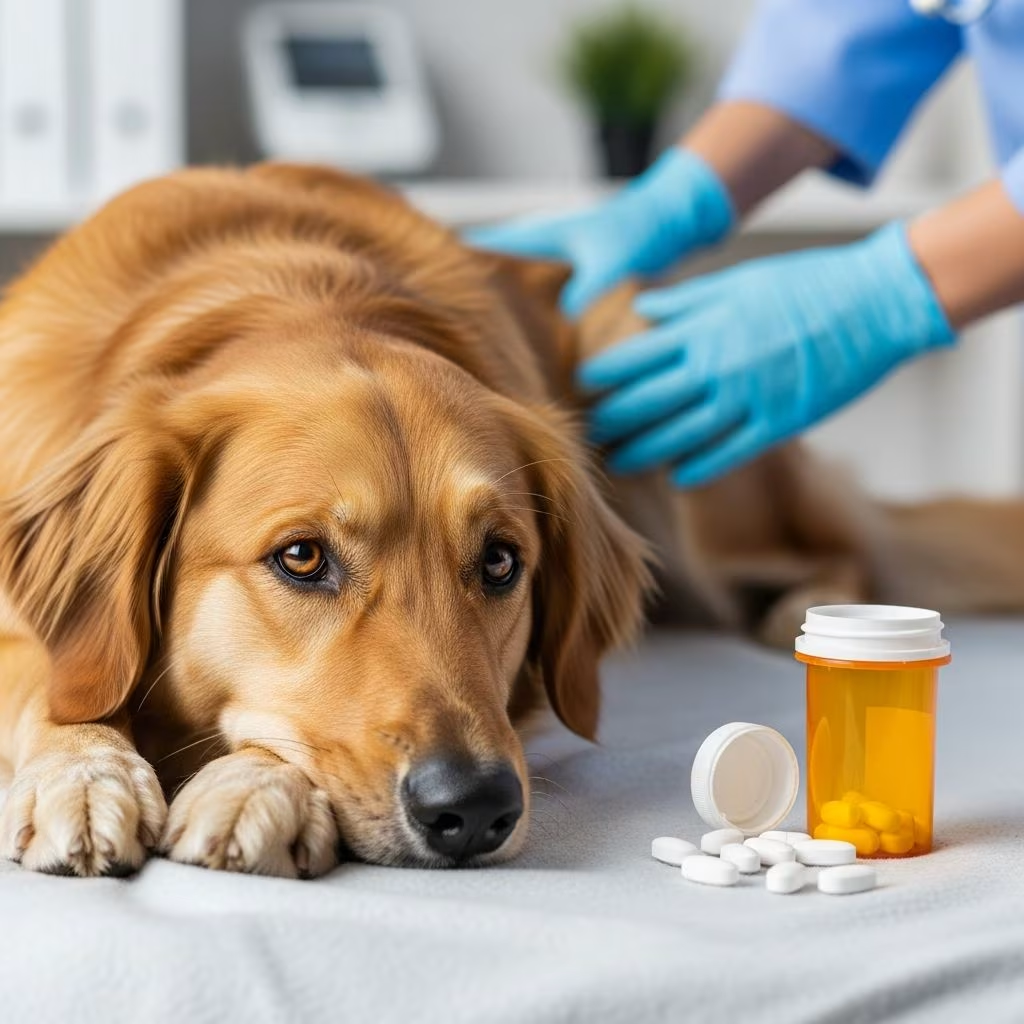
Arthritis affects millions of dogs, causing chronic joint pain, stiffness, and reduced mobility that diminish their daily joy. Veterinary-prescribed medications offer targeted relief by reducing inflammation and blocking pain signals, often combined with lifestyle adjustments for comprehensive care. This article details key pharmaceutical options, their mechanisms, benefits, and considerations to help pet owners make informed decisions with their vets.
Understanding Arthritis in Dogs
Osteoarthritis (OA) in dogs develops from cartilage breakdown in joints, triggered by age, injury, genetics, or obesity. Common in breeds like Labs and German Shepherds, it leads to painful inflammation and bone spurs. Early intervention with prescription drugs can slow progression and restore function. Weight control and gentle exercise form the foundation, amplified by medications that address pain at its source.
Nonsteroidal Anti-Inflammatory Drugs (NSAIDs): The First Line of Defense
NSAIDs remain the cornerstone for managing canine OA pain by inhibiting enzymes that produce inflammatory prostaglandins. They provide rapid relief from swelling, heat, and discomfort in affected joints.
- Carprofen (Rimadyl): Daily oral tablets reduce pain and improve lameness within days. Effective for long-term use under vet monitoring.
- Meloxicam (Metacam): Liquid or tablet form suits various sizes; starts working quickly to enhance mobility.
- Other options: Firocoxib (Previcox) and deracoxib (Deramaxx) offer similar anti-inflammatory effects with once-daily dosing.
These drugs are safer than human OTC versions, avoiding risks like gastrointestinal bleeding. Regular bloodwork ensures kidney and liver safety during prolonged therapy.
Next-Generation Pain Blockers: Piprants and Beyond
Piprants like grapiprant (Galliprant) represent a newer class, targeting specific prostaglandin receptors (EP4) without broad COX inhibition. This minimizes stomach upset while effectively controlling mild to moderate OA pain.
- Administered as a chewable tablet once daily, grapiprant shows full benefits after 3 months.
- Enflicoxib provides weekly dosing after an initial load, ideal for consistent relief with fewer administrations.
These innovations expand options for dogs intolerant to traditional NSAIDs, maintaining efficacy with improved tolerability profiles.
Injectable Therapies: Long-Lasting Joint Protection
Injections deliver drugs directly to joints or systemically, offering prolonged effects and bypassing daily pills. They suit dogs with severe OA unresponsive to orals.
| Treatment | Mechanism | Duration | Administration |
|---|---|---|---|
| Adequan (PSGAG) | Repairs cartilage, lubricates joints | Weeks to months | Vet injections, series of 2x/week |
| Librela (bedinvetmab) | Anti-NGF monoclonal antibody blocks pain signals | Monthly | Subcutaneous vet injection |
| Synovetin OA | Radiotherapeutic particles target inflammatory cells | Up to 1 year | Intra-articular per joint |
Adequan enhances synovial fluid quality, reducing friction. Librela, FDA-approved in 2023, neutralizes nerve growth factor for profound pain reduction without sedation risks. Synovetin provides targeted radiation to inflamed synovium, yielding 70-90% improvement rates in clinical studies.
Adjunct Pain Medications and Muscle Support
For multifaceted pain control, vets layer non-NSAID options onto core therapies.
- Gabapentin and tramadol: Neuropathic pain modulators, often combined for breakthrough discomfort.
- Methocarbamol: Muscle relaxant eases spasms around stiff joints.
- Corticosteroids: Short-term inflammation busters like prednisone; never mix with NSAIDs due to ulcer risks.
Pentosan polysulfate (Cartrophen/Zydax) modifies disease by boosting circulation and cartilage health via weekly injections or tablets.
Integrating Physical and Alternative Therapies
Prescription drugs shine brightest alongside non-drug modalities, creating multimodal protocols.
- Rehabilitation: Underwater treadmills, therapeutic exercises build strength and range of motion.
- Laser and shockwave: Low-level light and sound waves penetrate tissues to cut inflammation.
- Acupuncture and TENS: Needle or electrical stimulation disrupts pain pathways.
Consistent moderate exercise—short daily walks—prevents stiffness without overload. Hydrotherapy supports weight-bearing while minimizing joint stress.
Monitoring and Side Effect Management
All prescription arthritis meds require vigilance. Common NSAID side effects include vomiting, diarrhea, or appetite loss; discontinue and consult vets if seen. Baseline and periodic blood tests track organ function. Hydration, probiotics, and gastro-protectants mitigate GI issues. Tailor doses to age, weight, and concurrent conditions for safety.
Choosing the Right Regimen for Your Dog
Vets assess OA severity via exams, X-rays, and gait analysis to customize plans. Start with NSAIDs or piprants for most cases, escalating to injections for advanced disease. Track progress with pain scales and activity logs. Re-evaluate every 3-6 months, adjusting as needed.
FAQs on Canine Arthritis Medications
What is the safest long-term arthritis drug for dogs?
NSAIDs like carprofen or grapiprant, monitored by vets, offer the best balance of efficacy and safety.
How quickly do arthritis injections work?
Librela and Adequan show effects in days to weeks; Synovetin peaks over months for sustained relief.
Can dogs take human painkillers?
No—products like ibuprofen cause toxicity. Use vet-prescribed options only.
Are there breed-specific considerations?
Large breeds may need joint injections earlier; consult for tailored advice.
How to combine meds with supplements?
Glucosamine/chondroitin complement prescriptions; vet approval prevents interactions.
Future Directions in Canine Joint Care
Emerging anti-NGF therapies and targeted radiotherapeutics promise fewer doses and better outcomes. Gene therapies and regenerative stem cells loom on the horizon, potentially halting OA progression. For now, prescription meds bridge the gap, restoring active lives to arthritic dogs.
References
- Dog Arthritis Treatment: How To Help a Dog With Arthritis — PetMD. 2023. https://www.petmd.com/dog/general-health/dog-arthritis-treatment-how-to-help-a-dog
- Advances in the pharmaceutical treatment options for canine osteoarthritis — PMC (PubMed Central). 2022-12-01. https://pmc.ncbi.nlm.nih.gov/articles/PMC9790257/
- Arthritis in Dogs — VCA Animal Hospitals. 2023. https://vcahospitals.com/know-your-pet/arthritis-in-dogs
- Arthritis Management and Prevention — Colorado State University Veterinary Teaching Hospital. 2024. https://vetmedbiosci.colostate.edu/vth/services/orthopedic-medicine/arthritis-management-and-prevention/
- Common Treatments for Dog Arthritis — GoodRx. 2023. https://www.goodrx.com/pet-health/dog/dog-arthritis-tips-treatment-relief



