

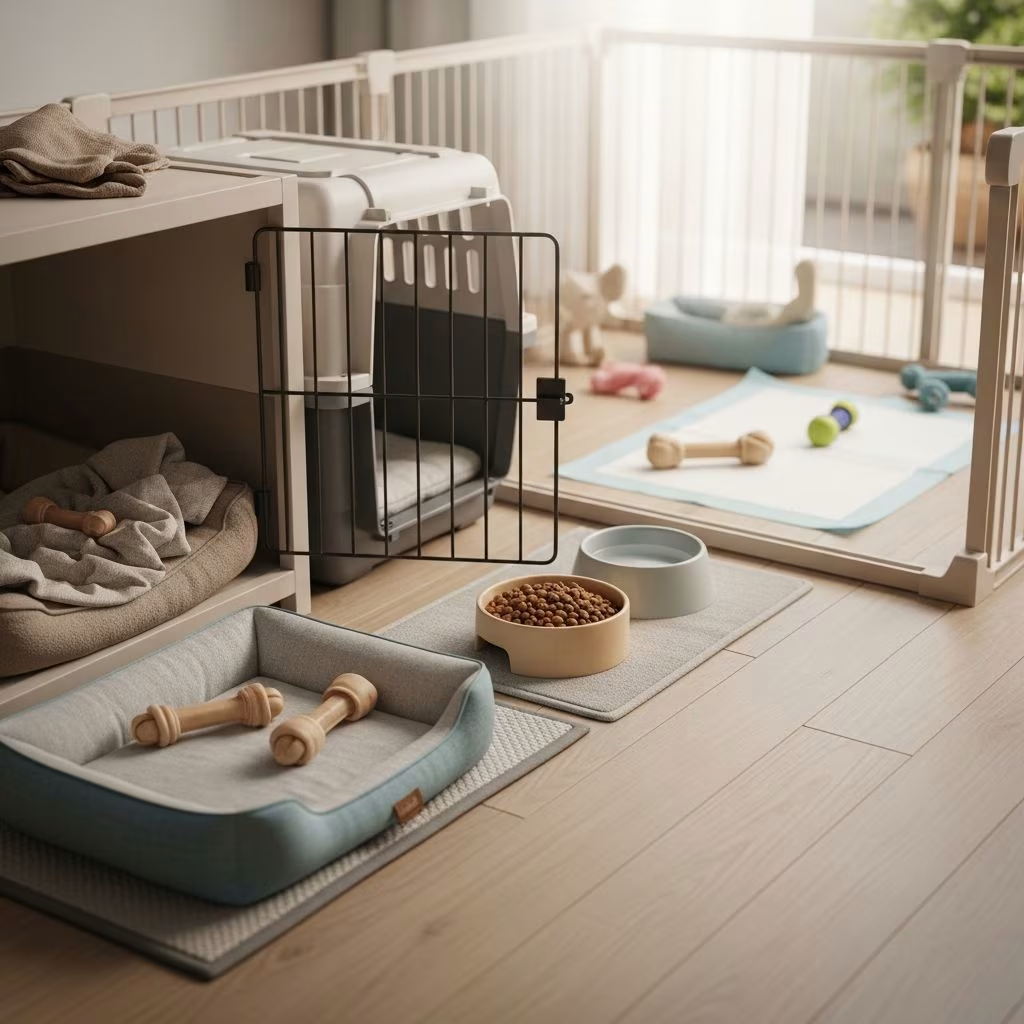
Bringing a puppy into your home marks the start of an exciting journey filled with joy, responsibility, and a few challenges. Proper preparation ensures both you and your new companion adjust smoothly, minimizing stress and maximizing bonding. This guide outlines key steps from securing your living space to stocking up on necessities and planning for health and training needs.
Securing Your Living Space
The foundation of a successful puppy introduction begins with transforming your home into a safe haven. Puppies explore with curiosity, often using their mouths, so hazards must be addressed proactively.
- Remove or secure electrical cords to prevent chewing and shocks.
- Store household chemicals, small objects, and toxic plants like lilies or sago palms out of reach.
- Use baby gates to restrict access to dangerous areas such as kitchens or stairs.
- Anchor furniture to walls to avoid tip-overs during playful tumbles.
Conduct a room-by-room inspection, getting down to puppy eye level to spot overlooked risks. This not only protects your pet but also prevents costly damages and emergency vet visits.
Essential Daily Supplies
Stocking up on core items prevents last-minute scrambles. Focus on durable, puppy-appropriate gear that supports growth and hygiene.
| Category | Recommended Items | Why It Matters |
|---|---|---|
| Feeding | Stainless steel bowls, measuring scoop, high-quality puppy kibble | Prevents spills, ensures portion control, provides balanced nutrition for development. |
| Sleeping | Crate with divider, soft bedding | Creates a den-like safe space, aids house training. |
| Identification | Collar, ID tags, leash, harness | Legal requirement; enables quick return if lost. |
| Cleaning | Enzyme-based cleaners, poop bags | Eliminates odors from accidents, maintains hygiene. |
Choose bowls that are non-tip and easy to sanitize, as puppies eat frequent small meals. A crate sized for adult growth, with a divider for current needs, promotes restful sleep and alone time.
Play and Chew Essentials
Puppies teethe vigorously between 3-6 months, redirecting energy to toys preserves your belongings. Variety keeps them engaged and supports mental stimulation.
- Selection of rubber chew toys for soothing gums.
- Interactive puzzle toys to build problem-solving skills.
- Soft plush toys for comfort, avoiding small parts.
- Rope toys for gentle tugging games under supervision.
Rotate toys weekly to maintain novelty. Supervise play to prevent ingestion of pieces, and discard damaged items promptly.
Hygiene and Grooming Kit
Regular grooming fosters health and habituates puppies to handling, easing future vet exams.
Assemble a starter kit including:
- Puppy-specific shampoo and conditioner for sensitive skin.
- Coat-appropriate brush or comb to prevent mats.
- Nail clippers or grinder with safety stop.
- Finger toothbrush and enzymatic toothpaste.
- Ear cleaner and cotton pads.
Introduce grooming sessions gradually with treats, aiming for weekly routines. Early nail trims prevent overgrowth, which can cause pain or gait issues.
House Training Foundations
Consistency is key to potty success, typically achieved in 4-6 months with diligent effort.
- Puppy pads for indoor use during inclement weather or nighttime.
- Leash for outdoor potty walks on a schedule.
- Bell or button for door signaling as an advanced cue.
- Reusable belly bands for males to manage marking indoors.
Establish a routine: meals, play, potty every 2 hours, plus after naps and eating. Praise successes lavishly to reinforce behavior.
Health and Veterinary Planning
Schedule your puppy’s first vet visit within 72 hours of arrival for a wellness check, deworming, and vaccination planning. Core vaccines include distemper, parvovirus, and rabies per CDC guidelines. Discuss flea, tick, and heartworm preventives tailored to your region.
Prepare records from breeder or shelter, including microchip details. Budget for spay/neuter around 6 months unless medically delayed.
Nutrition Guidelines
Puppy food differs from adult formulas, offering higher protein (22-32%) and fat for rapid growth. Transition gradually over 7-10 days if switching brands to avoid digestive upset.
- Feed 3-4 meals daily until 6 months, reducing to twice.
- Monitor weight weekly; adjust portions to maintain ideal body condition.
- Provide constant fresh water, using slow-feed bowls if gulping occurs.
Consult your vet for breed-specific needs, like large-breed formulas to control growth rates and prevent joint issues.
Socialization and Training Start
The 3-12 week critical window shapes lifelong temperament. Enroll in puppy classes for safe exposure to peers and handlers.
- Use positive reinforcement: treats, praise for desired actions.
- Clicker for precise marking of good behavior.
- Expose to household noises, people, and surfaces gradually.
Avoid dog parks until fully vaccinated. Daily short sessions build focus and prevent fear responses.
Transportation and Travel Gear
Safe travel protects your puppy from injury during car rides or vet trips.
- Crash-tested car harness or secured crate.
- Portable water bowl and travel pads.
- Blanket with home scent for comfort.
Never leave puppy unattended in vehicles due to heat risks.
Family Preparation and Routines
Involve all household members in rules: no teasing, consistent commands, supervised interactions with kids. Dogs thrive on predictability, so map out daily schedules for feeding, walks, and play.
Designate a quiet adjustment period post-arrival, limiting visitors for the first week.
Common Pitfalls to Avoid
- Overlooking growth spurts requiring supply upgrades.
- Skipping ID tags despite microchip.
- Free-feeding, which complicates potty timing.
- Ignoring teething signs leading to destructive chewing.
FAQs
What is the first thing to buy for a new puppy?
A crate and ID collar top the list for immediate safety and legal compliance.
How do I puppy-proof on a budget?
Prioritize free actions like cord taping and gate alternatives from household items, then invest in essentials.
When should I start house training?
Day one, with frequent outdoor access matching their small bladders.
Is pet insurance necessary?
Recommended for covering accidents and illnesses during the high-risk puppy phase.
What if my puppy cries at night?
Comfort briefly without removal from crate to build independence; a ticking clock can soothe.
References
- Healthy Pets: Dogs — Centers for Disease Control and Prevention. 2024-01-15. https://www.cdc.gov/healthy-pets/pets/dogs.html
- New Puppy Checklist — People’s Dispensary for Sick Animals (PDSA). 2023-11-20. https://www.pdsa.org.uk/pet-help-and-advice/looking-after-your-pet/puppies-dogs/new-puppy-checklist
- Puppy Essentials: New Puppy Checklist — American Kennel Club (AKC). 2024-05-10. https://www.akc.org/expert-advice/puppy-information/new-puppy-checklist/
- Bringing Home a New Puppy: Essentials Checklist — Embrace Pet Insurance. 2023-08-05. https://www.embracepetinsurance.com/waterbowl/article/puppy-essentials-new-puppy-checklist
- New Puppy Checklist: What to Prepare — Levittown Veterinary Hospital. 2024-02-28. https://www.levittownvet.com/new-puppy-checklist-everything-you-need-for-the-first-30-days/



