

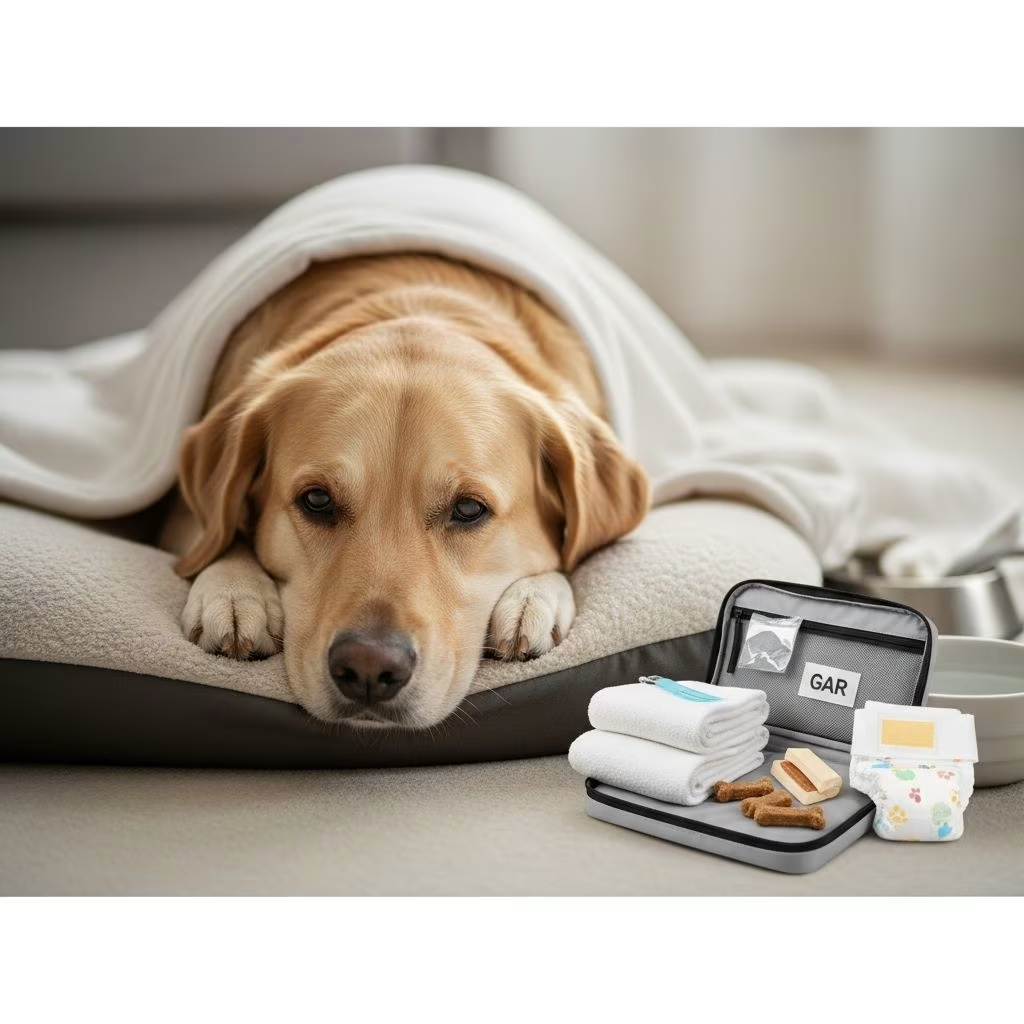
If you have a female dog, understanding and preparing for her heat cycle is an essential part of responsible pet ownership. The estrous cycle, commonly referred to as “being in heat,” is a natural reproductive process that occurs in unspayed female dogs. Whether you’re a first-time dog owner or have had dogs before, knowing what to expect during this time can help you provide the best care and comfort for your furry companion. This comprehensive guide will help you understand the heat cycle, recognize the signs, and prepare your home and routine for this important period in your dog’s life.
Understanding the Heat Cycle: The Basics
A female dog’s heat cycle, scientifically known as the estrous cycle, is a biological process that prepares the dog’s body for reproduction. Most female dogs experience their first heat cycle between six and twelve months of age, though this can vary significantly depending on breed and size. Small breed dogs typically go into heat earlier, sometimes as young as six months old, while large and giant breed dogs may not experience their first heat until eighteen to twenty-four months of age.
On average, unspayed female dogs go into heat approximately twice per year, or roughly every five to eleven months. However, this frequency varies by breed. Some smaller breeds may cycle more frequently—as often as every four months—while certain large breeds and specific breed types like Basenjis and Tibetan Mastiffs only experience one heat cycle per year.
The entire heat cycle typically lasts two to four weeks, though the fertile window when mating can occur usually falls around days ten to fourteen of the cycle. Understanding these timelines is crucial for planning and preparing your home and schedule.
The Four Stages of the Estrous Cycle
The canine estrous cycle consists of four distinct stages, each with unique characteristics, symptoms, and behavioral changes. Understanding each stage will help you know what to expect and how to best support your dog.
Stage One: Proestrus (Pre-Mating Phase)
Proestrus is the beginning of the heat cycle and typically lasts between seven and ten days, though it can extend up to four weeks. During this stage, your dog’s body begins to prepare for potential reproduction. The most obvious physical signs include swelling of the vulva and bloody or blood-tinged vaginal discharge. Your dog may also display increased urination, which serves as a way to mark territory and signal to male dogs that she is coming into season.
While males may become attracted to your dog during proestrus, she will not be receptive to mating yet. Your dog may show subtle behavioral changes during this phase, and you might notice her licking her vulva more frequently. Some dogs become slightly more affectionate, while others may show increased restlessness or anxiety.
Stage Two: Estrus (Mating Period)
Estrus is the second stage of the heat cycle and typically lasts between five and ten days. This is the fertile period when your dog is capable of becoming pregnant if she mates with a male dog. During estrus, the ovaries begin releasing eggs for potential fertilization. The vaginal discharge typically becomes lighter in color, sometimes appearing pink or straw-colored rather than bright red. The vulva remains swollen, though the swelling may decrease slightly.
Behaviorally, your dog may undergo significant changes during estrus. She will actively seek out male dogs and may become restless, anxious, or hyperactive. Your dog may attempt to escape the yard or house to find a mate, and she may display mounting or humping behavior. She will stand in a receptive position when touched, raising her tail to the side—a clear signal that she is ready to mate. Increased urination continues as she marks territory to advertise her fertility.
Stage Three: Diestrus (Post-Estrus Phase)
If your dog has not been impregnated during estrus, she enters the diestrus stage, which lasts between ten and one hundred forty days. This is the recovery phase of the cycle. The vulvar swelling gradually decreases and eventually disappears completely. The vaginal discharge stops, and your dog’s hormonal levels change dramatically.
During diestrus, your dog’s behavior shifts significantly. She may become lethargic, less active, or seem depressed compared to her normal personality. This behavioral change is completely normal and temporary. Some dogs may experience symptoms of false pregnancy during this stage, including lactation, nesting behaviors, and enlarged mammary glands. While these symptoms usually subside on their own, you should consult your veterinarian if they persist or seem distressing to your dog.
Stage Four: Anestrus (Resting Phase)
Anestrus is the final stage of the estrous cycle and represents the quiet period between heat cycles. This stage typically lasts three to six months. During anestrus, there are no signs of heat, and your dog’s reproductive system is completely inactive. Your dog’s behavior returns to normal, and she will seem like herself again. This period allows her body to rest and reset before the next heat cycle begins.
Recognizing the Signs Your Dog Is in Heat
Being able to identify when your dog is in heat is crucial for proper management and safety. The physical and behavioral signs are usually quite clear once you know what to look for.
Physical Symptoms
The most obvious physical sign of heat is vaginal discharge. This discharge typically appears bloody or blood-tinged during proestrus and may be lighter in color during estrus. The discharge usually lasts between twelve and twenty days. Other physical signs include:
– Swollen or enlarged vulva, which may appear pink or reddened- Swollen nipples- Increased urination frequency- Excessive licking of the vulva area- Loss of appetite in some dogs
Behavioral Changes
Behavioral signs can be just as telling as physical symptoms. Your dog may display:
– Restlessness and inability to settle comfortably- Increased affection or, conversely, increased aggression- Heightened attention from male dogs in the neighborhood- Attempts to escape or roam, seeking male dogs- Mounting or humping behavior, even directed at objects or other dogs- Tail positioning held to the side- Whining or vocalizing more than usual- Marking behavior and increased urination
Preparing Your Home and Routine
Once you know your dog is in heat or approaching her cycle, preparation is key to keeping her safe, comfortable, and preventing unwanted pregnancies.
Home Safety Measures
Your primary concern should be preventing unintended mating. Even if you don’t plan to breed your dog, accidental breeding can happen surprisingly easily. Ensure that:
– Your yard is completely secure with no gaps in fencing- Gates are locked and cannot be opened by visitors or other animals- Windows remain closed or are screened appropriately- Your dog is never left unsupervised outdoors, even briefly- She does not have access to neighborhoods or areas where she might encounter intact male dogs
Consider confining your dog to a secure indoor space during her heat cycle to minimize escape risks. Many owners find that keeping their dog in a restricted area of the house makes management much easier during this period.
Managing Discharge
The vaginal discharge during the heat cycle can soil furniture, bedding, and flooring. To protect your home:
– Use washable rugs or blankets in areas where your dog spends time- Consider using dog diapers specifically designed for heat cycles- Place her bed on easily cleanable surfaces- Use enzymatic cleaners to remove any accidents- Increase bathing frequency, but use gentle, dog-appropriate products
Exercise and Mental Stimulation
Your dog’s exercise and play needs will vary depending on which stage of the cycle she is in. During proestrus and estrus, when she may feel restless and anxious, increased exercise and mental stimulation can help channel her energy productively. Provide longer walks, interactive play sessions, and puzzle toys to keep her engaged.
During diestrus, when she may feel lethargic, create a comfortable, quiet space where she can rest. Reduce intense exercise during this recovery phase and focus instead on gentle activities and relaxation.
When to Contact Your Veterinarian
While a heat cycle is a normal biological process, certain situations warrant veterinary attention. Contact your veterinarian if:
– Your dog appears to be in pain at any point during the cycle- The heat cycle lasts longer than four weeks, which may indicate an underlying condition such as a cyst or tumor- Your dog shows signs of a uterine infection, including fever, lethargy, loss of appetite, or foul-smelling discharge- Your dog displays extreme behavioral changes or signs of distress- False pregnancy symptoms persist or seem severe- The discharge appears abnormal in color, consistency, or odor- Your dog fails to cycle when expected, which could indicate a health issue
Your veterinarian is the best resource for any concerns about your dog’s reproductive health and can provide specific guidance for your individual dog.
Spaying: A Permanent Solution
If managing heat cycles is challenging or if you do not plan to breed your dog, spaying (ovariohysterectomy) is a permanent solution. Spaying prevents your dog from going into heat entirely and eliminates the associated challenges. Spaying also provides additional health benefits, including reduced risk of certain cancers and elimination of the risk of uterine infections. Most veterinarians recommend spaying before the first heat cycle for maximum health benefits, though it can be performed at any age.
Frequently Asked Questions
Q: At what age do dogs first go into heat?
A: Most female dogs experience their first heat cycle between six and twelve months of age, though small breeds may start as early as six months while large and giant breeds may not go into heat until eighteen to twenty-four months old.
Q: How long does a dog’s heat cycle last?
A: A dog’s full heat cycle typically lasts two to four weeks, with the fertile window occurring around days ten to fourteen. The first two stages (proestrus and estrus) together usually last twelve to twenty days.
Q: Can I leave my dog outside during heat?
A: It is not recommended to leave your dog unsupervised outside during heat, as male dogs can detect the pheromones from considerable distances and may attempt to reach her. Your yard must be absolutely secure to prevent escape or male dogs from entering.
Q: Is it normal for my dog to lose her appetite during heat?
A: Some dogs experience loss of appetite during their heat cycle, particularly during estrus. This is generally normal, but if your dog refuses food for extended periods or loses significant weight, consult your veterinarian.
Q: What is false pregnancy in dogs?
A: False pregnancy is a condition where a non-pregnant dog displays pregnancy and nursing behaviors, including lactation and nesting instincts, usually during diestrus. These symptoms typically resolve on their own but may require veterinary attention if they persist.
Q: How often should I bathe my dog during heat?
A: You may bathe your dog more frequently during heat to help manage discharge and keep her comfortable, but use gentle dog-specific shampoos to avoid irritating sensitive skin. Avoid bathing during diestrus unless necessary, as frequent bathing during the recovery phase is unnecessary.
Q: Should I use dog diapers during heat?
A: Dog diapers designed for heat cycles can be helpful in protecting your home from discharge. However, ensure proper hygiene by changing them frequently and checking that they do not irritate your dog’s skin.
References
- Signs Your Dog is in Heat and How to Care for Them — Pumpkin.care. 2024. https://www.pumpkin.care/post/dog-in-heat
- How Long Are Dogs In Heat? Canine Estrous Cycle and Stages — GoodRx Pet Health. 2024. https://www.goodrx.com/pet-health/dog/how-long-are-dogs-in-heat
- Dogs In Heat: Timeline, Duration, and Symptoms — PetMD. 2024. https://www.petmd.com/dog/general-health/dog-in-heat
- Understanding Your Dog’s Heat Cycle at Every Age — Bark and Whiskers. 2025. https://www.barkandwhiskers.com/2025-07-25-dogs-heat-cycle/
- Dog estrous cycles — Cornell University College of Veterinary Medicine. 2024. https://www.vet.cornell.edu/departments-centers-and-institutes/riney-canine-health-center/canine-health-topics/dog-estrous-cycles
- Dog in Heat a Guide for Paw Rents — Pet Doctor of Chandler. 2024. https://www.petdoctoraz.com/blog/dog-in-heat-a-guide-for-paw-rents
- Dog in Heat (Canine Estrus): Symptoms and Spaying — WebMD Pets. 2024. https://www.webmd.com/pets/dogs/how-tell-if-dogs-heat



