

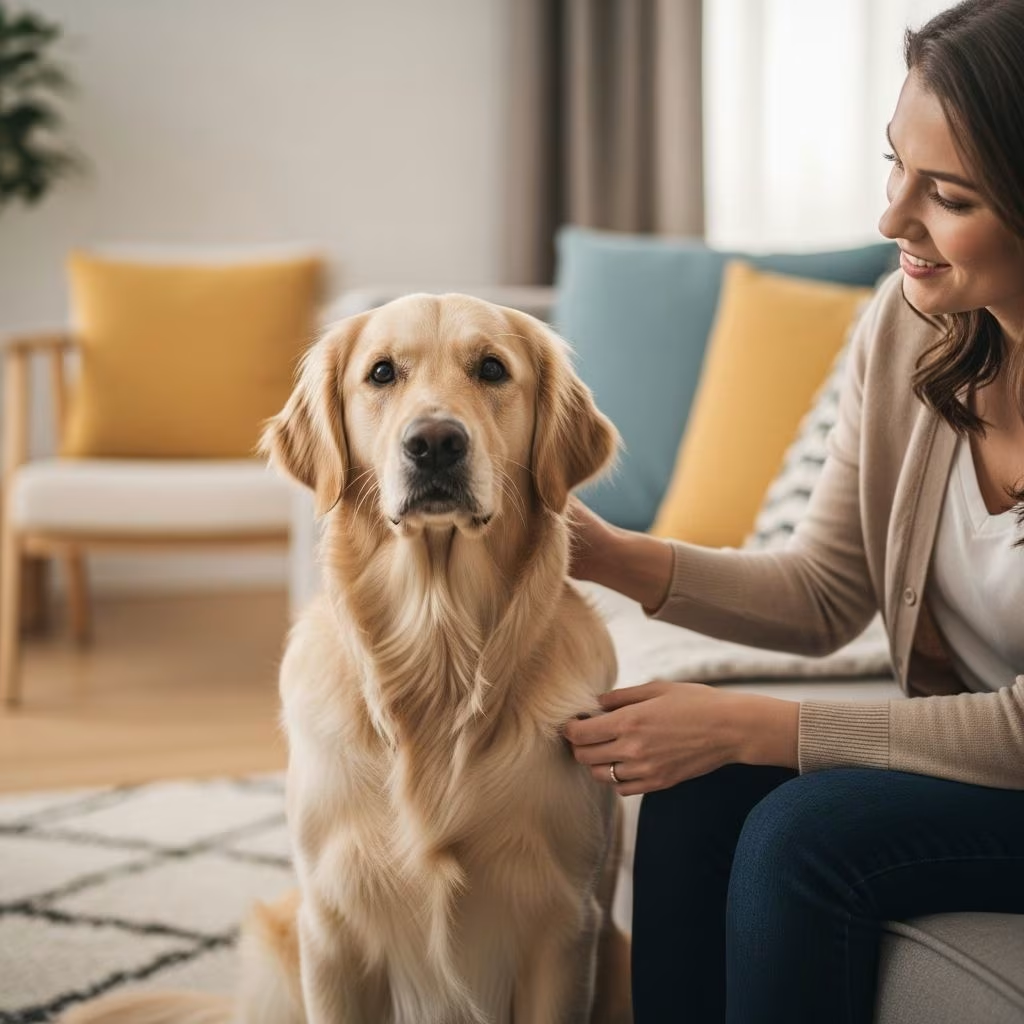
Taking your dog to visit friends and family can be one of the most rewarding experiences for both you and your pet. However, without proper preparation and training, these outings can quickly become stressful situations for everyone involved. The key to successful social visits lies in understanding your dog’s needs, investing in foundational training, and approaching new environments with a structured plan. This guide provides actionable strategies to transform your dog into a confident, well-mannered companion who thrives during social interactions.
Understanding the Foundation: Why Preparation Matters
Many dog owners underestimate the importance of preparing their pets for social situations. When dogs arrive at unfamiliar homes without adequate training or mental preparation, they often exhibit behaviors that embarrass their owners and make hosts uncomfortable. These behaviors typically stem from anxiety, excitement, or a lack of clear behavioral boundaries rather than intentional misbehavior.
The foundation of any successful social visit begins weeks or even months before the actual trip. Dogs benefit tremendously from consistent training that establishes what behaviors are acceptable and which are not. This training should address basic obedience, impulse control, and appropriate greeting etiquette. Additionally, gradual exposure to new environments and varied social situations builds your dog’s confidence and reduces stress during visits.
Assessment and Pre-Visit Planning
Before committing to a social visit, honestly assess your dog’s readiness. Consider their current training level, socialization history, and any behavioral challenges. A dog who exhibits aggression toward other animals or people should never be brought to homes where they might feel threatened or uncomfortable. Similarly, dogs with severe anxiety may require additional preparation time or professional behavioral support.
Once you’ve determined your dog is ready, communication with your host becomes essential. Reach out in advance to discuss your dog’s needs, dietary requirements, bathroom routines, and any behavioral quirks. Ask about other pets in the home and any household members who might have allergies or fears related to dogs. This proactive approach prevents awkward situations and allows everyone to prepare accordingly.
Essential Training Before You Go
The Sit Command: Your Primary Tool
Among all canine commands, the sit command stands as the most crucial behavior for social visits. This single command addresses nearly every problematic behavior that might occur during a visit, including jumping on people, jumping on furniture, inappropriate chewing, and excessive barking. A dog sitting cannot simultaneously engage in these unwanted behaviors, making sit the foundation of polite social conduct.
To develop a reliable sit command, practice in your home environment with consistent rewards. Your dog should respond to “sit” within seconds, regardless of distractions. Once your dog masters this command in familiar settings, practice it in new environments, gradually increasing the level of distraction. By the time you visit friends or family, your dog should sit on command even when excited or distracted.
House Training and Bathroom Management
Accidents in someone else’s home rank among the most stressful experiences for visiting dog owners. Before any visit, ensure your dog has reliable house training. This means establishing a consistent bathroom routine and being able to go potty on command. Your trainer or host should understand the specific signal you use—whether it’s “go potty,” “outside,” or another phrase—so they can assist if needed.
Take your dog to the designated bathroom area immediately upon arrival and reward successful bathroom breaks with praise and treats. Continue this routine before meals, after meals, after play sessions, and before bedtime. Some dogs may need to visit the bathroom area every two to three hours initially, mimicking the schedule of a young puppy in a new environment.
Managing Excitement and Greeting Behavior
Dogs experience significant excitement when entering new environments and meeting new people. Controlling this excitement is critical for a successful visit. Practice polite greeting behaviors at home by having friends visit and reinforcing calm, appropriate responses. Your dog should not jump on visitors, push against them, or become overly exuberant.
One effective technique involves teaching your dog a “default sit” response when someone enters your home or approaches them. With practice, your dog learns that sitting automatically results in treats and attention. When your host arrives at their own home, ask them to assist with this training by giving your dog a treat when they sit, reinforcing the behavior in a new context.
Pre-Visit Preparation Strategies
Exercise and Mental Stimulation
An exercised dog is typically a calmer, more manageable dog. Schedule vigorous exercise about one hour before your host’s arrival or before you depart to visit them. A good exercise session depletes your dog’s excess energy, making them more likely to settle down and relax when guests arrive or when you reach your destination.
Mental stimulation is equally important as physical exercise. Consider puzzle toys, sniffing games, or training sessions that engage your dog’s brain. A mentally tired dog is less likely to develop destructive behaviors or excessive excitement.
Acclimating to New Environments
If possible, visit the location where you’ll be staying beforehand. Allow your dog to explore the space on a leash, sniff different areas, and become familiar with the layout. This familiarity reduces anxiety and helps your dog understand the boundaries of acceptable behavior.
If an advance visit isn’t possible, plan to arrive early and allow your dog supervised time to explore before other guests arrive or before full interaction begins. Keep your dog on a leash during this exploration period until they begin to settle down and show signs of acclimation to the new space.
Managing First Meetings With Other Pets
Neutral Territory Introductions
When your host has another dog, initial meetings should occur in neutral territory away from the host’s home when possible. Walking together in a park or quiet area is ideal, as dogs often feel less protective of resources outside their own space. This approach reduces the likelihood of territorial aggression and sets a positive tone for the visit.
During the introduction, both dogs should be on leashes, allowing controlled interaction while maintaining safety. Watch for positive body language: relaxed posture, play bows, mutual sniffing, and parallel walking. Separate the dogs if tension rises, and try again after both have calmed down.
At-Home Interactions
Once you arrive at your host’s home, allow your dog time to acclimate before extensive interaction with other pets. Keep your dog on a leash initially, allowing them to explore the space while remaining under control. This prevents the resident dog from feeling their territory is being invaded too quickly.
Supervise all interactions between dogs, even if you believe they play well together. Excitement in a new environment can change how dogs interact. Provide separate spaces where each dog can retreat if needed, and never leave them unsupervised together during your visit.
Managing Interactions With Children
When visiting homes with children or when children will be present, careful supervision becomes paramount. Even dogs excellent with children in familiar settings may react unpredictably in new environments. The responsibility for supervision falls entirely on you as the dog owner—not on the children or their parents.
Observe your dog’s body language constantly during interactions with children. Signs of stress include lip licking, yawning, turning away, stiff posture, or raised hackles. At the first sign of discomfort, calmly separate your dog from the child and provide your pet with a safe space away from the action. Err on the side of caution; a bite incident can result in legal liability, injury, and potentially euthanasia for your dog.
Bathroom Routines While Visiting
Maintaining your dog’s normal bathroom schedule while visiting prevents accidents and reduces stress. Identify the appropriate potty areas at your host’s home before your dog has an accident. Ask permission regarding which parts of the yard or outdoor space your dog can use. Take your dog to this designated area multiple times daily, especially after eating, drinking, or playing.
Use your established bathroom command consistently, rewarding successful outdoor elimination with praise and treats. If your dog has an accident indoors, clean it thoroughly with enzymatic cleaner to eliminate odors that might encourage repeat accidents. Never punish your dog for accidents in a new environment; instead, focus on more frequent bathroom breaks and closer supervision.
Creating Comfortable Spaces
Even well-adjusted dogs appreciate having their own safe space during visits. Discuss with your host where your dog can rest undisturbed. This might be a designated room, corner with a crate, or area separated by baby gates. Place familiar items in this space—your dog’s bed, toys, and items that smell like home.
A crate can be invaluable during visits, especially during mealtimes or when supervision becomes challenging. Make sure your dog is crate-trained before the visit, and never use the crate as punishment. Instead, create positive associations by offering treats and praise when your dog voluntarily enters.
Table: Key Preparation Timeline
| Timeline Phase | Key Actions |
|---|---|
| 4-8 Weeks Before | Assess dog’s training level; begin or refresh obedience training; practice sit command daily |
| 2-4 Weeks Before | Practice greeting behaviors; increase socialization; contact host about logistics |
| 1 Week Before | Finalize planning; pack all necessary items; practice bathroom commands; arrange any equipment needed |
| Day Before | Review training; ensure all supplies are ready; calm your own nerves |
| Visit Day | Exercise your dog; take bathroom break before departing; arrive with calm demeanor |
Common Challenges and Solutions
Excessive Barking and Reactivity
Some dogs bark excessively during visits due to excitement, anxiety, or alertness to new stimuli. Address this by teaching a “quiet” command before the visit. When your dog barks, wait for a brief pause, mark the quiet moment with “quiet,” and immediately reward. Practice this command frequently until your dog responds reliably.
Unwanted Furniture Access
Some dogs attempt to climb on sofas and beds during visits. Even if furniture access is allowed in your home, it should be by explicit invitation only at a host’s home. If your dog tends toward furniture exploration, maintain supervision and gently redirect to appropriate spaces. Offering a comfortable dog bed in an inviting location encourages your dog to settle there instead.
Food-Related Behavior
Many behavioral issues arise around food and meal times. Secure your dog away from dining areas during family meals. If your dog exhibits food aggression or steals food, this behavior must be addressed through professional training before visits occur. Never allow your dog unsupervised access to areas where food is being prepared or consumed.
Reading Your Dog’s Stress Signals
Understanding your dog’s body language prevents situations from escalating. Common stress indicators include excessive yawning, lip licking, whale eye (visible whites of the eyes), ears pinned back, tucked tail, or stiff posture. When you notice these signals, create space for your dog, remove them from the stressful stimulus, and allow them to decompress.
Conversely, relaxed dogs display soft eyes, natural ear position, loose body posture, and genuine smiling expressions. These signals indicate your dog is comfortable and can continue social interactions.
Post-Visit Reflection
After your visit concludes, take time to assess what went well and what could improve. Did your dog’s training hold up in the new environment? Were there unexpected behavioral challenges? Did your dog seem anxious or overly excited? Use this information to guide continued training before future visits.
Celebrate successes and view challenges as opportunities for improvement rather than failures. Each visit builds your dog’s confidence and expands their ability to navigate social situations successfully.
FAQ Section
At what age can puppies visit friends and family?
Puppies should be at least 12-16 weeks old and have begun their vaccination series before visiting other homes. They also need time to develop basic obedience skills and house training. Most trainers recommend waiting until four to six months of age for extended social visits.
What if my dog has never visited another home before?
Start with short visits to familiar people’s homes where your dog feels safe. Gradually increase visit duration and complexity. Practice the preparation strategies outlined above to build your dog’s confidence progressively.
Should I bring my dog’s own food to someone else’s home?
Yes, absolutely. Bringing your dog’s regular food prevents digestive upset and maintains consistent bathroom schedules. This eliminates one variable during an already eventful visit.
What equipment should I bring when visiting?
Consider bringing a leash, collar, waste bags, food and water bowls, any medications, favorite toys or bed, treats for training and rewards, and any specialized equipment like a crate or baby gates if your host doesn’t have them.
How do I handle my dog’s anxiety during visits?
Work with a professional dog trainer or veterinary behaviorist to address anxiety before visits occur. Some dogs may benefit from desensitization training or, in consultation with your veterinarian, temporary anti-anxiety medication for the first few visits until they build confidence.
References
- Houseguest Etiquette for Dogs — Whole Dog Journal. https://www.whole-dog-journal.com/behavior/houseguest-etiquette-for-dogs/
- 6 Steps to Make Sure Your Dog is a Polite Houseguest or Host — SpotOn Fence. https://spotonfence.com/blogs/training-tips/6-steps-to-make-sure-your-dog-is-a-polite-houseguest
- 3 Must-Know Dog Commands for Visiting Family — PetMD. https://www.petmd.com/dog/care/3-must-know-dog-commands-visiting-family
- Navigating (Holiday) Gatherings with Kids, Dogs & Family Members — Dog Meets Baby Expert. https://www.dogmeetsbaby.expert/post/navigating-holiday-gatherings-with-kids-dogs-and-family-members



