

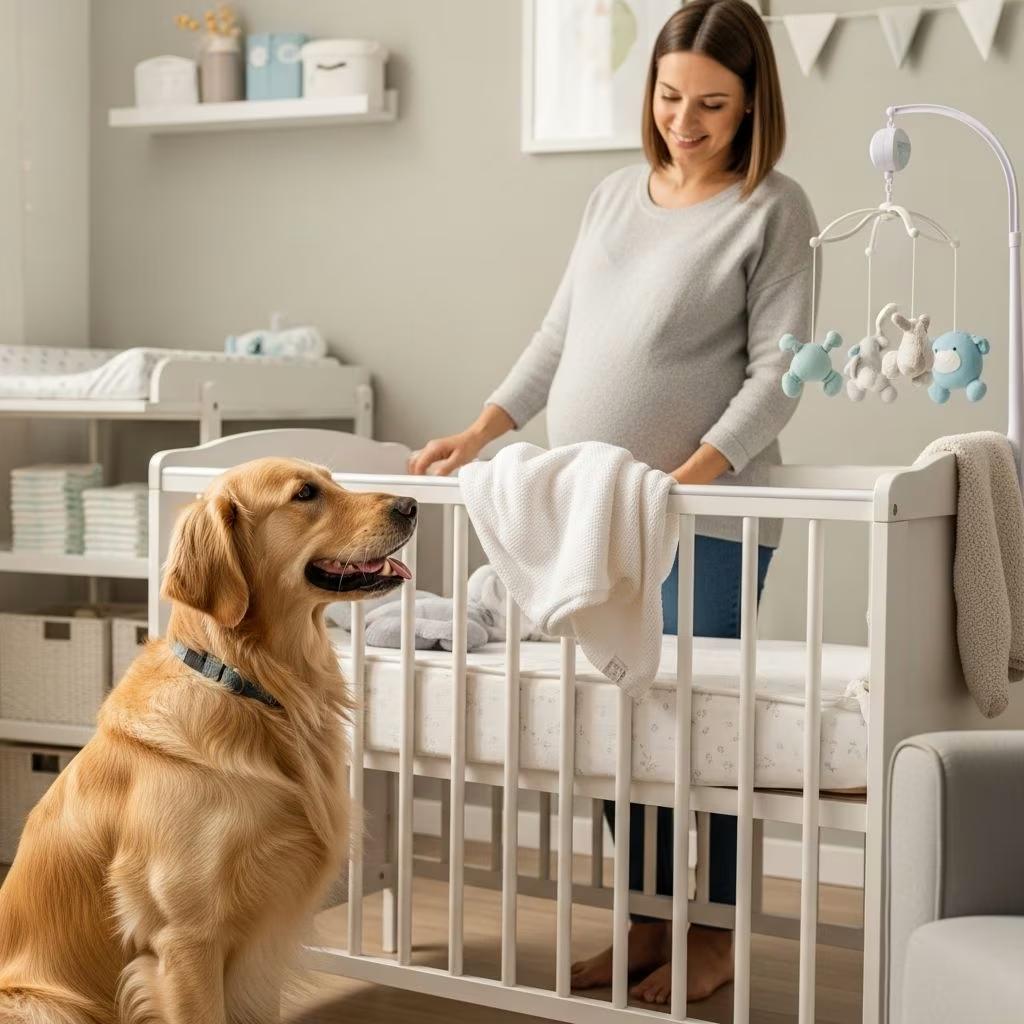
Welcoming a new baby into your home is an exciting time, but if you have a dog, it requires thoughtful preparation to ensure everyone coexists peacefully. Dogs are family members too, and with the right steps, they can adapt well to the new addition. This guide covers everything from early pregnancy preparations to long-term harmony, drawing on expert advice to prioritize safety and positive associations.
Why Preparation Matters
Preparation isn’t just about avoiding mishaps; it’s about fostering a secure environment where your dog feels valued while keeping your baby safe. Dogs may experience anxiety, jealousy, or confusion with routine changes, but early intervention builds positive relationships and boundaries. Studies on pet parenting show that consistent caregiving during family transitions strengthens bonds and reduces stress behaviors. Starting early—ideally 3-6 months before the baby’s arrival—allows gradual adjustments, minimizing surprises and promoting calm behavior.
Neglecting preparation can lead to issues like resource guarding, excessive barking, or accidental injuries. By contrast, proactive steps like desensitization to baby items and sounds help dogs associate the newborn with good experiences, ensuring a smoother family dynamic.
Start Early: Pregnancy Preparations
Begin acclimating your dog during pregnancy to mimic post-baby changes. Gradually reduce privileges like bedroom access or unlimited lap time to reflect the baby’s demands. Introduce baby gear such as cribs, strollers, swings, and high chairs early. Let your dog sniff and investigate these items while rewarding calm behavior with treats and praise.
Play recordings of baby cries, coos, and lullabies at low volumes, increasing gradually. Pair these with positive reinforcement to create neutral or positive associations. Use baby-scented lotions or wipes similarly. Reinforce basic commands like ‘sit,’ ‘stay,’ ‘leave it,’ and ‘place’ (mat training), which are crucial for managing interactions. Hand targeting—teaching your dog to follow your hand—redirects attention effectively without physical force.
- Adjust routines: Shorten play sessions or walks slightly to match newborn schedules.
- Desensitize to sounds: YouTube baby cry videos with treats for calm responses.
- Introduce scents: Rub baby blanket on dog and reward relaxation.
- Brush up training: Focus on impulse control; no jumping, pawing, or nuzzling when you’re ‘busy.’
Health check: Ensure vaccinations are current and schedule a vet visit for any behavioral concerns. Consider professional training if your dog has aggression or high energy.
The First Introduction: Bringing Baby Home
The initial meeting sets the relationship’s tone. Don’t rush—have someone else hold the leashed dog while you enter calmly. Allow settling time before approaching. Use a baby gate or leash for control; let the dog sniff a baby-worn blanket first.
Keep sessions short (5-10 minutes), rewarding sniffing or calm sitting with high-value treats. Avoid direct face-to-face staring, which dogs find threatening. If multiple dogs, introduce one at a time. Stay neutral—no scolding or over-praising—to prevent mixed signals.
| Do’s | Don’ts |
|---|---|
| Leash dog, calm entry | Rush interaction |
| Reward gentle curiosity | Force closeness |
| Supervise 100% | Leave alone ever |
| Use gates/playpens | Punish normal sniffing |
Maintaining Harmony After Baby Arrives
Post-introduction, consistency is key. Never leave dog and baby unsupervised—infants are fragile, and accidents like tail swipes or grabs can occur unintentionally. Use baby gates, crates, or Pack ‘n Plays for safe separation, giving both space when needed, especially for senior dogs or those with sensitivities.
Quality Time and Preventing Jealousy
Schedule daily one-on-one time with your dog during baby’s awake periods. Toss treats or praise for calm behavior near the baby, teaching that the newborn enhances family fun. Avoid attention only when baby sleeps, as this links the baby negatively.
Toy and Resource Management
Train ‘leave it’ for toys, food, and baby items. Use distinct toys; redirect crawling babies with their own. Gates protect mealtimes. Consistent training prevents guarding.
Handling Jumpy or Excited Dogs
Reinforce ‘sit-stay’ before baby interactions. Reward calm postures around the baby or stroller. Positive reinforcement builds reliability over time.
Routine Stability
Maintain walks, feeding, and playtimes. Enlist help for dog exercise to prevent pent-up energy leading to mischief.
Ongoing Training and Safety Rules
Teach boundaries: No furniture jumping where baby naps; off-limits zones via gates. Mat training offers a ‘safe spot’ command. Praise gentle nose touches as babies grow, modeling safe petting (chest only, no tail pulls).
- Supervise forever: Even ‘perfect’ dogs need watching.
- Positive reinforcement only: Builds trust, avoids fear.
- Exercise daily: Tired dogs are chill dogs.
- Professional help: Trainers for reactivity.
Building a Lifelong Bond
As baby grows, teach gentle interactions: Sitting for pets, no roughhousing. Shared family activities like walks strengthen ties. Dogs offer babies emotional benefits, teaching empathy if managed safely. With patience, your dog becomes a gentle protector and playmate.
Challenges like toddler grabbing ears? Intervene calmly, redirect, and train dog tolerance via desensitization games. Celebrate small wins—your family thrives together.
Frequently Asked Questions (FAQs)
What if my dog shows jealousy?
Increase individual attention, use treats near baby positively, and maintain routines. Consult a trainer if persistent.
Can I ever leave them alone?
No—never leave infants unsupervised with dogs, regardless of trust level.
How long for adjustment?
Weeks to months; consistency speeds it up.
What about multi-dog homes?
Introduce one-by-one, monitor dynamics.
Best commands to teach?
Sit, stay, leave it, place/mat.
References
- Introducing Dog to Baby: Safety Tips for Living in Harmony — Kinship. 2023. https://www.kinship.com/dog-lifestyle/how-introduce-new-baby-dog
- How to Prepare Your Dog for a New Baby — Hilton Butler. 2023. https://www.hiltonbutler.com/blog/prepare-dog-for-new-baby/
- Dogs and New Babies — Michael’s Dogs Behavior Group. 2015-10-26. https://www.michaelsdogs.com/2015/10/26/619/
- Pet Parenting in the United States: Investigating an Evolutionary Mismatch Hypothesis — PMC (Peer-reviewed). 2023. https://pmc.ncbi.nlm.nih.gov/articles/PMC10355291/



