

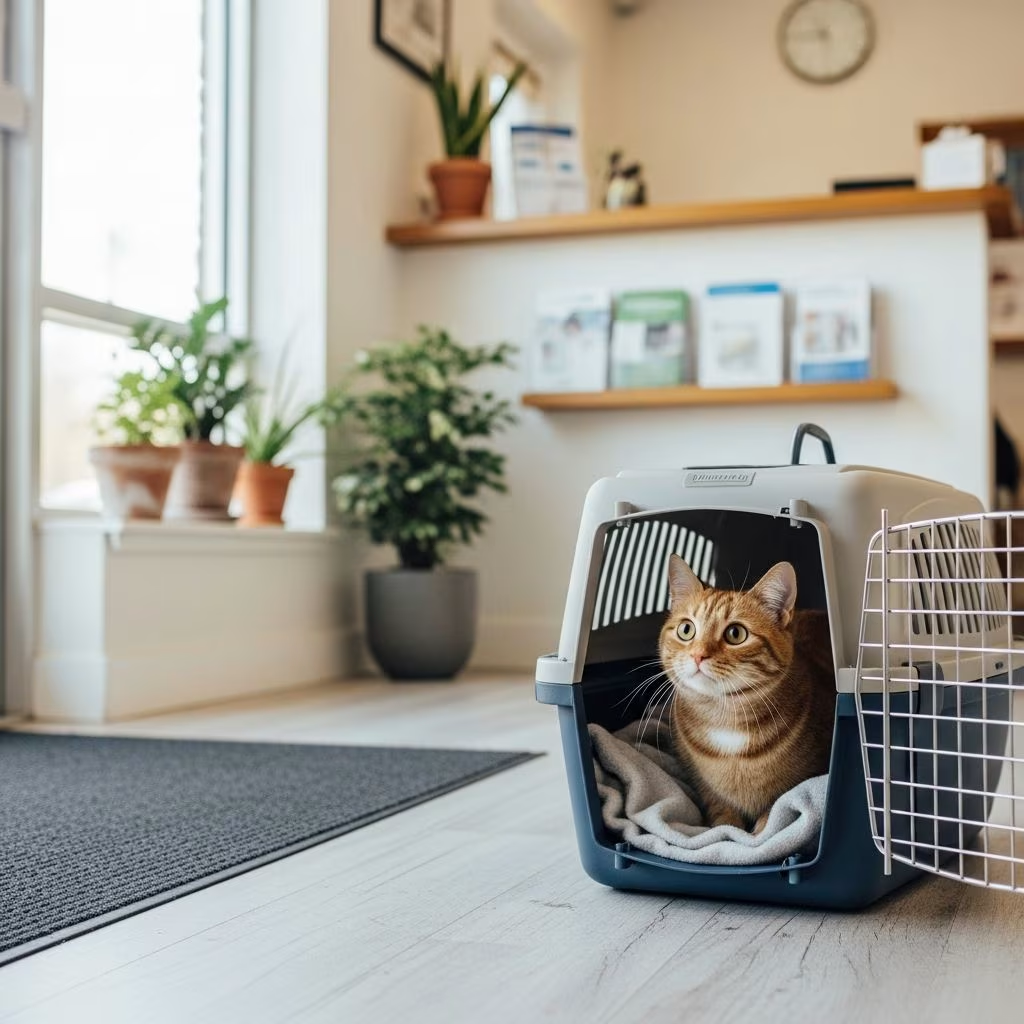
Preparing Your Cat for a Trip to the Veterinarian
Keeping your cat healthy requires a combination of exercise, proper nutrition, and regular medical care. Your veterinarian plays a crucial role in maintaining all three components of your cat’s healthy lifestyle. Since you and your cat will make many trips to the veterinary hospital over the years, it is best to start preparing your cat for these visits as soon as possible. This proactive approach helps reduce stress and anxiety, making veterinary visits more manageable for both you and your feline companion.
Veterinary exams are important for all cats, including those that spend their entire lives indoors. Regular check-ups help keep your cat healthy and can help identify potential health problems before they become serious issues. However, going to the veterinarian can be a stressful experience for cats. The process of entering an unfamiliar carrier, enduring a car ride, waiting in a strange environment, and undergoing an examination can all contribute to anxiety. Understanding how to prepare your cat properly can transform these necessary visits into less traumatic experiences.
Understanding Your Cat’s Anxiety About Vet Visits
Cats are creatures of habit and routine, and disruptions to their normal environment can trigger stress responses. The veterinary clinic presents multiple stressors: new sights, sounds, smells, and unfamiliar handling. Many cat owners don’t realize that even cats appearing calm may be experiencing significant internal anxiety. If this anxiety is not addressed properly, it can increase with each visit, potentially leading to aggressive behavior, escape attempts, or stress-related digestive issues such as vomiting or diarrhea.
The key to managing your cat’s anxiety is preparation. By introducing your cat to the carrier, car rides, and handling techniques well in advance of the appointment, you can significantly reduce stress levels and create positive associations with veterinary care.
Selecting the Right Cat Carrier
The carrier serves as your cat’s sanctuary during veterinary visits, so choosing the appropriate one is essential. A good carrier should be large enough to comfortably fit your cat along with bedding material. Hard carriers are generally recommended over soft-sided alternatives because they provide better structural stability and durability.
Look for carriers with the following features:
- Two access points—one on the front and one on the top—to give your cat multiple entry and exit options
- A removable or hinged top, which allows your cat to remain in the bottom portion of the carrier during examination, minimizing handling and stress
- Adequate ventilation to ensure proper airflow
- Easy-to-clean surfaces for maintenance
Carriers with removable tops are particularly beneficial for anxious, sick, or injured cats, as they reduce the amount of handling required during veterinary examination, thereby decreasing overall stress levels.
Acclimating Your Cat to the Carrier
One of the most important preparation steps is getting your cat comfortable with their carrier well before the veterinary visit. This process should begin at least a few days to a week before the scheduled appointment, though ideally it starts much earlier.
Creating Positive Associations
Start by leaving the carrier in an accessible area of your home with the door open. Line the interior with familiar bedding—a blanket or pet bed that smells like your cat’s usual sleeping area. Sprinkle catnip or place favorite treats inside to encourage exploration. The goal is to transform the carrier from an object of fear into a place of comfort and safety.
You can further reinforce positive associations by:
- Leaving the carrier out permanently so your cat becomes accustomed to its presence
- Placing meals or treats near and inside the carrier
- Allowing your cat to spend leisure time in the carrier voluntarily
- Practicing gentle handling while your cat is in the carrier in a relaxed environment
Practice Sessions
Once your cat shows comfort entering the carrier, practice closing the door briefly while remaining nearby. Gradually increase the duration of time the door remains closed. Practice picking up the carrier gently and moving around your home with it, allowing your cat to experience the sensation of movement and slight instability in a safe, familiar environment.
If possible, take your cat for short car rides in the carrier several days before the veterinary appointment. Start with very brief trips around the block and gradually increase duration. This helps your cat acclimate to car motion, new sounds, and different environments in a controlled manner.
Preparing Your Cat’s Body for Handling
During veterinary examinations, your veterinarian will need to handle your cat’s entire body, including sensitive areas such as the paws, ears, mouth, and abdomen. Beginning this type of handling at home helps your cat become accustomed to touch and reduces resistance during the actual examination.
Incorporate regular, gentle handling into your daily interactions with your cat:
- Gently touch and massage your cat’s paws, gradually manipulating each toe
- Softly handle the ears, gently opening the flap and touching the inside
- Lift your cat’s lips to expose the teeth and gums
- Gently palpate the abdomen with light pressure
- Brush the coat regularly, which combines grooming with gentle handling
The best time to initiate this type of handling is when your cat is a young kitten, but it is never too late to begin with adult cats. Perform these handling exercises during calm moments when your cat is relaxed, such as after playtime or meals. Always use positive reinforcement, offering treats and gentle praise to create positive associations.
Preparing the Carrier for Travel
On the day of the veterinary appointment, take specific steps to ensure your cat remains comfortable and calm during transport.
Adding Comfort Items
Place soft, comfortable bedding inside the carrier—preferably a familiar blanket or small pet bed that smells like home. Avoid introducing brand-new bedding on travel day, as unfamiliar scents may increase anxiety. You can also include a favorite toy to provide comfort and distraction.
Using Calming Aids
Consider using synthetic feline pheromones such as Feliway, which can be sprayed on the carrier bedding approximately 15 minutes before travel. These pheromones mimic natural calming chemicals produced by cats and help reduce stress and anxiety. Apply one spray in each corner of the carrier and two sprays on the floor and ceiling for optimal coverage.
Additionally, drape a familiar-smelling towel or light blanket over the top and sides of the carrier to decrease visual stimulation and create a den-like environment that many cats find comforting. Ensure the covering does not block all ventilation; leave gaps for adequate airflow.
Securing the Carrier in the Vehicle
During transport, place the carrier securely on the floor in the back seat of your vehicle for safety and stability. When moving the carrier, avoid holding it by the handle alone, as this can cause uncomfortable swaying and increase anxiety. Use both hands to support the carrier’s bottom and sides when carrying.
Managing Your Cat’s Feeding Before the Visit
Avoid feeding your cat a large meal at least two to three hours before the veterinary appointment. Motion sickness is a common concern for cats, particularly those unaccustomed to car travel. A light stomach reduces the likelihood of stress-induced vomiting during transport. However, do allow your cat access to water, as hydration remains important even during stressful situations.
Using Medications and Supplements for Anxiety
When you schedule your appointment, discuss anxiety management options with your veterinary team. Many veterinarians can recommend or prescribe calming supplements or medications specifically designed to help cats remain relaxed during veterinary visits.
Gabapentin for Stress Relief
Gabapentin is a commonly used medication that has been proven to reduce stress levels in cats visiting veterinary clinics. When administered prior to the appointment as directed by your veterinarian, it can significantly improve your cat’s behavior and comfort during examination. These medications typically have minimal to no adverse effects and can result in a markedly better experience for your cat.
Natural Calming Supplements
Several natural supplements may help ease anxiety in cats, including:
- L-theanine, an amino acid that promotes relaxation
- Chamomile and valerian root extracts
- Probiotics designed specifically for feline stress reduction
Discuss these options with your veterinarian to determine which approach best suits your cat’s individual needs and health status.
Preparing Your Home Before the Appointment
Take time in the days leading up to the appointment to prepare important documents and information for your veterinarian. This preparation ensures you make the most of your appointment time and allows your veterinarian to provide the best possible care.
Gathering Necessary Documents
Bring any medical records, vaccination history, or previous veterinary records if your cat has been seen by another veterinarian. For kittens or adopted cats, bring all adoption paperwork and any information provided by the shelter or breeder regarding previous treatments or vaccinations.
Preparing Questions and Concerns
Write down any questions or health concerns you have about your cat before the appointment. Having a written list ensures you don’t forget important topics during the visit. Consider questions about:
- Your cat’s diet and nutrition
- Appropriate exercise and activity levels
- Parasite prevention and vaccination schedules
- Behavioral concerns or changes
- Dental health and grooming needs
- Weight management and health status
Collecting Diagnostic Samples
If your veterinarian has requested a stool sample for parasite screening or other diagnostic purposes, collect a fresh sample and bring it in a sealed container or bag to the appointment. This helps streamline the examination process and allows the veterinarian to begin diagnostic testing immediately if needed.
The Day of the Appointment
On the morning of the veterinary visit, take several important steps to ensure a smooth experience:
Timing and Preparation
Allow plenty of time before the appointment to avoid rushing. A calm, unhurried atmosphere helps your cat remain relaxed. Give your cat access to the litter box before departing to reduce the likelihood of accidents during transport or in the veterinary clinic waiting area.
Packing Essential Items
Gather the following items to bring to the appointment:
- Your cat’s favorite treats for positive reinforcement
- A favorite toy for comfort and distraction
- A grooming brush or familiar item with your scent
- Any prescribed medications or supplements your cat takes regularly
- Medical records and vaccination documentation
- Your list of questions and concerns
Managing Your Own Stress
Your cat picks up on your emotional state and energy. Remain calm and speak in soft, gentle tones. Avoid using high-pitched voices or shouting, as these can increase your cat’s anxiety. If you approach the appointment with a relaxed, confident demeanor, your cat is more likely to remain calm as well. Remember that the veterinary team is experienced with anxious cats and will handle your pet with care and compassion.
During the Veterinary Examination
Understanding what to expect during the examination can help you prepare mentally and support your cat effectively.
What Your Veterinarian Will Examine
During a thorough veterinary examination, your veterinarian will assess:
- Eyes, ears, nose, and mouth for signs of infection or disease
- Teeth and gums for dental health
- Skin and coat condition
- Body weight and overall body condition
- Heart and lungs using a stethoscope
- Abdomen through gentle palpation to assess organ function
- Lymph nodes and other tissues for abnormalities
- Evidence of parasites such as fleas and mites
Supporting Your Cat During the Visit
Remain calm throughout the examination. If your veterinarian asks you to help restrain your cat, use gentle, confident handling. Wait in your vehicle if your clinic requests it, rather than in the waiting room. This reduces additional stress from unfamiliar people and animals. Communicate any specific concerns or behavioral notes to your veterinarian, as this information helps them handle your cat more effectively.
After the Veterinary Visit
The period following the appointment is just as important as the preparation phase. Help your cat recover from the stress of the visit and reinforce positive associations for future appointments.
Returning Home
After arriving home, allow your cat to leave the carrier at their own pace. Some cats may want to hide or rest for several hours following a stressful experience. Provide a quiet, comfortable space where your cat can decompress. Avoid excessive handling or play immediately after the appointment.
Following Post-Appointment Instructions
Administer any prescribed medications exactly as directed. If your veterinarian recommended dietary changes or supplements, implement these gradually unless otherwise instructed. Monitor your cat for any adverse reactions or unexpected changes in behavior or appetite.
Scheduling Regular Visits
Follow your veterinarian’s recommendations for follow-up appointments and preventive care. Kittens typically require multiple visits during their first year for vaccinations and developmental checks. Adult cats should visit at least annually for preventive care. Senior cats or those with chronic health conditions should be examined every six months. Regular, consistent veterinary care helps maintain your cat’s health and allows your cat to become increasingly comfortable with the veterinary environment.
Creating a Positive Long-Term Relationship with Veterinary Care
By implementing these preparation strategies consistently, you help your cat develop a more positive relationship with veterinary care. Over time, cats that receive proper preparation and handling tend to show decreased anxiety during visits. This not only makes appointments more pleasant for your cat but also enables your veterinarian to perform more thorough examinations and provide better quality care.
Remember that every cat has a unique personality and anxiety threshold. What works effectively for one cat may need adjustment for another. Work closely with your veterinary team to develop a customized preparation plan that addresses your specific cat’s needs and temperament.
Frequently Asked Questions
Q: At what age should I start preparing my kitten for veterinary visits?
A: Start preparing kittens for veterinary visits as early as possible, ideally during the first weeks of life. This includes carrier acclimation, gentle handling of sensitive body areas, and positive reinforcement. Early socialization makes all future veterinary experiences less stressful.
Q: What if my cat has severe anxiety about car rides?
A: Discuss your cat’s severe anxiety with your veterinarian before the appointment. They can prescribe anti-anxiety medications or calming supplements to help. Additionally, practice short car rides well in advance, use pheromone sprays, and consider keeping the car environment calm and quiet during transport.
Q: How long should I leave the carrier out before the appointment?
A: Ideally, leave the carrier out permanently in your home so your cat becomes completely accustomed to its presence. However, at minimum, introduce it 7-10 days before the appointment. Earlier introduction is even better for maximum comfort and positive association.
Q: Can I give my cat food right before the vet appointment?
A: No, avoid feeding your cat a large meal at least 2-3 hours before the appointment. This reduces the risk of motion sickness and stress-induced vomiting. However, ensure your cat has access to water for hydration.
Q: What should I do if my cat becomes aggressive during the veterinary examination?
A: Inform your veterinarian about your cat’s aggressive tendencies before or at the beginning of the appointment. Your veterinarian may use specific handling techniques, calming medications, or gentle restraint methods to keep your cat safe and minimize stress.
Q: Is it necessary to use pheromone sprays in the carrier?
A: While not absolutely necessary, pheromone sprays like Feliway have been shown to significantly reduce stress and anxiety in many cats. Applying them 15 minutes before travel can help create a calming effect. They’re a worthwhile addition to your anxiety-management toolkit.
Q: How often should my adult cat visit the veterinarian?
A: Adult cats should visit the veterinarian at least annually for preventive care and health checks. Senior cats (over 7 years) or cats with chronic health conditions should be examined every six months to monitor their health status and catch potential problems early.
References
- Checklist: What to do before, during, and after your cat vet visit — Papaya Pet. Accessed 2025-11-28. https://www.papayapet.com/resources/checklist-what-to-do-before-during-and-after-your-cat-vet-visit/
- Preparing Your Pet For Their First Vet Visit — Mills River Animal Clinic. Accessed 2025-11-28. https://millsriver.vet/blog/preparing-your-pet-for-their-first-vet-visit/
- Kitten’s First Vet Visit Checklist — Animal Medical Center of Cumming. 2024-04-23. https://www.amcofcumming.com/site/blog/2024/04/23/kitten-first-visit-checklist
- Preparing Your Pet for a Vet Visit — Small Door Veterinary. Accessed 2025-11-28. https://www.smalldoorvet.com/learning-center/medical/preparing-for-vet-visit
- Taking Your Cat to the Vet for the First Time — Bull City Veterinary Hospital. 2025-06-25. https://bullcityveterinary.com/2025/06/25/taking-your-cat-to-the-vet-durham-nc/
- Preparing Your Cat for a Trip to the Veterinarian — VCA Animal Hospitals. Accessed 2025-11-28. https://vcahospitals.com/know-your-pet/preparing-your-cat-for-a-trip-to-the-veterinarian
- Taking your cat to the veterinary clinic — International Cat Care. Accessed 2025-11-28. https://icatcare.org/resources/cat-carer-guide-taking-your-cat-to-the-veterinary-clinic-.pdf



