

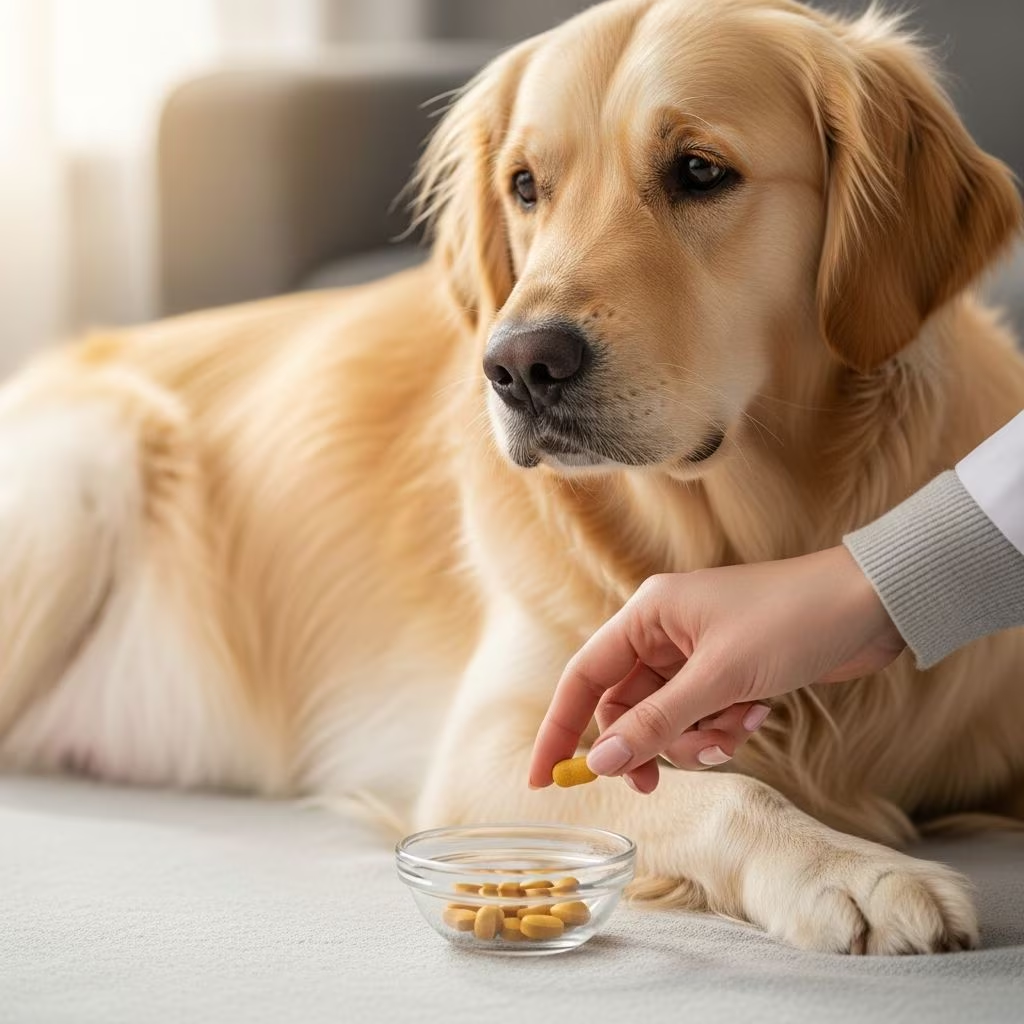
Supporting a pregnant dog’s nutritional needs is crucial for her health and the development of strong, healthy puppies. While complete dog foods formulated for all life stages often provide balanced nutrition, certain supplements like folic acid may offer additional benefits during gestation. However, human prenatal vitamins pose significant risks due to toxic levels of iron, vitamin D, and other nutrients not suited for canines.
Understanding Nutritional Demands During Canine Pregnancy
Pregnancy in dogs, known as gestation, lasts approximately 63 days and places extraordinary demands on the mother’s body. Her caloric intake may need to increase by up to 50% in the later stages to support fetal growth, milk production, and her own energy needs. Key nutrients include proteins for tissue development, fats for brain formation, and vitamins for cellular functions.
Beyond basic diet, specific micronutrients play pivotal roles. Folic acid (vitamin B9), for instance, supports neural tube closure in embryos, reducing risks of defects like cleft palates, particularly in brachycephalic breeds such as Bulldogs or Pugs. Studies indicate that supplementation starting before breeding can lower these incidences.
- Increased energy requirements: Up to double in late pregnancy.
- Protein boost: Essential for puppy muscle and organ growth.
- Fatty acids: Omega-3s like DHA enhance puppy cognition and vision.
The Role of Folic Acid in Preventing Birth Defects
Folic acid stands out as the most researched prenatal supplement for dogs. This water-soluble B vitamin aids DNA synthesis and red blood cell production, critical during rapid embryonic growth. Deficiency can lead to midline defects, including cleft palates and neural tube issues, affecting any breed but more common in flat-faced dogs.
Veterinarians often recommend 5 mg daily, beginning at the onset of heat and continuing through day 40 of pregnancy. Excess is safely excreted in urine, minimizing overdose risks. Always source veterinary-grade folic acid rather than human products, which may contain fillers harmful to dogs.
| Breed Risk Level | Recommended Daily Dose | Start Time |
|---|---|---|
| High-risk (brachycephalic or history of defects) | 5 capsules (high-strength) | Before mating |
| Normal risk | 1 capsule | Before mating |
| Low risk | Consult vet | Early pregnancy |
Omega-3 fatty acids, particularly EPA and DHA from fish oil, may also improve puppy learning and memory, but dosing must be precise to avoid gastrointestinal upset or nutritional imbalance.
Dangers of Human Prenatal Vitamins for Dogs
Human prenatal vitamins are formulated for bipedal primates, not quadrupedal carnivores, leading to dangerous mismatches in nutrient levels. A single pill might cause mild stomach upset, but multiple doses can trigger severe toxicity.
Iron overload: Prenatals often pack high iron doses for human anemia prevention. In dogs, excess iron damages cells, causing vomiting, bloody diarrhea, organ failure, and potentially death. Vitamin C in these pills worsens absorption.
Vitamin D excess: Leads to hypercalcemia, elevating blood calcium and phosphorus, which harms kidneys, heart, and more.
Vitamin A risks: Chronic high intake from prenatals or liver-based sources can deform skeletons, though acute cases are rarer.
Common ingredients like calcium, zinc, and B vitamins vary widely by brand, amplifying unpredictability. PetMD warns that even one bottle spilled can necessitate emergency care.
Symptoms of Prenatal Vitamin Ingestion in Dogs
If your dog accesses human prenatals, watch for immediate and delayed signs. One vitamin typically causes limited gastrointestinal issues, but multiples demand vet attention.
- Mild cases: Vomiting, diarrhea, lethargy.
- Severe toxicity: Bloody stools, abdominal pain, rapid breathing, seizures, coma.
- Long-term: Kidney failure, skeletal issues (rare).
Small breeds face higher risks due to body weight; a 5-lb Chihuahua ingests proportionally more than a 100-lb Labrador.
Veterinary Response to Suspected Toxicity
Bring the vitamin bottle or label photo to the vet. They’ll assess based on dog’s size, health history, and ingredient doses. Initial steps include:
- Induce vomiting if within 30 minutes.
- Bloodwork for organ function, electrolytes, blood cells.
- IV fluids, hospitalization for severe cases.
For isolated incidents in healthy dogs, home monitoring with a bland diet (boiled rice and chicken) suffices. Pawp’s Dr. Yui Shapard emphasizes emergency visits for bottles or multiples.
Safe Alternatives: Vet-Approved Dog Prenatal Supplements
Opt for canine-specific products over human ones. Revival Animal Health’s Oxy Mate offers iron, folic acid, and zinc tailored for gestation without toxicity risks.
Balanced “all life stages” kibble meets most needs, providing complete prenatal nutrition. Supplements should fill gaps only under vet guidance to prevent over-supplementation.
- Oxy Mate: Supports embryos with safe nutrient levels.
- NaturVet VitaPet: Includes aminos and fatty acids for growth.
- Fish oil (vet-dosed): Boosts puppy brain health.
Avoid synthetics from petroleum byproducts; prefer natural sources.
Building a Pregnancy Nutrition Plan
Consult a vet or nutritionist before changes. Steps include:
- Switch to high-quality, AAFCO-approved all-life-stages food.
- Add folic acid if recommended.
- Monitor weight gain: 1-2 lbs/week ideal.
- Increase calories gradually: 20-30% weeks 4-6, up to 50% late term.
Track via regular checkups, ultrasounds for litter count, and bloodwork.
Common Myths About Dog Supplements
Myth: All vitamins are safe. Reality: Overdosing vitamins A, D, or iron harms.
Myth: Human multis work for pets. Reality: Dosages exceed canine needs.
Myth: Supplements replace good food. Reality: They’re adjuncts, not substitutes.
FAQs
Can I give my pregnant dog human prenatal vitamins?
No, due to toxic iron and vitamin D levels. Stick to vet-approved options.
How much folic acid for a pregnant dog?
Typically 5 mg/day for at-risk breeds, starting pre-breeding.
What if my dog ate one prenatal vitamin?
Monitor for GI upset; bland diet helps. Vet if symptoms worsen.
Are omega supplements safe during pregnancy?
Yes, in vet-dosed amounts for puppy development.
Do all pregnant dogs need supplements?
Not if on balanced food; folic acid often the exception.
References
- Dog Ate A Prenatal Vitamin? What To Do & When To Worry — Pawp. 2023. https://pawp.com/dog-ate-a-prenatal-vitamin/
- Prenatal Vitamins for Dogs — Whole Dog Journal. 2023. https://www.whole-dog-journal.com/health/prenatal-vitamins-for-dogs/
- Are Human Vitamins and Supplements Dangerous for Pets? — PetMD. 2023. https://www.petmd.com/dog/nutrition/are-human-vitamins-and-supplements-dangerous-pets
- Multivitamins for Pregnant Dogs: Your Gentle Guide — Furever Active. 2023. https://www.fureveractive.com/blogs/senior-dog-care/multivitamins-for-pregnant-dogs
- Vitamins For Dogs: 3 Reasons To Stay Away — Dogs Naturally Magazine. 2023. https://www.dogsnaturallymagazine.com/vitamins-dogs-3-reasons-stay-away/
- Myths On Vitamins and Supplements for Your Pets — Pet Butler. 2023. https://www.petbutler.com/myths-vitamins-supplements-pets/
- Dog Supplements: Harmful or Helpful? — Good Dog People. 2023. https://gooddogpeople.com/blogs/dog-talk/dog-supplements-harmful-or-helpful



