
Complete Guide to Premium Bird Food Nutrition
Discover the best bird food options for parrots, finches, and canaries with expert nutrition guidance.
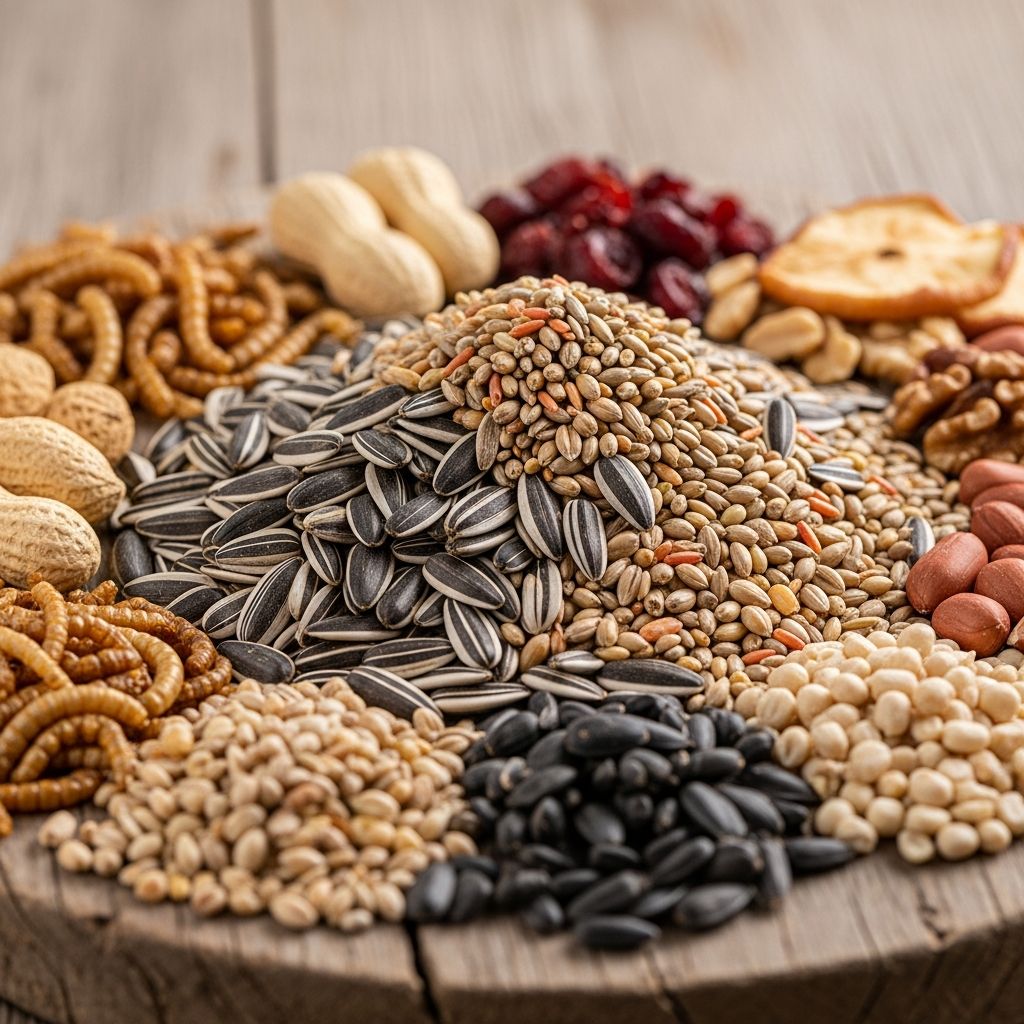
Understanding Your Pet Bird’s Nutritional Needs
Feeding your pet bird the right diet is one of the most important aspects of bird ownership. Many new bird owners struggle with understanding what constitutes a proper avian diet, often defaulting to birdseed alone. However, companion birds—whether they are parrots, finches, canaries, or cockatiels—require a varied and nutritionally balanced diet that extends far beyond seeds. The ideal bird food combines multiple nutrition sources to provide the building blocks necessary for feather production, healthy skin, strong immune function, and a positive temperament.
A well-formulated bird diet should include pellets, seeds, fresh fruits, vegetables, and carefully selected treats. Each component plays a vital role in maintaining your bird’s health and wellbeing. Birds in the wild consume a diverse range of foods depending on their species and habitat, and captive birds benefit from recreating this dietary variety. By offering your bird a buffet of healthy options, you ensure they receive all the essential vitamins, minerals, amino acids, and fatty acids required for optimal health.
The Foundation: Base Diet Options
The foundation of your bird’s diet should consist of a nutritionally balanced base food that provides complete nutrition with every bite. Rather than relying on a single food source, modern avian nutrition emphasizes formulated diets that combine the best elements of seeds, pellets, fruits, and vegetables in convenient formats.
Base diet options include:
– Nutri-Berries: Whole grain and seed-based nuggets that retain nutrient density- Avi-Cakes: Baked nutritional cakes combining various food components- Pellet-Berries: A hybrid combining traditional pellets with whole seeds and grains- Premium Daily Diet Pellets: Pure pelleted nutrition for birds requiring specific diets
These base diet foods should be offered in the morning when your bird is hungriest, ensuring maximum consumption and nutritional benefit. If the bowl is empty by evening, you can add a small portion to encourage continued feeding throughout the day. It’s important never to allow your bird’s food bowl to remain empty for extended periods, particularly for small birds that have rapid metabolisms and prefer eating throughout the day.
Seeds and Pellets: Complementary Nutrition
One of the most common questions among bird owners concerns the choice between seeds and pellets. In reality, this is not an either-or decision. Both seeds and pellets are nutritious when properly formulated, and neither is inherently superior to the other. The key is understanding how they fit into a complete dietary program.
Bird Seeds provide natural nutrition that birds instinctively recognize and enjoy. Seeds contain healthy fats, proteins, and minerals, but they are often high in fat content and may lack certain essential vitamins and minerals when fed exclusively. Many birds also prefer to crack and hull seeds, which provides natural foraging behavior and mental enrichment.
Bird Pellets represent a scientifically formulated nutrition approach where all ingredients are balanced to provide complete daily nutrition. True pelleted foods preserve nutrient density through specialized low-heat processing methods that retain vitamins and minerals that can be lost with high-temperature manufacturing. Pellets ensure consistent nutrition with each bite, though some birds may find them less engaging than whole seeds.
The most effective approach combines both seeds and pellets in formulated products, allowing birds to enjoy the natural experience of seed consumption while receiving the nutritional guarantees of pelleted diets. These combination products often include enriching ingredients such as omega-3 and omega-6 fatty acids, chelated minerals, and stabilized vitamins. Additionally, many formulated foods incorporate dried fruits and vegetables, creating a more complete nutritional profile without requiring owners to supplement with fresh foods daily.
Fresh Fruits and Vegetables: Essential Micronutrients
Fresh fruits and vegetables should comprise a significant portion of your bird’s daily diet, providing essential vitamins, minerals, and phytonutrients that support immune function, feather quality, and overall vitality. Birds are naturally attracted to colorful foods, and research shows that dark green and orange vegetables contain the highest concentration of beneficial nutrients.
Recommended Vegetables:
– Leafy greens: kale, spinach, romaine lettuce, endive- Orange vegetables: carrots, sweet potato, yam, pumpkin, squash- Cruciferous vegetables: broccoli, cauliflower, brussel sprouts, bok choy- Other vegetables: asparagus, beets, beans (cooked), peas, peppers, tomato, zucchini, parsnip, sprouts
Recommended Fruits:
– Berries: blueberries, strawberries, raspberries- Citrus: oranges, lemons, tangerines- Stone fruits: apples, pears, peaches (remove pits)- Tropical fruits: mango, papaya, kiwi- Other fruits: grapes, watermelon, cantaloupe
When introducing fresh foods, offer them in various formats—chopped, mashed, whole, grated—to appeal to different preferences. Some birds require time to develop interest in new foods, so persistence is important. Don’t remove a food item too quickly; birds may need multiple exposures before accepting unfamiliar items. Fresh produce should be offered daily, removed after several hours to prevent bacterial growth, and replaced regularly with fresh portions.
Treats and Enrichment Foods
While treats should not constitute a major portion of your bird’s diet, strategically selected treats provide mental enrichment and can support training efforts. Treats also allow you to offer specialized nutrition during specific life stages or health conditions.
Quality treats combine nutritional value with foraging appeal. Products like Nutri-Berries Yummies can be incorporated into bird-friendly recipes—such as cornbread muffins—to create engaging food experiences. These recipe-based treats encourage natural foraging behaviors, which are crucial for mental health and behavioral development in captive birds.
Specialized treat packs designed for different species—such as Cockatiel Foraging Fun Packs, Conure Foraging Fun Packs, and Parrot Foraging Fun Packs—provide concentrated nutrition and mental stimulation. These products combine multiple food components to create interactive feeding experiences that replicate natural foraging challenges.
Dietary Supplements: When and Why
While a properly formulated diet minimizes the need for supplementation, certain circumstances warrant dietary supplements to support your bird’s health during challenging periods.
Consider supplements when:
– Your bird is molting and requires enhanced protein and amino acids- A breeding female is laying eggs and depleting mineral reserves- Your bird is recovering from illness or injury- Your bird is experiencing stress from environmental changes, mate loss, or relocation- Your bird is classified as a “seed junkie” and refuses balanced foods
If you choose to add powdered supplements to drinking water, change the water at least twice daily to prevent bacterial growth. Offer plain, unsupplemented water during nighttime hours to further reduce contamination risk. Always consult with an avian veterinarian before beginning any supplement regimen to ensure appropriateness for your specific bird’s needs and health status.
Product Categories and Specialized Formulas
Premium Daily Pellets
Lafeber’s Premium Daily Pellets represent true pelleted nutrition, distinguished from extruded diets common in pet stores. These pellets are formulated for specific bird species, including canaries, finches, parakeets, cockatiels, conures, macaws, and large parrots. Each formula contains species-appropriate protein levels, fat ratios, and essential micronutrients. Guaranteed analysis typically includes crude protein of 15.50% minimum, crude fat of 5.00% minimum, and omega-3 and omega-6 fatty acids supporting feather quality and skin health.
Nutri-Berries
Classic Nutri-Berries combine whole grains and hulled seeds with stabilized vitamins and chelated minerals, creating complete nutrition in bite-sized form. Specialty varieties include Tropical Nutri-Berries, Sunny Orchard Nutri-Berries, and limited-edition seasonal formulations. These products encourage natural foraging behavior while delivering consistent nutrition.
Tropical Fruit Gourmet Pellets
Specially formulated for species including finches, canaries, parakeets, cockatiels, conures, and large parrots, these pellets combine nutritional pellets with dried tropical fruit pieces. The fruit components provide natural appeal and additional micronutrients from real fruit sources rather than synthetic additions.
Senior Bird Formulations
Older birds have specific nutritional requirements that differ from younger birds. Senior formulations address age-related metabolic changes, joint health, and changing energy requirements.
Transitioning to a Balanced Diet
If your bird has been eating a seed-only diet, transitioning to more balanced nutrition requires patience and gradual introduction. Begin by mixing small percentages of new foods with familiar foods, gradually increasing the proportion of balanced diet while decreasing the seed portion over 2-4 weeks. This gradual transition prevents nutritional shock and allows your bird’s digestive system to adapt to new foods. Some birds may resist change initially, but consistent, patient offering of new foods typically results in acceptance.
Special Dietary Considerations
Different bird species have evolved to consume different foods in their native habitats, and captive birds benefit from species-specific nutrition. Large parrots require higher protein and fat for proper development and maintenance. Finches and canaries require smaller pellet sizes and seeds appropriate to their beak size. Cockatiels benefit from lower-fat formulations to prevent obesity. Understanding your bird’s species-specific needs ensures optimal nutrition.
Environmental factors also influence nutritional requirements. Birds in cooler environments may require higher-fat foods for temperature regulation. Breeding birds require enhanced calcium and vitamin A. Molting birds need additional protein and specific micronutrients to support feather development. Adjusting your bird’s diet seasonally and based on life circumstances supports optimal health.
Frequently Asked Questions
Q: How much bird food should I feed my pet daily?
A: Most birds consume approximately 1-2 tablespoons of food daily, though amounts vary by species and individual metabolism. Monitor your bird’s weight and adjust portions accordingly. The food bowl should be empty by evening, with fresh food offered the following morning.
Q: Can I feed my bird only pellets?
A: While quality pellets provide complete nutrition, offering variety with seeds, fruits, and vegetables enhances mental enrichment and provides beneficial phytonutrients. A varied diet maintains bird interest and supports long-term health and behavioral wellbeing.
Q: What foods are toxic to birds?
A: Avoid avocado, chocolate, salt, caffeine, macadamia nuts, and foods containing artificial sweeteners like xylitol. These substances can cause serious illness or death in birds. Always verify food safety before offering new items.
Q: How often should I change my bird’s water?
A: Change water daily, or twice daily if supplements are added. Fresh, clean water is essential for preventing bacterial growth and maintaining hydration.
Q: Should I refrigerate bird food?
A: Store dry foods in cool, dry locations away from direct sunlight. Fresh fruits and vegetables should be refrigerated and used within 2-3 days. Remove uneaten fresh food from cages after 2-4 hours to prevent spoilage.
References
- Bird Food Guide: An Insider’s Guide to The Ideal Avian Diet — Lafeber Company. 2025. https://lafeber.com/pet-birds/bird-food-guide/
- Premium Daily Diet Pellets Product Information — Lafeber Company. 2025. https://lafeber.com/pet-food/bird-food/premium-daily-diet/
- Classic Nutri-Berries Product Information — Lafeber Company. 2025. https://lafeber.com/pet-food/bird-food/classic-nutri-berries/
- Avian Nutrition and Dietary Guidelines — American Veterinary Medical Association (AVMA). 2024. https://www.avma.org
- Pet Bird Care and Welfare Standards — Association of Avian Veterinarians. 2024. https://www.aav.org
Similar Articles








Read full bio of medha deb


