

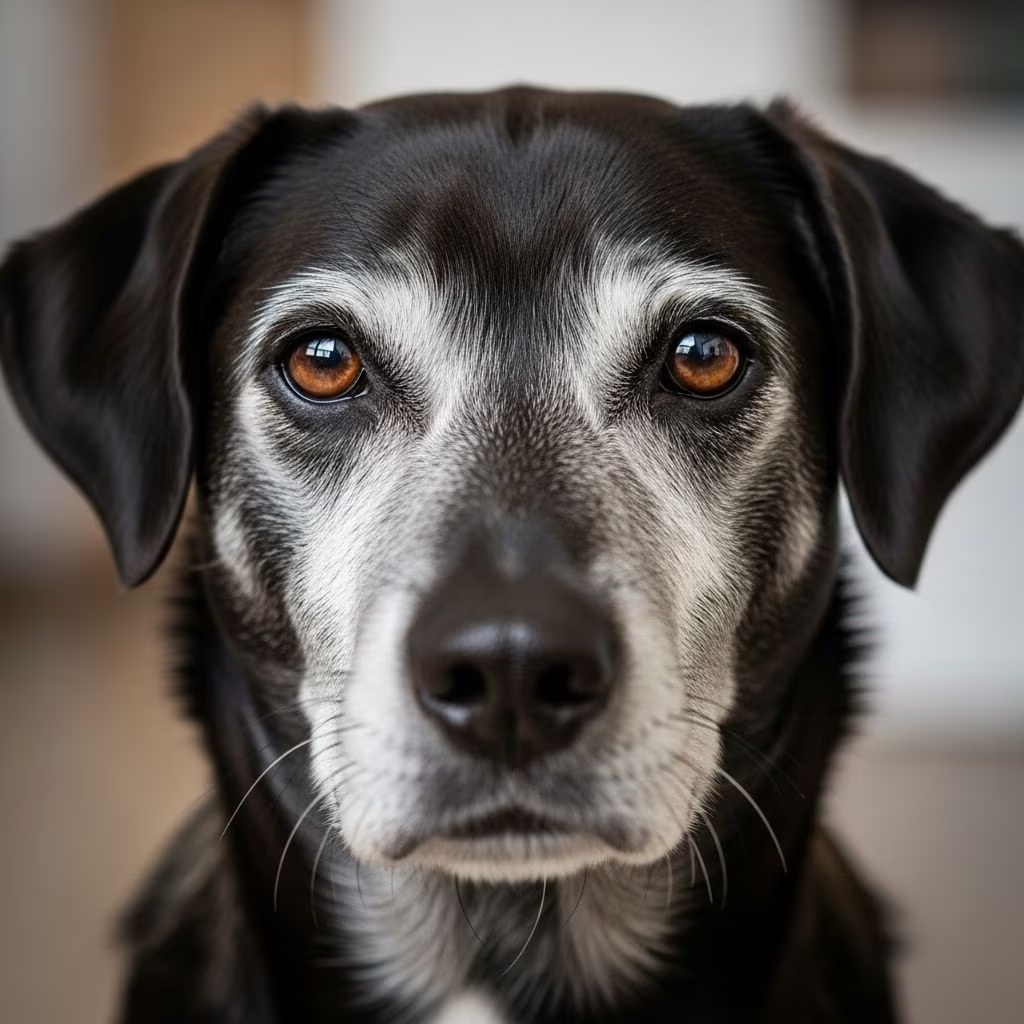
Seeing gray hairs on your dog’s muzzle or face before they reach middle age can be concerning for pet owners. While natural aging typically begins around 5-7 years, **premature graying** in dogs under 4-5 years old often signals underlying factors like stress, genetics, or health issues. This comprehensive guide covers everything from why it happens to breeds prone to it and actionable steps to help your pup.
What Is Premature Graying in Dogs?
Premature graying occurs when dogs develop white or gray hairs earlier than expected, usually starting around the muzzle, eyes, or whiskers. In humans, it’s considered premature before age 30; for dogs, this equates to around 4 years or younger. The process involves reduced melanin production in hair follicles, leading to lighter fur as new hair grows in.
Unlike uniform age-related graying, premature cases often appear patchy and accelerate in anxious or stressed dogs. A landmark 2016 study in Applied Animal Behaviour Science analyzed 400 dogs and found strong links between behavioral traits and early facial graying. Females tended to gray earlier than males, highlighting potential hormonal influences.
Causes of Premature Graying in Dogs
Several factors contribute to early graying. Understanding them helps determine if it’s benign or requires intervention.
1. Genetics and Breed Predisposition
The **graying gene** (progressive graying) is dominant, causing fur to lighten from the base as it grows. This affects long-haired breeds more visibly and is common in mixed breeds inheriting it from purebred ancestors. Black or dark-coated dogs show it starkly against their fur.
Breeds prone to early graying:
- Weimaraners (naturally silvery-gray)
- Poodles (progressive fading)
- Collies and Bearded Collies
- Sheepdogs
- Greyhounds
- Schnauzers (famous wiry gray beards)
These breeds may gray as early as 1-2 years due to genetics alone.
2. Stress, Anxiety, and Behavioral Factors
Chronic stress mirrors human ‘stress graying’ by depleting melanocytes. The 2016 study identified **anxiety, impulsivity, and fearfulness**—especially to noises, strangers, or animals—as top predictors. Dogs with these traits grayed up to 12 months earlier on their muzzles.
Common stressors include:
- Boredom or lack of mental stimulation
- Frustration from confinement or routines
- Fear of loud noises (thunder, fireworks)
- Anxiety around new people or dogs
- Loneliness or separation issues
Signs of stress alongside graying: pacing, shaking, heavy breathing, appetite loss, or withdrawal.
3. Medical Conditions
Underlying health issues can trigger graying by disrupting melanin or metabolism.
- Hypothyroidism: Most common; low thyroid hormones cause dull coats, fatigue, weight gain, cold intolerance. Treatable with daily medication.
- Liver or Kidney Disease: Rare, impairs toxin clearance, leading to poor coat quality.
- Nutritional Deficiencies: Lack of copper or B-vitamins may fade pigmentation, though evidence is limited.
Large breeds with faster metabolisms (aging quicker) may show symptoms earlier.
Affected Breeds: Who Is Most at Risk?
While any dog can gray prematurely, certain breeds are genetically wired for it. Here’s a comparison:
| Breed | Graying Onset | Primary Cause | Notes |
|---|---|---|---|
| Weimaraners | Early (1-3 years) | Genetics | Naturally gray coat amplifies appearance |
| Poodles | 2-4 years | Progressive gene | Visible in long coats |
| Schnauzers | Early adulthood | Genetics | Wiry beard turns silver |
| Collies/Sheepdogs | 2-5 years | Genetics + Stress | Long fur shows fading |
| Greyhounds | Young adults | Genetics | Inherent silver tones |
Dark-coated breeds (e.g., black Labs) highlight gray more than light ones.
Signs Your Dog Is Graying Prematurely
Monitor for:
- White/gray hairs on muzzle, whiskers, or eye rims before age 4
- Patchy rather than uniform fading
- Accompanied by lethargy, skin issues, or behavioral changes
Normal aging starts at 7-10 years, muzzle first.
When to See a Vet for Premature Graying
Consult a vet if graying appears before 3 years, worsens rapidly, or pairs with symptoms like weight changes, fatigue, or coat dullness. They may run blood tests for thyroid, liver/kidney function. Early detection of hypothyroidism can reverse some effects.
No concern for purely genetic cases in predisposed breeds.
How to Manage and Prevent Premature Graying
Address root causes for best results.
For Stress and Anxiety
- Desensitization: Gradually expose to triggers (e.g., recorded noises) with treats.
- Exercise & Enrichment: Daily walks, puzzle toys, dog parks (supervised).
- Calming Aids: ThunderShirts, pheromone diffusers, or vet-prescribed meds.
- Socialization: Early puppy classes to build confidence.
For Health Issues
- Thyroid supplements if diagnosed.
- Balanced diet rich in omega-3s, copper (vet-approved).
General Tips
- Regular grooming to monitor progress.
- Annual vet checkups for early detection.
- Avoid self-diagnosis; professional assessment is key.
Genetics can’t be reversed, but embracing your pup’s ‘silver fox’ look builds character!
Frequently Asked Questions (FAQs)
Is premature graying in dogs harmful?
No, it’s cosmetic unless tied to treatable conditions like hypothyroidism.
Can stress really cause dog gray hair?
Yes, per a 2016 study linking anxiety/impulsivity to early muzzle graying.
Which dog breeds gray the earliest?
Weimaraners, Poodles, Schnauzers, Collies, Greyhounds.
Can you reverse premature graying in dogs?
Not genetically, but treating stress or thyroid issues may slow or partially reverse it.
Should I worry if my young dog has white whiskers?
Check for other symptoms; vet visit recommended if under 4 years with changes.
References
- Why Your Pup is Going Prematurely Gray (and What You Can Do) — Ollie Blog. 2023 (approx., based on study reference). https://blog.myollie.com/dog-prematurely-gray-hair/
- Why is My Dog Going Grey so Early? — Dan’s Pet Care. 2024 (recent update inferred). https://danspetcare.com/pets/why-is-my-dog-going-grey-so-early
- 4 Reasons Dogs Go Gray — Thousand Hills Pet Resort. 2023. https://www.thousandhillspetresort.com/post/4-reasons-dogs-go-gray
- Why is My Dog Getting White Hair at a Young Age? — Spark Paws. 2024. https://www.sparkpaws.com/blogs/community/why-is-my-dog-getting-white-hair-at-a-young-age
- Does Stress Cause Premature Graying in Dogs? — Psychology Today (Canine Corner). 2016-12-22. https://www.psychologytoday.com/us/blog/canine-corner/201612/does-stress-cause-premature-graying-in-dogs



