

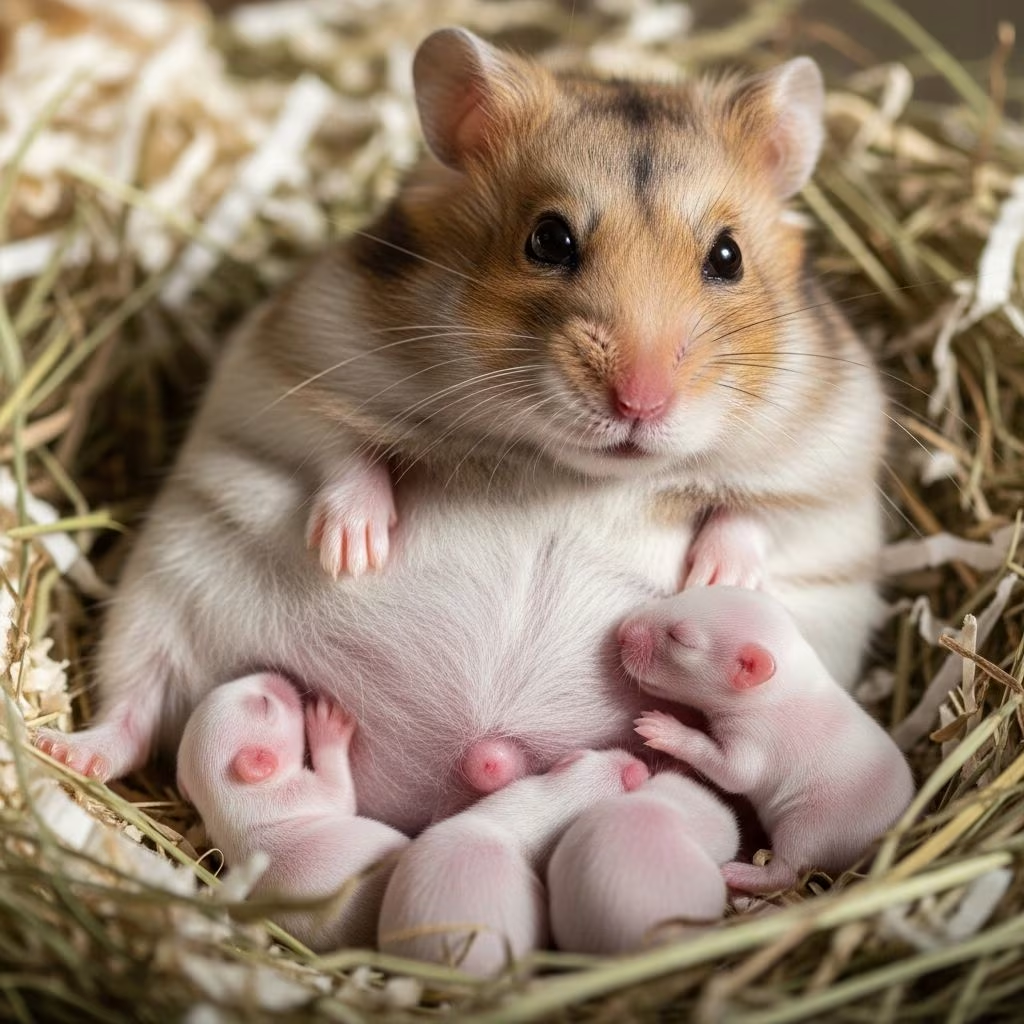
Discovering that your hamster is expecting can be both exciting and challenging. Pregnant hamsters require specialized attention and careful management to ensure both the mother and her offspring remain healthy throughout this significant life stage. Understanding the biological needs, behavioral changes, and care requirements specific to expecting hamsters will help you provide the best possible environment for your pet during this critical period.
Recognizing Pregnancy in Your Hamster
Identifying whether your hamster is pregnant involves observing several physical and behavioral indicators. These signs emerge gradually as the pregnancy progresses, giving you time to adjust the living environment and care routine.
Physical Changes and Visual Indicators
- Body Shape Transformation: One of the most noticeable changes is the hamster’s silhouette, which gradually shifts to resemble a pear or tear drop as the pregnancy advances. The abdominal area expands noticeably while the rest of the body remains relatively unchanged.
- Visible Nipples: As pregnancy progresses, the nipples become more pronounced and visible, enlarging in preparation for nursing.
- Increased Weight Gain: Pregnant hamsters typically gain significant weight beyond their normal body mass, though this should not be confused with bloating or disease.
Behavioral Modifications
- Nesting Behavior: Perhaps the most telling sign is when your hamster begins gathering bedding materials into specific areas and arranging them into nest structures. She may also collect and hoard food more aggressively than usual.
- Temperament Changes: Pregnant hamsters often display increased aggression and territorial behavior as a maternal instinct, which is perfectly normal during this stage.
- Increased Activity: You may notice heightened activity levels as the hamster prepares her environment and gathers supplies for the upcoming birth.
Important Note: A swollen belly can indicate pregnancy, but it may also signal serious health conditions such as tumors or infections. If you suspect pregnancy, consult your veterinarian for confirmation rather than assuming based solely on appearance.
Gestation Timeline and Breed Variations
The duration of hamster pregnancy varies depending on the species. Understanding these timeframes helps you prepare adequately and anticipate when birth might occur.
| Hamster Species | Pregnancy Duration | Typical Litter Size |
|---|---|---|
| Syrian Hamsters | 15-20 days | 6-12 pups |
| Dwarf Hamsters | Up to 30 days | 6-12 pups |
| Roborovski Hamsters | 16-30 days average | Varies |
The variation in gestation length depends on multiple factors including breed, environmental conditions, nutrition, and the size of the litter. Dwarf hamsters, being smaller creatures, sometimes require longer gestation periods than their Syrian counterparts.
Pre-Birth Environmental Preparation
Creating an optimal living space for your pregnant hamster is crucial for her comfort and the successful birth and early development of her pups. The environment directly influences her stress levels, which can affect pregnancy outcomes.
Cage Modifications and Setup
- Remove Exercise Equipment: Eliminate wheels, exercise balls, and other toys that could cause injury or stress. The mother needs unobstructed movement and rest space.
- Clear Unnecessary Accessories: Remove sand baths, litter boxes, and other cage items that could interfere with nesting or pose safety risks to newborns.
- Bedding Preparation: Provide abundant soft, absorbent bedding materials. Add extra quantities beyond your normal routine. The bedding serves multiple purposes: temperature regulation, nesting material, and comfort for laboring mother.
- Nesting Material Supply: Offer materials that are easily tearable and safe for nest construction, such as shredded tissue paper, toilet paper, and paper towels.
Environmental Conditions
The physical environment surrounding your hamster’s cage significantly impacts her stress levels and overall wellbeing during pregnancy.
- Location Considerations: Position the cage in a quiet area away from high-traffic zones, loud noises, and vibrations. This minimizes stress and allows for uninterrupted rest.
- Darkness and Ventilation: Maintain a relatively dark environment with good air circulation. Excessive light can stimulate activity when the mother needs rest; poor ventilation creates unhealthy conditions.
- Temperature Stability: Keep the environment at a consistent, moderate temperature. Extremes in temperature can stress the hamster and interfere with proper fetal development.
- Reduced Disturbances: Minimize handling and cage interventions. Even well-intentioned checking can cause unnecessary stress.
Cage Cleaning Timeline
Cleanliness is important, but timing matters significantly. Clean the cage thoroughly at least five days before the expected birth date, retaining a small portion of old bedding to maintain familiar scents. After this pre-birth cleaning, avoid major cage cleaning until after the birth and initial nursing period to prevent stress-induced complications.
Nutritional Requirements During Pregnancy
Pregnancy dramatically increases nutritional demands. A pregnant hamster requires a carefully balanced diet that supports her own health while providing adequate nutrition for developing pups.
Protein Requirements
Protein becomes essential during pregnancy, but moderation is crucial. Excessive protein can cause pups to develop too much in the womb, potentially creating delivery complications. Conversely, insufficient protein compromises fetal development and maternal strength.
Recommended Protein-Rich Foods:
- Boiled eggs (unseasoned)
- Lean chicken breast (white meat, unseasoned)
- Low-fat cheese in moderation
- Boiled, unseasoned meat
- Dried fish (occasionally)
- Commercial hamster milk substitute
Calcium and Mineral Balance
Calcium becomes particularly important as the developing pups require this mineral for bone formation. The pregnant hamster’s body may draw calcium from her own skeletal system if dietary intake is insufficient.
- Ensure a balanced calcium-to-phosphorus ratio in her diet
- Offer calcium-fortified commercial hamster food as a base diet
- Include safe vegetables and seeds that provide mineral support
Hydration and Water Access
Provide continuous access to fresh, clean water. Pregnant hamsters require increased hydration to support the additional blood volume and amniotic fluid needed for pregnancy. Check water bottles daily to ensure they function properly and remain uncontaminated.
Housing Arrangement and Male Separation
Perhaps the single most important consideration is separating the pregnant hamster from males. This separation serves multiple critical purposes and is non-negotiable for successful pregnancy and birth.
Why Separation Is Mandatory
Male hamsters can cause significant stress to pregnant females through unwanted mating attempts, territorial aggression, or accidental injury during her vulnerable state. Additionally, male presence increases the likelihood of immediate re-impregnation after birth, which dangerously strains the mother’s body.
Isolation Best Practices
- Complete Separation: House the pregnant hamster in her own cage completely isolated from other hamsters.
- Single-Occupancy Housing: Maintain the principle of one hamster per cage to prevent all breeding-related complications.
- Separate Males During Birth: Under no circumstances should the male be returned to the cage during labor or the early nursing period, as he may attack newborns.
- Extended Separation: Keep male offspring separated from females by at least five weeks of age or earlier if possible to prevent inbreeding and unintended breeding.
Labor and Birth Support
The birthing process requires a delicate balance of attention and non-interference. Your primary role is to monitor conditions while allowing the mother to birth naturally without disruption.
The Critical Non-Interference Principle
The foremost rule during labor is: do not disturb the mother. This cannot be overstated. Interference during labor can cause severe stress, leading to complications, rejection of pups, or cannibalism. Even well-meaning interventions such as checking on progress or offering comfort can be counterproductive.
Monitoring Without Intrusion
- Check food and water supplies daily without opening the cage unnecessarily
- Observe from a distance, looking for signs of distress rather than active involvement
- Maintain the quiet, dark environment established during pregnancy
- Ensure temperature remains stable and comfortable
- Keep the area free from unexpected disturbances, noise, or vibrations
Signs of Normal Birth Progress
Normal hamster births progress quickly, typically within a few hours. Pups are born blind and hairless, and the mother will naturally clean them and position them for nursing. If you observe active nesting, increased cleaning behaviors, and the gradual appearance of pups, the process is likely proceeding normally.
When to Seek Veterinary Help
Contact an emergency veterinarian immediately if you observe:
- Signs of weakness or lethargy in the mother
- Vaginal bleeding or discharge lasting more than a few hours
- Complete loss of appetite lasting more than a day post-birth
- Labor lasting more than 12 hours with no pups produced
- Mother showing signs of rejection of pups (abandonment, excessive aggression)
Newborn Development Milestones
Understanding the developmental timeline helps you provide appropriate care at each stage and recognize when pups are ready for independence.
Week-by-Week Development
Days 1-7: Initial Development Phase
Newborn hamsters arrive completely dependent, hairless, and blind. During this first week, pups focus entirely on finding the mother and nursing. They remain in the nest, relying on maternal body heat and milk. Around day five, pups begin developing pigment.
Days 8-14: Sensory Development
By day ten, pups begin emerging from the nest and exploring. Eyes open anywhere between day fourteen and eighteen. Once eyes are open, it becomes safe to gently handle pups for brief periods. Introduce soft supplemental foods near the nest, such as chopped cucumber for hydration and porridges to begin acclimating their digestive systems to solid food.
Days 15-21: Independence Emergence
By three weeks of age, pups are largely independent and can be separated from their mother. They’re eating solid food, exploring confidently, and developing social skills. This is an appropriate time to begin gentle, supervised handling to acclimate them to human interaction.
Weeks 4-5+: Sexual Maturity Precautions
By five weeks of age or as soon as sexual characteristics become apparent, pups must be separated by gender to prevent unwanted breeding. Different-gender pups should never be housed together beyond five weeks, while same-gender pups can sometimes cohabitate if properly introduced and monitored.
Post-Birth Maternal Care
After birth, the mother’s nutritional and environmental needs shift to support nursing and recovery.
Nutrition After Birth
Significantly increase protein offerings after birth to help the mother regain strength and produce adequate milk. Nursing depletes maternal energy reserves substantially, making robust nutrition critical for her recovery and pup development through maternal milk.
Cage Maintenance During Nursing
Avoid full cage cleanings for the first two weeks when possible. If cleaning becomes necessary after eyes open, use the two-bin method: place the mother with her food in one clean container while gently placing pups in another (or a carrier), quickly clean the main cage retaining as much of the nest as possible, then reunite them.
Handling Pups Safely
Once eyes are open, you can handle pups briefly multiple times daily using a snuggle sack for comfort and security. This early socialization promotes taming and reduces stress. Always ensure pups return to the mother promptly and that handling doesn’t interfere with nursing.
Special Considerations for Hand-Rearing
Occasionally, mothers reject pups or lack adequate milk supply, necessitating hand-rearing. This intensive process requires commitment and specific knowledge.
Feeding Orphaned or Rejected Pups
- Provide specialized formulas like KMR (Kitten Milk Replacer) or Esbilac according to package directions
- Administer formula using soft applicators such as paint brushes or sponges to prevent aspiration
- Feed every 1-2 hours around the clock
- Stimulate bowel function post-feeding by gently massaging the pup’s genital area with a warm, damp cloth
- Maintain consistent warmth using heating pads or hot water bottles on low setting
Frequently Asked Questions
Can I hold a pregnant hamster?
Minimize handling during pregnancy. Avoid pressing on or manipulating the abdomen, and keep interactions to brief, necessary periods. Excessive handling causes stress that can complicate pregnancy.
What should I feed a pregnant hamster?
Provide a nutritious balanced diet with moderate protein increases from sources like boiled eggs, lean chicken, cheese, and commercial hamster pellets. Always ensure 24/7 fresh water access.
How many babies will my hamster have?
Typical litters contain 6-12 pups, though this varies based on species, mother age, and health status.
When can I separate babies from their mother?
Pups can be separated from their mother at approximately three weeks of age. However, Roborovski pups benefit from an additional 1-2 weeks with their mother to develop natural behaviors.
What temperature is best for pregnant and nursing hamsters?
Maintain a consistent, moderate temperature around 65-75°F (18-24°C). Avoid extremes and sudden fluctuations.
Key Takeaways for Success
Caring for a pregnant hamster and her newborns demands patience, knowledge, and restraint. The fundamental principles—minimizing stress, providing excellent nutrition, maintaining environmental stability, and resisting the urge to interfere—form the foundation of successful pregnancy and pup-rearing outcomes. By understanding the developmental timeline, recognizing behavioral changes, and implementing proper care protocols, you’ll support your hamster through this extraordinary biological process while setting her pups on a path toward healthy independence.
References
- How to Take Care of a Pregnant Hamster? — Acepet Crown. 2024. https://www.acepetcrown.com/blog/detail/49
- Taking Care of Your Pregnant Hamster — Petmania Ireland. 2024. https://www.petmania.ie/taking-care-of-your-pregnant-hamster/
- Pregnancy Crash Course — Philippine Hamster Keepers. 2024. https://philippinehamsterkeepers.com/hamster-care/pregnancy-crash-course/
- Pregnancy Crash Course — Ontario Hamster Club. 2024. https://ontariohamsters.ca/education/pregnancy-crash-course.html
- Hamster Care — Chicago Exotics Animal Hospital. 2024. http://www.exoticpetvet.com/hamster-care.html



