

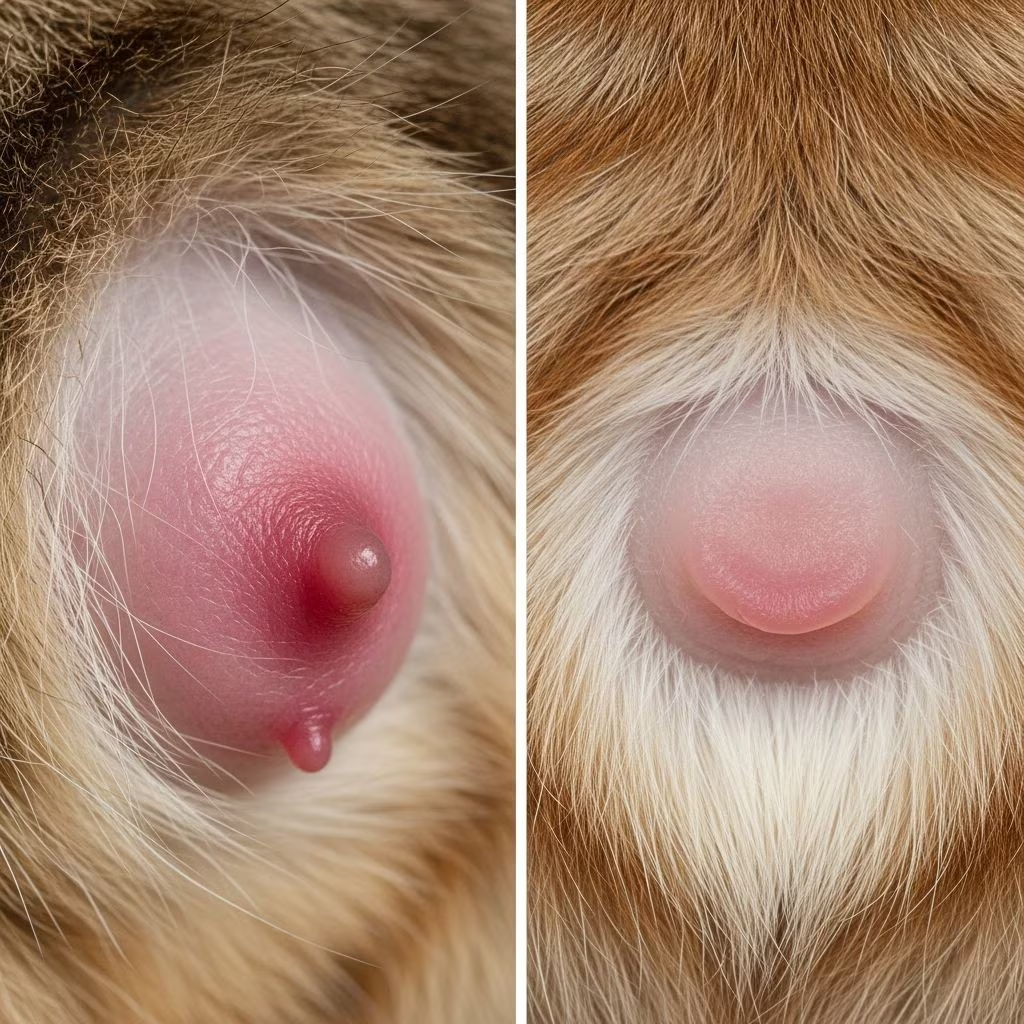
Pregnant Cat Nipples vs Normal: Understanding the Changes
Both male and female cats have nipples, but the female’s nipples will undergo dramatic changes during and after pregnancy to accommodate the nutritional needs of her kittens. Understanding these changes is essential for cat owners who want to recognize early signs of pregnancy and properly care for their expectant felines. After all, those nipples must be ready to feed multiple kittens simultaneously.
Changes in a female cat’s nipples can be one of the earliest and most telling signs that she has become pregnant, making it important to know the differences between normal and pregnant cat nipples. This comprehensive guide will walk you through every stage of nipple development, from the non-pregnant state through late pregnancy and beyond.
Normal Cat Nipples: The Baseline
When a cat is not pregnant, their nipples are small and firm. They are not typically apparent unless you deliberately look for them, and in many cases, identifying them requires some effort. Most cats have six or eight nipples arranged in pairs along their bellies, though some cats might have four nipples, ten nipples, or an odd number of nipples.
Sometimes a little bare skin shows around each nipple, but in many cases, all that protrudes from the fur is the small nipple that looks like a wart. If a cat’s fur is long and thick, you may have to feel for the nipples because they are so hidden. Each nipple sits directly in front of a mammary gland, and in non-pregnant cats, these mammary glands are small and dormant.
Anatomy and Function of Normal Nipples
Each mammary gland has several ducts that connect to the teat canal. A healthy cat shouldn’t produce milk or discharge except when pregnant or nursing. In their dormant state, the nipples serve no active biological function beyond being part of the cat’s reproductive anatomy. The surrounding area is typically covered with fur, making the nipples nearly invisible to the casual observer.
Nipple Changes During Early Pregnancy
It takes about 2 63 weeks of pregnancy for nipple changes to start occurring. This is often one of the first noticeable signs that a cat has conceived. The average cat pregnancy lasts around 60 670 days, so early pregnancy changes begin relatively quickly in the gestation period.
The “Pink Up” Phase
During early pregnancy, the nipples undergo what is referred to as “pink up,” which means that they get larger and become redder in color. At this point, the nipples become much more noticeable because they usually double in size. The surrounding tissue of the pregnant cat’s nipples becomes exposed from the fur and is usually pink and looks inflamed.
According to veterinary observations, early pregnancy nipples are approximately 2-3 times bigger than normal nipples. The color changes from skin tone to a notably deeper pink. There should be no discharge happening at this point of pregnancy, so if you notice any fluid leaking from your cat’s nipples when she’s around 3 weeks pregnant, it’s essential to consult your veterinarian.
Nipple Changes During Late Pregnancy
By late pregnancy, a pregnant cat’s nipples have already enlarged to the size that they will stay until the feline gives birth. However, the area around the nipples will enlarge and become more prominent. By around day 60 to 65 of pregnancy, the nipples are surrounded by hairless skin and are prominent and very obvious, standing out from the enlarged abdomen.
Discharge and Milk Production Signs
About 2 weeks before the kittens are born, it is common to see a little discharge coming from the mom’s nipples. The discharge is typically milky or clear and can be continuous or sporadic depending on many factors, including gestation period and health status. Small amounts of clear or milky discharge might leak from the pregnant cat’s nipples, especially if they are touched, as late pregnancy hormones stimulate milk development.
The appearance of the discharge signals that the cat’s body has reached its peak in readiness for motherhood. The mammary glands are now fully developed and ready to provide the essential milk required for the kittens’ nourishment and growth after birth. This is a positive sign, indicating that the cat’s mammary system is fully prepared to nurse the kittens once they are born.
Nipple Changes After Pregnancy and During Nursing
After giving birth to her kittens, a female cat produces milk to nurse her kittens. This stimulation will make the nipples even larger and look full. The nipples may hang down as the mother walks because she is carrying so much milk. The nipples stay swollen and red or pink throughout the nursing period.
Every mammary gland is connected to a small duct. That duct delivers milk through a canal, eventually releasing it from the nipple. This process ensures that the kittens receive the necessary nourishment from their mother during the early stages of life. As the mother cat walks around, you may notice her nipples hanging down due to the weight of her milk.
Comparative Table: Nipple Changes Across Pregnancy Stages
| Characteristic | Normal Nipples | Early Pregnancy | Late Pregnancy | After Birth |
|---|---|---|---|---|
| Size | Small, barely noticeable | 2-3 times bigger | 4 times bigger | Plump and very large |
| Color | Skin tone | Pink | Dark pink | Dark pink/reddish |
| Surrounding Area | Has fur around it | Hairless patch increasing | Hairless patch prominent | Spread and hairless |
| Discharge | None | None | Clear or milky fluid | Large quantity of milk |
Do Cat Nipples Return to Normal After Pregnancy?
In many cases, yes, a female cat’s nipples do go back to a somewhat normal appearance after feline pregnancy and nursing. After giving birth and nursing her kittens, the mother cat’s mammary glands will gradually stop producing milk as the kittens start weaning and eating solid food. Once the kittens begin weaning off their mother’s milk, the mother’s nipples slowly start to shrink and look normal again.
However, it’s essential to note that not all cats will have their nipples return to exactly how they were before pregnancy. In some female cats, the nipples may remain slightly enlarged or more visible even after nursing. This variation is normal and depends on individual feline physiology and the number of pregnancies a cat has experienced.
Other Conditions That Cause Nipple Changes
While pregnancy is the most common reason for nipple enlargement and changes, other conditions can also cause similar symptoms. Cats’ nipples enlarge when they are in heat, as well as when pregnant. They will remain large when nursing kittens after pregnancy and labor. There are also certain other conditions that can cause nipple changes, such as mastitis and mammary cancer.
If you notice unexpected nipple changes in your cat that are not related to pregnancy or nursing, consult your veterinarian to rule out any underlying health concerns.
Other Signs of Cat Pregnancy to Look For
While nipple changes are one of the earliest signs, they’re not the only indicators of feline pregnancy. In early pregnancy, a cat’s nipples get large and red, and she might vomit a little. In later pregnancy, the belly will swell, and the cat will gain weight and might eat more. She will also show behavioral changes such as increased affection and nesting.
Understanding these multiple signs helps you provide comprehensive care for your pregnant cat and ensures she receives the proper attention and support throughout her pregnancy.
Frequently Asked Questions
Q: At what point in pregnancy do cat nipples change?
A: Nipple changes typically begin about 2 63 weeks after conception. This is often one of the first noticeable signs of pregnancy in cats.
Q: How much bigger do pregnant cat nipples get?
A: During early pregnancy, nipples typically double in size and are 2-3 times bigger than normal. By late pregnancy, they can be approximately 4 times bigger than their normal size.
Q: Should there be discharge from pregnant cat nipples?
A: There should be no discharge during early pregnancy. However, about 2 weeks before birth, it’s common to see a clear or milky discharge. If you notice discharge before 3 weeks of pregnancy, consult your veterinarian.
Q: How many nipples do cats have?
A: Most cats have six or eight nipples arranged in pairs along their bellies. However, some cats might have four nipples, ten nipples, or an odd number of nipples.
Q: How long does it take for cat nipples to return to normal after weaning?
A: Nipples gradually shrink as the kittens wean off their mother’s milk. The exact timeline varies, but most cats see a return to near-normal appearance once nursing ends.
Q: Can a cat have large nipples without being pregnant?
A: Yes. Cats’ nipples enlarge when they are in heat, as well as when pregnant. They will also remain large when nursing kittens after pregnancy. Other conditions like mastitis and mammary cancer can also cause nipple enlargement.
Q: What should I do if I notice unexpected nipple changes?
A: If you notice nipple changes that are not related to pregnancy or nursing, consult your veterinarian. They can rule out underlying health conditions and provide appropriate care.
References
- Pregnant Cat Nipples vs Normal Cat Nipples: The Difference — Rexi Pets. https://rexipets.com/blogs/the-latest/pregnant-cat-nipples-vs-normal-cat-nipples
- Pregnant Cat Nipples vs Normal Cat Nipples: Vet-Reviewed — Hepper. https://articles.hepper.com/pregnant-cat-nipples-vs-normal-cat-nipples/
- Pregnant Cat Nipples vs Normal: Vet-Verified Differences Explained — Catster. https://www.catster.com/cat-health-care/pregnant-cat-nipples-vs-normal/
- Pregnant Cat Nipples Vs Normal Cat Nipples: How To Tell the Difference — Cats.com. https://cats.com/cat-nipples



