

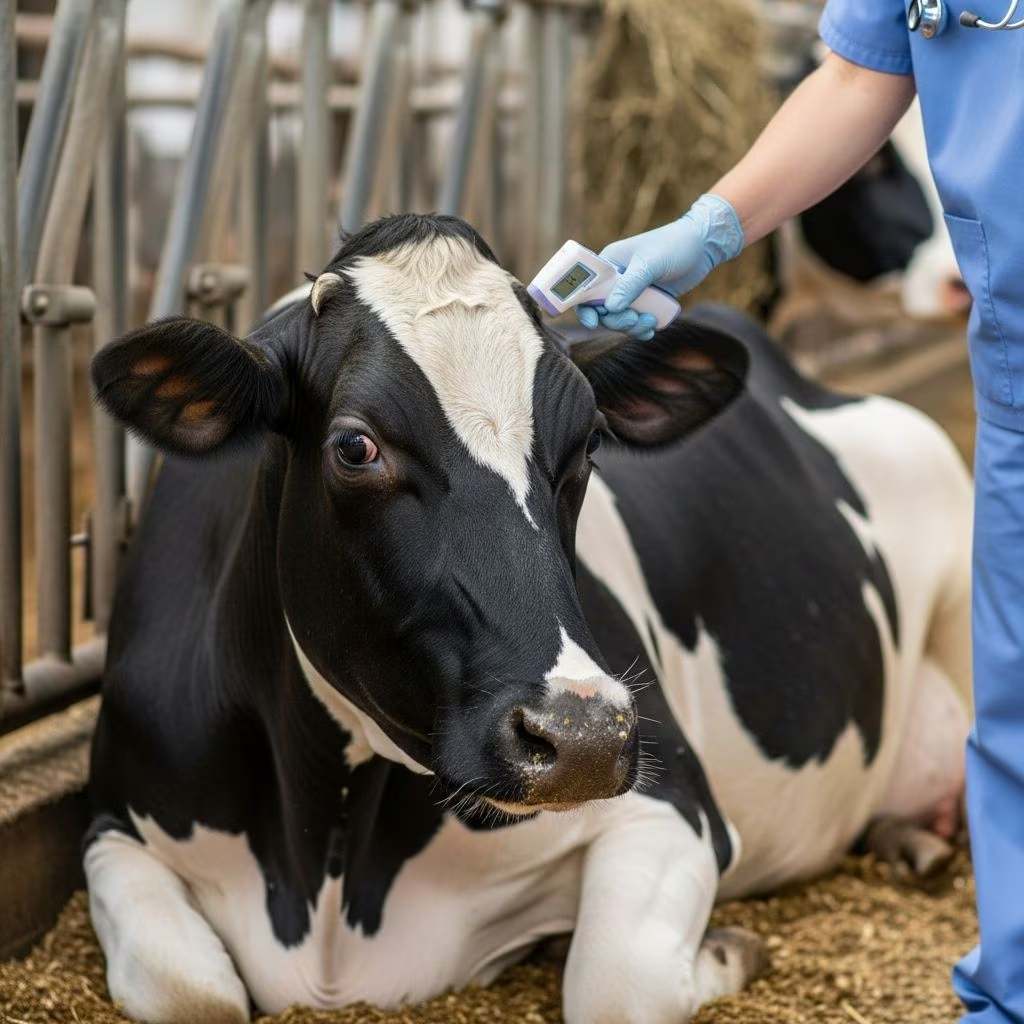
Pregnancy toxemia represents a significant threat to cows in the final stages of pregnancy, characterized by a severe disruption in energy metabolism that can lead to rapid decline and death if not addressed promptly. This condition arises when the cow’s glucose supply fails to meet the escalating demands of the developing fetus, often exacerbated by inadequate nutrition during a period of high energy needs.
Understanding the Metabolic Foundations
At its core, pregnancy toxemia stems from an imbalance where the gravid uterus consumes a disproportionate share of available glucose, leaving maternal tissues starved. In beef cows, this typically coincides with the last trimester when feed quality often diminishes, such as during winter months with sparse pastures. Overly conditioned animals, those carrying excess fat from abundant summer grazing, face heightened risk as their bodies struggle to mobilize reserves efficiently when feed drops off.
The physiological shift involves increased ketone production as fat breakdown accelerates to compensate for glucose shortages. This ketosis spirals as appetite wanes, further worsening the energy deficit. Both thin cows under nutritional stress and fat ones with mobilization issues can succumb, though the latter predominate in many outbreaks.
Recognizing Early Warning Signs
Initial symptoms are subtle and easily missed amid herd routines. Affected cows often appear dull, isolating themselves and reducing foraging activity. Appetite loss is prominent, with decreased rumination and scant fecal output that may appear dry or mucoid.
As progression occurs, signs intensify: rapid breathing, expiratory grunts, and weakness lead to ataxia and recumbency. Terminal phases bring nervous system involvement, including excitability, high-stepping gaits, opisthotonos, seizures, or coma, particularly near term. Cows close to calving may exhibit aggression or reluctance to move, charging at stimuli in rare cases.
- Dull demeanor and isolation from the group
- Reduced feed intake and rumination
- Sparse, dry manure possibly with mucus or blood
- Weakness progressing to recumbency
- Nervous signs like staggering or convulsions in advanced stages
Diagnostic Approaches for Confirmation
Suspect pregnancy toxemia in any late-gestation cow showing these patterns, especially with herd-level nutritional shortfalls. Blood tests measuring beta-hydroxybutyrate (ketones) provide definitive confirmation, with levels above 3 mmol/L indicating severe ketosis. Urine ketone strips offer a field expedient alternative.
Post-mortem findings reinforce diagnosis: an enlarged, pale yellow, greasy liver signals lipid accumulation. Differentiate from conditions like hypocalcemia or tetany, which may overlap but show distinct electrolyte profiles.
| Diagnostic Tool | Purpose | Interpretation |
|---|---|---|
| Blood Ketone Test | Measures beta-hydroxybutyrate | >3 mmol/L confirms toxemia |
| Urine Ketone Strip | Quick field screening | Positive indicates ketonuria |
| Liver Necropsy | Post-mortem exam | Greasy, yellow liver typical |
Therapeutic Interventions: Timing is Critical
Success hinges on early detection; severely anorectic or recumbent cows for over 24 hours carry grave prognoses and may warrant euthanasia to prevent suffering. Mild cases where appetite persists respond best to nutritional boosts and supportive care.
Immediate energy provision via intravenous glucose (0.5 g/kg) offers quick stabilization, though repeat doses are often needed. Oral propylene glycol (0.5–1 g/kg/day for 3–5 days) serves as a glucogenic precursor, drench-fed to at-risk animals.
For anorectic cows, aggressive protocols include:
- Ruminal transfaunation with fluid from healthy donors to revive microbial activity
- Slurries of alfalfa, beet pulp, or soybean meal for rumen support
- Large-volume electrolyte fluids (20–60 L/day IV/PO) addressing dehydration and acidosis
- Protamine zinc insulin (200 U SC every 48h) post-dextrose to curb ketogenesis
In terminal cases, inducing parturition or cesarean section reduces fetal energy drain, potentially salvaging the dam. Post-calving cases are harder to treat and often culled due to poor outcomes.
Prevention Strategies for Herd Health
Proactive management trumps treatment. Maintain ideal body condition scores (BCS 5–6 on 9-point scale) entering late gestation; avoid over-fattening on lush pastures. Lead-feed dry cows with balanced rations rather than excessive energy, monitoring to prevent weight loss near term.
Herd-level responses to outbreaks include supplemental high-quality hay or concentrates for all late-gestation animals. At-risk individuals receive preventive propylene glycol. Regular BCS assessments and feed analysis guide adjustments.
- Target BCS 5–6 pre-calving
- Provide consistent, quality forage
- Supplement energy during feed shortages
- Monitor high-risk cows closely
Risk Amplifiers and Herd Dynamics
Beef operations face elevated risks during winter, when pasture declines align with peak fetal growth (fetus demands up to 40% of energy by term). Multiple fetuses compound demands, though single calves suffice in susceptible cows. Overfat dry cows risk periparturient issues like hypocalcemia alongside toxemia.
Outbreaks signal broader nutritional failures; addressing them averts losses exceeding 30% in untreated groups.
Post-Toxemia Management and Long-Term Outlook
Survivors require convalescence with high-plane nutrition to rebuild condition. Retained post-calving cases pose economic drags via poor milk yield or fertility; culling may prove judicious. Future pregnancies demand stringent monitoring.
Frequently Asked Questions (FAQs)
What triggers pregnancy toxemia most commonly?
Inadequate energy intake in late pregnancy, especially in over-conditioned beef cows during poor feed seasons.
Can pregnancy toxemia be reversed once a cow is down?
Rarely; cows down over 24 hours seldom recover, prioritizing welfare.
How do you test for it on-farm?
Urine or blood ketone tests; elevated levels confirm.
Is treatment viable for outbreaks?
Boost entire herd nutrition; treat mild cases individually.
Prevention tips for dairy vs. beef?
Both need BCS control; dairy emphasizes lead-feeding to avoid dry period obesity.
This comprehensive approach equips producers to mitigate pregnancy toxemia, safeguarding herd productivity and animal welfare through vigilant management.
References
- Pregnancy Toxemia in Cows: Causes, Symptoms & Prevention — The Western Producer. 2023-10-12. https://www.producer.com/opinion/pregnancy-toxemia-can-have-deadly-results-animal-health/
- Pregnancy toxaemia in cows — Agriculture Victoria (government). 2024-05-15. https://agriculture.vic.gov.au/livestock-and-animals/beef/breeding/pregnancy-toxaemia-in-cows
- Pregnancy Toxemia in Cows — Merck Veterinary Manual. 2025-01-20. https://www.merckvetmanual.com/metabolic-disorders/hepatic-lipidosis/pregnancy-toxemia-in-cows
- Large Animal Medicine: Pregnancy Toxemia in Cattle — Veterinary Channel (YouTube). 2023-11-05. https://www.youtube.com/watch?v=seb8pXyBs8E
- Down Cows: Winter Tetany, Milk Fever, Pregnancy Toxaemia — Government of Manitoba (.gov). 2024-02-10. https://www.gov.mb.ca/agriculture/livestock/beef/down-cows-winter-tetany-milk-fever-pregnancy-toxaemia.html



