

Pregnancy Testing in Dogs: A Comprehensive Guide
Determining whether your dog is pregnant is an important part of responsible pet ownership. Knowing your dog’s pregnancy status allows you to provide appropriate nutrition, prepare for potential complications, and arrange for proper veterinary care during gestation and delivery. Several reliable methods are available to confirm canine pregnancy, each with distinct advantages depending on timing, accuracy requirements, and your specific needs.
The Gold Standard: Abdominal Ultrasound
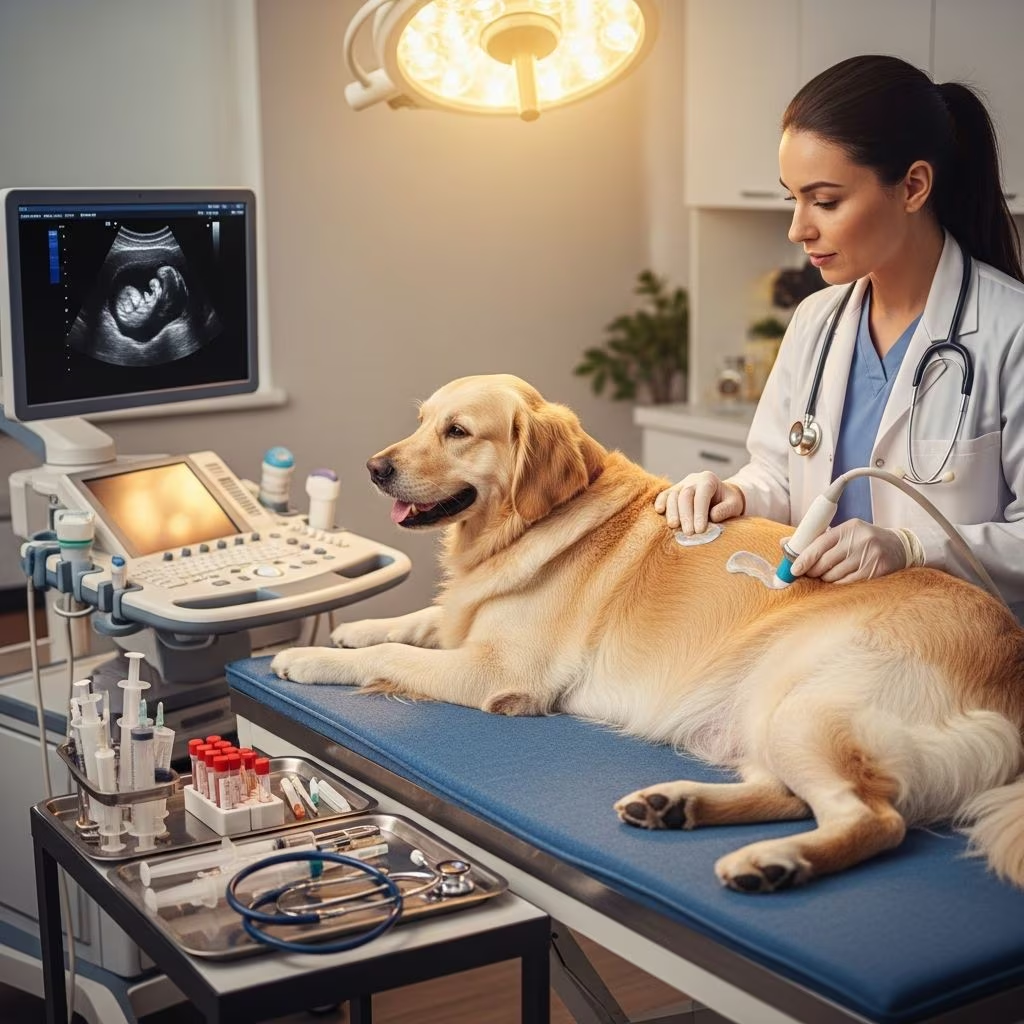
Abdominal ultrasound has become the most reliable way of detecting and monitoring pregnancy in dogs. This non-invasive imaging technique uses sound waves to visualize the reproductive organs and developing fetuses without exposing your dog to radiation. Ultrasound is considered the gold standard for pregnancy detection because it provides both confirmation of pregnancy and assessment of fetal viability throughout gestation.
Developing embryos can be detected as early as three weeks post-breeding using ultrasound. The procedure is best performed at 25–35 days gestation for optimal visualization. One of the significant advantages of ultrasound is that Doppler-type instruments allow veterinarians to “hear” the fetal heart, which beats 2–3 times faster than the mother dog’s heart, confirming fetal viability.
Ultrasound is particularly helpful in differentiating pregnancy from other conditions that cause uterine distention, such as hydrometra, pyometra, and mucometra. Additionally, ultrasonographic measurements can be used to calculate gestational age, providing your veterinarian with precise information about how far along your dog is in her pregnancy. The procedure is painless, requires no special preparation, and typically takes only 15-30 minutes to complete.
Traditional Method: Abdominal Palpation
The traditional method of detecting pregnancy in the dog is careful abdominal palpation, which involves gently pressing on the surface of the abdomen with the fingers to detect swellings in the uterus that signal the presence of developing puppies. This hands-on approach has been used for generations and remains a valuable initial assessment tool.
The reliability of palpation depends on several factors including the temperament, size, and body condition of the dog, as well as the timing of the palpation. The optimal time for abdominal palpation is between three and a half and five weeks of pregnancy. During this window, embryonic vesicles can typically be felt as small, distinct swellings within the uterus.
However, palpation has significant limitations. The method is unreliable for determining the viability of the fetuses, making it unsuitable as a standalone confirmation method. In obese dogs or those with very muscular abdomens, fetuses may be difficult or impossible to detect through palpation. Very small breed dogs or those carrying only one or two puppies may also present challenges for accurate detection through this method alone.
Blood Tests: Detecting Relaxin Hormone
Blood tests can be used to detect pregnancy in dogs by measuring specific hormones produced during pregnancy. The most common and reliable blood test for canine pregnancy is the relaxin hormone test. When a dog is pregnant, her body produces a hormone called relaxin as the placenta develops after insemination.
Relaxin testing becomes reliable around 25-30 days after mating and maintains accuracy throughout pregnancy. This hormone-based test involves a simple blood draw, with results available within 10-30 minutes if processed in-clinic. The major advantage of relaxin testing is its specificity – unlike other hormones that fluctuate during regular reproductive cycles, relaxin is produced primarily by the developing placenta, making it a pregnancy-specific indicator with minimal false positives.
Beyond relaxin, veterinarians may also conduct progesterone testing, which while not pregnancy-specific, helps establish breeding timing and can support pregnancy monitoring. Progesterone rises during normal heat cycles regardless of pregnancy status, so it cannot confirm pregnancy alone but provides valuable contextual information when combined with other diagnostic methods.
X-Ray Imaging: Late Pregnancy Confirmation
Abdominal radiographs (X-rays) are useful in detecting pregnancy in the last trimester of gestation, specifically three weeks before whelping, when the bony structures of the puppies can be seen. Unlike ultrasound, X-rays cannot effectively detect early pregnancy because fetal skeletons need time to mineralize and become visible on radiographs.
For most dogs, X-rays become useful for pregnancy confirmation after day 45 post-mating. At this stage, fetal skeletons appear clearly on radiographs, allowing veterinarians to provide an accurate count of expected offspring – crucial information when preparing for delivery. Radiographs are the best way to determine the numbers of puppies in a litter, and the viability of the puppies usually can be determined, although there are situations when it could be difficult; for example, the sudden death of a full term puppy in the uterus would be difficult to detect on radiograph.
The X-ray procedure is non-invasive and painless, though your dog’s body will be covered with protective lead shields in areas other than the abdomen to minimize radiation exposure. This method is particularly valuable in the final weeks of pregnancy for confirming litter size and ensuring your dog is properly prepared for delivery.
Comparison of Pregnancy Testing Methods
| Testing Method | Timing (Days Post-Breeding) | Accuracy | Can Determine Viability | Can Count Fetuses |
|---|---|---|---|---|
| Abdominal Palpation | 21-35 days | Moderate (depends on experience) | No | No |
| Ultrasound | 21-30 days | Very High | Yes | Approximate |
| Blood Test (Relaxin) | 25-30 days | Very High | No | No |
| X-Ray Imaging | 45+ days | Very High | Yes (usually) | Yes (accurate) |
Unreliable Pregnancy Indicators
Several signs that dog owners often associate with pregnancy are actually not reliable indicators of canine pregnancy. Evaluation of the teats, weight gain, and abdominal enlargement are not reliable methods of pregnancy detection. These changes can occur for various reasons unrelated to pregnancy, including hormonal fluctuations, false pregnancy (pseudopregnancy), and other medical conditions.
False pregnancy is particularly common in dogs and can produce many of the same external signs as real pregnancy, including mammary gland development and behavioral changes. This is why definitive testing through veterinary methods is essential for accurate pregnancy confirmation.
Recommended Testing Timeline
For optimal pregnancy detection and monitoring, veterinarians typically recommend a staged approach that combines multiple methods throughout the pregnancy timeline. Early in pregnancy (weeks 2-3), a blood test for relaxin can provide quick confirmation. During weeks 3-5, abdominal ultrasound offers the most comprehensive information about fetal development and viability. In the final weeks of pregnancy (weeks 7-9), abdominal X-rays can confirm the number of puppies and ensure proper fetal positioning for delivery.
This multi-method approach ensures accurate confirmation, allows for monitoring of fetal health throughout pregnancy, and provides essential information for preparing for successful delivery. Your veterinarian can recommend the most appropriate testing schedule based on your dog’s individual circumstances and your specific information needs.
Caring for Your Pregnant Dog
Once pregnancy is confirmed through appropriate testing, proper care becomes essential for both the mother dog and developing puppies. Pregnant dogs require adjusted nutrition, with increased calories and protein to support fetal development. Your veterinarian should establish a prenatal care plan that includes regular monitoring, appropriate exercise levels, and preparation for whelping.
Monitoring throughout pregnancy helps identify potential complications early, such as uterine infections or other health issues that could compromise the pregnancy. Regular veterinary check-ups during pregnancy ensure that both mother and fetuses remain healthy and that preparations are in place for a safe and successful delivery.
Frequently Asked Questions About Dog Pregnancy Testing
Q: At what point in pregnancy can I test to confirm if my dog is pregnant?
A: The earliest reliable confirmation methods are blood tests for relaxin and ultrasound, both effective around 21-30 days after breeding. Abdominal palpation can be attempted between 21-35 days, while X-rays are useful after day 45.
Q: Is ultrasound safe for pregnant dogs?
A: Yes, ultrasound is completely safe for pregnant dogs. It uses sound waves rather than radiation and has no known harmful effects on developing fetuses.
Q: Can my dog have a false pregnancy?
A: Yes, false pregnancy (pseudopregnancy) is common in dogs and can produce similar external signs to real pregnancy. This is why veterinary testing is essential to confirm actual pregnancy.
Q: How accurate is a blood test for detecting dog pregnancy?
A: Relaxin blood tests are very accurate when performed after 25-30 days of gestation, with minimal false positives. Results are often available within 10-30 minutes if processed in-clinic.
Q: Will an X-ray harm my dog’s puppies?
A: X-rays use controlled radiation and are generally considered safe in late pregnancy (after day 45) when fetal skeletons are calcified. Protective lead shielding minimizes exposure to non-target areas.
Q: How many puppies can my dog have?
A: Litter size varies significantly by breed, age, and individual dog. Only accurate counting methods like late-stage X-rays or ultrasound can determine exact litter size.
Q: What should I do after pregnancy is confirmed?
A: After confirmation, schedule regular veterinary check-ups, adjust nutrition for pregnant dogs, ensure appropriate exercise, and prepare for whelping with guidance from your veterinarian.
Conclusion
Pregnancy testing for dogs has evolved to offer multiple reliable methods that provide accurate information at different stages of gestation. From the traditional hands-on approach of veterinary palpation to advanced imaging with ultrasound and X-rays, each method offers unique advantages depending on your timeline and information needs. Ultrasound remains the gold standard for early detection and monitoring of fetal viability, while X-rays provide the most accurate count of offspring in later pregnancy. Blood tests for relaxin offer quick, specific confirmation early in gestation.
By understanding these various testing methods and working closely with your veterinarian to establish an appropriate testing schedule, you can ensure accurate pregnancy confirmation and provide optimal care for your pregnant dog throughout gestation and delivery. Early detection through appropriate testing allows for proactive care, proper nutrition adjustments, and comprehensive preparation for the arrival of new puppies.
References
- Pregnancy Testing for Pets: 5 Essential Methods Explained — The Pet Vet. 2024. https://thepetvet.com/pregnancy-testing-for-pets/
- Pregnancy Tests for Dogs: 5 Options to Consider — CareCredit. 2024. https://www.carecredit.com/well-u/pet-care/dog-pregnancy-test/
- Pregnancy Testing in the Dog — VCA Animal Hospitals. https://vcahospitals.com/know-your-pet/pregnancy-testing-in-the-dog
- Pregnancy Checks — Westside Veterinary Hospital. https://www.westsidevethospital.com/pregnancy-checks
- Pregnancy Determination in Bitches and Queens — Merck Veterinary Manual. https://www.merckvetmanual.com/management-and-nutrition/management-of-reproduction-dogs-and-cats/pregnancy-determination-in-bitches-and-queens
- Pregnancy Diagnosis in the Bitch — UC Davis School of Veterinary Medicine. https://healthtopics.vetmed.ucdavis.edu/health-topics/canine/pregnancy-diagnosis-bitch



