

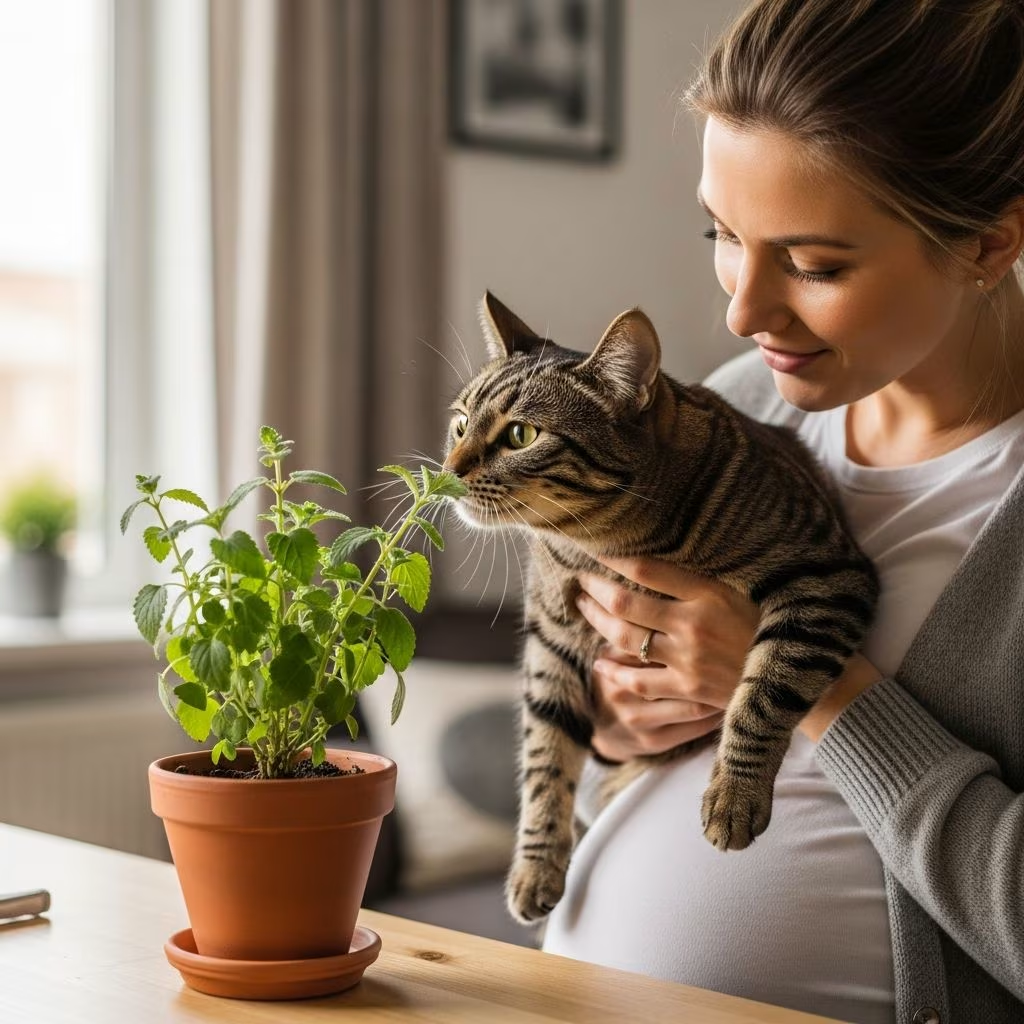
Catnip is widely recognized as a beloved treat and enrichment item for cats worldwide. The herb, derived from the Nepeta cataria plant, produces distinctive behavioral responses in the majority of felines who encounter it. However, when a cat becomes pregnant, the safety profile of this common household item changes considerably. Understanding these distinctions is essential for anyone caring for an expectant feline.
The Fundamentals of Catnip and Its Effects
Catnip contains a compound called nepetalactone, an essential oil that triggers specific responses in cats. This naturally occurring substance produces a euphoric effect in approximately 60 to 70 percent of cats, while the remaining population shows no reaction whatsoever. The variation in response depends on genetic factors, as some cats lack the inherited gene necessary to process and react to the compound.
When cats encounter catnip, their behavioral changes typically manifest through increased playfulness, rolling movements, purring, and occasional drooling. These responses generally persist for 5 to 10 minutes before the cat returns to its baseline state. Following this period, cats develop temporary immunity to catnip’s effects for approximately one to two hours, during which additional exposure produces no response. This physiological adaptation prevents continuous stimulation and allows cats to interact with the herb multiple times throughout a day without sustained overstimulation.
Why Catnip Presents Distinct Concerns During Pregnancy
The primary concern regarding catnip administration to pregnant cats centers on the herb’s potential to stimulate uterine contractions. The nepetalactone in catnip can function as a mild uterine stimulant, which poses significant risks during pregnancy. If a pregnant cat consumes catnip, particularly in larger quantities or during the later stages of gestation, uterine contractions may be triggered, potentially leading to premature labor.
This risk escalates substantially as pregnancy progresses. A cat carrying kittens in her final weeks of gestation faces heightened vulnerability to labor induction through catnip exposure. Premature delivery can result in underdeveloped kittens, reduced survival rates, and maternal complications. The developing fetuses may lack the physiological maturity necessary for independent life outside the womb, creating serious health consequences.
Beyond uterine stimulation, secondary risks exist as well. Some cats demonstrate hyperactive or agitated responses to catnip, engaging in rapid movements and elevated activity levels. During pregnancy, when a cat’s body is managing the considerable physical demands of carrying and nourishing developing offspring, this heightened activity increases the risk of accidental self-injury. A pregnant cat experiencing an enthusiastic catnip response might jump inappropriately, fall, or collide with objects, potentially causing trauma to her abdomen or internal organs.
Physiological Changes That Amplify Risk
Pregnant cats undergo significant physiological transformations that make them more vulnerable to catnip’s effects. Their metabolism operates at elevated levels to support fetal development, their balance shifts due to weight redistribution, and their physical capabilities become altered. These changes mean that even normal catnip responses carry magnified consequences during pregnancy.
Additionally, some cats experience nausea and digestive discomfort during pregnancy. Introducing catnip during this period may compound existing gastrointestinal distress, contributing to poor appetite and inadequate nutrient intake—both critical factors in maintaining a healthy pregnancy. The combination of pregnancy-related nausea and catnip-induced effects creates an unnecessary burden on the expectant mother’s system.
Individual Susceptibility Variations
| Cat Response Type | Percentage of Cats | Pregnancy Risk Level |
|---|---|---|
| Euphoric/Hyperactive Response | 60-70% | High |
| Sedative Response | Variable | Medium |
| No Response (Genetic Resistance) | 30-40% | Low |
| Nausea/Adverse Reactions | Small percentage | High |
Not all cats respond identically to catnip. Some cats become noticeably sedated after catnip exposure, particularly when they consume dried leaves rather than merely inhaling the scent. While sedation might seem less risky than hyperactivity, it still represents an altered physiological state that a pregnant cat should avoid. Sedation could interfere with her natural protective instincts or nesting behaviors during late pregnancy.
A significant portion of the cat population—approximately 30 to 40 percent—possesses genetic variation that renders catnip ineffective. These cats derive no response from the herb whatsoever. While this genetic trait eliminates catnip-related risks, owners often cannot identify whether their cat possesses this trait until attempting catnip exposure. For pregnant cats, experimentation is inadvisable.
Nursing Mothers: A Different Scenario
Once a cat successfully delivers her litter and enters the nursing phase, the safety considerations surrounding catnip shift considerably. Unlike during pregnancy, catnip does not transmit into a mother cat’s milk, meaning her nursing kittens experience no direct effects from her catnip consumption. This eliminates the primary risk pathway that existed during gestation.
Nursing cats may actually benefit from catnip in certain circumstances. The herb possesses natural pain-relieving properties that could provide comfort to mothers experiencing soreness from the nursing process. Additionally, catnip can help reduce stress and anxiety, conditions that nursing mothers frequently experience. However, a counterargument exists: excessive catnip-induced euphoria might cause a nursing mother to neglect her kittens momentarily or reduce her attentiveness to their needs. For very young, fragile newborns requiring constant maternal supervision and warmth, even brief maternal distraction poses risks.
The safest approach involves limiting catnip administration to nursing cats only when the kittens are older and more independent, typically after weaning has begun or started. This timing allows the mother to enjoy catnip’s benefits without compromising her maternal responsibilities.
Developmental Responses: Understanding Kitten Catnip Sensitivity
Newborn kittens and very young juvenile cats remain completely unresponsive to catnip regardless of exposure quantity or method of delivery. This lack of response occurs not because catnip is unsafe for young cats, but rather because their neurological and sensory systems have not yet matured sufficiently to process the compound’s effects.
Kittens typically begin showing sensitivity to catnip as they approach sexual maturity, generally between 6 months and 1 year of age. Some individual kittens may demonstrate responses earlier, though this remains uncommon. By the time cats reach full adulthood, the majority of genetically susceptible individuals will react normally to catnip exposure.
From a safety perspective, catnip is entirely non-toxic, non-addictive, and poses no overdose risk to cats of any age. Kittens may safely encounter catnip in their environment without concern, though they will derive no behavioral response from it. As they mature, they may develop preferences for interacting with the herb.
Managing Digestive Upset From Overconsumption
While cats possess good self-regulation regarding catnip intake, preventing overconsumption through their own mechanisms, excessive ingestion occasionally occurs. When cats consume substantially more catnip than their systems can comfortably process, gastrointestinal upset may result in the form of vomiting or diarrhea.
These symptoms typically resolve independently once the catnip passes through the digestive system. No permanent damage or toxic effects occur because catnip contains no poisonous compounds. However, owners can minimize the likelihood of such occurrences by controlling access to dried catnip and monitoring play sessions. Limiting interaction duration and the quantity of catnip available during each exposure helps maintain digestive comfort while still allowing cats to enjoy the herb’s recreational benefits.
Special Considerations for Cats With Seizure Disorders
Research has identified potential connections between catnip exposure and seizure activity, though the evidence primarily derives from rodent studies rather than feline-specific research. Cats with a known history of seizures face heightened vulnerability to catnip’s effects and should avoid the herb entirely, regardless of whether they are pregnant, nursing, or in any other life stage.
Similarly, cats demonstrating aggressive behavioral tendencies may experience amplification of aggressive responses following catnip exposure. For such cats, catnip introduces unnecessary behavioral risks. This concern intensifies for multi-cat households where one cat’s amplified aggression could create conflict with companion animals.
Practical Recommendations for Expectant Cat Owners
- Eliminate catnip access entirely during the known pregnancy period and continue restriction until kittens achieve independence through weaning
- Securely store all catnip products, toys containing catnip, and dried catnip in locations completely inaccessible to pregnant cats
- Inform household members and visitors of the pregnancy status and catnip restrictions to prevent accidental exposure
- Provide alternative enrichment activities and toys that do not contain catnip stimulants
- Monitor pregnant cats closely for any signs of premature labor, including unusual restlessness, vocalization changes, or physical discomfort
- Consult with a veterinarian immediately if accidental catnip exposure occurs during pregnancy
- Consider reintroducing catnip gradually after weaning is complete and kittens are fully independent
Frequently Asked Questions
Is all catnip equally risky for pregnant cats?
Catnip in any form—fresh, dried, or concentrated oils—carries the same uterine stimulation risks. The delivery method does not diminish the risk profile significantly, though some forms may produce more intense responses than others.
What should I do if my pregnant cat accidentally ingests catnip?
Contact your veterinarian promptly to report the exposure, including the approximate quantity consumed and the timing. Provide detailed information about your cat’s pregnancy status, including the estimated stage. Veterinary professionals can assess individual risk factors and recommend monitoring protocols or interventions if necessary.
Can I use catnip to calm an anxious pregnant cat?
No. While catnip does produce calming effects in some cats through sedation, the potential uterine stimulation risks far outweigh any anxiety-relieving benefits. Consult your veterinarian about pregnancy-safe alternatives for managing feline anxiety during gestation.
When is it safe to reintroduce catnip after pregnancy?
Most veterinarians recommend waiting until kittens have been weaned and separated from their mother, typically around 8 to 10 weeks of age. At this point, reintroduction can proceed gradually while monitoring the mother cat’s response.
Conclusion
Catnip’s general safety profile for most adult cats does not extend to pregnant felines. The herb’s potential to stimulate uterine contractions, combined with secondary risks including accidental injury during heightened activity and gastrointestinal distress, creates a risk scenario that responsible cat owners should avoid entirely. The temporary pleasure or enrichment derived from catnip exposure does not justify the potential consequences for mother and developing kittens.
Nursing cats present a different situation, as the risks diminish substantially once pregnancy concludes and milk production begins. Even for nursing mothers, careful monitoring and appropriate timing help ensure safety. By understanding these distinctions and implementing appropriate precautions, cat owners can successfully navigate pregnancy while maintaining their cats’ health and comfort throughout this critical life stage.
References
- Can I Give My Pregnant Cat Catnip? Vet-Reviewed Facts — Hepper. Retrieved January 29, 2026. https://articles.hepper.com/can-i-give-my-pregnant-cat-catnip/
- Can Pregnant Cats Have Catnip? Vet-Verified Risks & Safety Guide — Catster. Retrieved January 29, 2026. https://www.catster.com/cat-health-care/can-pregnant-cats-have-catnip/
- What Does Catnip Do To Cats? — Rover. Retrieved January 29, 2026. https://www.rover.com/blog/what-does-catnip-do-to-cats/



