

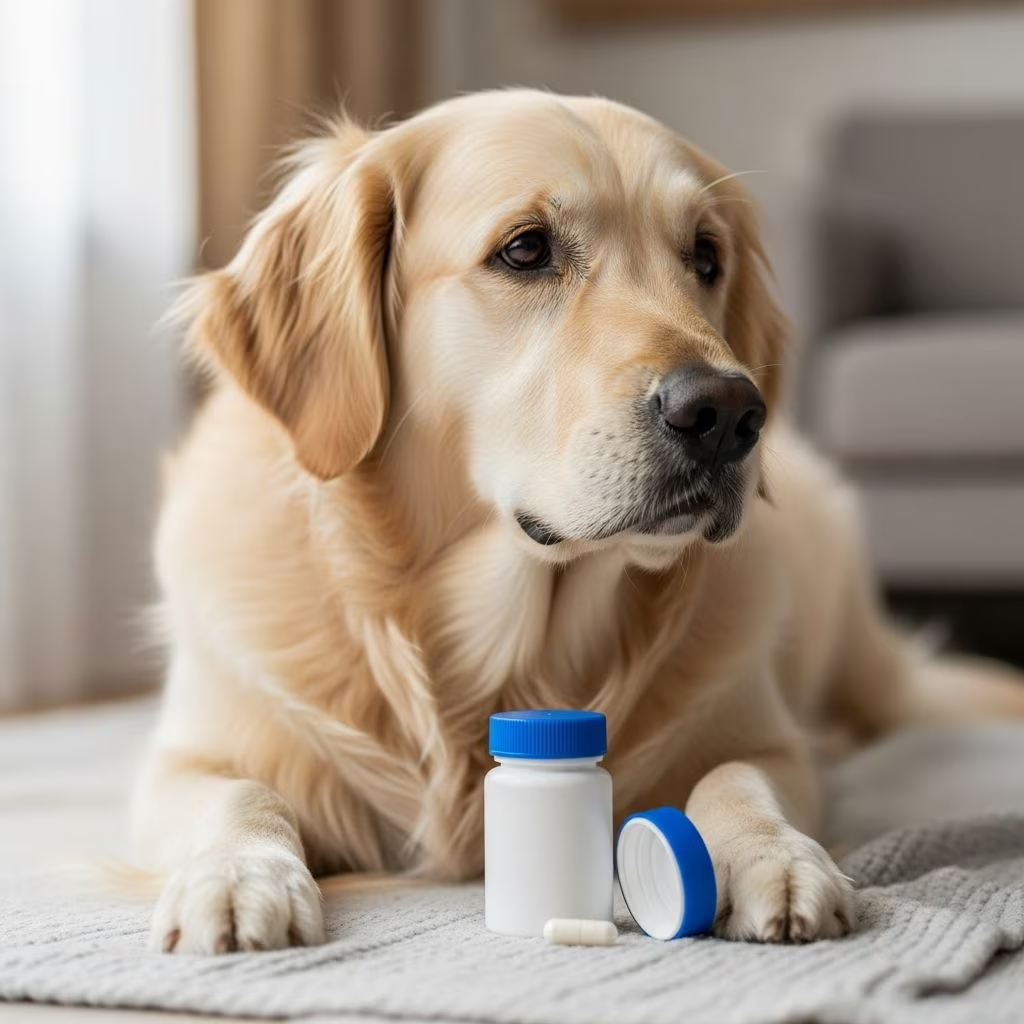
Understanding Pregabalin: A Comprehensive Guide for Pet Owners
Pregabalin is a prescription anticonvulsant medication that veterinarians use to treat various conditions in dogs and cats. This medication belongs to a class of drugs that work by decreasing the release of excitatory neurotransmitters in the central nervous system, thereby dampening stress responses and providing relief from anxiety, pain, and seizures. As a pet owner, understanding how pregabalin works and when it might be appropriate for your companion can help you make informed decisions about your pet’s health care.
What is Pregabalin Used For?
Pregabalin serves multiple therapeutic purposes in veterinary medicine, with its applications varying based on the specific needs of individual pets. The primary uses include anxiety management, pain relief, and seizure control.
Anxiety Management
One of the most common uses of pregabalin in pets is for alleviating anxiety, particularly situational anxiety. In cats, pregabalin is FDA-approved for acute anxiety and fear associated with transportation and veterinary visits. The medication helps pets remain calm during stressful situations such as car rides or vet appointments. Clinical studies have demonstrated that pregabalin significantly reduces behavioral stress scores in cats, with treated animals showing “excellent” or “good” outcomes in 51% of transportation experiences compared to just 27% in the placebo group.
Chronic Pain Management
Pregabalin is recognized as an effective treatment for chronic neuropathic pain in pets. While opioids and nonsteroidal anti-inflammatory drugs are typically the first-line pain relievers veterinarians use, pregabalin serves as a valuable alternative when other medications prove ineffective or when additional pain management is needed. The medication is particularly effective for osteoarthritis pain in dogs and shows potential as a first- or second-line option for neuropathic pain management in cats.
Seizure Control
Veterinarians may prescribe pregabalin as an alternative therapy for pets with refractory or complex partial seizures, particularly those that don’t benefit from or have sensitivity issues with other anticonvulsants like phenobarbital or potassium bromide. When used for seizure management, pregabalin typically becomes a long-term treatment that pets take throughout their lives.
Dosage Guidelines for Different Conditions
Proper dosing is crucial for ensuring pregabalin’s effectiveness while minimizing the risk of adverse effects. Dosage varies significantly based on the condition being treated and the pet’s weight and health status.
Situational Anxiety Dosage
For acute anxiety related to travel or veterinary visits in cats, the standard dosage is 5 mg/kg administered orally as a single dose approximately 1.5 to 2 hours before the stressful event. A second dose can be given the following day if needed. This high single dose may cause sedation, making it appropriate only for occasional use rather than daily administration.
Chronic Pain Dosage
When treating chronic pain, veterinarians typically prescribe 1 to 2 mg/kg given twice daily. For long-term neuropathic pain management in cats, guidelines recommend 2 to 10 mg/kg orally as needed, with routine blood work monitoring to ensure safety and efficacy.
Seizure Disorder Dosage
Pets with seizure disorders generally receive 1 to 2 mg/kg administered twice daily. The specific dosage depends on individual response to treatment and may be adjusted by the veterinarian based on seizure frequency and severity.
Available Formulations
Understanding the different forms of pregabalin available helps pet owners and veterinarians select the most appropriate option for each patient.
FDA-Approved Feline Formulation
Bonqat is the first FDA-approved animal drug containing pregabalin, specifically formulated for cats. Approved in November 2023, Bonqat is a flavored oral solution with a concentration of 50 mg/mL. This formulation was specifically designed for feline use, featuring a small dosing volume of 0.1 mL/kg, which pet owners find user-friendly and well-accepted by cats.
Human Formulations
Pregabalin capsules originally formulated for human use, including the brand-name version Lyrica, can also be prescribed to pets. However, these formulations often present dosing challenges. The lowest commercially available dosage strength is 25 mg per capsule, which may be too high for accurate dosing in smaller pets. For example, a 10-pound cat requiring 25 mg for situational anxiety might need only 5 or 10 mg for pain or seizure management.
Compounded Formulations
Compounding pharmacies can provide pregabalin in customized dosages tailored to individual pets’ needs. This option is particularly valuable for small animals requiring doses lower than commercially available tablets or capsules, ensuring precise and appropriate medication administration.
Side Effects and Safety Considerations
While veterinarians generally consider pregabalin safe for healthy pets, awareness of potential side effects is important for responsible medication management.
Common Side Effects
The most frequently observed side effects of pregabalin in pets include tiredness, vomiting, sedation, and loss of coordination. These effects are typically mild and often resolve within 4 to 8 hours. At higher doses, some pets may experience cardiovascular effects including hypotension or bradycardia, which can result in reflex hypertension. Additional side effects may include hypersalivation and mydriasis (dilated pupils).
Safety in Specific Populations
Pregabalin is not safe for any pet that has previously had an allergic reaction to the medication. Veterinarians exercise particular caution when prescribing pregabalin to cats and dogs with kidney problems, as renal dysfunction may affect drug metabolism. Lower doses are recommended for pets with renal dysfunction to prevent drug accumulation and potential toxicity.
Is Pregabalin Safe for Daily Use?
Pregabalin is only FDA-approved as a single-dose treatment for situational anxiety in cats. The high doses used for anxiety management may sedate the pet, making them inappropriate for daily use. However, when pregabalin is used for seizure control or chronic pain management, it can be administered as a long-term treatment with appropriate veterinary monitoring.
Overdose Concerns and Emergency Response
Understanding overdose signs and appropriate emergency response is critical for pet safety. The maximum pregabalin dosage for cats is 5 milligrams per kilogram of body weight (approximately 2.5 mg per pound) given as a single dose.
Signs of overdose may include severe tiredness, lack of coordination, and hypothermia. While overdoses have not been extensively studied in cats, research in humans suggests that overdose can cause seizures, heart block, or death. If you suspect your pet has received too much pregabalin, contact an animal poison control center or speak with a veterinarian immediately.
Clinical Efficacy and Study Results
Recent clinical studies have demonstrated pregabalin’s effectiveness, particularly for anxiety management in cats. A blinded, placebo-controlled study involving 209 cats showed significant differences between pregabalin-treated and placebo groups:
| Outcome Measure | Pregabalin Group | Placebo Group |
|---|---|---|
| Excellent/Good Transportation Outcomes | 51% | 27% |
| Excellent/Good Veterinary Examination Outcomes | 55% | 30% |
The most significant behavioral improvements noted included reduced vocalization, panting, resistance, and abnormal activity. Pet owners were able to detect the onset and end of pregabalin’s effects in 45% of treated cats, with a median duration of 7 hours, though durations ranged from 1.3 to 28.5 hours depending on individual factors and timing of activities.
Drug Interactions and Contraindications
Before administering pregabalin, inform your veterinarian of any other medications your pet is taking. While specific drug interactions are not extensively documented in veterinary literature, your veterinarian will consider your pet’s complete medication profile to ensure safe co-administration. Pets with known hypersensitivity to pregabalin should not receive this medication.
Frequently Asked Questions
Q: How long does pregabalin take to work in pets?
A: Pregabalin typically begins working within 1.5 to 2 hours when administered for acute anxiety. For chronic conditions like pain or seizures, it may take several days to weeks to assess full effectiveness, and dosage adjustments may be necessary.
Q: Can pregabalin be used alongside other pain medications?
A: Yes, pregabalin is often used as an add-on treatment with other pain management strategies. However, your veterinarian must evaluate your pet’s complete medication profile to ensure safe combinations and appropriate dosing.
Q: What should I do if my pet misses a dose of pregabalin for chronic conditions?
A: If your pet misses a scheduled dose for chronic pain or seizure management, give the next dose at the regular time. Do not double up on doses. Contact your veterinarian if you have concerns about missed doses, particularly for seizure management.
Q: Are there natural alternatives to pregabalin for pet anxiety?
A: Several alternatives exist for anxiety management, including other medications (like trazodone or alprazolam), behavioral modification, and environmental management strategies. Discuss all options with your veterinarian to determine the best approach for your pet’s specific situation.
Q: How often can I give my cat pregabalin for travel anxiety?
A: Pregabalin for situational anxiety in cats can be given as needed before travel or vet visits. It’s not intended for daily use but rather for specific stressful events. Your veterinarian will advise on appropriate frequency based on your cat’s needs.
Q: Can younger puppies or kittens receive pregabalin?
A: Safety data in very young animals is limited. Discuss your young pet’s age and health status with your veterinarian, who will determine whether pregabalin is appropriate and establish safe dosing guidelines.
Q: What monitoring is needed for pets on long-term pregabalin therapy?
A: Pets receiving long-term pregabalin for seizures or chronic pain should have routine blood work monitoring to assess kidney function and overall health. Your veterinarian will establish an appropriate monitoring schedule based on your pet’s individual needs and health status.
Conclusion
Pregabalin represents an important therapeutic option in veterinary medicine for managing anxiety, chronic pain, and seizures in dogs and cats. The FDA approval of Bonqat for feline anxiety marks a significant advancement in feline-friendly pharmaceuticals. Pet owners should work closely with their veterinarians to determine whether pregabalin is appropriate for their pet’s specific condition, establish correct dosing, and monitor for any adverse effects. While side effects are generally minimal in healthy pets, vigilance regarding potential overdose and regular veterinary check-ups are essential for ensuring your pet’s safety and wellbeing during treatment.
References
- Pregabalin Alleviates Anxiety and Fear in Cats during Transportation and Veterinary Visits — National Center for Biotechnology Information (NCBI), PubMed Central. 2023-02-15. https://www.ncbi.nlm.nih.gov/pmc/articles/PMC9913435/
- FDA Approves Pregabalin Oral Solution for Alleviating Anxiety Associated with Transportation and Veterinary Visits in Cats — U.S. Food and Drug Administration (FDA). 2023-11-17. https://www.fda.gov/animal-veterinary/cvm-updates/fda-approves-pregabalin-oral-solution-alleviating-anxiety-associated-transportation-and-veterinary
- Bonqat (Pregabalin) Prescribing Information — Zoetis Inc. 2023. https://www.zoetisus.com/content/_assets/docs/vmips/package-inserts/bonqat-prescribing-information.pdf
- What’s New With Feline-Friendly Previsit Pharmaceuticals — Today’s Veterinary Practice. 2024. https://todaysveterinarypractice.com/pharmacology/feline-friendly-previsit-pharmaceuticals/
- Pregabalin for Cats: Uses, Dosage, and Side Effects — SingleCare Health. 2024. https://www.singlecare.com/blog/pregabalin-for-cats/



