

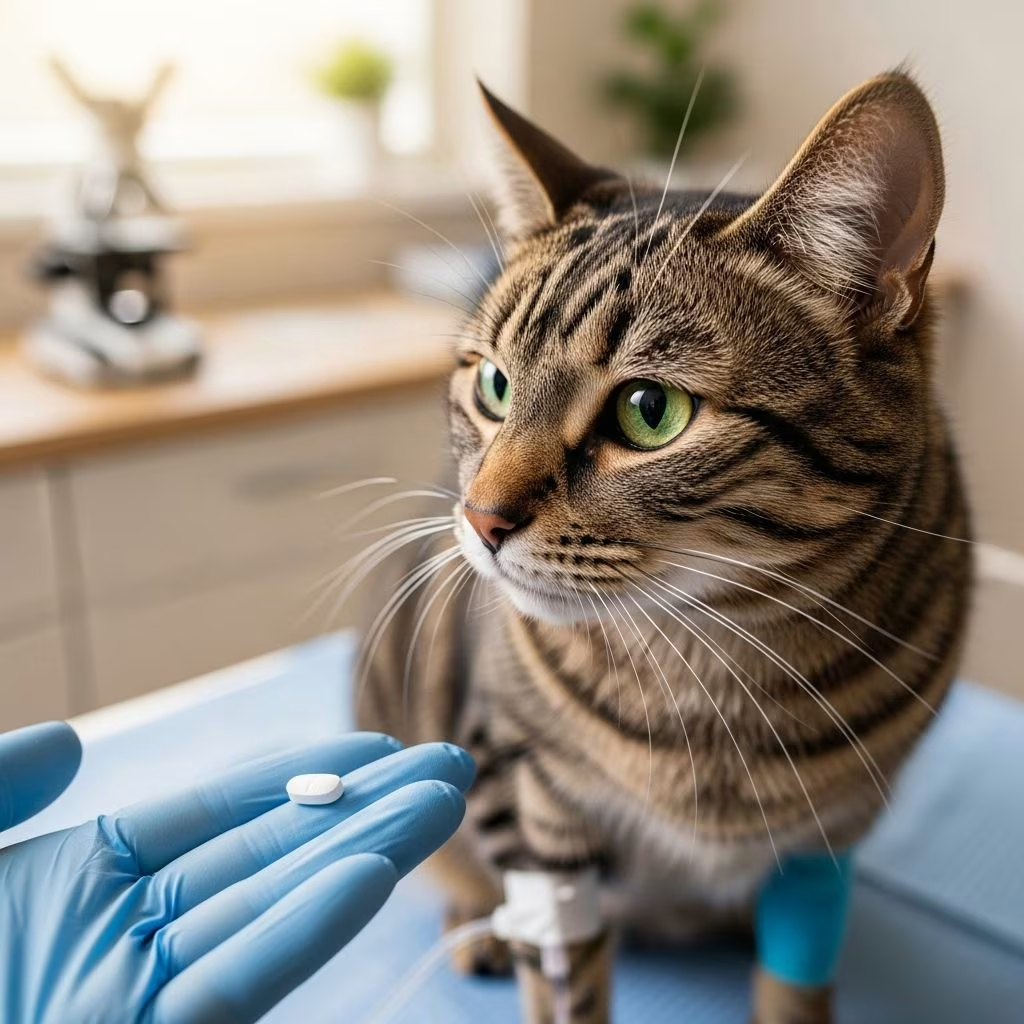
Prednisone, a synthetic corticosteroid, serves as a cornerstone in palliative care for cats battling cancer, especially lymphoma, by reducing inflammation, alleviating symptoms, and enhancing comfort without aiming for a cure.
Understanding Feline Cancer and Lymphoma Prevalence
Cancer remains one of the leading causes of death in older cats, with lymphoma emerging as the most prevalent type. This malignancy often targets the gastrointestinal tract, lymph nodes, kidneys, or nasal cavities, leading to symptoms like weight loss, lethargy, vomiting, and appetite decline.
Lymphoma arises from uncontrolled lymphocyte proliferation, these white blood cells integral to the immune system. In cats, it frequently links to feline leukemia virus (FeLV), though vaccination and testing have reduced incidence. Early detection via biopsy or imaging is crucial, yet many diagnoses occur at advanced stages where aggressive interventions prove unfeasible.
The Mechanism of Prednisone in Cancer Management
Prednisone exerts its effects by mimicking cortisol, binding to glucocorticoid receptors in cells. This suppresses immune responses, curbs inflammation, and induces apoptosis in malignant lymphocytes, temporarily shrinking tumors.
In lymphoma cells, prednisone disrupts DNA transcription, prompting cell death, particularly effective against lymphoid-origin tumors. Unlike chemotherapy’s broad cytotoxicity, prednisone targets inflammation around tumors, easing pressure on organs like the brain or lungs.
- Anti-inflammatory action: Reduces swelling from tumors, improving breathing or neurological function.
- Appetite stimulation: Boosts hunger and energy, countering cachexia.
- Immunosuppression: Dampens overactive responses exacerbating symptoms.
When to Consider Prednisone as a Primary Option
Veterinarians recommend prednisone for cats unsuitable for chemotherapy due to age, comorbidities, advanced disease, or owner preferences. It’s ideal for palliative goals, prioritizing comfort over longevity.
| Scenario | Why Prednisone? |
|---|---|
| Advanced lymphoma | Quick symptom relief without hospitalization. |
| Owner financial constraints | Oral, inexpensive, home-administered. |
| Concurrent illnesses | Fewer interactions than multi-drug chemo. |
| End-stage care | Focuses on quality remaining time. |
For cats with intestinal lymphoma, prednisone alone extends survival to 60-90 days versus 4 weeks untreated, significantly enhancing well-being.
Administering Prednisone: Dosage and Protocols
Typical starting dose is 1-2 mg/kg daily, orally, often as prednisolone (active form, better absorbed in cats). Vets taper based on response, aiming for lowest effective dose to minimize side effects.
- Initial phase: High dose for rapid effect (e.g., 2 mg/kg/day).
- Maintenance: Reduce to 0.5-1 mg/kg every other day.
- Monitoring: Monthly vet checks for bloodwork, weight, hydration.
Combination with chlorambucil (oral chemo) can extend remission to 2-4 months at home. Always administer with food to prevent gastric upset.
Expected Outcomes and Survival Insights
Prednisone induces partial remission in 50-70% of feline lymphoma cases, with median survival under one month for single-agent use, though quality improves markedly.
Studies show cats on prednisolone alone achieve 60 days median survival for extranodal lymphoma, versus 138 days with multi-drug protocols. Brain or nasal tumor cats gain weeks of symptom-free life via edema reduction.
Response varies by subtype: mediastinal lymphoma responds better than renal.
Potential Side Effects and Mitigation Strategies
Short-term use yields manageable effects; long-term demands vigilance.
| Side Effect | Symptoms | Management |
|---|---|---|
| Increased thirst/hunger | Polydipsia, polyphagia | Provide fresh water, measured food. |
| Gastrointestinal upset | Vomiting, diarrhea | Give with meals; consider antacids. |
| Immune suppression | Infections risk | Monitor for illness; avoid stressors. |
| Muscle wasting | Weakness | Nutritional support, gentle exercise. |
| Cushingoid changes | Pot belly, thin skin | Taper dose; periodic breaks. |
Pre-treatment with prednisone may induce drug resistance, reducing chemo efficacy if later pursued—discuss timing with vets.
Prednisone vs. Chemotherapy: A Balanced Comparison
Chemotherapy (e.g., CHOP: cyclophosphamide, doxorubicin, vincristine, prednisone) targets remission, yielding 6-12 months survival but requires frequent visits and costs $3,000-$6,000.
- Prednisone pros: Affordable (<$50/month), home-based, rapid relief.
- Chemo pros: Longer survival, higher remission rates.
- Hybrid: Prednisone maintenance post-chemo.
Omit prednisone from CHOP doesn’t significantly alter outcomes, affirming its supportive role.
Holistic Support Alongside Prednisone
Enhance prednisone’s benefits with supportive care:
- Nutrition: High-calorie, palatable diets; appetite stimulants if needed.
- Pain management: NSAIDs (if kidney-safe) or opioids.
- Environment: Quiet spaces, easy litter access.
- Monitoring tools: Track weight, appetite via apps or journals.
Integrate acupuncture or omega-3 supplements for inflammation, under vet guidance.
Frequently Asked Questions (FAQs)
Can prednisone cure cancer in cats?
No, it provides palliative relief, not a cure. It manages symptoms and may induce temporary remission.
How quickly does prednisone work in cats with lymphoma?
Improvements in appetite and energy often appear within 24-48 hours.
Is prednisone safe for long-term use in cats?
Short-term yes; long-term requires monitoring for side effects like diabetes or infections.
What if my cat stops responding to prednisone?
Consult your vet for dose adjustments, alternatives like lomustine, or end-of-life planning.
Should I test for FeLV before starting prednisone?
Yes, as it influences prognosis and treatment choices.
Navigating Decisions with Your Veterinarian
Discuss goals: extension vs. comfort. Quality-of-life scales (e.g., HHHHHMM: Hurt, Hunger, Hydration, Hygiene, Happiness, Mobility, More good days) guide choices.
Owners report prednisone grants precious, dignified time, emphasizing personalized care.
References
- Prednisone and Feline Lymphoma: Steroid Treatment for Palliative Care — ImpriMed. 2023. https://www.imprimedicine.com/blog/cat-steroids
- Extending Quality of Life for Cancer Patients — dvm360. 2022-10-01. https://www.dvm360.com/view/extending-quality-life-cancer-patients
- The Role of Glucocorticoids and NSAIDs in Cancer Treatment for Dogs and Cats — Today’s Veterinary Practice. 2023. https://todaysveterinarypractice.com/oncology/the-role-of-glucocorticoids-and-nsaids-in-cancer-treatment-for-dogs-and-cats/
- Effect of Prednisolone Pre-Treatment on Cat Lymphoma Cell Sensitivity — PubMed. 2021-06-24. https://pubmed.ncbi.nlm.nih.gov/34157499/
- Feline Lymphoma — Port City Veterinary Referral Hospital. 2023. https://www.portcityvet.com/blog/feline-lymphoma
- Lymphoma — Cornell University College of Veterinary Medicine. 2024-01-15. https://www.vet.cornell.edu/departments/cornell-feline-health-center/health-information/feline-health-topics/lymphoma
- Prednisone/Prednisolone in Dogs & Cats: Uses & Side Effects — VCA Animal Hospitals. 2023. https://vcahospitals.com/know-your-pet/prednisoloneprednisone



