

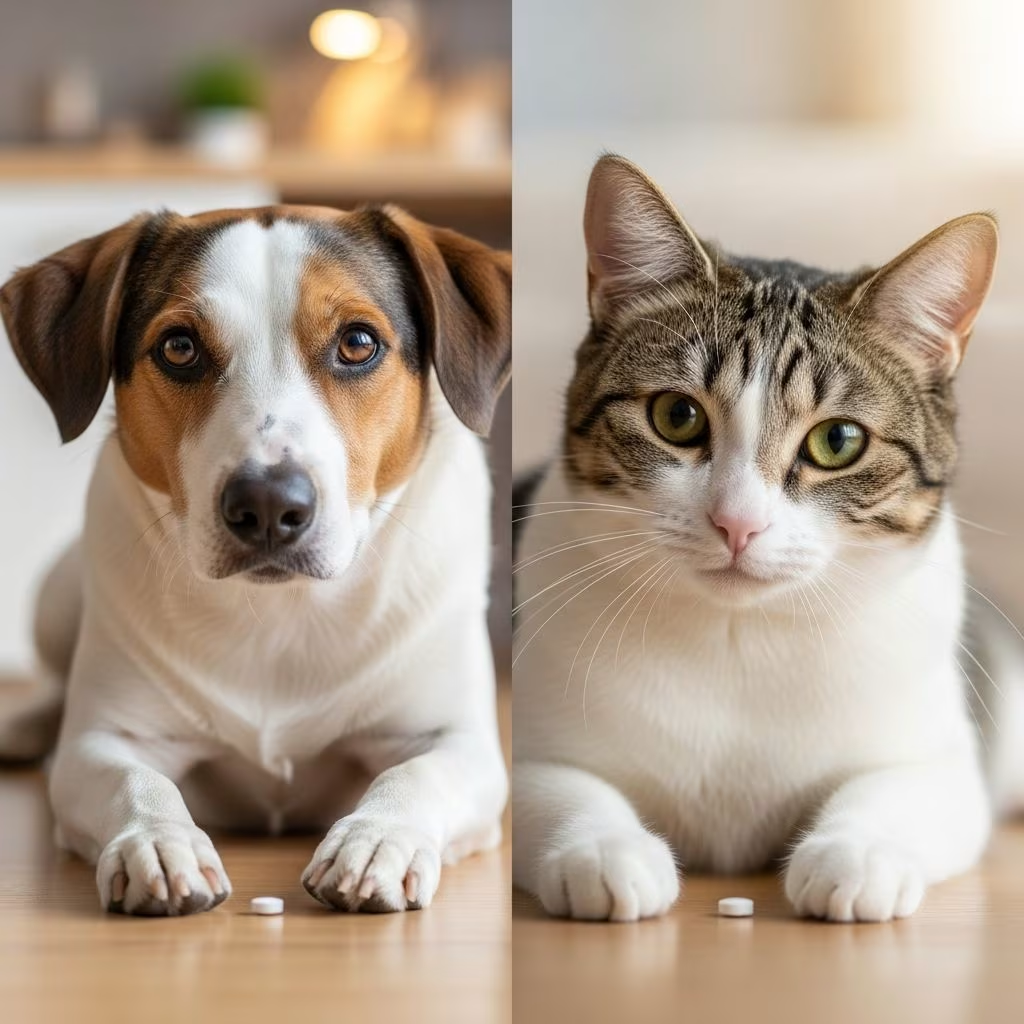
Prednisone and Prednisolone for Dogs and Cats: A Complete Guide
Prednisone and prednisolone are corticosteroid medications commonly prescribed by veterinarians to treat a wide range of health conditions in dogs and cats. These synthetic hormones mimic the natural corticosteroids produced by the body and are available only by veterinary prescription. While both medications are highly effective, understanding their uses, dosages, side effects, and safety considerations is essential for pet owners.
What Are Prednisone and Prednisolone?
Prednisone and prednisolone belong to a class of medications called glucocorticoids. These are synthetic forms of corticosteroids, which are hormones naturally produced in the adrenal glands of both animals and humans. Both medications function as anti-inflammatory and immunosuppressant agents, making them valuable therapeutic tools in veterinary medicine. Although neither drug is FDA-approved specifically for animal use, prescribing them for pets is considered accepted veterinary practice and is referred to as “off-label use.”
The key difference between the two medications lies in how the body processes them. Prednisone requires conversion in the liver to become prednisolone, the active form of the medication. Prednisolone is already in its active form and does not require hepatic conversion. This distinction becomes important in certain medical situations, particularly when treating animals with liver disease or dysfunction.
How Do Prednisone and Prednisolone Work?
These medications work through multiple mechanisms in the body. At lower doses, prednisone and prednisolone primarily reduce inflammation and provide broad anti-inflammatory effects. They work by suppressing the inflammatory response in tissues throughout the body, which helps alleviate pain, swelling, and discomfort. At higher doses, these medications can suppress the immune system response, which proves beneficial in treating autoimmune diseases and certain cancers.
The effects of these medications depend significantly on the dosage prescribed. Your veterinarian will determine the appropriate dose based on your pet’s weight, the specific condition being treated, and other individual factors. Prednisone and prednisolone affect almost every type of cell in an animal’s body, which explains their broad therapeutic applications.
Common Uses of Prednisone and Prednisolone in Pets
These corticosteroids treat numerous conditions in both dogs and cats. The versatility of these medications makes them one of the most frequently prescribed drugs in veterinary practice.
Inflammatory Conditions
Prednisone and prednisolone effectively reduce inflammation caused by arthritis, skin irritations, and injuries. They decrease the body’s inflammatory response, helping alleviate your pet’s pain and improving mobility. Many pets with orthopedic diseases benefit from these medications.
Allergic Reactions and Skin Conditions
These medications help control allergic reactions in pets, whether triggered by environmental factors, food, or parasites such as fleas. Common skin conditions treated include dermatitis, hives, and itching. At low dosages, prednisolone is particularly effective for managing flea allergies, grass and pollen allergies, dust allergies, and various skin infections.
Autoimmune Diseases
At higher doses, these medications suppress the immune system’s overactivity, making them valuable for treating autoimmune diseases. Conditions managed with prednisone and prednisolone include lupus, autoimmune hemolytic anemia (AIHA), immune-mediated thrombocytopenia, and pemphigus foliaceus.
Respiratory and Gastrointestinal Conditions
These medications treat asthma and inflammatory bowel disease (IBD) in both dogs and cats. They help reduce inflammation in the respiratory and gastrointestinal systems, alleviating symptoms and improving quality of life.
Endocrine Disorders
Prednisone and prednisolone serve as replacement therapy for Addison’s disease (hypoadrenocorticism), a condition where the body doesn’t produce sufficient natural corticosteroids. In this context, these medications restore necessary hormone levels rather than providing anti-inflammatory effects.
Emergency Situations
These medications are used to treat life-threatening conditions including anaphylactic shock, anaphylactic reactions, and spinal cord trauma. In emergency settings, steroids may be administered as injections in veterinary hospitals for rapid effect.
Cancer Treatment
Prednisone and prednisolone serve as antineoplastic (anticancer) agents and are sometimes combined with chemotherapy medications to treat certain types of cancer in dogs and cats.
Prednisone vs. Prednisolone: Which Is Better?
| Factor | Prednisone | Prednisolone |
|---|---|---|
| Liver Conversion | Requires liver conversion to become active | Already in active form; no conversion needed |
| Dogs | Both are interchangeable; dogs metabolize efficiently | Both are interchangeable; dogs metabolize efficiently |
| Cats | Less efficiently converted by cats | Preferred choice; cats absorb better |
| Liver Disease | Avoid use; stresses compromised liver function | Preferred choice; doesn’t require liver processing |
| Horses | Less efficiently absorbed | Better absorption than prednisone |
For dogs, both prednisone and prednisolone can be used interchangeably since dogs efficiently metabolize prednisone to its active form. Your veterinarian can determine which option is best for your individual dog’s situation. However, cats are less efficient at converting prednisone to prednisolone, making prednisolone the preferred choice for feline patients.
For both cats and dogs with liver disease or compromised liver function, prednisolone is the better choice. Since prednisolone is already in its active form, it doesn’t require additional processing by your pet’s liver, making it the safer and more effective option for animals with hepatic concerns.
How Long Does It Take for Prednisone to Work?
Prednisone and prednisolone are short-acting medications that work relatively quickly. The medication typically takes effect within one to two hours of administration. Your dog or cat’s symptoms should start to improve shortly after the medication begins working. However, if you do not notice signs of improvement within a few days of starting treatment, contact your veterinarian to discuss alternative options or dosage adjustments.
It’s important to note that while the medication works quickly, the duration of effectiveness differs depending on your pet’s individual metabolism and kidney or liver function. In pets with kidney or liver disease, the effects may last longer than in healthy animals.
Administration Methods and Dosage
Prednisone and prednisolone are available in multiple forms to accommodate different medical situations and patient needs. These include oral tablets, oral liquids, and injectable forms. For most conditions, oral administration is used at home, while injectable forms are reserved for emergency situations or hospitalized patients requiring rapid medication delivery.
Dosage varies considerably based on several factors, including your pet’s weight, the specific condition being treated, and the severity of the condition. Your veterinarian will prescribe the appropriate dose for your individual pet. Some conditions require low doses for anti-inflammatory effects, while others require higher doses for immune suppression. It is crucial to follow your veterinarian’s dosing instructions precisely and complete the full course of treatment as prescribed.
Common Side Effects of Prednisone and Prednisolone
While prednisone and prednisolone are generally safe and effective when prescribed by a veterinarian, these medications can cause side effects, particularly with long-term use or higher doses. Common side effects in dogs and cats include:
– Increased thirst (polydipsia)- Increased urination (polyuria)- Increased appetite- Weight gain- Restlessness and panting- Vomiting- Slow wound healing- Hair loss or skin thinning- Lethargy or decreased activity- Muscle weakness
Many of these side effects are dose-dependent and may decrease as the medication is tapered or discontinued. However, serious side effects can develop with prolonged use, including gastrointestinal ulcers, immunosuppression leading to increased infection risk, and metabolic complications.
Important Safety Precautions and Contraindications
Prednisone and prednisolone should be avoided or used very carefully in young animals due to immune suppression and the risk of gastrointestinal ulcers. These medications should also be avoided during pregnancy and lactation unless the benefits clearly outweigh the risks, as they can affect fetal development and pass into milk.
These medications are generally not recommended for patients with systemic fungal infections, though treatment of Addison’s disease may be considered an exception to this rule. Additionally, prednisone and prednisolone can cause harmful interactions with other medications, so inform your veterinarian about all supplements and medications your pet is taking.
Never stop therapy abruptly without your veterinarian’s guidance, as serious side effects could occur. If your pet has been on prednisone or prednisolone for an extended period, discontinuation should involve gradual tapering under veterinary supervision to allow the adrenal glands to resume normal function.
When to Contact Your Veterinarian
While prednisone and prednisolone are valuable medications, certain situations warrant immediate veterinary attention. Contact your veterinarian if your pet experiences severe vomiting, signs of gastrointestinal bleeding, excessive lethargy, severe behavioral changes, or signs of infection while taking these medications. Additionally, if your pet’s symptoms do not improve within a few days of starting treatment, discuss this with your veterinarian to determine if dosage adjustments or alternative treatments are necessary.
Availability and Prescription Requirements
Both prednisone and prednisolone are prescription medications and are not available over the counter. You will need a veterinarian’s prescription to obtain either medication. These controlled substances are dispensed by licensed pharmacies under veterinary supervision to ensure appropriate use and dosing for individual pets.
Frequently Asked Questions
Q: Can I give my pet prednisone or prednisolone without a prescription?
A: No. Both prednisone and prednisolone are prescription medications available only through a veterinarian. Using these medications without professional guidance can be dangerous and ineffective.
Q: Is prednisone the same as prednisolone?
A: While similar, they are not identical. Prednisone requires liver conversion to become active, while prednisolone is already in its active form. For cats and animals with liver disease, prednisolone is preferred.
Q: How long can my pet safely take prednisone or prednisolone?
A: Duration depends on the condition being treated and your individual pet. Some conditions require short-term use, while others may require long-term management. Your veterinarian will determine the appropriate duration and monitor your pet for potential complications.
Q: Can prednisone and prednisolone be used together with other medications?
A: These medications can interact with other drugs. Always inform your veterinarian about all supplements and medications your pet is taking to prevent harmful interactions.
Q: What should I do if I miss a dose?
A: If you miss a dose, give it as soon as you remember unless it’s almost time for the next dose. Do not double-dose. Contact your veterinarian for specific guidance on missed doses.
Q: Can I stop giving my pet prednisone abruptly?
A: No. Abrupt discontinuation can cause serious side effects. Always consult your veterinarian before stopping prednisone or prednisolone, as gradual tapering is typically necessary.
References
- Prednisone (Prednisolone) For Dogs: Uses, Dosage, Side Effects — Pawlicy. 2024. https://www.pawlicy.com/blog/prednisone-for-dogs/
- What to Know About Prednisone for Dogs — WebMD. 2024. https://www.webmd.com/pets/dogs/what-to-know-prednisone-for-dogs
- Prednisolone and Prednisone for Dogs and Cats — Wedgewood. 2024. https://www.wedgewood.com/medications/prednisolone-and-prednisone/
- Prednisolone for Dogs: Uses, Dosages, and Side Effects — GoodRx. 2024. https://www.goodrx.com/pet-health/dog/prednisolone-for-dogs
- Prednisone and Prednisolone for Dogs and Cats — PetMD. 2024. https://www.petmd.com/pet-medication/prednisone-and-prednisolone-for-dogs-cats
- Prednisolone / Prednisone Clinical Guide — Animal Health Group. 2024. https://animalhealthgroup.com/wp-content/uploads/2024/06/Prednisolone-_-Prednisone.pdf
- Comparing Prednisone vs. Prednisolone for Cats & Dogs — Mixlab. 2024. https://mixlab.com/blog/prednisone-vs-prednisolone



