

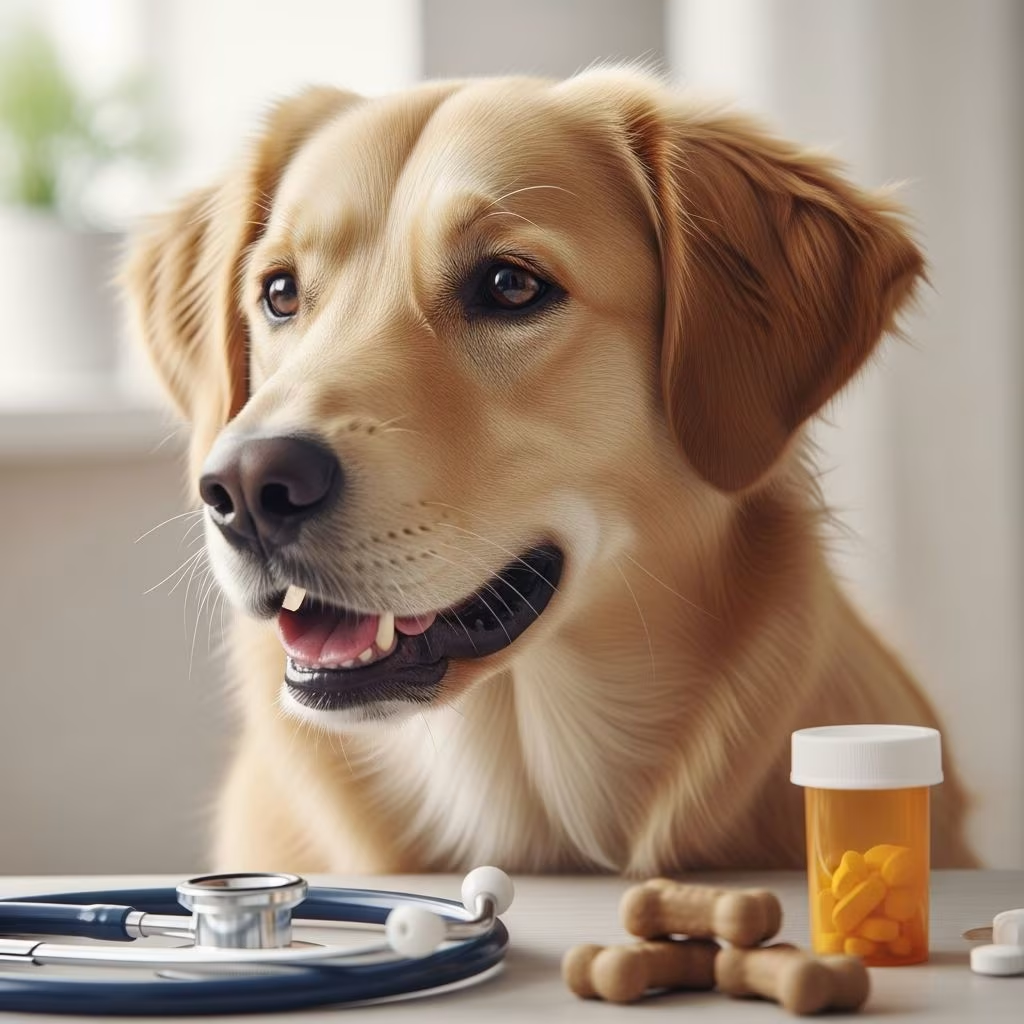
Prednisone serves as a potent corticosteroid medication frequently prescribed for dogs to combat inflammation, allergic reactions, autoimmune disorders, and certain cancers. By mimicking the body’s natural cortisol, it effectively suppresses overactive immune responses and reduces swelling in various tissues. Veterinarians rely on it for short-term relief in acute conditions or longer management of chronic issues, but its use demands careful oversight due to potential side effects.
Understanding Corticosteroids in Canine Medicine
Corticosteroids like prednisone act on multiple bodily systems, influencing metabolism, immune function, and stress responses. In dogs, prednisone converts to prednisolone in the liver, the active form that provides therapeutic benefits. This medication proves invaluable for conditions where inflammation causes pain or dysfunction, allowing dogs to regain comfort and mobility quickly.
Administered orally in tablet form, prednisone absorbs rapidly, with effects noticeable within hours. Short courses typically last days to weeks, while chronic cases may require tapered dosing to prevent withdrawal issues. Always follow veterinary instructions precisely, as abrupt cessation can trigger adrenal insufficiency.
Common Conditions Treated with Prednisone
Veterinarians prescribe prednisone for a wide array of canine ailments:
- Allergies and Skin Disorders: It relieves itching, redness, and hot spots from environmental allergens, flea bites, or food sensitivities.
- Autoimmune Diseases: Conditions like immune-mediated hemolytic anemia or thrombocytopenia respond well to its immunosuppressive properties.
- Joint and Musculoskeletal Issues: Arthritis, intervertebral disc disease, and spinal injuries benefit from reduced inflammation and pain.
- Respiratory Problems: Asthma-like bronchitis or shock lung see improved breathing with prednisone therapy.
- Cancer Support: In lymphoma or mast cell tumors, it shrinks tumors and eases symptoms palliatively.
- Endocrine Disorders: Addison’s disease management often includes prednisone to replace deficient cortisol.
These applications highlight prednisone’s versatility, but efficacy varies by condition severity and individual dog response.
Standard Dosing Protocols for Dogs
Dosage depends on the dog’s weight, condition, and treatment duration. Typical ranges include:
| Condition Type | Initial Dose (mg/kg/day) | Duration | Notes |
|---|---|---|---|
| Anti-inflammatory | 0.5-1 | Short-term (3-10 days) | Taper if over 7 days |
| Immunosuppressive | 2-4 | 4-8 weeks, then taper | Monitor bloodwork |
| Cancer Palliative | 1-2 | Until side effects appear | Alternate-day dosing possible |
For a 20kg dog, an anti-inflammatory dose might be 10-20mg daily, split into two administrations with food to protect the stomach. Vets adjust based on response, often starting high and reducing gradually to the lowest effective amount.
Short-Term Side Effects to Watch For
Most dogs experience mild, transient effects soon after starting prednisone. These include:
- Increased thirst (polydipsia), leading to more frequent water bowl visits.
- Excessive urination (polyuria), potentially causing housetraining accidents.
- Ravenous appetite (polyphagia), resulting in begging or weight gain if diet isn’t controlled.
- Panting and restlessness, even at rest.
- Mild gastrointestinal upset like vomiting or soft stools.
These symptoms often resolve within days of stopping the drug. Provide constant fresh water, extra potty breaks, and measured meals to manage them effectively.
Long-Term Risks and Complications
Prolonged use elevates risks of serious issues, mimicking hyperadrenocorticism (Cushing’s disease):
- Cushing’s-Like Symptoms: Pot-bellied appearance, thin skin, hair loss, muscle wasting, and elevated liver enzymes.
- Gastrointestinal Ulcers: Black, tarry stools, bloody vomit, or abdominal pain signal bleeding; high risk with NSAIDs.
- Immune Suppression: Heightened susceptibility to skin, urinary, or respiratory infections.
- Metabolic Changes: Diabetes onset, with excessive thirst/urination despite good appetite; obesity from calorie surplus.
- Musculoskeletal Effects: Weakened bones, delayed healing, and tendon fragility.
Regular veterinary check-ups with blood tests monitor liver, kidney, and glucose levels. Alternate-day dosing minimizes some risks.
Strategies for Minimizing Adverse Effects
Protect your dog through proactive measures:
- Administer with meals to buffer stomach lining.
- Use gastroprotectants like omeprazole if prescribed.
- Control diet to offset appetite surge; consider prescription low-calorie food.
- Monitor weight weekly and adjust exercise routines.
- Avoid NSAIDs concurrently; discuss alternatives like misoprostol.
- Schedule frequent vet visits for dose tapering and lab work.
These steps allow safer extended use when necessary.
Overdose Recognition and Response
Accidental overdoses amplify GI distress: severe vomiting, bloody diarrhea, or lethargy. Contact your vet or poison hotline immediately—Pet Poison Helpline (855-764-7661) or ASPCA (888-426-4435). Induce vomiting only under guidance; supportive care like fluids resolves most cases.
Alternatives to Prednisone Therapy
For long-term needs, vets consider:
- Other Steroids: Prednisolone (direct active form, better for liver-impaired dogs) or budesonide (gut-targeted).
- Non-Steroidal Options: Cyclosporine for allergies, leflunomide for autoimmune issues.
- Supportive Therapies: Apoquel or Cytopoint injections for itch relief; joint supplements like glucosamine.
- Holistic Approaches: Omega-3 fatty acids, acupuncture, or herbal anti-inflammatories under supervision.
Transitioning requires gradual weaning to avoid rebound inflammation.
Veterinary Monitoring Essentials
Success hinges on collaboration with your vet. Baseline bloodwork assesses organ function before starting. Follow-ups every 2-4 weeks track progress and side effects. Urine cultures screen for infections, while ACTH stimulation tests evaluate adrenal health during tapering.
Frequently Asked Questions
Can all dogs tolerate prednisone?
No, puppies, pregnant dogs, or those with diabetes, infections, or ulcers may need alternatives. Always disclose full health history.
How quickly do side effects appear?
Thirst, hunger, and urination changes can start within hours to days of the first dose.
Is prednisone safe for senior dogs?
Yes, with adjusted doses and monitoring for age-related organ decline.
What if my dog refuses prednisone tablets?
Compounding pharmacies offer flavored liquids or treats; never crush without vet approval.
Does prednisone cure conditions or just manage them?
It controls symptoms but rarely cures; address underlying causes for lasting relief.
Key Takeaways for Pet Owners
Prednisone transforms lives for dogs battling inflammation but isn’t risk-free. Weigh benefits against side effects with your vet, prioritize monitoring, and explore adjunct therapies. Early intervention maximizes safety and efficacy.
References
- Prednisone side effects in dogs: Dosage, duration and tips — SingleCare. 2023. https://www.singlecare.com/blog/prednisone-side-effects-in-dogs/
- Prednisone for Dogs: Uses, Dosage, Side Effects — GoodRx. 2024-01-15. https://www.goodrx.com/pet-health/dog/prednisone-for-dogs
- Prednisone/Prednisolone in Dogs & Cats: Uses & Side Effects — VCA Animal Hospitals. 2024. https://vcahospitals.com/know-your-pet/prednisoloneprednisone
- Prednisone and Prednisolone for Dogs and Cats — PetMD. 2024-06-20. https://www.petmd.com/pet-medication/prednisone-and-prednisolone-for-dogs-cats
- Side Effects Of Systemic Steroids In Dogs — Trudell Animal Health. 2023-05-10. https://trudellanimalhealth.com/blogs/blog/side-effects-of-systemic-steroids-in-dogs



