

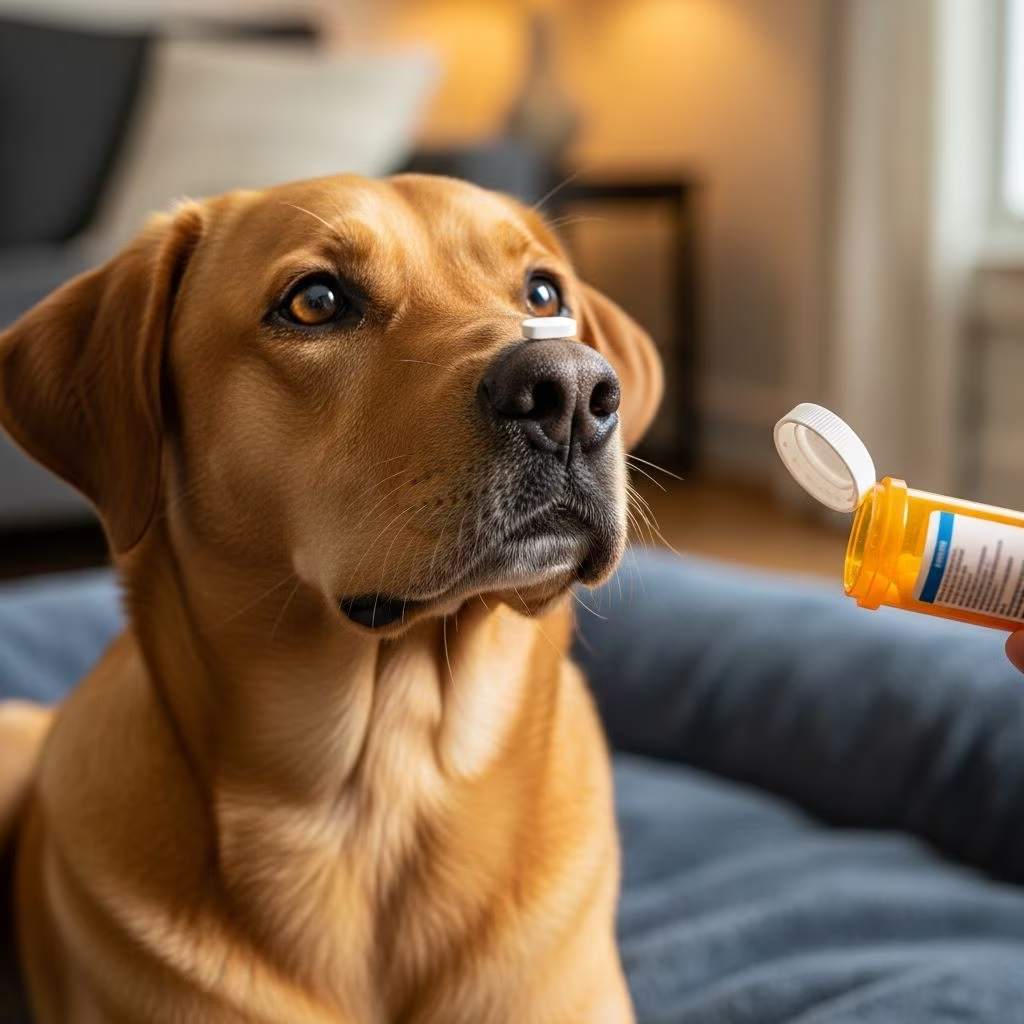
Prednisone serves as a cornerstone medication in veterinary medicine for dogs, acting as a synthetic corticosteroid to mimic the body’s natural cortisol hormone. It effectively reduces inflammation, suppresses immune responses, and alleviates symptoms in various conditions, making it a go-to option for issues ranging from allergies to cancer support.
Understanding Prednisone’s Mechanism in Canines
Prednisone functions by entering the dog’s cells and binding to glucocorticoid receptors, which then influence gene expression to decrease the production of inflammatory mediators like prostaglandins and cytokines. In dogs, the liver converts prednisone into its active form, prednisolone, which is more readily absorbed and utilized. This process helps in quickly controlling acute flare-ups, often showing effects within hours to days.
Unlike natural cortisol, which follows a daily rhythm regulated by the pituitary-adrenal axis, prednisone provides a steady, potent anti-inflammatory effect. Veterinarians prescribe it for short-term relief or longer protocols with careful tapering to avoid adrenal suppression.
Primary Applications in Dog Health
Veterinarians commonly prescribe prednisone for dogs suffering from allergic reactions, including seasonal pollen allergies or food sensitivities, where it rapidly reduces itching, swelling, and skin irritation. It also treats autoimmune disorders such as immune-mediated hemolytic anemia, where the dog’s immune system attacks its own red blood cells.
- Allergies and Atopy: Controls severe itching and dermatitis outbreaks.
- Autoimmune Conditions: Manages diseases like lupus or pemphigus.
- Respiratory Issues: Eases inflammation in asthma-like bronchitis.
- Cancer Support: Improves quality of life in lymphoma by shrinking lymph nodes and reducing pain.
- Joint Inflammation: Provides relief in arthritis alongside other therapies.
In cancer cases, particularly lymphoma, prednisone offers palliative care by targeting rapidly dividing cells and curbing tumor-related inflammation, though it’s not curative.
Standard Dosing Protocols for Dogs
Dosage varies by condition severity and dog size, typically starting at 0.5-1 mg per pound of body weight daily, divided into two doses. For anti-inflammatory effects, lower doses around 0.1-0.25 mg/lb suffice, while immunosuppressive therapy requires higher amounts up to 2 mg/lb.
| Condition | Typical Dose (mg/lb/day) | Duration |
|---|---|---|
| Allergies | 0.5-1 | 5-14 days, taper |
| Autoimmune | 1-2 | Weeks to months, monitored |
| Cancer Palliative | 1-2 | Every other day long-term |
| Arthritis | 0.1-0.5 | Short bursts |
Administration often occurs with food to minimize stomach upset, and vets emphasize the lowest effective dose for the shortest time to limit risks. Tapering prevents Addisonian crisis from sudden adrenal shutdown.
Short-Term Side Effects: What to Expect Early On
Most dogs exhibit noticeable changes within hours to days of starting prednisone. Increased thirst (polydipsia) and urination (polyuria) top the list, as the drug affects kidney function and fluid balance.
- Excessive drinking, leading to frequent bowl refills and accidents.
- Ravenous hunger (polyphagia), prompting begging and weight gain risks.
- Panting and mild lethargy, even in cool environments.
- Gastrointestinal upset like vomiting or soft stools.
A study found 90% of dogs on anti-inflammatory doses showed behavioral or clinical signs by day 14, with polyuria/polydipsia most prevalent as early as day 5. Owners often manage by increasing water access and potty breaks.
Long-Term Complications and Serious Risks
Prolonged use elevates risks significantly. Gastrointestinal ulceration can manifest as bloody stools, vomiting, or appetite loss—contact a vet immediately if seen. Other concerns include:
- Muscle wasting and weakness from protein breakdown.
- Skin changes: thinning, poor healing, and infections due to immunosuppression.
- Endocrine shifts: diabetes from insulin resistance or iatrogenic Cushing’s with pot-bellied appearance and hair loss.
- Behavioral alterations: aggression, anxiety, or restlessness.
Long-term effects like obesity, liver enzyme elevations, and secondary infections (UTIs, skin) necessitate regular bloodwork.
Strategies to Mitigate Adverse Reactions
Pet owners can ease side effects through supportive care. Provide constant fresh water and schedule extra walks to handle increased urination. For hunger, offer low-calorie treats or vegetable fillers like green beans.
Probiotics support gut health against diarrhea, while vets may co-prescribe gastroprotectants like omeprazole for ulcer prevention. Monitor weight weekly and adjust diet to counter polyphagia. Behavioral changes often resolve post-treatment, but calming supplements or exercise help during use.
Every-other-day dosing for maintenance reduces cumulative exposure, preserving adrenal function.
When to Seek Veterinary Intervention
Watch for red flags: refusal to eat, black/tarry stools, severe lethargy, or rapid breathing. These signal ulcers, infections, or metabolic crises. Routine check-ups with blood tests track liver, kidney, and glucose levels, especially beyond two weeks.
Never discontinue abruptly; gradual tapering over days to weeks allows adrenal recovery. If symptoms recur post-treatment, discuss alternatives like apoquel for allergies or chemotherapy for cancer.
Alternatives to Prednisone in Canine Therapy
For chronic needs, vets explore options like cyclosporine for autoimmune issues or NSAIDs (carprofen) for arthritis, balancing efficacy with fewer steroid-like effects. Natural anti-inflammatories such as omega-3 fatty acids or turmeric extracts provide adjunct support, though evidence varies.
In allergies, immunotherapy vaccines offer long-term desensitization without daily drugs.
Frequently Asked Questions (FAQs)
Can all dogs tolerate prednisone?
Most do short-term, but those with diabetes, heart disease, or infections require caution. Puppies and pregnant dogs face higher risks.
How quickly do side effects appear?
Often within 24-48 hours; thirst and appetite surge first.
Is prednisone safe for senior dogs?
Yes, with monitoring for comorbidities like kidney issues.
What if my dog develops a pot belly?
This indicates Cushing’s-like syndrome; vet evaluation for dose adjustment needed.
Can prednisone cure cancer in dogs?
No, it palliates symptoms, especially in lymphoma.
Key Takeaways for Pet Owners
Prednisone transforms lives for dogs with inflammatory woes but demands vigilant oversight. Collaborate closely with your veterinarian, report changes promptly, and prioritize holistic care to maximize benefits while minimizing harm.
References
- Prednisone for Dogs: Dealing with the Side Effects — Nusentia. 2023. https://nusentia.com/blogs/pet-nutrition/prednisone-for-dogs-side-effects
- Prednisone/Prednisolone — VCA Animal Hospitals. 2024. https://vcahospitals.com/know-your-pet/prednisoloneprednisone
- Side Effects Of Systemic Steroids In Dogs — Trudell Animal Health. 2023. https://trudellanimalhealth.com/blogs/blog/side-effects-of-systemic-steroids-in-dogs
- Prednisone for Dogs: Uses for Dog Cancer and Other Medical Conditions — Dog Cancer Blog. 2024. https://www.dogcancerblog.com/articles/full-spectrum-cancer-care/conventional/prednisone-for-dogs/
- Perception and usage of short-term prednisone and prednisolone in dogs — PMC (Peer-reviewed). 2023-07-20. https://pmc.ncbi.nlm.nih.gov/articles/PMC10364361/
- Prednisolone / Prednisone Handout — Brilliant Veterinary Care. 2025-03-10. https://brilliantvets.com/wp-content/uploads/2025/03/Handout_2025-03-10_12-00-46.pdf



