

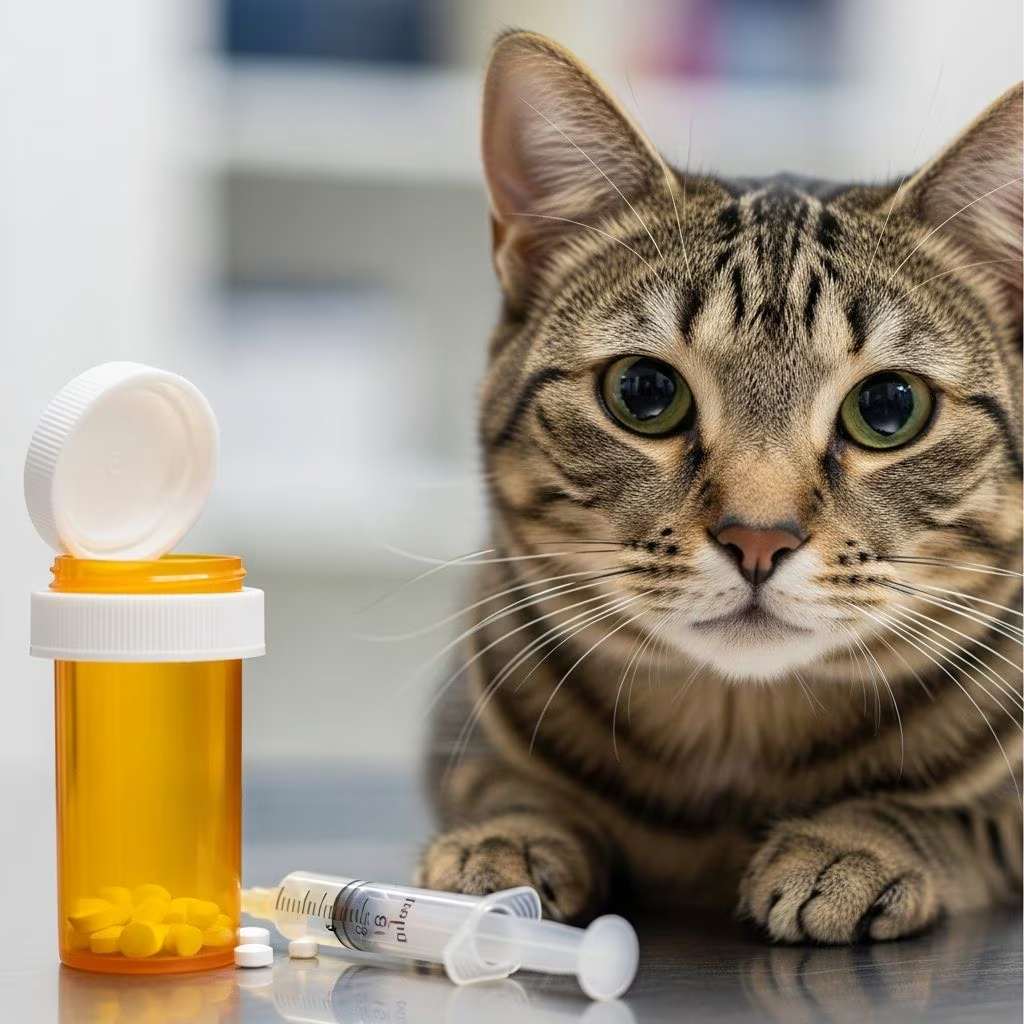
Prednisolone stands out as the go-to corticosteroid for cats, favored over prednisone due to felines’ limited ability to convert the latter into its active form. This medication effectively manages a range of conditions from everyday inflammation to complex immune disorders and cancers.
Understanding Corticosteroids in Feline Medicine
Corticosteroids like prednisolone mimic the body’s natural hormones, cortisol and cortisone, which regulate inflammation and immune responses. In cats, prednisolone directly provides anti-inflammatory and immunosuppressive effects without relying on liver conversion, making it highly reliable. Unlike dogs or humans, where prednisone works well after metabolic activation, cats benefit specifically from this ready-to-use form.
Veterinarians prescribe it for short-term relief or long-term control, always tailoring to the cat’s health profile. Its versatility addresses acute flare-ups and chronic management, but requires precise dosing to balance efficacy and safety.
Primary Applications in Cat Health
Prednisolone tackles numerous feline ailments by curbing excessive immune activity and reducing tissue swelling.
- Allergies and Skin Conditions: Relieves itching, rashes, and hives from environmental allergens or flea bites, promoting comfort and healing.
- Respiratory Issues: Eases feline asthma symptoms like wheezing and coughing by minimizing airway inflammation.
- Gastrointestinal Disorders: Manages inflammatory bowel disease (IBD), reducing diarrhea, vomiting, and abdominal pain.
- Joint and Musculoskeletal Pain: Alleviates arthritis stiffness and swelling, improving mobility in older cats.
- Autoimmune Diseases: Suppresses attacks on healthy tissues in conditions like lupus or immune-mediated anemia.
- Cancer Support: Inhibits lymphoma and leukemia cell growth, often alongside chemotherapy for palliative care.
- Endocrine Imbalances: Treats adrenal insufficiency by supplementing cortisol production.
These uses highlight its broad therapeutic range, with low doses sufficing for inflammation and higher ones for immunosuppression.
Prednisolone vs. Prednisone: Key Differences for Cats
| Aspect | Prednisolone | Prednisone |
|---|---|---|
| Activation | Active form; direct action | Requires liver conversion to prednisolone |
| Efficacy in Cats | High; preferred choice | Low; inefficient metabolism |
| Common Forms | Tablets, liquids, transdermal | Tablets (rarely used in cats) |
| Vet Recommendation | Standard for felines | Avoided unless specific need |
Cats’ livers struggle with prednisone conversion, leading to suboptimal results and potential under-dosing issues. Thus, prednisolone ensures consistent therapeutic levels.
Standard Dosage Guidelines
Dosages vary by condition severity, cat weight, and treatment duration. Always follow veterinary instructions precisely.
- Anti-Inflammatory (Low Dose): 0.5-2 mg/kg once or twice daily for allergies or minor swelling.
- Immunosuppressive (High Dose): 2-8 mg/kg daily, divided, for autoimmune or cancer cases.
- Maintenance: Gradually tapered to lowest effective dose for chronic conditions.
For a 5 kg cat, this might mean 2.5-10 mg daily initially, adjusted via bloodwork monitoring. Cats tolerate higher relative doses than dogs due to steroid resistance. Never adjust without vet approval to avoid complications.
Administration Methods for Easy Compliance
Ensuring your cat takes the full dose is crucial for success.
- Oral Tablets: Hide in pill pockets, tuna, or use pillers; split if needed.
- Liquid Suspensions: Syringe into cheek pouch; flavored options improve palatability.
- Transdermal Gels: Apply to inner ear; ideal for pill-averse cats, absorbed through skin.
- Compounded Forms: Custom flavors or concentrations from pharmacies.
Give with food to minimize stomach upset. Consistency in timing aids steady blood levels.
Recognizing and Managing Side Effects
Short-term use is generally safe, but monitor for these common effects:
- Increased thirst and urination (polydipsia/polyuria)
- Heightened appetite leading to weight gain
- Lethargy or behavioral changes
- Gastrointestinal upset like vomiting
Long-term risks include diabetes, weakened immunity, muscle wasting, and Cushing’s-like symptoms. High doses heighten infection susceptibility. Contact your vet if severe signs appear, such as bloody stool or extreme weakness.
Precautions and Contraindications
Not suitable for all cats. Avoid or use cautiously in:
- Diabetes, heart failure, or kidney disease
- Active infections (may worsen)
- Pregnancy or lactation
- GI ulcers or osteoporosis
Regular vet check-ups, including glucose and kidney panels, are essential during therapy. Abrupt stopping can trigger adrenal crisis; always taper gradually.
Long-Term Therapy: Balancing Benefits and Risks
For chronic issues like IBD or asthma, low-dose maintenance prevents flares. Alternate-day dosing minimizes suppression. Nutrition adjustments combat weight gain, and dental care counters increased plaque. Many cats thrive on lifelong therapy with vigilant monitoring.
Frequently Asked Questions
Can cats take human prednisolone?
Yes, but only under vet guidance—feline doses differ significantly from human ones.
How quickly does prednisolone work in cats?
Effects often appear within hours for inflammation, though full benefits may take days.
Is prednisolone safe for kittens?
Use sparingly; growing cats are sensitive, risking growth stunting.
What if my cat refuses the medication?
Discuss transdermal or liquid alternatives with your vet.
Can prednisolone cure cancer in cats?
It manages lymphoma symptoms but doesn’t cure; combines with chemo.
Monitoring Your Cat’s Progress
Track appetite, water intake, litter box use, and energy levels daily. Schedule follow-ups every 1-3 months for blood tests. Early detection of issues ensures safe, effective treatment.
Prednisolone transforms lives for cats battling inflammation or immune woes when used judiciously. Partner with your veterinarian for optimal outcomes.
References
- Prednisone and Prednisolone for Dogs and Cats — PetPlace.com. 2023. https://www.petplace.com/article/drug-library/drug-library/library/prednisone-prednisolone-for-dogs-and-cats
- Prednisone for cats: Dosage and safety — SingleCare. 2024-01-15. https://www.singlecare.com/blog/prednisone-for-cats/
- Prednisone and Prednisolone for Cats: Uses, Dosage, Side Effects — GoodRx. 2024. https://www.goodrx.com/pet-health/cat/prednisolone
- Prednisolone and Prednisone for Dogs and Cats — Wedgewood Pharmacy. 2023. https://www.wedgewood.com/medications/prednisolone-and-prednisone/
- Prednisolone for Veterinary Use — Avrio Pharmacy. 2024. https://avriorx.com/prednisolone-for-veterinary-use/



