

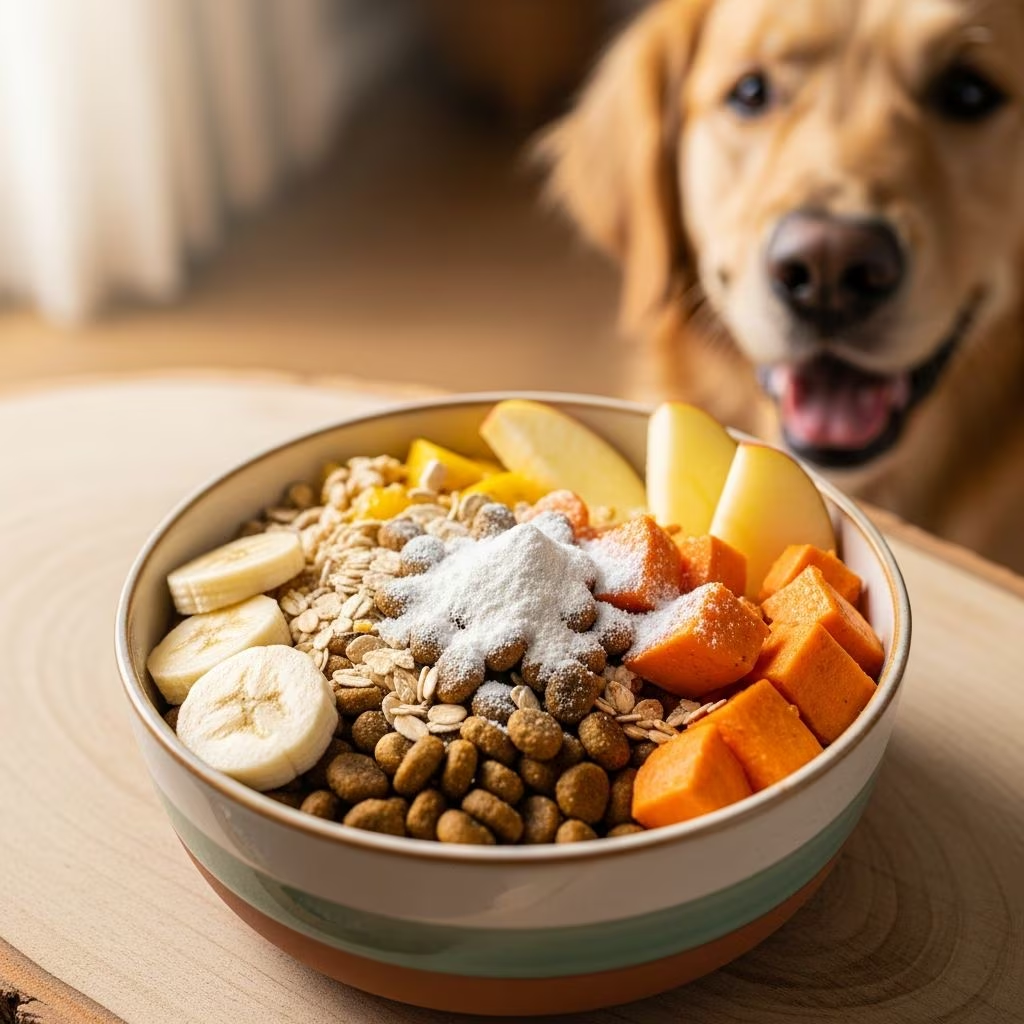
Prebiotics are non-digestible fibers that serve as fuel for beneficial bacteria in a dog’s gut, promoting a balanced microbiome essential for digestion, immunity, and overall vitality. Unlike probiotics, which are live microbes, prebiotics nourish these good bacteria to thrive and outcompete harmful ones.
Understanding the Canine Gut Microbiome
The gut microbiome in dogs consists of trillions of microorganisms that influence everything from food breakdown to disease resistance. A healthy balance supports efficient nutrient uptake and shields against pathogens. Disruptions, known as dysbiosis, can lead to issues like diarrhea or weakened defenses.
Prebiotics play a key role by selectively feeding beneficial strains such as Lactobacillus and Bifidobacterium, fostering their growth. This creates short-chain fatty acids (SCFAs) like butyrate, which nourish gut cells and reduce inflammation.
Key Benefits of Prebiotics for Canine Health
Incorporating prebiotics into a dog’s diet yields multiple advantages, backed by research on intestinal function.
- Digestive Regularity: Prebiotics promote smooth bowel movements, minimizing constipation and bloating by stimulating gut motility.
- Nutrient Absorption: By enhancing the gut lining’s integrity, prebiotics improve how dogs extract vitamins and minerals from food.
- Immune Enhancement: A robust microbiome bolsters the gut barrier and immune response, helping fend off infections.
- Inflammation Control: SCFAs produced by prebiotic-fed bacteria calm gut inflammation, aiding conditions like irritable bowel.
Common Sources of Prebiotics in Dog Diets
Natural prebiotics come from plant fibers that resist stomach digestion, reaching the intestines intact. Diverse sources ensure broad bacterial support.
| Prebiotic Type | Source Examples | Primary Benefit |
|---|---|---|
| Inulin | Chicory root | Feeds good bacteria, produces SCFAs |
| Soluble Fiber | Chia seeds | Boosts microbiome diversity |
| Fructo-oligosaccharides (FOS) | Vegetables like onions (dog-safe varieties) | Supports barrier function |
| Galacto-oligosaccharides (GOS) | Legumes | Enhances immunity |
Many commercial dog foods fortify with these fibers, but whole-food additions like pumpkin or seaweed can provide variety.
Prebiotics vs. Probiotics: Complementary Roles
Prebiotics and probiotics form a synergistic pair, often called synbiotics when combined. Probiotics introduce live beneficial bacteria, while prebiotics sustain them.
- Probiotics excel in acute issues like antibiotic-induced diarrhea by repopulating the gut.
- Prebiotics offer long-term stability for healthy dogs, preventing imbalances.
Studies show this duo regulates microbiota, fortifies epithelial barriers, and modulates immunity more effectively than either alone.
When to Consider Prebiotics for Your Dog
Not every dog needs supplements, but certain scenarios benefit from prebiotic support.
- Post-Antibiotics: Restores microbiome after treatments wipe out good bacteria.
- Diet Transitions: Eases adjustments to new foods, reducing loose stools.
- Stressful Periods: Boarding or travel disrupts gut balance; prebiotics aid recovery.
- Chronic Conditions: Aids obesity, allergies, or immunosuppression by improving nutrient use and defenses.
Consult a vet before starting, especially for puppies, seniors, or dogs with health issues.
Integrating Prebiotics into Daily Nutrition
Start with diet: Choose kibble labeled with prebiotics like inulin. Add toppers such as plain yogurt (for synbiotic effect) or fiber-rich veggies.
Sample Daily Additions:
- 1 tsp chia seeds soaked in water per 20 lbs body weight.
- 1/4 cup pumpkin puree for fiber.
- Seaweed powder for mineral-rich prebiotics.
Monitor stool quality and energy levels. Gradual introduction prevents gas.
Scientific Evidence and Research Insights
Peer-reviewed studies affirm prebiotics’ efficacy. A review highlights their role in microbiota balance, barrier strengthening, and immune modulation in dogs.
Veterinary sources note improved digestion and pathogen resistance via SCFA production.
Animal trials show prebiotics counteract high-fat diet inflammation and support obese dogs’ glucose control. Diversity in prebiotics sustains resilient microbiomes long-term.
Potential Risks and Best Practices
Excess prebiotics may cause temporary flatulence as bacteria adjust. Rare allergies occur with specific fibers. Always source dog-safe, high-quality products.
Vet-approved supplements ensure proper strains and dosages. Track progress with fecal scores: ideal is firm, segmented stools.
FAQs on Prebiotics for Dogs
Are prebiotics safe for all dogs?
Yes, for most healthy dogs, but consult a vet for those with GI disorders or on medications.
How long until benefits appear?
Typically 1-4 weeks for digestive improvements; consistency is key.
Can I give human prebiotics to my dog?
No—dog formulas target canine microbiota. Human versions may lack suitable fibers.
Do prebiotics help with allergies?
Indirectly, by modulating immunity and reducing inflammation.
What’s the best prebiotic source?
Diverse natural fibers like inulin and chia for comprehensive support.
References
- Prebiotics for dogs: What are they and how can they help your pet. — Ontario Veterinary College, University of Guelph. 2025-07-30. https://ovcpetnutrition.uoguelph.ca/2025/07/30/prebiotics-for-dogs-what-are-they-and-how-can-they-help-your-pet/
- The Function of Probiotics and Prebiotics on Canine Intestinal Health. — PMC (National Library of Medicine). 2024. https://pmc.ncbi.nlm.nih.gov/articles/PMC11205510/
- The Power Of Prebiotics: Why Your Dog Needs More than Probiotics. — Seaweed for Dogs. Accessed 2026. https://seaweedfordogs.com/en-us/pages/the-power-of-prebiotics-why-your-dog-needs-more-than-probiotics
- The power of probiotics. — Cornell University College of Veterinary Medicine. Accessed 2026. https://www.vet.cornell.edu/departments-centers-and-institutes/riney-canine-health-center/canine-health-topics/power-probiotics
- The Benefits of Prebiotics and Probiotics for Dogs. — Animal Care Center of Castle Pines. Accessed 2026. https://www.animalcarectr.com/blog/the-benefits-of-prebiotics-and-probiotics-for-dogs
- Probiotics and prebiotics for dogs: what’s the difference? — Pooch & Mutt. Accessed 2026. https://www.poochandmutt.co.uk/blogs/health/probiotics-prebiotics-for-dogs-whats-difference
- Probiotics for Dogs: Does Your Dog Need Them? — PetMD. Accessed 2026. https://www.petmd.com/dog/general-health/probiotics-dogs-what-you-need-know



