

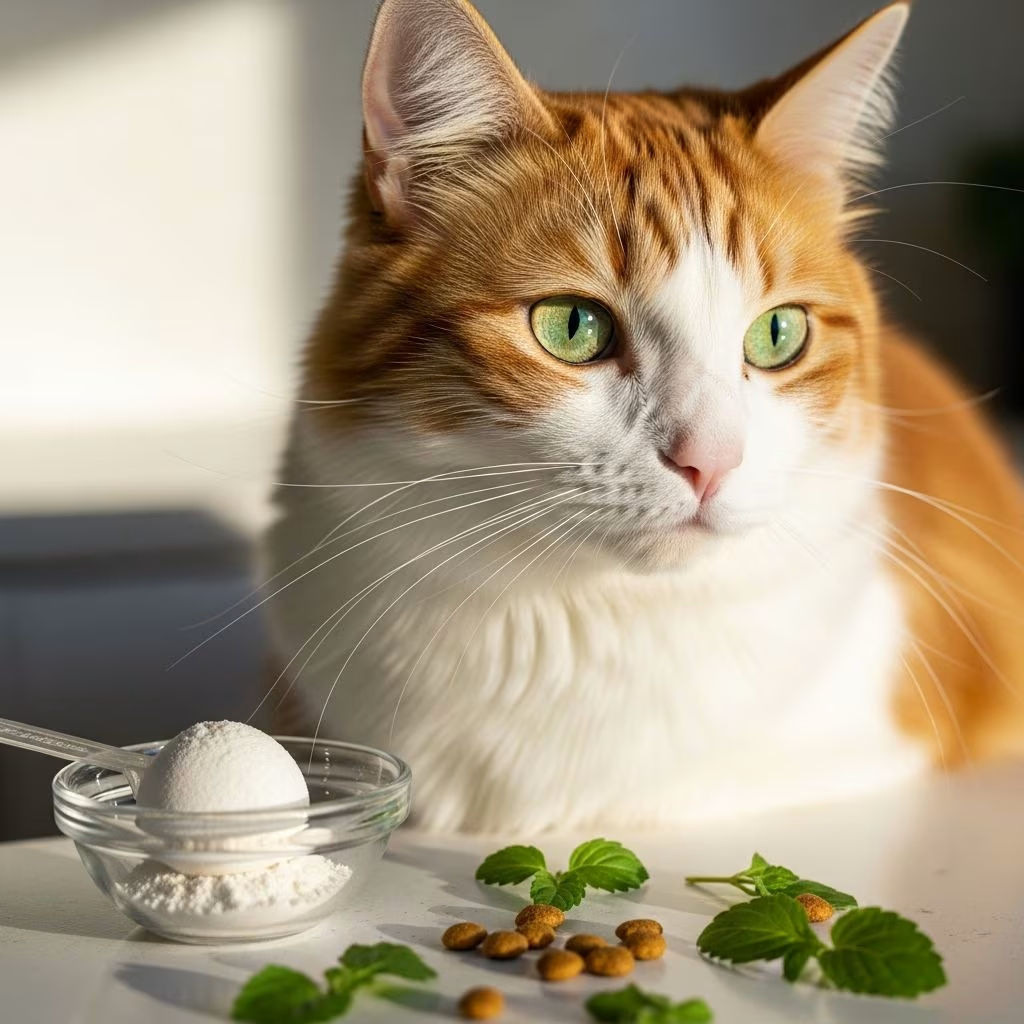
Prebiotics are non-digestible fibers that selectively nourish beneficial bacteria in a cat’s gut, promoting a balanced microbiome essential for digestion, immunity, and vitality. These compounds travel undigested through the stomach to the large intestine, where they ferment into short-chain fatty acids that support gut barrier integrity and reduce inflammation.
The Science Behind Feline Gut Microbiome
A cat’s gastrointestinal tract hosts trillions of microorganisms forming the microbiome, which influences nutrient breakdown, pathogen defense, and even mood regulation. Disruptions from stress, antibiotics, or poor diet can lead to dysbiosis, manifesting as loose stools, vomiting, or weakened defenses. Prebiotics act as fuel for good bacteria like Lactobacillus and Bifidobacterium, helping them outcompete harmful pathogens such as Escherichia coli. Studies show prebiotic supplementation reduces diarrhea incidence by absorbing excess moisture and slowing gut transit.
Research confirms that feeding cats diets enriched with prebiotics improves apparent nutrient digestibility, boosts antioxidant enzymes like glutathione peroxidase, and elevates total antioxidant capacity in serum. This microbial harmony produces metabolites like short-chain fatty acids (SCFAs), which energize colon cells, fortify the gut lining, and modulate immune responses.
Key Benefits of Prebiotics for Cats
Integrating prebiotics into a cat’s routine yields multifaceted advantages, from smoother digestion to robust immunity.
- Optimized Digestion: Prebiotics enhance stool consistency, minimizing diarrhea and constipation by promoting regular bowel movements and better moisture absorption.
- Superior Nutrient Uptake: A thriving microbiome breaks down proteins and fats more efficiently, ensuring cats absorb vital vitamins and minerals.
- Immune Enhancement: Up to 70% of feline immunity resides in the gut; prebiotics strengthen this by fostering beneficial bacteria that signal immune cells.
- Pathogen Control: They inhibit harmful bacteria growth, reducing issues like inflammatory bowel disease (IBD) flare-ups and antibiotic aftermaths.
- Overall Vitality: Healthier guts correlate with shinier coats, increased energy, and resilience to stressors like dietary shifts or travel.
Common Prebiotic Sources in Cat Nutrition
Natural and supplemental prebiotics abound in cat foods and treats. Fructooligosaccharides (FOS) from chicory root, inulin from agave, and acacia gum are staples, selectively feeding good bacteria while resisting feline digestive enzymes.
| Prebiotic Type | Sources | Primary Benefits |
|---|---|---|
| FOS | Chicory root, onions (limited) | Improves mineral absorption, lowers cholesterol |
| Inulin | Agave, Jerusalem artichoke | Supports regularity, aids weight management |
| Acacia Gum | Tree sap | Boosts fiber intake, eases constipation |
| MOS (Mannanoligosaccharides) | Yeast cell walls | Binds toxins, prevents pathogen adhesion |
Many commercial kibbles and wet foods fortify with these, often paired with probiotics for synergistic effects called synbiotics.
Prebiotics vs. Probiotics: Complementary Roles
While prebiotics are fibers that feed existing good bacteria, probiotics introduce live beneficial strains like Bacillus coagulans or Lactobacillus acidophilus. Together, they restore balance post-disruption. For instance, Bacillus subtilis reduces vomiting and foul stools, while prebiotics amplify its colonization.
- Prebiotics: Non-living, stable in food processing.
- Probiotics: Live microbes needing viability (CFU counts matter).
- Synbiotics: Combined for amplified gut repair.
Evidence from trials shows cats on synbiotics experience fewer diarrhea episodes within days, improved fecal scores, and elevated Lactobacillus levels.
Addressing Specific Feline Health Challenges
Diarrhea and Constipation Management
Acute diarrhea from stress or infections responds swiftly to prebiotics, which firm stools by modulating transit and bacterial overgrowth. Chronic constipation benefits from fermentable fibers increasing water retention in the colon.
Chronic Conditions like IBD
Inflammatory bowel disease affects many cats; prebiotics mitigate inflammation via SCFA production and microbiome modulation, easing symptoms alongside veterinary care.
Post-Antibiotic Recovery
Antibiotics wipe out good bacteria; prebiotics accelerate repopulation, curbing secondary infections and digestive upset.
Sensitive Stomachs and Seniors
Kittens, seniors, and picky eaters with touchy tums gain from consistent prebiotic support, stabilizing digestion amid life stages or diet trials.
Incorporating Prebiotics into Your Cat’s Diet
Start gradually to avoid transient gas. Consult vets for tailored advice, especially with health issues.
- Choose Fortified Foods: Select AAFCO-approved kibble/wet food listing FOS, inulin, or MOS.
- Supplements: Powders, chews, or pastes with 100+ million CFU probiotics plus prebiotics; duck-flavored options appeal widely.
- Dosage: Follow labels—typically 1 chew daily for adults; monitor stool changes.
- Natural Additions: Small amounts of pumpkin or chicory in homemade toppers, vet-approved.
Daily use maintains balance; stronger formulas aid acute issues.
Potential Considerations and Safety
Most cats tolerate prebiotics well, but overfeeding fibers may cause bloating. Transition slowly over 7-10 days. Avoid if history of fiber-responsive colic. Probiotics like Bacillus coagulans survive stomach acid effectively. Always pair with balanced nutrition; prebiotics aren’t cures but enhancers.
Frequently Asked Questions (FAQs)
Can all cats benefit from prebiotics?
Yes, from healthy adults preventing issues to those with chronic GI woes; they’re safe for daily use.
How soon do effects appear?
Stool improvements often within 2-7 days; full microbiome shifts in weeks.
Are prebiotics safe with medications?
Generally yes, but vet check for interactions, especially immunosuppressants.
What’s the best prebiotic form for cats?
FOS and inulin in foods/supplements; stability and palatability key.
Do kittens need prebiotics?
Absolutely, for developing microbiomes and diarrhea prevention.
Prebiotics empower cat guardians to proactively nurture gut health, yielding happier, healthier companions through science-backed nutrition.
References
- What Are Prebiotics and Probiotics and How Can They Help Your Cat? — Chewy.com. 2023. https://www.chewy.com/education/cat/food-and-nutrition/probiotic-prebiotic-treats-cats
- Probiotics and Cat Health: A Review of Progress and Prospects — PMC (NCBI). 2024-07-01. https://pmc.ncbi.nlm.nih.gov/articles/PMC11205573/
- Prebiotics for Cats: Here’s What You Need to Know — TotalVet. 2024. https://total.vet/prebiotics-for-cats/
- The Benefits of Prebiotics in Dog and Cat Diets — Summit10. 2023. https://summit10.com/the-benefits-of-prebiotics-in-dog-and-cat-diets/
- Probiotics and Prebiotics for Cats — Hill’s Pet Nutrition. 2024. https://www.hillspet.co.id/cat-care/nutrition-feeding/prebiotics-and-probiotics-for-cats



