

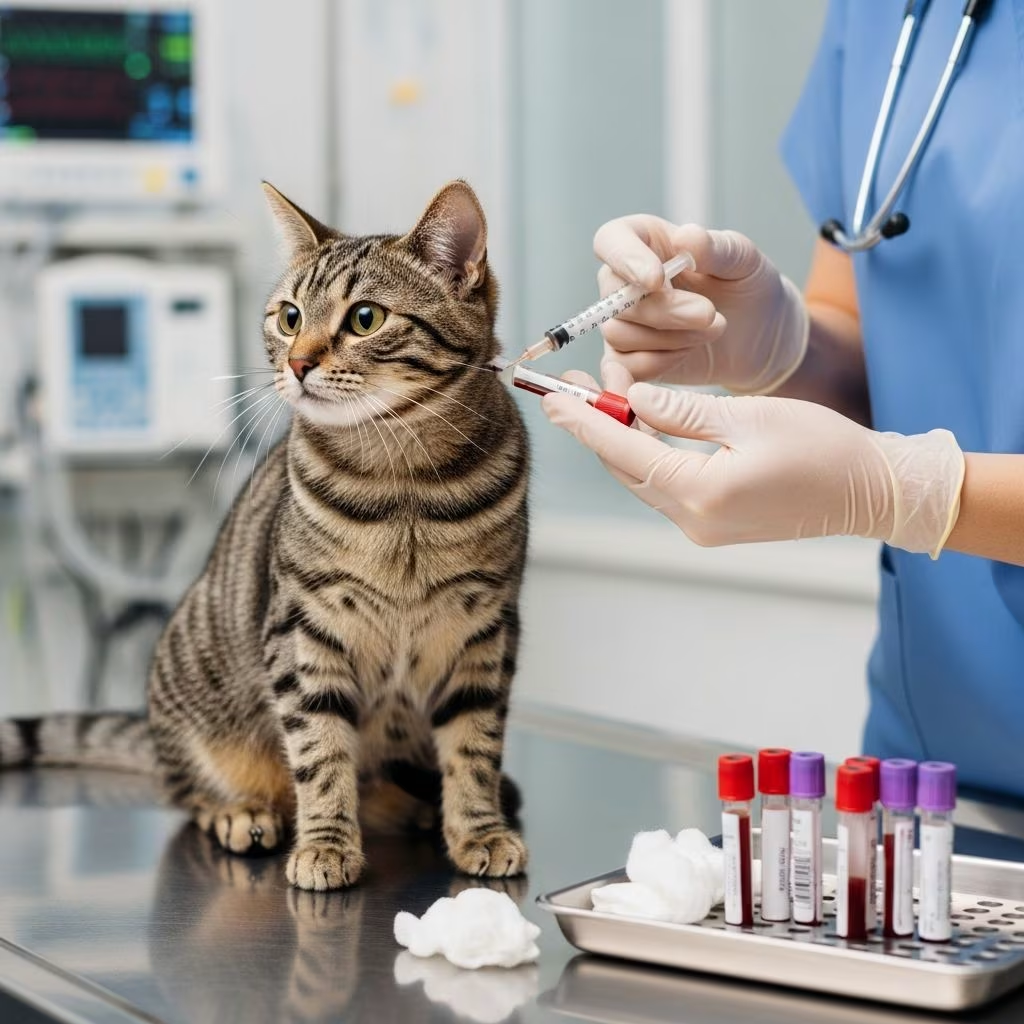
Pre-anesthesia blood testing is a standard procedure recommended for cats before any surgery or diagnostic process involving sedation or general anesthesia. These tests provide critical insights into your cat’s organ function, blood cell health, and metabolic status, helping veterinarians ensure the procedure is as safe as possible.
The Critical Role of Blood Work in Feline Anesthesia
Anesthesia affects multiple systems in a cat’s body, particularly the liver and kidneys, which metabolize and excrete anesthetic drugs. Without prior blood screening, hidden health issues could lead to complications like prolonged recovery, organ stress, or even life-threatening reactions. By evaluating key biomarkers, vets can customize anesthesia protocols, adjust dosages, or delay procedures if needed.
For instance, young healthy cats might tolerate anesthesia well, but even they benefit from baseline data. Older cats or those with breeds prone to conditions like renal issues in Persians require more thorough checks. This proactive approach mirrors human medical standards, where pre-op labs are routine to minimize risks.
What Specific Tests Are Included?
Pre-anesthesia panels typically combine a complete blood count (CBC) and serum biochemistry profile. These assess various parameters essential for anesthesia safety.
- Complete Blood Count (CBC): Measures red blood cells for oxygen transport (detecting anemia), white blood cells for infection or immune status, and platelets for clotting ability.
- Serum Biochemistry: Evaluates liver enzymes (ALP, ALT, AST), kidney markers (BUN, creatinine), glucose levels, proteins, and electrolytes.
Additional tests like heartworm for dogs or FeLV/FIV for cats may be advised alongside vaccinations to ensure overall stability.
Age-Based Testing Guidelines
Veterinary protocols often vary by age to balance thoroughness with cost-effectiveness. Here’s a comparison:
| Age Group | Recommended Tests | Recency Requirement | Rationale |
|---|---|---|---|
| Under 7 years | Mini CBC or basic profile | Within 12 months | Lower risk; establishes baseline |
| 7 years and older | Full CBC + biochemistry | Within 6 months | Higher disease prevalence |
| High-risk breeds or history | Comprehensive panel | Recent (1-6 months) | Predispositions like renal issues |
These timelines account for rapid aging in cats, where 6 human months can equate to years in feline terms. Waiving tests for ‘near-current’ results is discouraged, as conditions can progress quickly—one case showed an eightfold liver enzyme spike in just over six months.
Understanding Common Test Results and Implications
Blood Cell Analysis
Red blood cell counts via PCV reveal anemia, which impairs oxygen delivery under anesthesia. Low platelets signal bleeding risks, while abnormal white cells might indicate infection or, rarely, cancer.
Organ Function Markers
- Kidney (BUN, Creatinine): Elevated levels suggest impaired filtration, critical since anesthesia reduces blood flow to kidneys.
- Liver (ALKP, ALT, AST, GGT, Tbili): High enzymes point to hepatic stress; hyperthyroidism can mimic this, necessitating T4 checks.
- Glucose and Proteins: Hypoglycemia or low proteins (albumin, globulin) affect healing and stability.
- Electrolytes (Na, K, Cl): Imbalances impact heart rhythm and recovery.
Abnormalities like BUN over 130 mg/dL or creatinine at 10+ in a cat with dental issues delayed safe anesthesia in one documented scenario.
How Vets Use Results to Enhance Safety
Blood work integrates with physical exams and history for a holistic risk assessment. Mild dehydration might prompt pre-op IV fluids; severe anemia could postpone surgery. For liver or kidney flags, vets select shorter-acting drugs or provide supportive care like IV catheters for fluids and emergency access—shown to significantly lower risks.
In high-risk cases, such as hyperthyroid cats with elevated enzymes, additional diagnostics ensure accurate diagnosis before proceeding.
Benefits Beyond Anesthesia Safety
These tests offer early detection of subclinical diseases. A routine dental procedure might uncover diabetes, renal failure, or infections treatable before they worsen. This baseline aids future health monitoring, potentially extending your cat’s life.
Addressing Common Owner Concerns
Cost is a frequent question—tests take 15 minutes in-clinic, providing same-day results. While not always mandatory for young pets, skipping them heightens risks. Discuss waivers with your vet, but evidence favors comprehensive screening, especially for seniors.
Preparing Your Cat for Testing
Fast your cat 8-12 hours pre-procedure. Ensure up-to-date vaccines and discuss any symptoms like bad breath or lethargy, which could signal issues.
Frequently Asked Questions (FAQs)
Is pre-anesthesia blood work mandatory for all cats?
It’s standard care, especially for seniors or those with health histories. Young cats may need minimal screening.
What if results are abnormal?
Vets may treat issues first (e.g., fluids for dehydration), adjust protocols, or reschedule for further tests.
How often should I repeat these tests?
Every 6-12 months based on age and prior results, or before each anesthesia event.
Does my cat need IV fluids too?
Strongly recommended; they stabilize blood pressure and support organ perfusion.
Can breed affect testing needs?
Yes, breeds like Persians warrant kidney-focused checks due to predispositions.
Final Thoughts on Prioritizing Safety
Investing in pre-anesthesia blood work safeguards your cat during vulnerable moments. Consult your vet to tailor the approach, ensuring peace of mind and optimal outcomes.
References
- Preanesthetic Bloodwork — VCA Animal Hospitals. Accessed 2026. https://vcahospitals.com/know-your-pet/preanesthetic-bloodwork
- Pre-Anesthetic Blood Work Testing — Brown Trail Animal Hospital. 2016-12-01. https://www.browntrailah.com/blog/pre-anesthetic-blood-work-testing
- Pre-Anesthetic Blood Testing — Southwest Veterinary Hospital. Accessed 2026. https://www.southwestveterinaryhospital.com/pre-anesthetic-blood-testing-description
- Anesthesia and Your Pet — Fowlerville Veterinary Clinic. Accessed 2026. https://www.fowlervillevet.com/anesthesia-and-your-pet/
- Preanesthetic Blood Testing: When Is It Needed? — IDEXX Laboratories. Accessed 2026. https://www.idexx.com.au/files/preanesthetic-blood-testing-paper.pdf



