

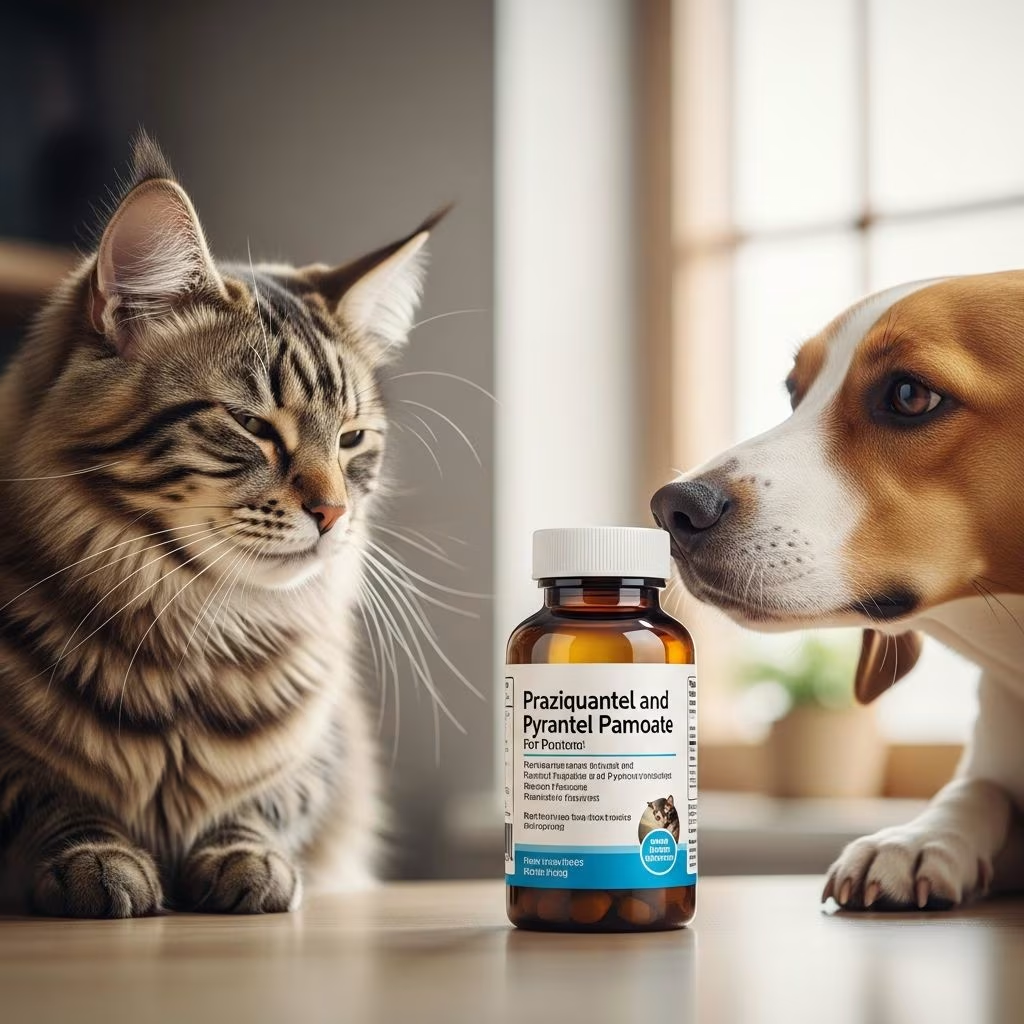
Praziquantel and Pyrantel Pamoate: A Complete Guide to Pet Deworming
Parasitic infections are among the most common health concerns affecting dogs and cats. Fortunately, modern veterinary medicine offers highly effective medications to combat these infections. Among the most widely prescribed antiparasitic medications are praziquantel and pyrantel pamoate, which are often used together in combination products to provide broad-spectrum protection against multiple parasite species. This comprehensive guide explains how these medications work, their applications, dosing information, and important safety considerations for pet owners.
What Are Praziquantel and Pyrantel Pamoate?
Praziquantel and pyrantel pamoate are anthelmintic medications, commonly known as dewormers, that are specifically formulated to eliminate parasitic worms from the gastrointestinal tract of pets. These medications are often combined in single-dose formulations to provide comprehensive parasite coverage, allowing veterinarians to treat multiple parasite types with a single treatment.
The U.S. Food and Drug Administration (FDA) has approved combination products containing praziquantel and pyrantel pamoate for use in both dogs and cats. This regulatory approval ensures that these medications have undergone rigorous testing for safety and efficacy before reaching pet owners and veterinary clinics.
How Do These Medications Work?
Mechanism of Action
Each active ingredient in this combination works through a distinct mechanism to paralyze and eliminate parasites. Pyrantel pamoate acts on the cholinergic receptors of nematodes, causing spastic paralysis of the worm. Once paralyzed, the intestinal peristalsis (natural movement) of the digestive tract propels the dead or dying parasites out of the body through normal bowel movements.
Praziquantel works through a different mechanism, making it effective against tapeworms and other parasites that pyrantel may not adequately address. This complementary action is why veterinarians favor combination products—they provide a more comprehensive antiparasitic effect than either medication alone.
Limited Absorption
An important characteristic of pyrantel pamoate is that it does not absorb well into the bloodstream. This means the medication works exclusively in the gastrointestinal tract, making it particularly effective for treating intestinal parasites while minimizing systemic side effects.
Which Parasites Does This Combination Treat?
The praziquantel and pyrantel pamoate combination is effective against a wide range of intestinal parasites commonly found in dogs and cats. The specific parasites treated include:
Parasites Treated
– Roundworms (Ascarids): Toxocara canis and Toxascaris leonina are the most common species affecting dogs- Hookworms: Ancylostoma caninum and Uncinaria stenocephala parasitize the small intestine- Tapeworms: Multiple species including Dipylidium caninum and Taenia pisiformis
These parasites can cause significant health problems in pets, including malnutrition, anemia, diarrhea, and in severe cases, intestinal blockage. Prompt treatment is essential to prevent complications and transmission to other animals.
FDA Approval and Veterinary Use
The FDA has officially approved praziquantel and pyrantel pamoate combination products for use in both dogs and cats. Veterinarians may also prescribe these medications for other species or conditions under specific circumstances, as permitted by FDA regulations. Pet owners should always discuss with their veterinarian why a particular medication has been chosen for their specific situation.
Available Formulations and Dosing
Praziquantel and pyrantel pamoate are available in several formulations to accommodate different pet sizes and preferences. The most common combination products include Drontal® Plus and Virbantel®, which come in tablet and chewable formats.
Dosage Strengths by Pet Weight
Proper dosing is critical for treatment efficacy and safety. Veterinarians recommend weighing the animal before administering treatment to ensure accurate dosing. Common dosage strengths include:
– Small dogs and puppies (6-25 lbs): 30 mg praziquantel and 30 mg pyrantel pamoate per chewable- Medium dogs (26-60 lbs): 68 mg praziquantel, 68 mg pyrantel base as pyrantel pamoate, and 340.2 mg febantel (in triple-combination products)- Large dogs (45+ lbs): 136 mg praziquantel and 136 mg pyrantel base as pyrantel pamoate
Administration Instructions
These medications can be administered directly by mouth or mixed with a small amount of food. Fasting is not required before or after treatment, making administration convenient for pet owners. The tablets or chewables should be given as a single oral dose, and pet owners must ensure their animal swallows the entire medication.
Treatment Efficacy and Clinical Studies
The efficacy of praziquantel and pyrantel pamoate combinations has been rigorously tested through controlled laboratory studies and clinical field trials. Research has demonstrated that these medications are both safe and effective when used as directed.
A total of 176 dogs and puppies with naturally acquired or experimental parasite infections were included in four well-controlled laboratory studies to establish efficacy. Additionally, 103 dogs and puppies participated in clinical field studies conducted across five veterinary clinics at different geographic locations throughout the United States. These comprehensive studies included dogs of various sizes, ages, and breeds, providing robust evidence of the medication’s reliability.
Potential Side Effects and Safety Considerations
Common Side Effects
While praziquantel and pyrantel pamoate combinations are generally well-tolerated, some pets may experience mild side effects. The most commonly reported side effects include:
– Vomiting- Loose stools (with or without blood)- Decreased activity levels- Mild gastrointestinal upset
These side effects are typically temporary and resolve within a few days of treatment. However, pet owners should monitor their animals closely after administration and contact their veterinarian if symptoms persist or worsen.
Safety in Special Populations
Safety evaluations have been conducted in dogs receiving various doses of the medication. Dogs that received up to five times the recommended dosage for three consecutive days showed clinical signs of vomition and non-formed stools, but no permanent harm resulted. However, febantel-containing products should not be used in pregnant animals, so pet owners must inform their veterinarian if their pet is pregnant or potentially pregnant.
Drug Interactions
Pet owners should inform their veterinarian about all medications their pet is currently taking. Certain drug interactions can occur when pyrantel pamoate combinations are used simultaneously with:
– Organophosphate flea and tick products- Diethylcarbamazine (once-a-day heartworm preventives)
These combinations may increase the likelihood of side effects, so veterinarians should carefully review medication histories before prescribing praziquantel and pyrantel pamoate products.
What to Expect After Treatment
After administering praziquantel and pyrantel pamoate, pet owners may observe parasite material in their pet’s feces. Large tapeworms may be visible without magnification, while hookworms and roundworms typically appear a few days after treatment. In most cases, parasites are digested and won’t be seen, which is completely normal.
A single treatment is often sufficient for initial deworming. However, dogs with exposure to re-infection (such as those exposed to infected rodents or living in multi-pet households) may require regular treatment every 21-26 days to maintain protection.
Important Precautions and Warnings
Contraindications
There are no known contraindications against the use of praziquantel or pyrantel pamoate in dogs. However, the medication should not be used in sick animals or animals with undiagnosed health conditions until cleared by a veterinarian. Additionally, these products should never be used in animals other than those for which they were prescribed.
Overdose Information
In the event that a pet ingests more than the prescribed amount, pet owners should contact their veterinarian immediately. Do not attempt to induce vomiting or administer other treatments without veterinary guidance. Provide the veterinarian with the specific product name and the amount ingested.
Environmental Considerations
Unused product should be disposed of carefully, as it is toxic to fish and wildlife. Consult with your veterinarian or local pharmacy about proper disposal methods in your area.
Diagnostic Confirmation Before Treatment
Veterinarians recommend confirming the presence of parasites through laboratory fecal examination before initiating treatment. This ensures that the medication is necessary and helps identify which parasite species are present. Some pets may not have active parasite infections, and treatment in these cases is unnecessary.
Regular fecal examinations, particularly in puppies and kittens, help veterinarians establish appropriate deworming protocols tailored to each individual pet’s risk factors and lifestyle.
When to Contact Your Veterinarian
Pet owners should contact their veterinarian if:
– Their pet experiences severe or persistent vomiting after treatment- Blood appears in the stool- The pet’s condition does not improve or worsens despite treatment- Signs of illness develop that were not present before treatment- The pet ingests more than the prescribed amount- They observe any unusual reactions or behaviors
Maintaining open communication with your veterinarian ensures that any concerns are addressed promptly and appropriately.
Frequently Asked Questions
Q: Can praziquantel and pyrantel pamoate be given to cats?
A: Yes, the FDA has approved praziquantel and pyrantel pamoate combination products for use in cats. Veterinarians often recommend Drontal® for cats and kittens, which contains both active ingredients specifically formulated for feline patients.
Q: How often should my pet be dewormed?
A: Most pets require a single treatment to eliminate current parasites. However, puppies, kittens, and pets at high risk for re-infection may benefit from repeated treatments every 21-26 days. Your veterinarian can recommend an appropriate deworming schedule based on your pet’s individual circumstances.
Q: Is fasting required before giving this medication?
A: No, fasting is not required before or after administering praziquantel and pyrantel pamoate. The medication can be given with or without food, making it convenient for pet owners.
Q: What should I do if my pet vomits after taking the medication?
A: Mild vomiting may occur and usually resolves on its own. However, if vomiting is severe or persistent, contact your veterinarian. Do not re-administer the medication without veterinary guidance.
Q: Can this medication be combined with other pet medications?
A: Generally, yes, but certain drug interactions can occur. Always inform your veterinarian about all medications, supplements, and preventatives your pet is currently taking before administering praziquantel and pyrantel pamoate.
Q: Are combination products safer than individual medications?
A: Combination products provide convenient broad-spectrum coverage against multiple parasite types, which can actually be safer than using multiple medications separately, as it reduces the total number of drugs administered and potential for drug interactions.
Conclusion
Praziquantel and pyrantel pamoate combination products represent a cornerstone of modern parasitic disease management in veterinary medicine. These FDA-approved medications offer pet owners a safe, effective, and convenient way to protect their dogs and cats from common intestinal parasites. By understanding how these medications work, following proper dosing guidelines, and maintaining regular communication with their veterinarian, pet owners can ensure their animals remain healthy and free from parasitic infections. Always consult with your veterinarian to determine the most appropriate deworming protocol for your individual pet’s needs.
References
- Pyrantel Pamoate — JAM Veterinary Services — JAM Veterinary Services. Accessed 2025-11-28. https://www.jamdvm.com/pyrantel-pamoate
- DRONTAL PLUS – praziquantel, pyrantel pamoate, febantel tablet — U.S. National Library of Medicine, DailyMed. Accessed 2025-11-28. https://dailymed.nlm.nih.gov/dailymed/drugInfo.cfm?setid=9ccf3782-220d-4e8e-95d0-8e79a9a909ae
- Praziquantel + Pyrantel pamoate + Febantel — Texas West Veterinarian. Accessed 2025-11-28. https://www.texaswestveterinarian.com/praziquantel-pyrantel-pamoate-febantel/
- Ivermectin with Pyrantel Pamoate and Praziquantel (Dogs) — Brilliant Vets. Accessed 2025-11-28. https://brilliantvets.com/wp-content/uploads/2025/03/Handout_2025-03-10_11-50-03.pdf
- Pyrantel Pamoate for Dogs and Cats – PetMD — PetMD, LLC. Accessed 2025-11-28. https://www.petmd.com/pet-medication/pyrantel-pamoate
- VIRBANTEL® (pyrantel pamoate/praziquantel) Flavored Chewables — Virbac Animal Health. Accessed 2025-11-28. https://vet-us.virbac.com/home/products/parasiticides/virbantel-pyrantel-pamoatepraziq.html
- PetArmor® 7 Way De-Wormer (pyrantel pamoate/praziquantel) — PetArmor. Accessed 2025-11-28. https://petarmor.com/products/petarmor-7-way-de-wormer-pyrantel-pamoate-and-praziquantel-dogs



