

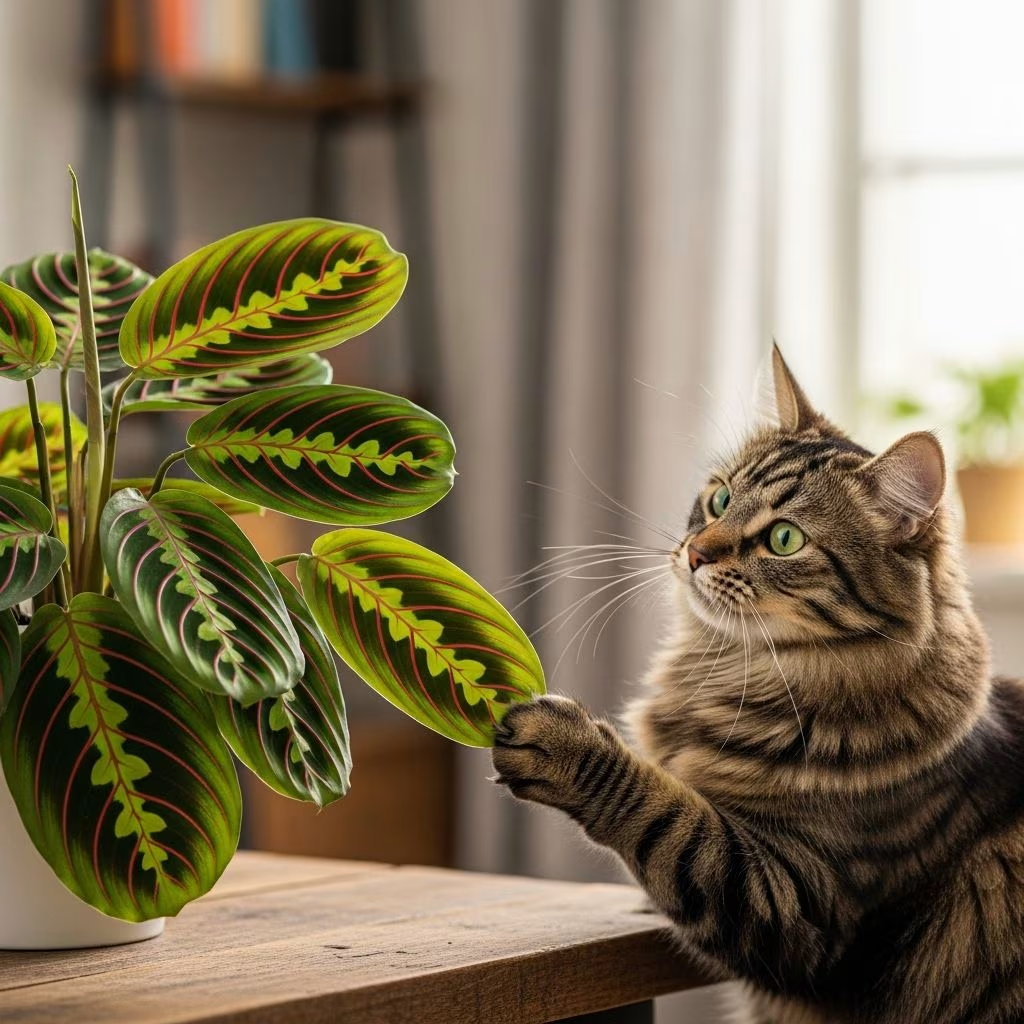
Houseplants like the captivating prayer plant add vibrancy to indoor spaces, but cat owners often worry about their pets’ safety. Fortunately, prayer plants (Maranta leuconeura) are confirmed non-toxic to cats by authoritative sources such as the ASPCA, making them a reliable choice for pet households. While ingestion won’t cause poisoning, excessive nibbling can lead to mild stomach upset due to the plant’s fibrous texture. This article delves into the science behind their safety, practical coexistence strategies, and alternatives to foster a harmonious home environment.
Demystifying Plant Safety for Feline Companions
Understanding toxicity begins with recognizing that not all plants harm cats equally. Toxicity arises from chemicals like insoluble calcium oxalates or alkaloids that trigger irritation, organ damage, or worse upon ingestion. Cats, with their grooming habits and curiosity, frequently investigate foliage, heightening risks in confined homes. Non-toxic plants lack these compounds, but mechanical irritation from fibers or volume can still provoke temporary discomfort.
Prayer plants stand out for their benign profile. Their leaves, marked by intricate patterns that fold at night—earning the ‘prayer’ moniker—contain no harmful principles. The ASPCA explicitly lists them as safe for cats, dogs, and horses. Similarly, organizations like Cats Protection affirm their inclusion among pet-friendly options. Real-world anecdotes from gardeners note cats occasionally munching without ill effects, though one-off cases of leaf damage to plants occur.
Potential Mild Effects from Overindulgence
Non-toxicity does not equate to indestructibility. If a cat devours large amounts, symptoms like vomiting, diarrhea, or lethargy may emerge from indigestion rather than poison. These arise from the plant’s indigestible fibers scraping the gut or overwhelming the stomach. Drooling or appetite changes signal discomfort, typically resolving in 24-48 hours without intervention.
- Vomiting: Common after substantial intake, expelling undigested material.
- Diarrhea: Loose stools from fiber irritation.
- Lethargy: Temporary energy dip due to gastrointestinal distress.
- Excessive grooming: Cats may lick paws after chewing, amplifying minor irritation.
Monitor closely; persistent symptoms beyond a day warrant veterinary consultation to rule out unrelated issues.
Strategic Home Setup for Plants and Pets
Coexistence thrives on prevention. Position prayer plants in high-traffic-free zones to deter access. Elevated shelves, wall-mounted planters, or hanging baskets exploit cats’ vertical limits while showcasing the plant’s beauty.
| Placement Method | Benefits | Drawbacks |
|---|---|---|
| Hanging Baskets | Out of leap range; adds decor | Requires sturdy hooks |
| Shelves >5ft High | Easy access for watering | Dust accumulation |
| Closed Glass Terrariums | Visual appeal; humidity control | Ventilation needs |
| Room Dividers | Separates pet zones | Space constraints |
Complement with deterrents: citrus sprays (cats dislike the scent), aluminum foil around bases, or motion-activated air puffs. Train via positive reinforcement—redirect chewing to approved toys.
Cultivating Prayer Plants in Cat Households
Thriving prayer plants demand indirect light, high humidity, and moist—but not soggy—soil. Ideal temperatures range 65-80°F, mimicking their tropical origins. Water when the top inch dries, using room-temperature filtered water to prevent leaf-tip burn.
- Misting daily boosts humidity, deterring spider mites.
- Fertilize sparingly (every 4-6 weeks in growing season) with diluted balanced formula.
- Repot annually in well-draining mix to avoid root rot.
- Prune damaged leaves to encourage bushiness.
In cat homes, opt for ceramic or weighted pots to resist toppling. Propagate via stem cuttings in water for backups, ensuring spares stay elevated.
Expanding Your Safe Plant Collection
Beyond prayer plants, curate a feline-friendly jungle. Prioritize ASPCA-vetted options resilient to investigation.
- Parlour Palm (Chamaedorea elegans): Graceful fronds; tolerates low light.
- Spider Plant (Chlorophytum comosum): Air-purifying; dangling pups intrigue without harm.
- Calathea Varieties: Prayer plant relatives with bold patterns; non-toxic.
- Sword Fern: Lush, shade-loving filler.
- Bamboo Palm: Tropical vibe; excellent purifier.
Avoid dangers like lilies (all parts lethal, even pollen), daffodils (lycorine-induced vomiting), pothos (oxalates cause swelling), and alocasia (mouth pain). Herbs like basil or thyme offer safe, aromatic alternatives.
Recognizing and Responding to Plant-Related Incidents
Swift action minimizes worry. If ingestion suspected:
- Remove plant remnants from mouth gently.
- Observe for 4-6 hours; note symptoms.
- Prevent further access.
- Contact vet or ASPCA Poison Control (888-426-4435) for non-toxic confirmations.
For toxic plants, induce no vomiting at home—professionals handle that. Keep vet records handy, including plant IDs via apps like PictureThis.
Enhancing Indoor Air Without Compromising Safety
Plants purify air, removing VOCs like formaldehyde. Prayer plants contribute modestly, amplified by companions like spider plants. Balance with ventilation; avoid over-reliance on potentially hazardous purifiers like certain essential oil diffusers (e.g., eucalyptus toxic if inhaled excessively). Unscented beeswax candles or HEPA filters pair safely.
Frequently Asked Questions
Can my cat die from eating a prayer plant?
No, prayer plants pose no fatal risk; they are non-toxic per ASPCA. Mild GI upset is the worst-case from excess.
Why does my cat keep eating my prayer plant?
Boredom, nutritional gaps, or teething. Provide grass alternatives like wheatgrass and enrich environment with toys.
Are all Calathea plants safe for cats?
Yes, Calathea (prayer plant kin) are generally non-toxic, sharing safe traits.
How do I stop my cat from destroying houseplants?
Elevate, deter with scents, offer cat grass, and ignore attention-seeking behavior.
What if my cat shows symptoms after nibbling?
Withhold food briefly, ensure hydration, and consult vet if unresolved in 24 hours.
Building a Thriving, Pet-Proof Greenery Oasis
Integrating prayer plants with cats exemplifies balanced living. Their safety, coupled with aesthetic and air-quality perks, makes them ideal starters. Educate on risks, implement barriers, and diversify thoughtfully. Consult primary resources like ASPCA for updates, as botany evolves. With diligence, your home becomes a sanctuary where feline curiosity and botanical splendor coexist seamlessly.
References
- Toxic and Non-toxic Plants: Prayer Plant — ASPCA. 2023. https://www.aspca.org/pet-care/aspca-poison-control/toxic-and-non-toxic-plants/prayer-plant
- Plants Poisonous to Cats – Our Guide — Cats Protection. 2024-01-15. https://www.cats.org.uk/help-and-advice/home-and-environment/dangerous-plants
- Prayer Plant Poisonous To Cats — Plantology USA. 2023-05-10. https://plantologyusa.com/blogs/the-plantologist/prayer-plant-poisonous-to-cats
- Toxic and Non-toxic Houseplants for Pets – a Full Guide — BWH Plant Co. 2024. https://bwhplantco.com/blogs/beyond-the-basics/toxic-and-non-toxic-houseplants-for-pets-a-full-guide
- When Plant Babies Meet Fur Babies — Chicago Botanic Garden. 2023-08-20. https://www.chicagobotanic.org/blog/plants-and-gardening/when-plant-babies-meet-fur-babies



