

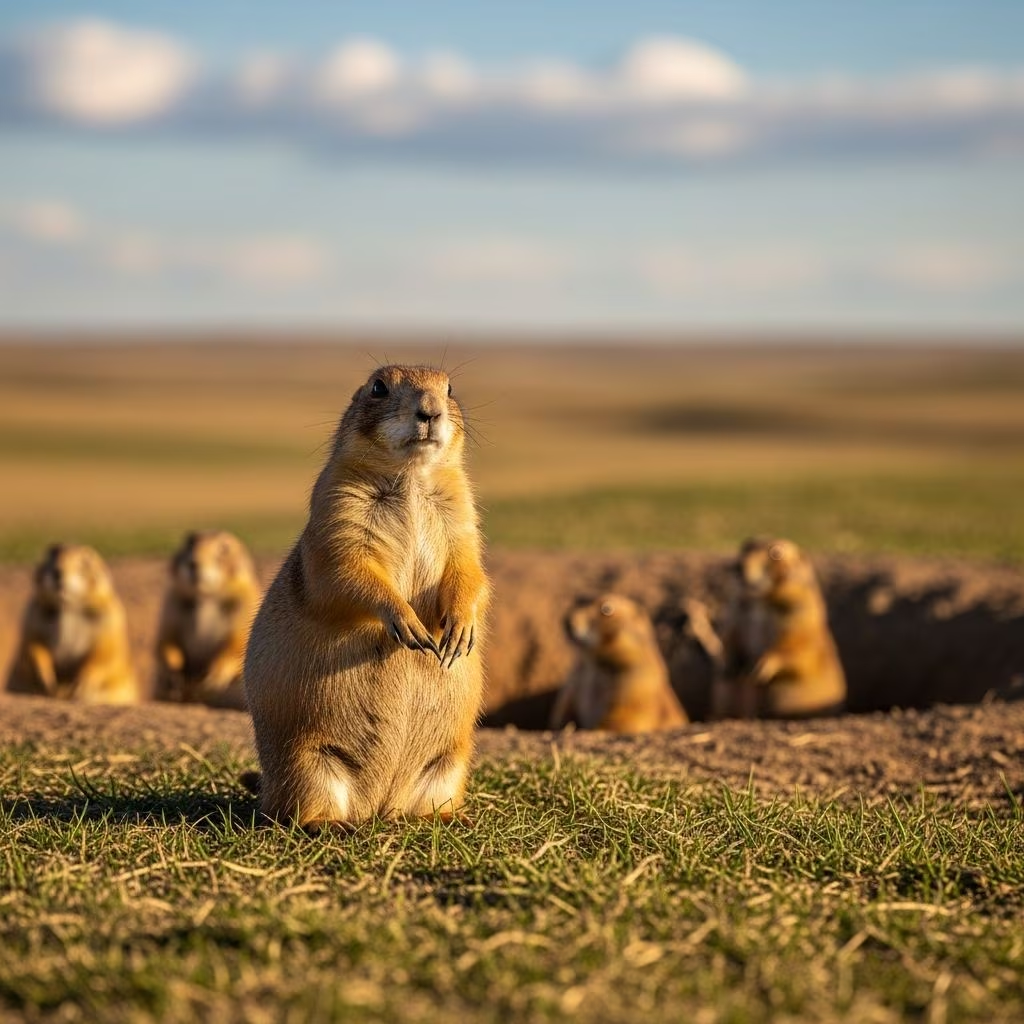
Prairie Dogs: Owning and Caring for These Unique Pets
Prairie dogs are fascinating and intelligent rodents that can make rewarding pets for the right owner. However, these social creatures require significant commitment, specialized knowledge, and substantial resources to thrive in captivity. Before bringing a prairie dog into your home, it is essential to understand that they are not domesticated animals and have complex behavioral and physical needs that differ dramatically from traditional pets like dogs or cats. This comprehensive guide covers everything you need to know about prairie dog ownership, from housing and diet to veterinary care and behavioral expectations.
Is a Prairie Dog Right for You?
Prairie dogs are not suitable pets for everyone, and prospective owners should carefully evaluate their lifestyle, resources, and commitment level before acquiring one. These animals require extensive time investment, specialized veterinary care, proper nutrition, and substantial space. They are social creatures that thrive in groups and can become stressed, anxious, or develop behavioral problems if isolated or neglected. Additionally, prairie dogs can be nippy and may bite if frightened, not properly socialized, or mishandled. They can also be aggressive in certain situations, particularly during breeding seasons or if startled unexpectedly.
Before committing to prairie dog ownership, ask yourself these critical questions: Do you have adequate space for a proper, large enclosure? Are you prepared to spend significant daily time socializing and interacting with your prairie dog? Can you afford specialized food, supplies, and veterinary care from an exotic animal veterinarian? Are you willing to commit to caring for an animal that can live 8-10 years or more? If you answered no to any of these questions, a prairie dog may not be the right pet for you.
Selecting Your Prairie Dog
When choosing a prairie dog, selecting the right individual is crucial for long-term success and happiness. Black-tailed prairie dogs are the most commonly kept species in captivity and make excellent pets when properly socialized. White-tailed prairie dogs, by contrast, are less sociable and have special biological needs, including true hibernation in winter, making them unsuitable as pets.
Ideally, obtain your prairie dog from a reputable breeder or rescue organization rather than pet shops, which may source wild-caught or poorly bred animals. Prairie dogs acquired at a young age, typically 6-8 weeks old, adjust better to captivity and human handling. When selecting an individual prairie dog, look for these characteristics:
- Curiosity and inquisitiveness, with ease of handling
- Clear eyes and nose free of any discharge, which could indicate respiratory infection
- Appropriate body weight, not thin or emaciated
- No signs of aggression; select another animal if the one you wish to adopt is already aggressive
Baby prairie dogs are typically available in the United States from April to July, coinciding with the natural breeding season. Obtaining your pet during this window increases your chances of finding young, well-socialized animals.
Housing and Enclosure Requirements
Proper housing is one of the most critical aspects of prairie dog care. These burrowing animals have an innate need to dig and create underground tunnels, so housing must accommodate this fundamental behavior. Prairie dog enclosures should be spacious, secure, and designed to mimic their natural habitat as closely as possible.
Enclosure Size and Specifications
A Mansion Cage or similar large, durable housing unit is an excellent option for prairie dogs, providing ample space and structural integrity. The enclosure must allow adequate space for burrowing, with a minimum of 6 to 12 inches (15 to 30 centimeters) of safe bedding material. This deep substrate layer allows prairie dogs to satisfy their natural digging instincts and create comfortable burrows.
Choose bedding materials carefully. Recycled paper bedding and untreated wood shavings are appropriate choices. Never use cedar bedding, as it contains oils that are toxic to small rodents and can cause respiratory problems and liver damage.
Housing Multiple Prairie Dogs
Housing arrangements depend on the sex and reproductive status of your animals:
- Males can be housed together if neutered
- Females can be housed together with or without spaying
- If a male is housed with a female, neutering is essential to prevent breeding and unplanned pregnancies
Prairie dogs are highly social animals that thrive in colonies. If you plan to keep more than one prairie dog, it is best to adopt them from the same litter or introduce them at a young age. This helps them form strong social bonds and reduces conflicts. However, housing multiple animals requires proportionally larger enclosures to prevent territorial aggression.
Enrichment and Environmental Design
Beyond basic housing, enrichment is crucial for a prairie dog’s physical and mental well-being. Provide large pieces of PVC plastic piping to create tunnels that mimic their natural burrow systems. Offer a variety of chew toys, foraging activities, and safe items to dig into. Exercise wheels, such as the Chin-Sprint Exercise Wheel, provide physical activity. A glass water bottle attached to the outside of the cage ensures a consistent, clean water supply.
Diet and Nutrition
Prairie dogs require a carefully balanced, high-fiber diet to maintain optimal health and prevent obesity-related diseases. Their natural diet in the wild consists primarily of grasses and other vegetation, so captive diets must replicate this nutritional profile.
Core Dietary Components
A proper prairie dog diet includes the following elements:
- Grass hay: The foundation of the diet, providing essential fiber for digestive health
- Prairie dog pellets: Specially formulated commercial pellets designed for prairie dog nutritional requirements
- Fresh vegetables: Small amounts of fresh vegetables such as carrots, kale, and sweet potatoes provide vitamins, minerals, and variety
Avoid sugary foods, processed foods, and treats designed for other species. These foods can lead to obesity, diabetes, and other health complications. Do not feed prairie dogs nuts, seeds, or high-fat foods, which are inappropriate for their digestive system and metabolic needs.
The exact dietary proportions should be discussed with your exotic animal veterinarian, as individual prairie dogs may have different nutritional requirements based on age, health status, and activity level.
Health and Veterinary Care
Proper veterinary care is essential for maintaining your prairie dog’s health and detecting problems early. Select a veterinarian with specific experience and expertise in exotic animal medicine, particularly with rodents.
Initial Veterinary Examination
Your pet prairie dog should be examined by an exotic animal veterinarian within 48 hours of purchase or adoption. In many cases, the seller requires this visit for their health guarantee to be valid. During this initial visit, your veterinarian will conduct a thorough physical examination, discuss proper care, diet, and housing requirements specific to your prairie dog’s individual needs, and establish a baseline health record.
Ongoing Health Monitoring
Routine veterinary care includes:
- Regular physical examinations
- Dental cleanings and oral health assessments
- Routine parasite control and prevention
- Preventative health care discussions
Prairie dogs are prone to certain health issues, including respiratory infections (indicated by discharge from eyes or nose), dental problems, and parasites. Regular check-ups help identify and address these conditions before they become serious.
Grooming and Hygiene
Regular grooming and habitat sanitation are essential for your prairie dog’s health and comfort.
Personal Grooming
Brush your prairie dog weekly with a soft-bristled brush to remove loose fur and maintain coat condition. Trim their nails as needed to prevent overgrowth, which can cause discomfort and mobility problems.
Habitat Cleanliness
Maintain a hygienic living space to prevent odors and potential health issues:
- Spot clean your enclosure daily, removing any soiled bedding or droppings
- Perform a full deep clean at least once per week by replacing all bedding and disinfecting the entire habitat with a safe, pet-friendly cleaner
- Ensure water bottles are cleaned and refilled daily with fresh water
Behavior and Socialization
Prairie dogs are extremely social animals with complex behavioral needs. Understanding and accommodating these needs is crucial for preventing behavioral problems and ensuring your pet’s psychological well-being.
Social Requirements
In the wild, prairie dogs live in tightly knit underground colonies called towns, with dozens or hundreds of individuals living in close proximity. While single prairie dogs can survive in captivity, they may become lonely, stressed, anxious, or develop behavioral problems such as excessive chewing, pacing, or aggression.
If possible, consider adopting more than one prairie dog. Animals adopted from the same litter or introduced at a young age form strong social bonds and provide companionship for each other. Multiple prairie dogs require more space and resources, but many owners find the benefits to their pets’ psychological health justify this additional commitment.
Human Interaction and Enrichment
Set aside substantial time each day to interact and play with your prairie dog. These intelligent, curious animals thrive on attention, mental stimulation, and positive interaction with their caretakers. Offer a variety of chew toys, tunnels, and foraging activities to keep their minds and bodies engaged.
With patience and positive reinforcement training, prairie dogs can learn simple tricks and commands. This interactive training strengthens the bond between you and your pet while providing vital mental stimulation.
Common Care Do’s and Don’ts
What You Should Do
- Provide plenty of enrichment, such as tunnels, chew toys, and safe items to dig into
- Keep their enclosure clean to prevent disease or parasites
- Consider adopting more than one prairie dog, as they thrive in groups
- Schedule regular veterinary check-ups with an exotic animal veterinarian
- Spend time socializing with your prairie dog daily
What You Should Avoid
- Keep them in a small cage with no space to burrow or move freely
- Feed them sugary or processed foods, which can lead to obesity and other health issues
- Neglect their need for social interaction, as this can lead to behavioral problems
- Use cedar bedding, which is toxic to small rodents
- Assume they are fully domesticated or similar to traditional pets
Long-Term Commitment and Responsibility
Prairie dogs can live 8 to 10 years or more with proper care, making them a significant long-term commitment. Some individuals reach geriatric stages of 10 years or older when provided with optimal nutrition, healthcare, and environmental conditions. Before acquiring a prairie dog, ensure you are prepared for a decade-long commitment to their care, which includes daily interaction, regular veterinary visits, and ongoing financial investment in food, supplies, and medical care.
Additionally, source your prairie dog from a reputable, ethical breeder or rescue organization. Avoid supporting the unregulated wild pet trade, as it harms prairie dog conservation efforts and may introduce health and behavioral problems into the pet population.
Frequently Asked Questions
Q: Can prairie dogs be housed alone?
A: While prairie dogs can survive alone, they are highly social animals and thrive better with companions. Housing multiple prairie dogs requires more space but can improve their psychological well-being and reduce stress and behavioral problems.
Q: How often should I clean my prairie dog’s enclosure?
A: Spot clean daily by removing soiled bedding and droppings. Perform a complete deep clean at least once per week, replacing all bedding and disinfecting the habitat with pet-safe cleaner.
Q: What is the best bedding material for prairie dogs?
A: Use recycled paper bedding or untreated wood shavings in a layer 6-12 inches deep. Never use cedar, as it is toxic to small rodents and can cause serious respiratory and liver problems.
Q: How long do prairie dogs live?
A: Prairie dogs typically live 8-10 years in captivity with proper care. Some individuals may live longer when provided with optimal nutrition, healthcare, and environmental conditions.
Q: Can prairie dogs be trained?
A: Yes, with patience and positive reinforcement, prairie dogs can learn simple tricks and commands. This interactive training provides mental stimulation and strengthens your bond with your pet.
Q: Why shouldn’t I get a white-tailed prairie dog?
A: White-tailed prairie dogs are less sociable than black-tailed prairie dogs and have special biological needs, including true hibernation in winter. Black-tailed prairie dogs are better suited for captive ownership.
Q: What should I do if my prairie dog shows signs of respiratory infection?
A: Contact your exotic animal veterinarian immediately. Signs include discharge from the eyes or nose. Early treatment is essential to prevent serious complications.
References
- Prairie Dogs: Owning — VCA Animal Hospitals. 2025. https://vcahospitals.com/know-your-pet/prairie-dogs-owning
- Basic Prairie Dog Information — Exotic Nutrition. 2024. https://exoticnutrition.com/blogs/blog/basic-prairie-dog-information
- Pet Prairie Dog Pups – Important Considerations — We Love Prairie Dogs. 2025. https://www.weloveprairiedogs.com/pup-care-considerations
- Should You Keep a Prairie Dog as a Pet? — Dial A Vet. 2024. https://www.dialavet.com/blog/should-you-keep-a-prairie-dog-as-a-pet
- Prairie Dog Care 101 — YouTube. 2024. https://www.youtube.com/watch?v=Sp1TEJ6fhHk



