

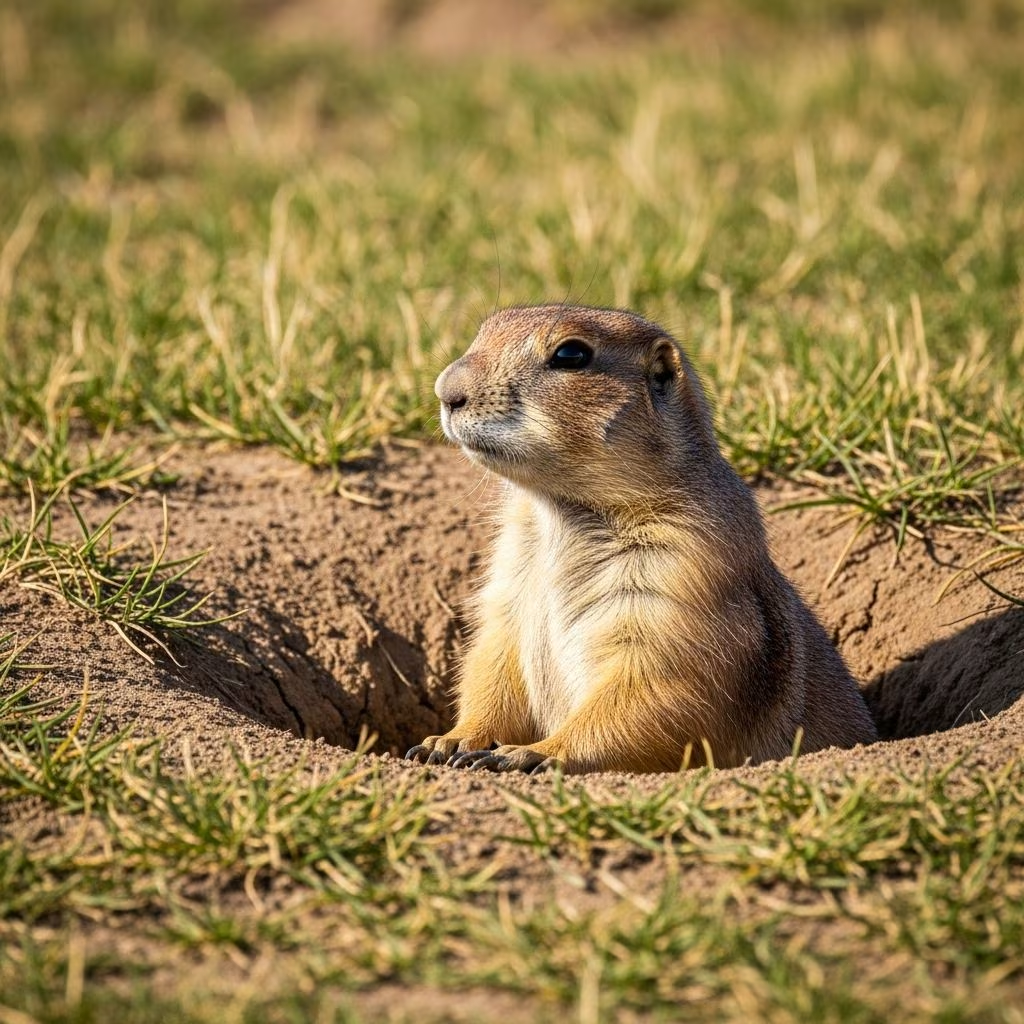
Prairie Dogs: Owning a Unique and Rewarding Pet
Prairie dogs are fascinating exotic animals that can make wonderful pets for dedicated owners willing to meet their specialized needs. These social, intelligent creatures require specific care considerations including appropriate housing, proper nutrition, veterinary attention, and significant daily interaction. Understanding what it takes to properly care for a prairie dog before bringing one into your home is essential for ensuring a long, healthy, and happy life for your pet.
Understanding Prairie Dogs as Pets
Prairie dogs are increasingly popular as exotic pets, but they are not suitable for everyone. Before considering prairie dog ownership, it is important to understand their natural behavior and requirements. These highly social animals naturally live in large underground colonies and thrive on constant interaction and companionship. In captivity, prairie dogs require owners who can dedicate significant time and resources to their care. Their lifespan of 8-10 years represents a long-term commitment that should not be taken lightly.
Black-tailed prairie dogs are the most commonly kept species as pets due to their more social nature. Young prairie dogs that are acquired at 6-8 weeks of age tend to bond better with their owners and make more suitable companions. When selecting a prairie dog, choose one that displays curiosity and is easily handled, rather than showing signs of aggression or fear.
Selecting a Healthy Prairie Dog
When obtaining a prairie dog, careful selection is crucial for ensuring you bring home a healthy animal. Observe the prairie dog’s behavior and physical characteristics before making your decision:
- The animal should display curiosity and inquisitive behavior, and be easily handled
- Eyes and nose should be clear with no discharge, which could indicate respiratory infection
- The body should be well-nourished, not thin or emaciated
- Avoid prairie dogs that already display aggressive tendencies
If the specific animal you are interested in shows signs of aggression or poor health, it is better to wait for another prairie dog or litter rather than compromise on quality.
Housing Requirements for Prairie Dogs
Proper housing is one of the most critical components of prairie dog care. These burrowing animals have specific spatial and environmental needs that must be met to keep them healthy and mentally stimulated.
Space and Enclosure Design
Prairie dogs require spacious enclosures that allow them to move freely and engage in their natural burrowing behaviors. The housing should be large enough to accommodate your prairie dog comfortably, with additional space if you plan to house multiple animals. Many pet owners successfully house prairie dogs in large dog crates or specially designed exotic pet enclosures. The key is ensuring sufficient room for movement, exploration, and the development of enrichment features.
Bedding and Substrate for Burrowing
One of the most important aspects of prairie dog housing is providing appropriate bedding material for burrowing. Prairie dogs need 6-12 inches (15-30 centimeters) of safe, accessible bedding material where they can engage in natural digging and tunneling behaviors. Suitable bedding materials include recycled paper bedding or wood shavings. It is absolutely critical to avoid cedar bedding, as cedar is toxic to prairie dogs and can cause respiratory and other health issues.
Housing Multiple Prairie Dogs
Prairie dogs are highly social animals and often thrive when housed with companions. Housing requirements vary depending on gender and reproductive status:
- Males can be housed together if they are neutered
- Females can be housed together with or without spaying
- If housing a male with a female, neutering is essential to prevent breeding and unplanned pregnancies
Housing multiple prairie dogs requires a proportionally larger enclosure and more frequent cleaning to maintain hygiene and health.
Nutritional Requirements for Prairie Dogs
Prairie dogs have specific dietary needs that must be understood and carefully managed to maintain their health. As hind-gut fermenters, these animals require a diet particularly high in fiber to support proper digestive function.
Age-Appropriate Hay
Hay forms the foundation of a prairie dog’s diet and varies based on age. Young prairie dogs up to one year of age require alfalfa hay, which provides essential nutrients for growth and development. After reaching one year of age, prairie dogs should transition to timothy hay, which has more appropriate nutritional composition for adult animals.
Pellets and Fresh Vegetables
In addition to hay, prairie dogs should receive specially formulated prairie dog pellets that provide balanced nutrition. Fresh vegetables should be offered daily in small amounts, including options such as carrots, kale, and sweet potatoes. These vegetables provide additional fiber, vitamins, and minerals while offering variety and enrichment.
Foods to Avoid
Certain foods should never be fed to prairie dogs as they can lead to serious health problems. Avoid sugary foods, processed items, dried fruits, nuts, and dog food, all of which can contribute to obesity and other nutritional imbalances. Providing fresh water at all times is essential, as prairie dogs are grazers and need continuous access to hydration.
Social Needs and Interaction
Prairie dogs are exceptionally social animals that require significant daily interaction to thrive. In their natural environment, they live in tightly knit underground colonies and maintain complex social structures. In captivity, prairie dogs need either companionship with other prairie dogs or extensive attention from their owners.
Daily Socialization Requirements
Owners should plan to spend considerable time each day interacting with their prairie dog through play, handling, and positive reinforcement. This regular interaction prevents boredom, reduces stress, and helps maintain the strong bond between owner and pet. Prairie dogs that are neglected or kept in isolation may develop behavioral problems and stress-related health issues.
Enrichment and Mental Stimulation
Providing enrichment activities is crucial for maintaining a prairie dog’s physical and mental health. Appropriate enrichment options include:
- Tunnels and PVC piping for burrowing and exploration
- Chew toys designed for small animals
- Foraging opportunities and puzzle feeders
- Exercise wheels suitable for prairie dogs
- Safe items and digging boxes to satisfy natural behaviors
With patience and positive reinforcement, prairie dogs can even learn simple tricks and commands, which provides excellent mental stimulation while strengthening the owner-pet bond.
Habitat Maintenance and Sanitation
Maintaining a clean and hygienic living environment is essential for preventing disease and parasites in prairie dogs. Proper sanitation practices include:
- Spot cleaning the enclosure daily by removing soiled bedding and droppings
- Performing a full deep clean at least once weekly, replacing all bedding and disinfecting the entire habitat with pet-safe cleaner
- Regularly grooming your prairie dog with a soft-bristled brush to remove loose fur and maintain coat condition
- Trimming nails as needed to prevent overgrowth
These regular maintenance practices help prevent odors, reduce the risk of parasitic infestations, and create a healthier living environment overall.
Veterinary Care for Prairie Dogs
Professional veterinary care is absolutely essential for prairie dog ownership. These exotic animals require specialized knowledge and attention from veterinarians experienced in exotic animal medicine.
Initial Health Examination
Your pet prairie dog should be examined by an exotic animal veterinarian within 48 hours of purchase or adoption. In many cases, sellers include a health guarantee that requires this initial veterinary visit to be valid. During this important visit, your veterinarian will discuss proper care, diet, housing requirements, and any breed-specific health concerns specific to your individual prairie dog.
Ongoing Veterinary Care
Regular veterinary checkups are essential throughout your prairie dog’s life to monitor health and catch any issues early. Routine veterinary care includes:
- Regular physical examinations
- Dental cleanings and oral health monitoring
- Routine parasite control and prevention
- Vaccinations as recommended by your veterinarian
- Dietary guidance tailored to your individual prairie dog’s needs
Finding a qualified exotic animal veterinarian before bringing your prairie dog home is highly recommended, as regular veterinary practitioners may lack experience with this species.
Legal Considerations and Ethical Sourcing
Before acquiring a prairie dog, it is important to research local laws and regulations, as prairie dog ownership may be restricted or illegal in some areas. Certain jurisdictions prohibit private ownership due to concerns about disease transmission or impacts on native wildlife populations. You may need to obtain specific permits or follow particular guidelines for legal ownership in your area.
When obtaining a prairie dog, source your animal from a reputable, ethical breeder or rescue organization. Avoid supporting the unregulated wild-caught pet trade, which harms prairie dog conservation efforts and often results in stressed, unhealthy animals. Captive-bred prairie dogs that have been socialized from a young age make far better pets than wild-caught animals.
Long-Term Commitment Considerations
Prairie dog ownership represents a significant long-term commitment that should not be undertaken lightly. Before bringing a prairie dog into your home, carefully consider these important questions:
- Do you have enough space for a proper, spacious enclosure?
- Are you prepared to spend time socializing with your prairie dog daily?
- Can you afford the costs of specialized food, supplies, and veterinary care?
- Are you willing to commit to their care for 8-10 years?
- Do you have access to an exotic animal veterinarian?
- Can you meet the emotional and social needs of a highly interactive animal?
Frequently Asked Questions About Prairie Dog Ownership
Q: Can I house a single prairie dog alone?
A: While a single prairie dog can be kept alone if provided with significant daily attention and interaction from their owner, they are social animals and often thrive better with another prairie dog companion. If housing a single prairie dog, plan for extensive daily socialization and enrichment activities.
Q: What is the lifespan of a pet prairie dog?
A: With proper care, prairie dogs can live 8-10 years or longer, making them a long-term commitment similar to dogs or cats. Some prairie dogs with excellent care may reach geriatric stages of 10 years or more.
Q: What type of bedding should I use in my prairie dog’s enclosure?
A: Use recycled paper bedding or wood shavings, providing 6-12 inches of depth for burrowing. Never use cedar bedding, as it is toxic to prairie dogs and can cause serious respiratory and health problems.
Q: Are there dietary restrictions I should be aware of?
A: Yes, avoid sugary foods, nuts, dried fruits, processed items, and dog food, which can cause obesity and other health issues. Focus on high-fiber hay, specialized prairie dog pellets, and small amounts of fresh vegetables.
Q: How often should I clean my prairie dog’s enclosure?
A: Spot clean daily by removing soiled bedding and droppings. Perform a complete deep clean at least once weekly, replacing all bedding and disinfecting the habitat with pet-safe cleaner.
Q: Is it legal to own a prairie dog where I live?
A: Prairie dog ownership laws vary by location. Some areas restrict or prohibit ownership. Research your local regulations before obtaining a prairie dog, and obtain any necessary permits.
Q: What should I look for when selecting a prairie dog?
A: Choose a curious, inquisitive prairie dog that is easily handled. Ensure eyes and nose are clear with no discharge, and the body is well-nourished rather than thin or emaciated.
Q: How important is an initial veterinary examination?
A: It is absolutely essential. Schedule an examination within 48 hours of purchase with an exotic animal veterinarian. This visit is often required by sellers for their health guarantee to be valid.
References
- Prairie Dogs: Owning — VCA Animal Hospitals. 2024. https://vcahospitals.com/know-your-pet/prairie-dogs-owning
- Should You Keep a Prairie Dog as a Pet? — Dial A Vet. 2024. https://www.dialavet.com/blog/should-you-keep-a-prairie-dog-as-a-pet
- Do Prairie Dogs Make Good Pets? Discover the Pros and Cons — A-Z Animals. 2024. https://a-z-animals.com/blog/do-prairie-dogs-make-good-pets-discover-the-pros-and-cons/
- Basic Prairie Dog Information — Exotic Nutrition. 2024. https://exoticnutrition.com/blogs/blog/basic-prairie-dog-information
- Pet Prairie Dog Pups – Important Considerations — We Love Prairie Dogs. 2024. https://www.weloveprairiedogs.com/pup-care-considerations



