

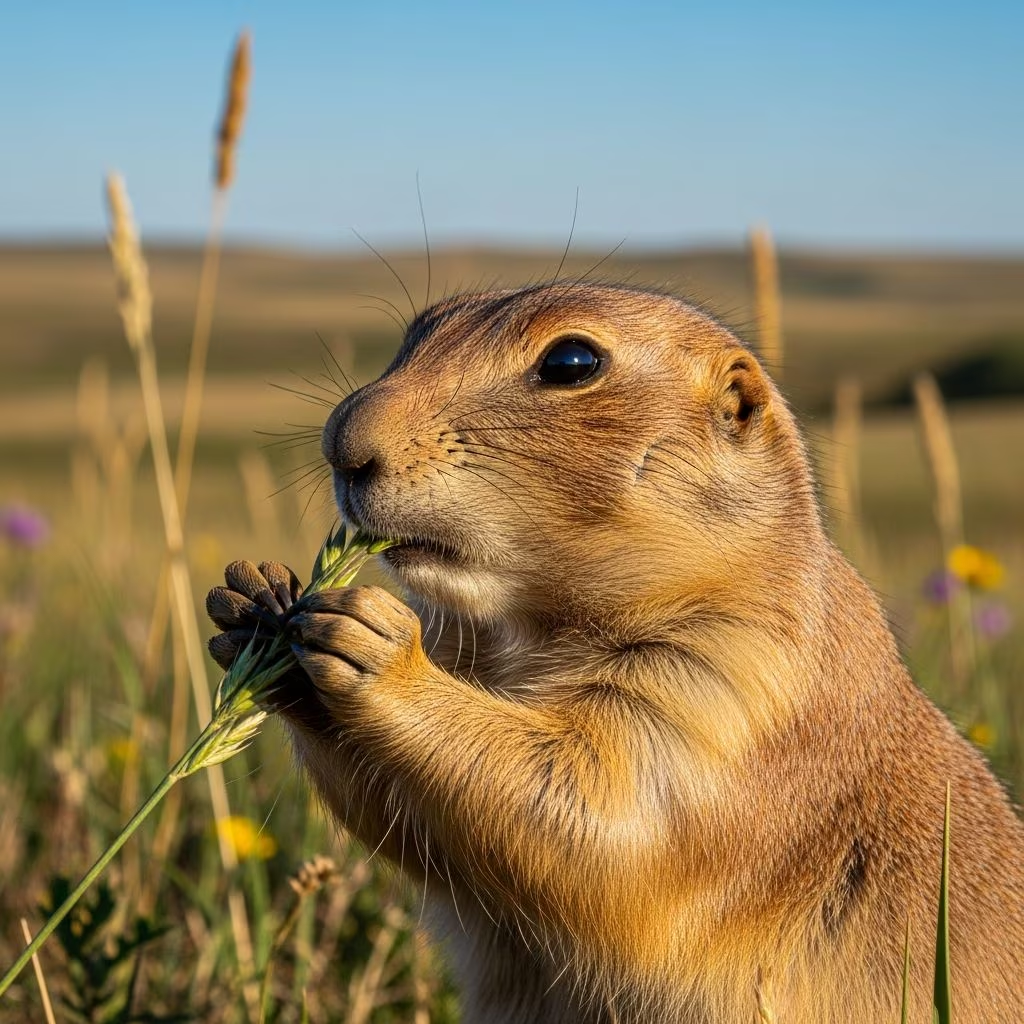
Prairie Dogs Feeding: A Comprehensive Nutrition Guide
Prairie dogs are popular exotic pets that require a carefully balanced diet to maintain optimal health and longevity. Understanding the nutritional needs of these fascinating rodents is essential for any prairie dog owner. A proper diet not only keeps your prairie dog healthy but also helps prevent common health issues such as obesity and dental disease. This comprehensive guide will help you navigate the complexities of prairie dog nutrition and ensure your pet receives the best possible diet.
Understanding Prairie Dog Natural Diet
In their natural habitat, prairie dogs are herbivorous animals that consume a variety of grasses, leaves, seeds, roots, and stems. They have evolved to thrive on a diet low in fat and high in fiber, which is predominantly composed of various grasses and forbs found in prairie environments. Unlike many other rodents, prairie dogs rarely consume high-fat foods in the wild, and this dietary pattern should be replicated in captivity to maintain their health and prevent metabolic issues. Understanding these natural eating habits is crucial for creating an appropriate captive diet that mimics their wild nutrition.
Core Diet Components
A healthy prairie dog diet consists of three essential categories: hay, treats, and protein sources. Each component plays a vital role in maintaining your pet’s overall health and well-being.
Hay: The Foundation of Prairie Dog Nutrition
Hay should form the cornerstone of your prairie dog’s diet and should constitute approximately 98% of an adult prairie dog’s daily food intake. Fresh, high-quality grass hay should be available at all times throughout the day and night, with food constantly accessible to your pet. Prairie dogs should be offered large and unlimited amounts of timothy hay or other grass hay, with a suggested serving guideline of 4-5 large handfuls of hay per prairie dog daily, which roughly equals their body size.
Timothy hay is the preferred choice for prairie dog diets due to its nutritional profile and digestive benefits. However, other acceptable grass hay varieties include oat hay, meadow grass, brome, and orchard grass. It is important to avoid feeding alfalfa hay as a primary diet component, as it should only be offered as an occasional treat due to its higher calcium and protein content, which is not appropriate for adult prairie dogs.
Pellets and Commercial Foods
Timothy-based rabbit pellets or rodent chow can be offered in limited quantities to prairie dogs. When timothy hay-based pellets are used as a daily nutritional supplement for adult prairie dogs six months of age and older, they should weigh at least 2 pounds (907 grams) and should be fed no more than 1/8 cup or 24 grams per day. Not all pellets are optimal for long-term prairie dog health, so it is essential to select products that contain timothy hay as the first-listed ingredient. Extruded pellets should be avoided entirely for this species.
Treat Allocation and Guidelines
While hay comprises the vast majority of a prairie dog’s diet, treats should comprise approximately 2% of an adult prairie dog’s daily food intake. Treats are defined as any food items that are not hay or considered a primary protein source. Offering a diverse variety of treats not only provides nutritional balance but also enriches your pet’s dining experience and prevents dietary monotony.
Fresh Vegetables
Fresh vegetables should be offered on a limited basis as treats and should include a variety of dark green leafy vegetables such as kale, parsley, cilantro, collard greens, bok choy, clover, dandelion, and carrot tops. Root-based vegetables are particularly beneficial as they replicate the tubers that prairie dogs naturally dig and consume in the wild. Acceptable vegetable treats include baby carrots, sweet potatoes, yams, and zucchini.
Certain vegetables should be avoided in prairie dog diets. These include spinach, which interferes with calcium absorption, and iceberg lettuce, which lacks significant nutritional value. Additionally, dried corn should never be included in your prairie dog’s diet as it can be harmful to their gallbladder. Fresh corn on the cob, however, can be offered occasionally as a special treat.
Fruits and Seeds
Small amounts of various fruits can be offered one to two times per week to prevent excessive sugar intake and obesity. A few sunflower seeds and safflower seeds can be included in your prairie dog’s diet as occasional treats. Other acceptable treats include nuts, dry dog food crackers, parrot mix, and prickly pear cactus, which prairie dogs particularly enjoy.
Protein Requirements
Prairie dogs require varying amounts of protein based on their age, weight, and developmental stage. Protein sources should be carefully selected and portioned to meet these specific requirements.
Adult Prairie Dog Protein Needs
Adult prairie dogs should receive minimal protein supplementation. For adult prairie dogs weighing 907 grams (approximately 2 pounds) or less, half a teaspoon of whole dried mealworms per week, or approximately 8-10 mealworms per week, is recommended. For larger prairie dogs weighing more than 2.5 pounds (1,134 grams), only 4-6 mealworms per week should be provided. An alternative approach is to feed two whole dried or live mealworms per day, with one served in the morning and one in the evening, for a total of 14 per week.
If mealworms are unavailable, high-quality vegetarian dog kibble can serve as an alternative protein source. Nature’s Recipe Healthy Skin & Coat Vegetarian Recipe by Del Monte is recommended because it does not contain dried corn, which is harmful to prairie dog gallbladders. For adult prairie dogs over 907 grams in weight, only two pieces of kibble per week in total should be provided, split over the course of the week or broken into smaller fragments given daily.
Young Prairie Dog Protein Needs
Baby prairie dogs (8 weeks to 6 months of age) have significantly higher protein requirements than adults. A combination of prairie dog food, monkey biscuits, and timothy pellets is recommended until they reach six months of age. Young prairie dogs should receive a half-tablespoon of dried mealworms per day per prairie dog, divided in half over the course of the day, with half served in the morning and half in the afternoon or evening. If powdered mealworms are used instead, provide a teaspoon of powder per day.
For puppies under six months of age or weighing under 907 grams, 1 teaspoon to 1 rounded tablespoon of dog kibble per day is appropriate. For pups that are thriving on the dietary recommendations and getting close to adult size, feed closer to 1 teaspoon. Alternatively, other protein sources for pups include 1/4 cup alfalfa hay or 1/4 teaspoon of crickets (dead or alive, depending on your pet’s preference), but only if mealworms or appropriate dog kibble cannot be obtained.
Water and Hydration
While prairie dogs in the wild rarely drink water, captive prairie dogs should always have access to fresh water. A water bottle with a lick spout works well for providing hydration to your pet. To ensure young prairie dogs learn to use the water bottle properly, place a small dish under the spout initially to make the water source more accessible until they understand how to use it. Regular water bottle maintenance is essential to prevent bacterial growth and ensure water remains fresh and clean.
Age-Specific Feeding Guidelines
Baby Prairie Dogs (8 weeks to 6 months)
Young prairie dogs require a more diverse diet with higher protein and treat allocations compared to adults. They should receive a combination of prairie dog food, monkey biscuits, and timothy pellets until reaching six months of age. Timothy hay should be provided from the earliest stages, supplemented with limited fresh vegetables such as raw sweet potatoes and raw carrots. Young prairie dogs benefit from garden fresh rehydrated vegetables as treats as well.
Transitioning to Adult Diet
As your prairie dog approaches six months of age or reaches 907 grams (approximately 2 pounds) in weight, gradually transition them to an adult diet by slowly decreasing protein rations over the course of three weeks. This gradual transition helps prevent digestive upset and allows their metabolic system to adjust to adult nutritional requirements.
Adult Prairie Dogs
Adult prairie dogs should maintain a diet consisting of approximately 98% grass hay and 2% treats with minimal protein supplementation. Food should be freely available throughout the day and night to allow prairie dogs to graze naturally as they would in their wild habitat.
Foods to Avoid
Certain foods and dietary components should never be offered to prairie dogs as they can cause serious health issues or toxicity. The green parts of potatoes contain toxic compounds and should never be fed to your pet, although white potato flesh can be offered occasionally. Dried corn is harmful to prairie dog gallbladders and should be strictly avoided, though fresh corn on the cob can be given a couple of times per year as a very special treat. Spinach interferes with calcium absorption and should not be included in your prairie dog’s diet. Iceberg lettuce lacks nutritional value and should be avoided in favor of more nutrient-dense dark leafy greens.
Preventing Obesity and Dental Disease
A proper diet is essential for preventing common health issues in captive prairie dogs, particularly obesity and dental disease. Limiting high-fat treats, maintaining appropriate portion sizes, and ensuring adequate hay consumption helps prevent excessive weight gain. The fibrous nature of hay also promotes healthy dental wear and reduces the risk of dental disease by encouraging natural chewing behaviors. Prairie dogs should not be given high-fat diets in captivity, as they have evolved to thrive on low-fat, high-fiber foods.
Dietary Variety and Enrichment
In addition to prairie dog food, offer a variety of fresh hay, grasses, fruits, vegetables, seeds, and nuts to provide dietary diversity and nutritional completeness. All prairie dogs have individual preferences, so try to offer a variety of acceptable items to discover what your specific pet enjoys most. This approach not only ensures comprehensive nutrition but also provides behavioral enrichment through varied sensory experiences during feeding times.
Frequently Asked Questions
Q: How much hay should I feed my prairie dog daily?
A: Prairie dogs should be offered 4-5 large handfuls of hay per day, roughly equal to their body size, with hay available at all times throughout the day and night. Timothy hay or other grass hays should comprise approximately 98% of an adult prairie dog’s diet.
Q: Can I feed my prairie dog alfalfa hay?
A: Alfalfa hay should only be offered as an occasional treat, not as a primary diet component. It contains higher levels of calcium and protein, which are not appropriate for adult prairie dogs. Timothy hay and other grass hays are the preferred choices.
Q: What vegetables are safe for prairie dogs?
A: Safe vegetables include dark green leafy varieties such as kale, parsley, cilantro, collard greens, bok choy, clover, dandelion, and carrot tops, as well as root vegetables like carrots, sweet potatoes, yams, and zucchini. Avoid spinach, iceberg lettuce, and green potato parts.
Q: How often should I offer treats to my prairie dog?
A: Treats should comprise approximately 2% of an adult prairie dog’s daily diet. Vegetables can be offered regularly as treats, while fruits should be limited to one to two times per week due to their sugar content.
Q: What protein sources are best for prairie dogs?
A: Dried mealworms are the preferred protein source for prairie dogs. Adults should receive minimal protein—approximately 8-10 mealworms per week for smaller adults or 4-6 for larger ones. Young prairie dogs require more protein and should receive half a tablespoon of dried mealworms daily.
Q: Do prairie dogs need to drink water?
A: Yes, although prairie dogs in the wild rarely drink water, captive prairie dogs should always have access to fresh water. A water bottle with a lick spout is recommended, with a small dish placed underneath to help young prairie dogs learn to use it.
Q: What should I feed baby prairie dogs?
A: Baby prairie dogs (8 weeks to 6 months) should receive a combination of prairie dog food, monkey biscuits, and timothy pellets. They also need higher protein supplementation, with half a tablespoon of dried mealworms daily, divided between morning and afternoon feedings.
Q: How do I transition my prairie dog to an adult diet?
A: As your prairie dog approaches six months of age or reaches 907 grams (2 pounds) in weight, gradually decrease protein rations over three weeks to transition them to an adult diet with minimal protein supplementation.
Q: Are there any foods I should never feed my prairie dog?
A: Never feed the green parts of potatoes (they contain toxins), dried corn (harmful to gallbladders), spinach (interferes with calcium absorption), or iceberg lettuce (lacks nutritional value). Fresh corn on the cob and white potato flesh can be offered occasionally as special treats.
References
- Feeding Your Pet Prairie Dog — Exotic Nutrition. 2024. https://exoticnutrition.com/blogs/blog/prairie-dog-feeding
- Captive Prairie Dog Nutrition Recommendations — Gena. S&S Exotic Animals. https://www.sandsexoticanimals.com/care/prairie_dog.html
- Tips on Feeding Your Prairie Dog — PetPlace.com. https://www.petplace.com/article/small-mammals/general/tips-on-feeding-your-prairie-dog
- Captive Prairie Dog Nutrition Recommendations — Gena, SBS Pet. November 2022. https://www.sbspet.com/pdog/captive1.pdf
- Captive Prairie Dog Pet Nutrition — We Love Prairie Dogs. https://www.weloveprairiedogs.com/diet-and-nutrition
- Prairie Dogs – Feeding — VCA Animal Hospitals. https://vcahospitals.com/know-your-pet/prairie-dogs-feeding
- Black-tailed Prairie Dog — Kiezebrink. https://www.kiezebrink.eu/en/zoo-database/name-78



