

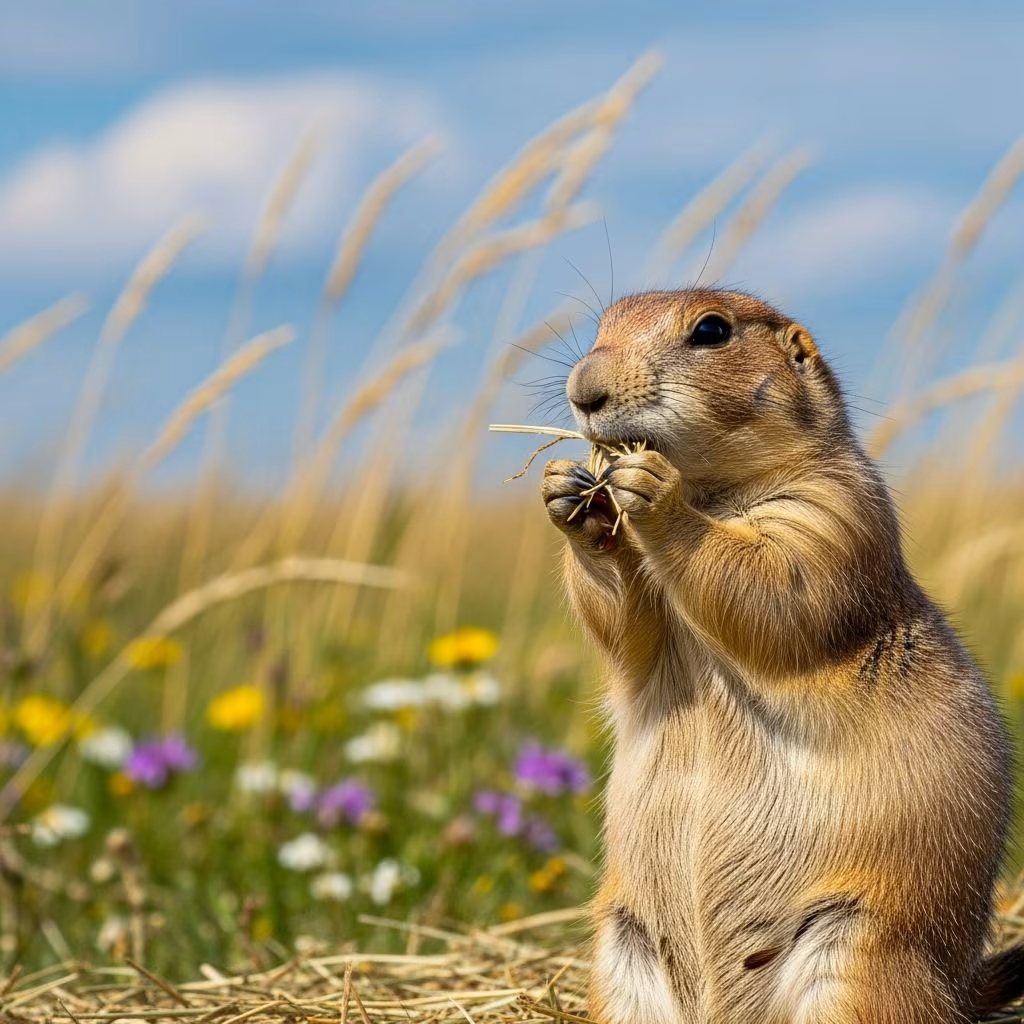
Prairie dogs thrive on a high-fiber, low-protein diet mimicking their natural grassland foraging. Captive adults require about 98% grass hay, with minimal treats and proteins to maintain ideal weight and digestive health.
Core Principles of Prairie Dog Feeding
The foundation of prairie dog nutrition centers on unlimited access to grass hay, which supports dental wear, gut motility, and prevents common issues like obesity and hepatic lipidosis. Unlike wild counterparts consuming diverse prairie plants, pets need structured rations to avoid excesses. Hindgut fermentation demands roughage for bacterial breakdown in the cecum, similar to rabbits and guinea pigs.
Key dietary pillars include:
- Hay (primary component): 70-98% of intake for fiber and abrasion.
- Treats/supplements: Limited to 2%, focusing on timothy-based pellets.
- Proteins: Strictly rationed by age and weight to curb growth beyond healthy limits.
Daily fresh water via bottle is essential, as captives drink more than wild ones; teach young pets with a dish below the spout.
Selecting and Serving the Best Hays
Grass hays form the bulk of every prairie dog’s meals, provided in quantities equaling their body size—roughly 4-5 large handfuls per adult daily, refreshed to ensure freshness. Timothy hay leads as the top choice for its balance of fiber and palatability, but alternatives like oat, orchard, brome, or meadow grass work well.
Avoid alfalfa beyond puppyhood (up to 1 year), as its richness promotes obesity; transition fully to grass hays post-growth. Hay benefits extend to immune support via gut health and natural tooth grinding, reducing overgrowth risks.
| Hay Type | Best For | Serving Notes |
|---|---|---|
| Timothy | All ages, adults primary | Unlimited, first ingredient in pellets |
| Oat/Orchard | Variety, picky eaters | Mix with timothy |
| Alfalfa | Pups under 1 year | ¼ cup max, phase out |
For pups transitioning from milk, initial hay intake is low but increases steadily. Store hay in dry conditions to prevent mold.
Protein Rations: Age and Weight Matters
Proteins must be minimal for adults to prevent excess weight gain; pups need more for development but taper sharply at 907g (2 lbs) or 6 months. Preferred sources: dried mealworms (not live for consistency) or select vegetarian kibble sans corn/alfalfa.
Adult guidelines (≥907g):
- 1-2 whole dried mealworms daily (morning/night), reduce to 1 for heavier males (>1247g) or females (>1134g).
- Or 2 pieces vegetarian kibble weekly (e.g., Nature’s Recipe Vegetarian).
Pup guidelines (under 6 months/907g):
- ½ tablespoon dried mealworms daily (split doses), or 1 tsp powder.
- 1 tsp to 1 tbsp vegetarian kibble daily, decreasing as they mature.
- Alternatives: ¼ tsp crickets or ¼ cup alfalfa hay if mealworms unavailable.
Exceeding weight? Gradually reduce over 3 weeks; geriatrics (6-8+ years) require custom plans. Corn-free pellets vital to protect gallbladders.
Treats and Supplements: Sparingly for Balance
Treats encompass pellets, veggies, fruits, seeds, nuts—capped at 2% total diet. Timothy hay-based pellets (first ingredient timothy, no extrusion/corn): ⅛ cup (24g) daily max for adults ≥2lbs.
Vegetable treats (raw, occasional):
- Sweet potatoes, carrots for vitamins.
- Rehydrated garden greens for hydration/nutrients.
- Whole oats as fiber boost.
Avoid: nuts, raisins, seeds excessively, dog/cat food, carbs—these cause obesity, dental woes, fatty liver. Baby diets blend Prairie Dog Food, monkey biscuits, timothy pellets till 6 months.
Age-Specific Feeding Plans
Newborn to Weaning Pups (0-8 Weeks)
Milk primary; introduce soft hays gradually. Minimal solids initially as digestion adapts.
Growing Juveniles (8 Weeks-6 Months)
Higher proteins: Combine hay (increasing to 80%), pellets, mealworms. Monitor for 907g threshold.
Mature Adults (6+ Months, ≥2lbs)
98% hay, 1/8 cup pellets, 1-2 mealworms. Exercise crucial alongside.
Seniors (6-8+ Years)
Consult vet; adjust for metabolism, potential dental issues. Maintain hay focus.
Weight chart target: Adults 907-1247g; exceed and risk health.
Common Pitfalls and Prevention Strategies
Obesity tops issues from overfeeding proteins/treats or exercise lack—manifests as lethargy, liver strain. Dental disease from low-fiber; counter with constant hay. Digestive stasis? Boost hay, reduce pellets.
- Monitor weekly weights.
- No table scraps/sunflower seeds.
- Enrich environment for foraging mimicry.
Daily Feeding Routine Example
For a 2lb adult:
- Morning: 2-3 handfuls hay, 1 mealworm, water check.
- Day: Unlimited hay access, 1/16 cup pellets if used.
- Evening: 1 mealworm, fresh hay handfuls.
Pups: Split proteins, more frequent hay offers.
Frequently Asked Questions (FAQs)
Can prairie dogs eat fruits?
Minimally as treats; excess sugars harm digestion. Stick to veggies.
How much hay is truly ‘unlimited’?
Body-size volume daily, replenished; they self-regulate if no alternatives abound.
What if my prairie dog refuses hay?
Mix varieties, chop small initially; rule out dental/illness.
Are commercial prairie dog foods safe?
Only timothy-first, no corn/alfalfa for adults; check labels.
Water needs for prairie dogs?
Always available; wild ones get moisture from food, captives need extra.
Long-Term Health Through Nutrition
Consistent high-hay, low-protein feeding yields longevity, vitality. Tailor to individual via weight tracking, vet input. Pups grow fast—adjust promptly. This approach mirrors wild diets, fostering natural behaviors in captivity.
References
- Captive Prairie Dog Pet Nutrition — We Love Prairie Dogs. 2023. https://www.weloveprairiedogs.com/diet-and-nutrition
- Captive Prairie Dog Nutrition Recommendations — SBS Pet. 2022. https://www.sbspet.com/pdog/captive1.pdf
- Feeding Your Pet Prairie Dog — Exotic Nutrition. 2024-10-15. https://exoticnutrition.com/blogs/blog/prairie-dog-feeding
- Prairie Dogs: Feeding — Brampton Veterinarian. 2023. https://bramptonveterinarian.com/prairie-dogs-feeding/
- Prairie Dogs – Feeding — VCA Animal Hospitals. 2025-01-10. https://vcahospitals.com/know-your-pet/prairie-dogs-feeding
- Caring for your PRAIRIE DOG — Oxbow Animal Health. 2023-10. https://oxbowanimalhealth.com/wp-content/uploads/2023/10/Prairie-Dog-Care-Guide-Nov-2022.pdf
- Feeding the Dog — Prairie Dog Blog. 2013-04-25. https://prairiedogblog.com/2013/04/25/feeding-the-dog/



