

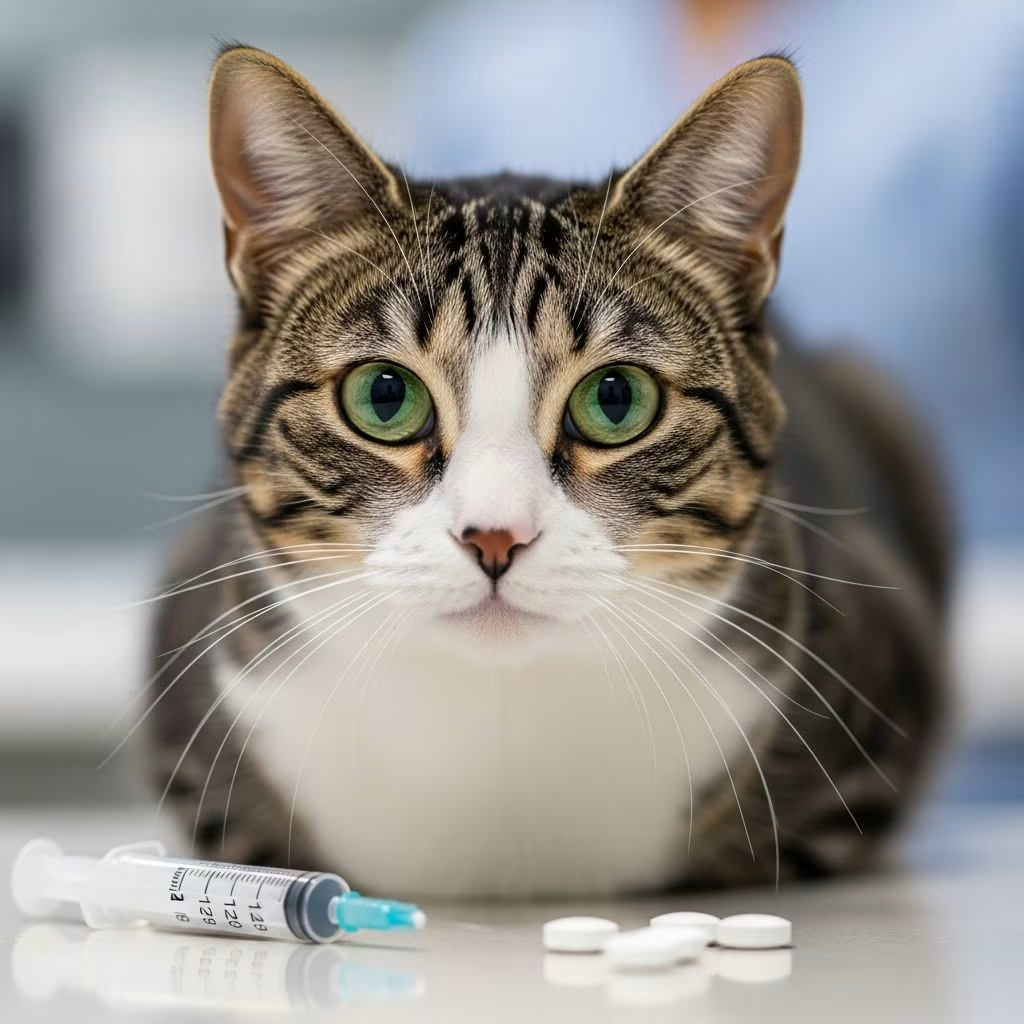
Understanding Pradofloxacin: An Essential Guide for Cat Owners
Pradofloxacin is an antimicrobial medication belonging to the fluoroquinolone class of antibiotics, specifically formulated to treat bacterial infections in cats. Known by its brand name Veraflox, this antibiotic has become an important tool in veterinary medicine for managing various feline infections. As a pet owner, understanding how this medication works, when it is prescribed, and how to administer it properly is crucial for ensuring your cat receives the most effective treatment possible.
This comprehensive guide provides detailed information about pradofloxacin, including its uses, dosage recommendations, potential side effects, and administration guidelines. Whether your veterinarian has recently prescribed this medication or you are simply seeking to expand your knowledge about feline healthcare, this article will equip you with the information needed to make informed decisions about your cat’s treatment.
What Is Pradofloxacin?
Pradofloxacin is a broad-spectrum fluoroquinolone antibiotic developed specifically for veterinary use in companion animals. It works by inhibiting bacterial DNA gyrase and topoisomerase IV, enzymes essential for bacterial cell replication and survival. This mechanism of action makes it effective against a wide range of gram-positive and gram-negative bacteria commonly found in feline infections.
The medication is available in two primary formulations: an oral suspension for cats and tablets for both dogs and cats. The oral suspension formulation is particularly useful for cats, as it allows for precise dosing and easier administration compared to tablets, which can be challenging for many feline patients.
Common Uses of Pradofloxacin in Cats
Pradofloxacin is prescribed for treating various bacterial infections in cats. Understanding the specific indications helps cat owners recognize when their veterinarian might recommend this medication. The primary uses include:
Skin and Wound Infections
One of the most common reasons veterinarians prescribe pradofloxacin is for treating skin infections, including pyoderma (bacterial skin disease) and wound infections. These infections often result from trauma, bite wounds, or underlying skin conditions that allow bacteria to colonize. Pradofloxacin is particularly effective against Staphylococcus intermedius and related species, which are frequently responsible for feline pyoderma. Wound infections caused by susceptible bacterial strains respond well to treatment with this antibiotic.
Urinary Tract Infections
Urinary tract infections (UTIs) are a common problem in cats, particularly in older animals or those with underlying urinary conditions. Pradofloxacin effectively treats acute infections of the urinary tract by reaching therapeutic concentrations in urine and combating the bacteria responsible for infection. When other antibiotics have proven ineffective or cannot be tolerated, pradofloxacin offers an alternative treatment option.
Respiratory Tract Infections
Upper respiratory tract infections associated with Mycoplasma species are another indication for pradofloxacin use in cats. This medication is particularly valuable when doxycycline, the standard first-line treatment, proves ineffective. Mycoplasma respiratory infections can cause significant discomfort and respiratory distress in affected cats, making effective antimicrobial therapy essential.
Bartonellosis
Bartonellosis, caused by Bartonella species bacteria, is a systemic infection that can affect multiple organ systems in cats. Pradofloxacin is used to treat this condition when other antimicrobials have not provided adequate response. This infection can be particularly challenging to treat, and having a reliable antimicrobial option like pradofloxacin is important for veterinary practitioners.
Cholangiohepatitis
Feline cholangiohepatitis, inflammation of the bile ducts and liver tissue, can sometimes involve bacterial infection. When neutrophilic hepatic inflammation or evidence of biliary infection is present, pradofloxacin may be recommended as part of the treatment protocol to address any concurrent bacterial infection.
Dosage Information for Cats
Proper dosing is essential for ensuring treatment efficacy while minimizing the risk of adverse effects. Pradofloxacin dosing in cats is weight-based and depends on the specific condition being treated.
Standard Dosing Guidelines
For most indications, the recommended dose of pradofloxacin for cats is 5 mg/kg bodyweight administered once daily. In the United States, the labeled dose for cats using Veraflox oral suspension is 7.5 mg/kg once daily for seven consecutive days. However, veterinarians may adjust dosing based on the specific infection being treated and the individual cat’s response to therapy.
Indication-Specific Dosing
Different infections may require different dosing regimens. For respiratory tract infections caused by Mycoplasma, some veterinarians prescribe 5 mg/kg once daily for a minimum of five days. Urinary tract infections typically require 5 mg/kg once daily for 11 to 30 days, depending on the severity and the cat’s response. Bartonellosis often necessitates extended treatment, with dosing of 5 to 10 mg/kg every 12 to 24 hours for 28 to 42 days. These variations underscore the importance of following your veterinarian’s specific dosing instructions.
Accurate Weight Assessment
To ensure correct dosing, bodyweight should be determined as accurately as possible at the time of prescription. Inaccurate weight assessment can lead to under-dosing, which may result in treatment failure, or over-dosing, which increases the risk of adverse effects. If your cat has gained or lost significant weight since the last veterinary visit, inform your veterinarian so that the dose can be adjusted accordingly.
How to Administer Pradofloxacin
Proper administration of pradofloxacin is crucial for achieving optimal therapeutic outcomes. The following guidelines will help you administer this medication correctly to your cat.
General Administration Instructions
Pradofloxacin oral suspension should be administered directly into your cat’s mouth using the syringe provided by your veterinarian. Before each use, shake the liquid medication well to ensure uniform distribution of the active ingredient. Measure the medication carefully using the graduation marks on the syringe to ensure accuracy to the nearest 0.1 mL. Administer the entire prescribed dose directly into your cat’s mouth, and allow your cat to swallow naturally.
Empty Stomach Administration
Ideally, pradofloxacin should be given on an empty stomach to maximize absorption and ensure optimal bioavailability. However, if your cat vomits or appears ill after receiving the medication on an empty stomach, you may give it with food or a small treat. It is important to avoid dairy products, antacids, and iron supplements, as these can interfere with the medication’s absorption and reduce its effectiveness.
Managing Gastrointestinal Upset
If vomiting continues despite giving the medication with food, contact your veterinarian immediately. Persistent vomiting may indicate an adverse reaction to the medication or an underlying condition that requires medical attention. Your veterinarian may recommend an alternative antibiotic or modify the dosing schedule to minimize gastrointestinal disturbances.
Syringe Hygiene
To prevent cross-contamination, do not use the same syringe for different animals. After each dose, rinse the syringe thoroughly with water to remove any medication residue. This practice is especially important in households with multiple pets or if you are caring for multiple cats.
Duration of Treatment
Complete the full course of medication as prescribed by your veterinarian, even if your cat appears to be feeling better. Discontinuing the medication prematurely can allow bacterial populations to rebound, potentially leading to treatment failure or the development of antibiotic resistance. Most treatments with pradofloxacin last seven days, although some infections may require longer courses as determined by your veterinarian.
Potential Side Effects and Safety Considerations
While pradofloxacin is generally well-tolerated in cats, it is important to be aware of potential adverse effects and safety considerations. Understanding what to watch for will help you identify problems early and seek veterinary attention if needed.
Common Side Effects
Gastrointestinal upset, including vomiting and soft stools, represents the most common side effect associated with pradofloxacin use in cats. These effects are typically mild and self-limiting but can be concerning to pet owners. If your cat experiences persistent vomiting or diarrhea, contact your veterinarian to discuss potential management strategies.
Overdose Considerations
No specific antidote exists for pradofloxacin or other fluoroquinolones. If an overdose is suspected, symptomatic and supportive treatment should be provided. Overdose may result in intermittent vomiting and other gastrointestinal symptoms. Contact your veterinarian or an animal poison control center immediately if you suspect your cat has received an excessive dose.
Contraindications and Precautions
Pradofloxacin should not be used in cats with known hypersensitivity to the active substance or any excipients in the formulation. Due to insufficient safety data, pradofloxacin should not be used in kittens less than six weeks of age. Additionally, use caution in cats with severe hepatic or renal dysfunction, as these conditions may affect drug metabolism and elimination.
Drug Interactions
Fluoroquinolones, including pradofloxacin, may interact with certain other medications. Importantly, pradofloxacin may reduce the bioavailability of digoxin, a cardiac glycoside used in cats with certain heart conditions. If your cat is taking digoxin or other medications, inform your veterinarian before starting pradofloxacin treatment to ensure potential drug interactions are identified and managed appropriately.
When to Reassess Treatment
If your cat’s infection shows no improvement within three to four days of starting treatment, contact your veterinarian for reevaluation. Lack of improvement may indicate that the infection is caused by a resistant organism, that an incorrect diagnosis was made, or that an alternative underlying condition is present. Your veterinarian may recommend additional diagnostic testing, a different antibiotic, or alternative therapies to address your cat’s condition.
Frequently Asked Questions
Q: How long does it take for pradofloxacin to work in cats?
A: Most cats show improvement in clinical signs within three to four days of starting treatment. However, it is important to complete the entire course of medication as prescribed, even if your cat appears to be recovering, to ensure complete bacterial eradication.
Q: Can I use pradofloxacin in kittens?
A: No, pradofloxacin should not be used in kittens less than six weeks of age due to insufficient safety data. Always consult your veterinarian before treating very young kittens.
Q: What should I do if my cat vomits after receiving pradofloxacin?
A: If vomiting occurs on an empty stomach, try giving the next dose with a small amount of food or a treat. If vomiting persists, contact your veterinarian immediately, as this may indicate an adverse reaction requiring medication adjustment or discontinuation.
Q: Can pradofloxacin be given with food?
A: While pradofloxacin is ideally given on an empty stomach for optimal absorption, it can be administered with food if gastrointestinal upset occurs. Avoid giving it with dairy products, antacids, or iron supplements, as these can reduce absorption.
Q: How should liquid pradofloxacin be stored?
A: Store the liquid suspension according to the instructions provided on the medication label. Always shake the bottle well before each use to ensure proper mixing of the medication.
Q: What if I miss a dose?
A: If you miss a dose, give it as soon as you remember. However, if it is almost time for the next scheduled dose, skip the missed dose and continue with the regular dosing schedule. Never double-dose to make up for a missed dose.
Q: Is pradofloxacin safe for pregnant or nursing cats?
A: Limited safety data exists for pradofloxacin use in pregnant or nursing cats. Always inform your veterinarian if your cat is pregnant or nursing before starting this medication, as alternative treatments may be considered.
Conclusion
Pradofloxacin is a valuable antimicrobial medication for treating various bacterial infections in cats. By understanding its uses, proper dosing, administration techniques, and potential side effects, you can work effectively with your veterinarian to ensure your cat receives appropriate treatment. Always follow your veterinarian’s specific instructions, complete the full course of medication as prescribed, and contact your veterinarian if you observe any concerning signs or if your cat’s condition does not improve as expected. With proper use and careful monitoring, pradofloxacin can help your cat recover from bacterial infections and return to optimal health.
References
- Pradofloxacin [Companion] – OSU VMC Antimicrobial Use Guidelines — Ohio State University College of Veterinary Medicine. 2025. https://ohiostate.pressbooks.pub/osuvmcabxuse/chapter/abx_pradofloxacin-companion/
- Veraflox, INN-Pradofloxacin — European Commission Health & Food Safety. 2023-11-30. https://ec.europa.eu/health/documents/community-register/2023/20231130161122/anx_161122_en.pdf
- Clinical particulars – Veraflox 25 mg/ml oral suspension for cats — NOAH Compendium. 2025. https://www.noahcompendium.co.uk/?id=-479763
- Pradofloxacin | VCA Animal Hospitals — VCA Animal Hospitals. 2025. https://vcahospitals.com/know-your-pet/pradofloxacin
- Veraflox for Cats (Pradofloxacin) – PetMD — PetMD. 2025. https://www.petmd.com/pet-medication/veraflox-for-cats



